

- Englist



How to Choose the Right Graphite Block for Sale: A Buyer Guide

When searching for a graphite block for sale, buyers often focus on price first. However, in high-performance industrial applications, selecting the wrong graphite block can lead to reduced efficiency, premature wear, contamination, or even equipment failure. Graphite blocks are widely used in metallurgy, EDM (electrical discharge machining), furnace construction, semiconductor processing, and chemical industries due to their exceptional thermal stability, conductivity, and machinability.
This comprehensive buyer guide will help you understand the key factors to consider before purchasing a carbon graphite block, ensuring you make a smart and cost-effective investment.
What Is a Graphite Block and Why Is It Important?
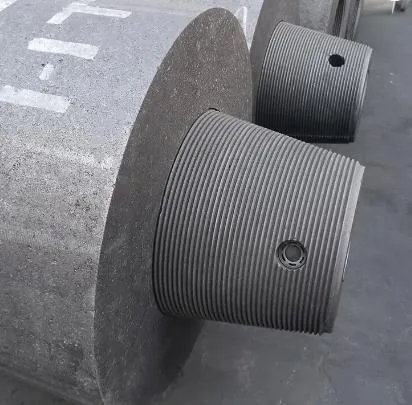
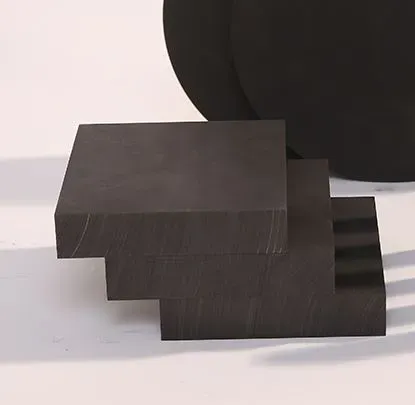
A graphite block is a solid piece of engineered graphite manufactured through processes such as molding, extrusion, vibration molding, or isostatic pressing. The manufacturing method influences the block’s density, grain structure, mechanical strength, and electrical properties.
Industries choose graphite blocks because they offer:
Excellent high-temperature resistance (over 3000°C in non-oxidizing environments)
Superior thermal conductivity
High electrical conductivity
Strong resistance to thermal shock
Good chemical stability
Easy machinability into complex shapes
Because graphite blocks are often used in demanding environments, selecting the correct type directly affects production efficiency and product quality.
Understanding Different Types of Graphite Blocks for Sale
Before purchasing a graphite block for sale, it is essential to understand the available types and how they differ.
1. Isostatic Graphite Blocks
Isostatic graphite blocks are produced using equal pressure in all directions during molding. This results in uniform density and fine grain structure. These blocks are ideal for semiconductor processing, solar cell manufacturing, and high-precision EDM applications.
2. Molded Graphite Blocks
Molded graphite blocks offer strong mechanical properties and are widely used in metallurgical and furnace applications. They are cost-effective for large industrial components.
3. Extruded Graphite Blocks
Extruded graphite blocks are formed by pushing graphite material through a die. They are commonly used in large structural components and heat exchangers due to their directional strength.
4. Vibration-Molded Graphite Blocks
These blocks are suitable for medium-to-large applications and offer balanced performance between cost and strength.
Understanding the production method helps you match the graphite block’s structure with your application requirements.
Key Technical Specifications to Evaluate Before Buying Graphite Blocks
When evaluating a carbon graphite block, do not rely solely on appearance or price. Instead, focus on these critical technical parameters:
1. Density
Higher density generally means better mechanical strength, lower porosity, and improved oxidation resistance. High-density graphite blocks perform better in high-temperature furnace environments.
2. Grain Size
Fine grain graphite blocks offer smoother surface finishes and higher precision machining. They are preferred for EDM electrodes and semiconductor components.
3. Compressive and Flexural Strength
These values determine how much stress the graphite block can withstand. Heavy industrial equipment requires blocks with higher strength ratings.
4. Electrical Resistivity
If the graphite block will be used in electrical applications, low resistivity is important for efficient current flow.
5. Ash Content (Purity Level)
Low ash content is critical in applications where contamination must be avoided, such as electronics or high-purity metal processing.
Always request a technical data sheet from the supplier when reviewing graphite blocks for sale.
How to Match Graphite Block Grade with Your Application
Different industries require different graphite block grades. Below are practical examples:
EDM Industry
For electrical discharge machining, choose fine-grain, high-density graphite blocks. They provide excellent machinability and surface quality.
Metallurgical Furnaces
Large, medium-grain molded graphite blocks work well for lining and structural components in high-temperature furnaces.
Semiconductor Manufacturing
Ultra-high purity isostatic graphite blocks are required to prevent contamination during silicon wafer production.
Chemical Processing
Graphite blocks used in heat exchangers must have strong corrosion resistance and high thermal conductivity.
Matching the block grade to your industry ensures longer service life and better operational stability.
Important Considerations When Searching for a Graphite Block for Sale
Beyond material specifications, consider the following practical factors:
Supplier Reputation
Work with experienced graphite manufacturers or authorized distributors. A reliable supplier provides consistent quality, proper documentation, and technical support.
Customization Capability
Many applications require custom dimensions. Ensure the supplier can machine graphite blocks to your required size and tolerance.
Quality Control Standards
Ask whether the supplier conducts density testing, ultrasonic inspection, and material certification. Consistent quality reduces downtime.
Delivery and Logistics
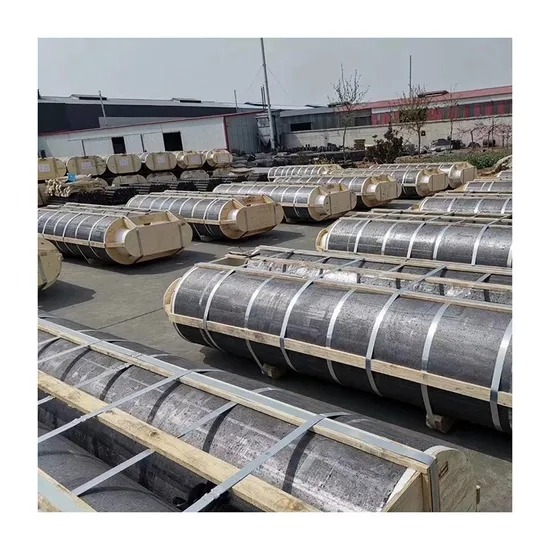
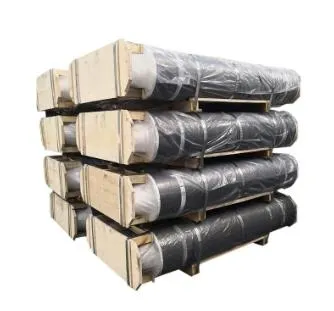
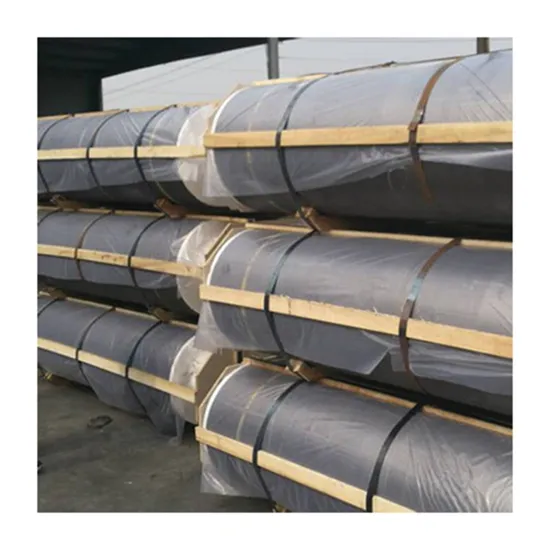
Graphite blocks can be large and fragile. Proper packaging and timely delivery are essential to avoid damage.
Cost vs. Total Value
The cheapest graphite block for sale may not be the most economical option long-term. Consider durability, maintenance frequency, and energy efficiency when calculating total cost of ownership.
Common Mistakes Buyers Should Avoid
Even experienced buyers sometimes make avoidable mistakes when purchasing carbon graphite blocks:
Choosing based solely on price
Ignoring grain size requirements
Overlooking purity specifications
Failing to confirm mechanical strength
Not verifying oxidation resistance
Taking time to compare technical specifications prevents costly replacements and operational disruptions.
How to Request a Quote for Graphite Blocks
When contacting a supplier, provide detailed information to receive an accurate quotation:
Required dimensions (length, width, height)
Tolerance requirements
Application environment (temperature, atmosphere)
Desired density and grain size
Quantity needed
Any machining or surface treatment requirements
Clear communication ensures the supplier recommends the most suitable graphite block grade.
Future Trends in the Graphite Block Market
With growth in renewable energy, electric vehicles, and semiconductor industries, demand for high-performance graphite blocks continues to increase. Advanced manufacturing techniques now produce graphite blocks with:
Improved oxidation resistance
Higher mechanical strength
Lower impurity levels
Enhanced thermal conductivity
Buyers should stay updated on new material grades and innovations to remain competitive.
Final Thoughts: Making a Smart Graphite Block Purchase
Choosing the right graphite block for sale is a technical decision that impacts efficiency, durability, and cost-effectiveness. Instead of focusing only on pricing, evaluate density, grain size, purity, strength, and supplier reliability.
A carefully selected carbon graphite block will provide long-term stability in high-temperature and high-stress environments, helping your operations run smoothly and efficiently.
 Pervious
 Next
Next