

- Englist



Graphite Rod Uses

Graphite rods are essential engineered carbon materials widely used across industries that demand high-temperature resistance, electrical conductivity, and chemical stability. From metallurgy and electrical systems to chemical processing and advanced manufacturing, graphite rods offer a unique combination of properties that few materials can match.
In this comprehensive guide, we will explore the most important graphite rod uses, explain why graphite performs so well in extreme environments, and help you understand how to choose the right graphite rod for your application.
What Is a Graphite Rod?
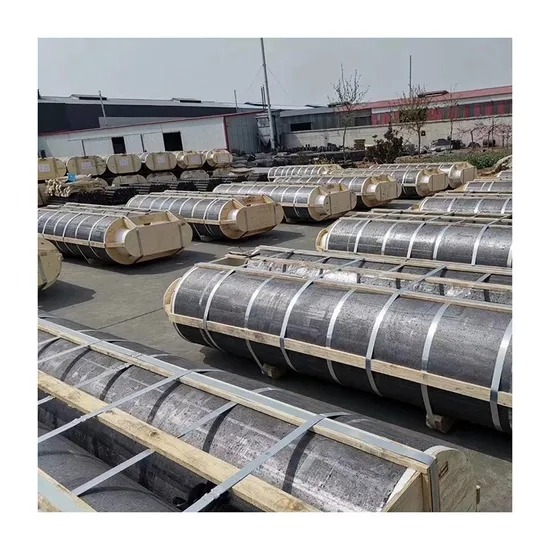
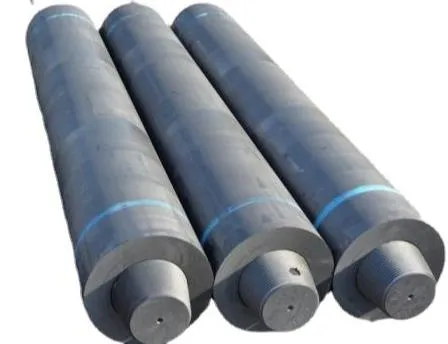
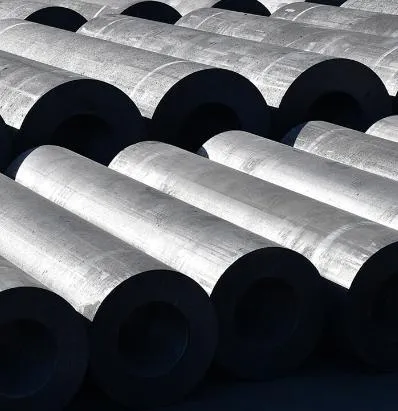
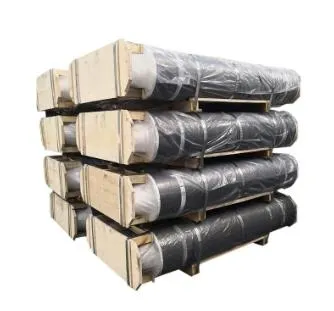
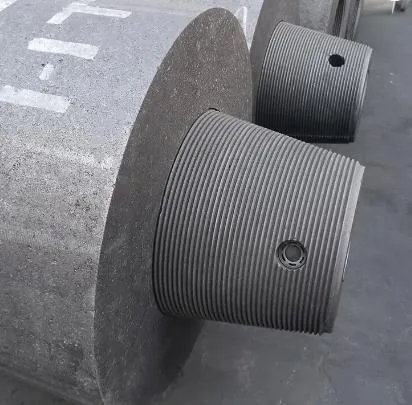
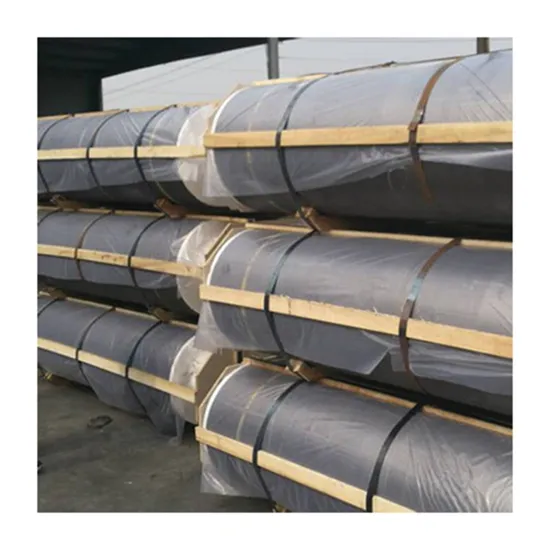
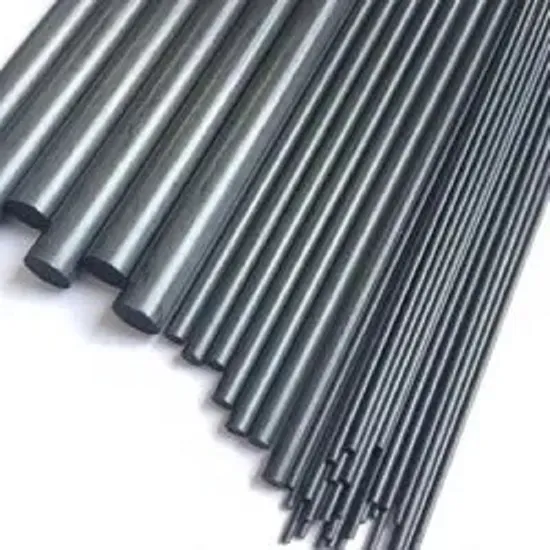
A graphite rod is a cylindrical carbon-based component manufactured from high-quality graphite materials. Depending on the production process—such as molded, extruded, or isostatic pressing—graphite rods can vary in density, grain size, strength, and purity level.
Because graphite naturally offers:
High thermal conductivity
Excellent electrical conductivity
Strong resistance to thermal shock
Chemical corrosion resistance
Self-lubricating properties
It has become a preferred material in demanding industrial environments.
Graphite Rod Uses in High-Temperature Furnaces
One of the most important graphite rod uses is in high-temperature furnace systems. Graphite rods are commonly used as:
Heating elements
Structural supports
Insulation components
Susceptor rods in induction furnaces
Graphite can withstand temperatures above 2000°C in non-oxidizing environments. Unlike metals, it does not melt under extreme heat; instead, it sublimates at very high temperatures, making it ideal for vacuum and inert gas furnaces.
Its resistance to thermal shock ensures stability during rapid heating and cooling cycles, reducing cracking or deformation risks.
Graphite Rod Uses in Electrical and Conductive Applications
Another major graphite rod use is in electrical systems. Due to its excellent electrical conductivity, graphite is frequently used in:
Electrodes
Grounding rods
Carbon brushes
Electrolysis systems
EDM (Electrical Discharge Machining)
In electrolysis and metal refining processes, graphite rods serve as stable electrodes because they resist corrosion in harsh chemical environments. In EDM applications, graphite electrodes allow precise material removal while maintaining dimensional stability.
For grounding applications, graphite rods offer long service life and strong corrosion resistance compared to traditional metal rods.
Graphite Rod Uses in Chemical and Corrosive Environments
Graphite rods perform exceptionally well in aggressive chemical environments. Their resistance to acids, alkalis, and many solvents makes them suitable for:
Chemical reactors
Pump components
Mechanical seals
Agitator shafts
Heat exchanger systems
In chemical processing plants, graphite rods often replace metal parts that would corrode quickly. Their inert nature ensures longer equipment lifespan and reduced maintenance costs.
Additionally, graphite does not contaminate most chemical reactions, which is critical in sensitive industrial processes.
Graphite Rod Uses in Metallurgy and Foundry Applications
In the metallurgy sector, graphite rods are widely used for:
Continuous casting molds
Degassing rods
Crucible supports
Metal stirring rods
Graphite’s non-wetting characteristics prevent molten metals from sticking to its surface. This makes it especially useful in aluminum, copper, and precious metal processing.
Because graphite rods maintain structural integrity at extremely high temperatures, they improve casting accuracy and production efficiency.
Graphite Rod Uses in Mechanical and Wear Applications
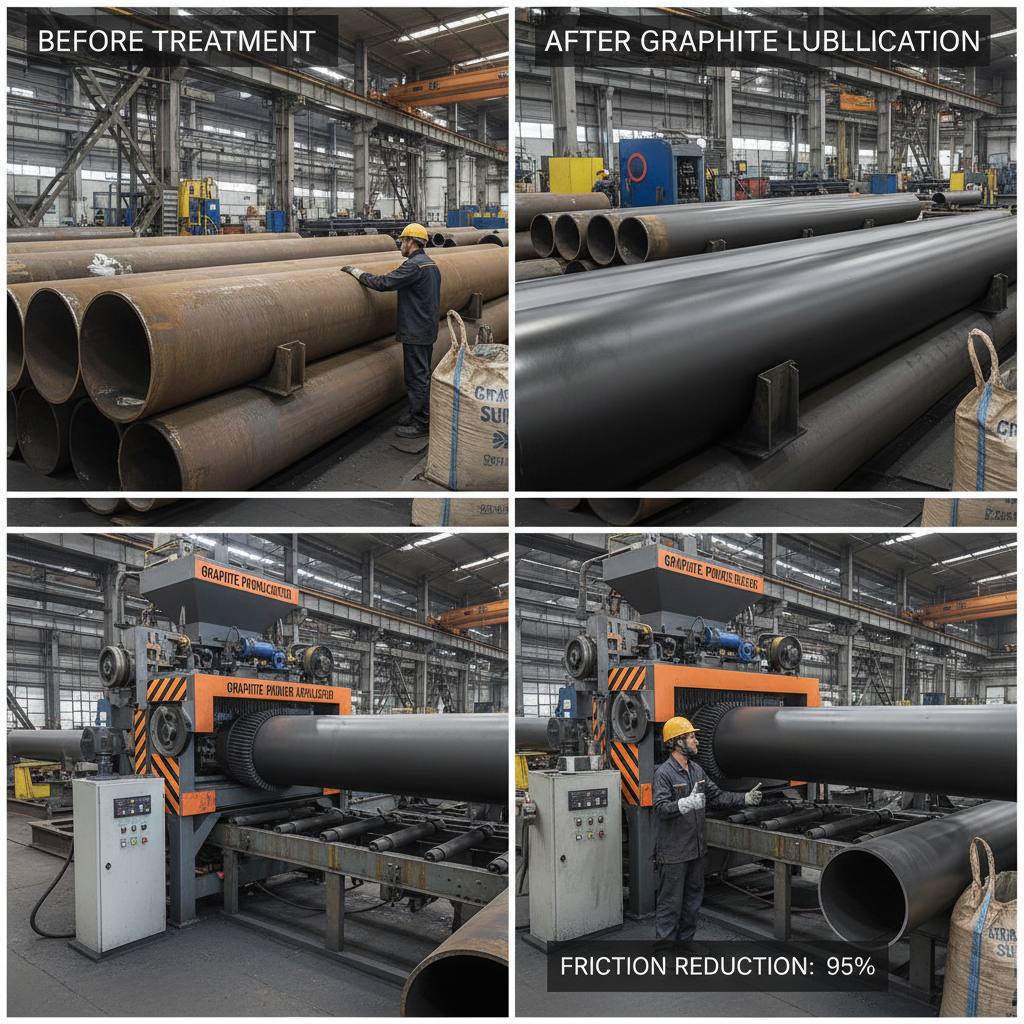
Thanks to its self-lubricating properties, graphite is often used in applications involving friction and movement. Common graphite rod uses in mechanical systems include:
Bearings
Bushings
Sliding components
Seal rings
Graphite reduces friction without requiring external lubrication, which is especially useful in high-temperature or vacuum environments where traditional lubricants fail.
Its low coefficient of friction ensures smooth mechanical performance and extended service life.
Graphite Rod Uses in Renewable Energy and Advanced Technology
As technology evolves, graphite rods are increasingly used in modern energy and high-tech applications such as:
Solar panel production
Lithium battery manufacturing
Fuel cell systems
Semiconductor processing
In photovoltaic production, graphite rods serve as heating and structural components during crystal growth processes. In battery manufacturing, graphite plays a critical role due to its conductivity and chemical stability.
The growing demand for clean energy technologies continues to expand graphite rod uses worldwide.
Graphite Rod Uses in Laboratory and Research Settings
Graphite rods are also commonly found in laboratory environments. Their stability and conductivity make them ideal for:
Experimental electrodes
Heating elements
Research reactors
Electrochemical testing
Because graphite is easy to machine into custom dimensions, laboratories can tailor graphite rods for specialized experiments and prototype systems.
Why Graphite Rods Are Preferred Over Metal Rods
Many industries choose graphite rods over metal alternatives due to several advantages:
Higher temperature resistance
Better chemical stability
Lighter weight
Strong thermal shock resistance
Non-magnetic properties
Superior machinability
Unlike steel or copper rods, graphite does not warp easily under extreme heat and maintains structural consistency over long operational cycles.
How to Choose the Right Graphite Rod
When selecting a graphite rod, consider the following key factors:
Purity Level – High purity graphite is ideal for semiconductor and high-temperature applications.
Density – Higher density typically offers improved strength and wear resistance.
Grain Size – Fine grain graphite provides better surface finish and precision machining.
Operating Temperature – Ensure compatibility with your working environment.
Mechanical Strength Requirements – Consider compressive and flexural strength specifications.
Different manufacturing processes, such as isostatic or extruded graphite, will influence these properties.
Working with a reliable graphite supplier ensures consistent quality and accurate technical support.
Future Trends in Graphite Rod Applications
The demand for graphite rods continues to grow, especially in:
-
Electric vehicle battery production
-
Hydrogen energy systems
-
Advanced electronics
-
Aerospace manufacturing
As industries shift toward high-efficiency and high-temperature technologies, graphite rod uses are expanding into more advanced and precision-driven applications.
Improved purification processes and manufacturing techniques are also enhancing graphite’s performance, opening new possibilities for engineered carbon solutions.
Conclusion
Graphite rods are versatile, high-performance materials used in a wide range of industries. From high-temperature furnaces and electrical systems to chemical processing and renewable energy technologies, graphite rod uses continue to expand due to the material’s exceptional conductivity, thermal resistance, and chemical stability.
Choosing the right graphite rod depends on purity, density, grain structure, and application requirements. With ongoing technological advancements, graphite rods will remain an essential component in modern industrial and high-tech systems.
 Pervious
 Next
Next