


- Englist

Phone:
tel:+8615511858977

Email:
info@nalaibio.com


Нау 03 2026
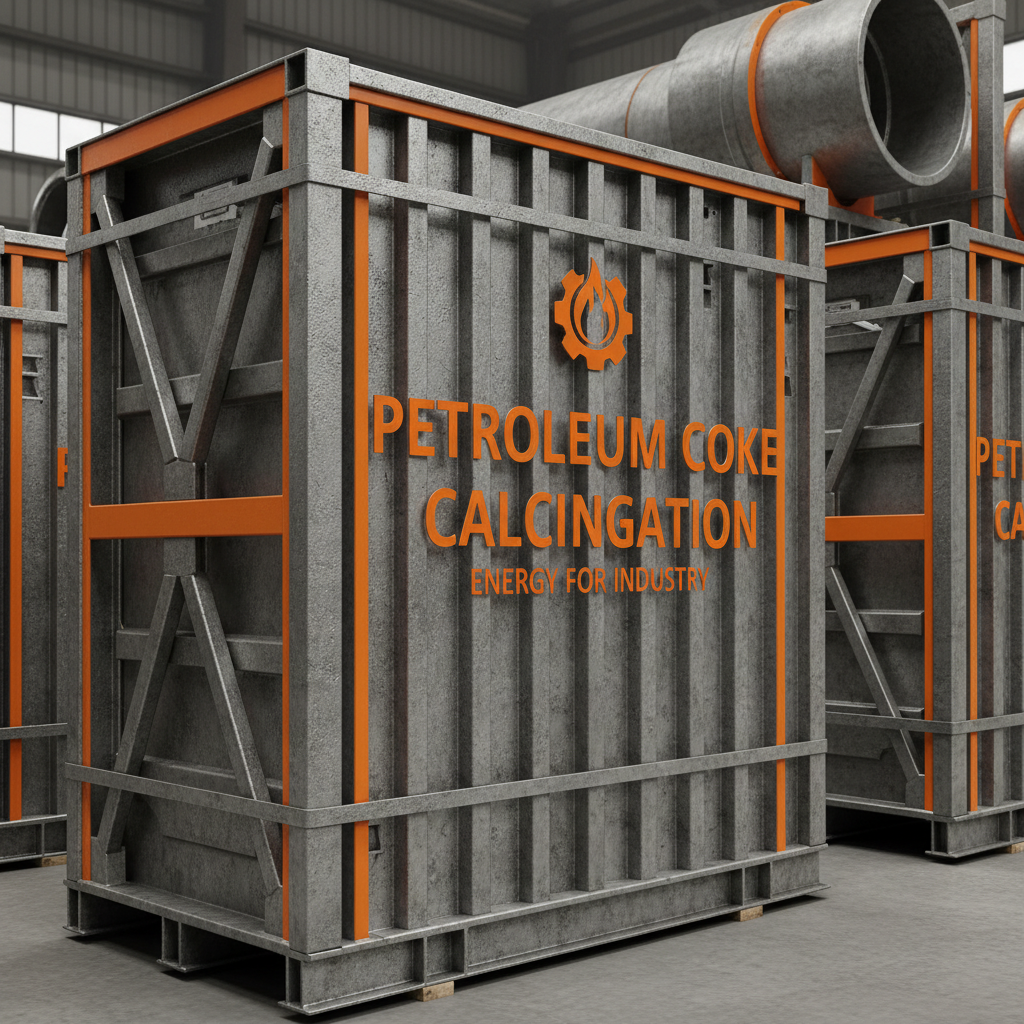
Comprehensive Guide to Petroleum Coke Calcination Processes and Industrial Applications
Petroleum coke calcination is a critical thermal process employed to enhance the properties of green petroleum coke, a byproduct of oil refining. This process significantly reduces volatile matter content and increases the fixed carbon, resulting in a higher-quality product suitable for various industrial applications, particularly in the aluminum smelting industry. NL Graphite specializes in providing high-quality calcined petroleum coke (CPC) tailored to specific customer requirements. Understanding the nuances of calcination is crucial for optimizing CPC performance and achieving desired outcomes. Calcination involves heating green petroleum coke to temperatures ranging from 750°C to 1400°C (1382°F to 2552°F) in a controlled atmosphere, typically with limited oxygen. This heating process drives off residual hydrocarbons, moisture, and other volatile components. The result is a purified coke with enhanced electrical conductivity, increased strength, and reduced sulfur content. The specific calcination parameters – temperature, residence time, and atmosphere – are carefully controlled to achieve the desired product characteristics.
View Details +
Нау 03 2026
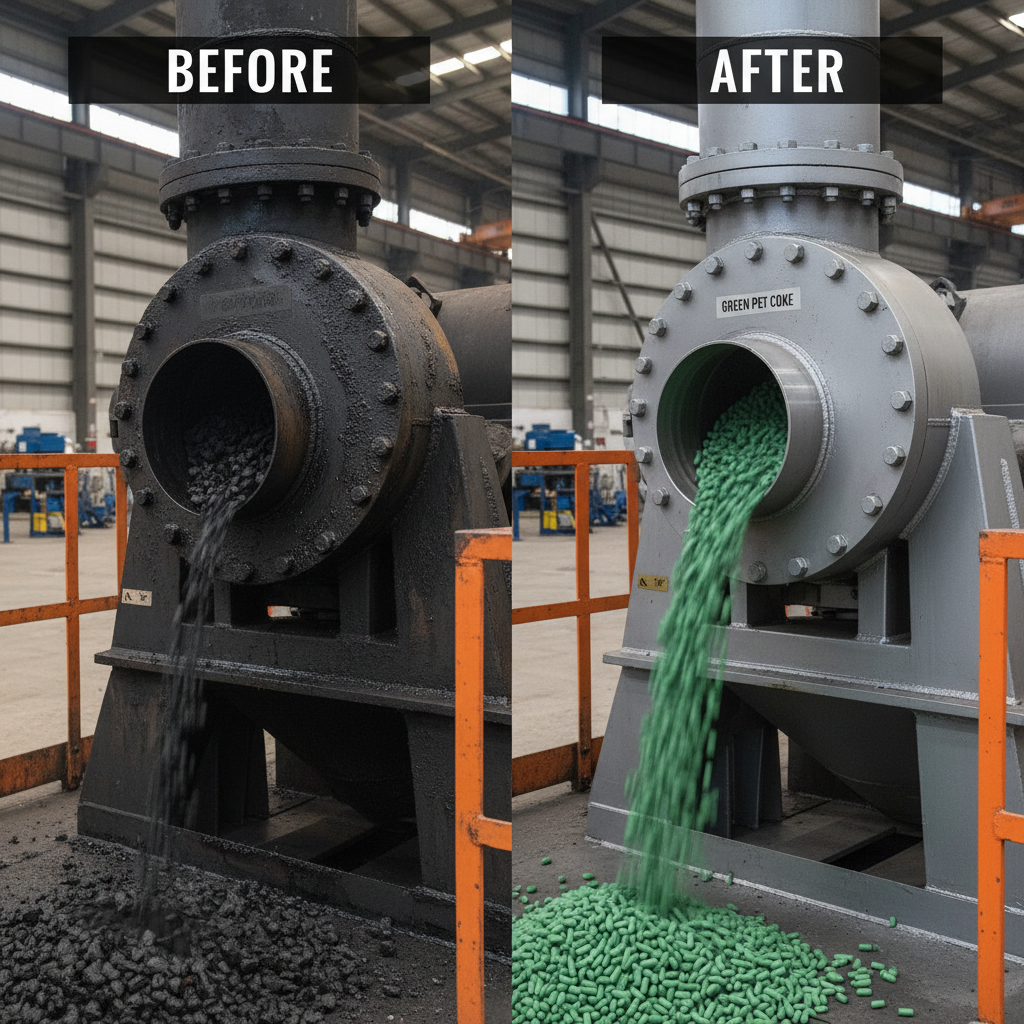
Exploring Green Pet Coke Properties Applications and Sourcing Options
Green pet coke, a byproduct of oil refining, is gaining increasing attention as a vital industrial material. This article delves into the properties, uses, and benefits of this versatile carbon source, highlighting its significance in various industries. We will explore its production process, common applications, and the advantages of sourcing from a reliable supplier like NL Graphite. Understanding green pet coke is crucial for businesses seeking cost-effective and high-quality carbon solutions. Green pet coke (GPC) is a solid carbonaceous material derived from the delayed coking process in oil refineries. Unlike calcined pet coke, GPC hasn’t undergone the high-temperature calcination process to remove impurities. This means it retains a higher moisture and volatile content, giving it a green hue. While it requires further processing for some applications, its lower cost and high carbon content make it an attractive raw material for many industries. Green pet coke serves as a crucial input in several core industries. Its primary application lies in the production of aluminum, where it acts as a carbon source for the electrolytic smelting process. It’s also used in the manufacturing of steel as a reductant and carbon raiser.
View Details +
Нау 03 2026
Comprehensive Guide to Pet Coke Fuel Properties Applications and Environmental Impact
Petroleum coke, commonly known as pet coke, is a carbon-rich byproduct of oil refining. Increasingly used as a fuel source across various industries, its affordability and high energy density make it a compelling alternative to coal. However, understanding its properties, applications, and environmental considerations is crucial for responsible use. This article provides an in-depth look at pet coke fuel, covering its production, types, uses, and future outlook. Choosing the right pet coke supplier, like NL Graphite, ensures quality and reliability. Pet coke is formed during the refining of crude oil in a process called delayed coking. When heavy oil fractions are heated to high temperatures, they crack into lighter, more valuable products like gasoline and diesel. The remaining residue, a solid carbon material, is pet coke. There are two main types of pet coke: needle coke and sponge coke. Needle coke, with its long, needle-like structure, is primarily used in the production of graphite electrodes for the aluminum industry. Sponge coke, characterized by its porous structure, is more commonly used as fuel.
View Details +
Нау 03 2026
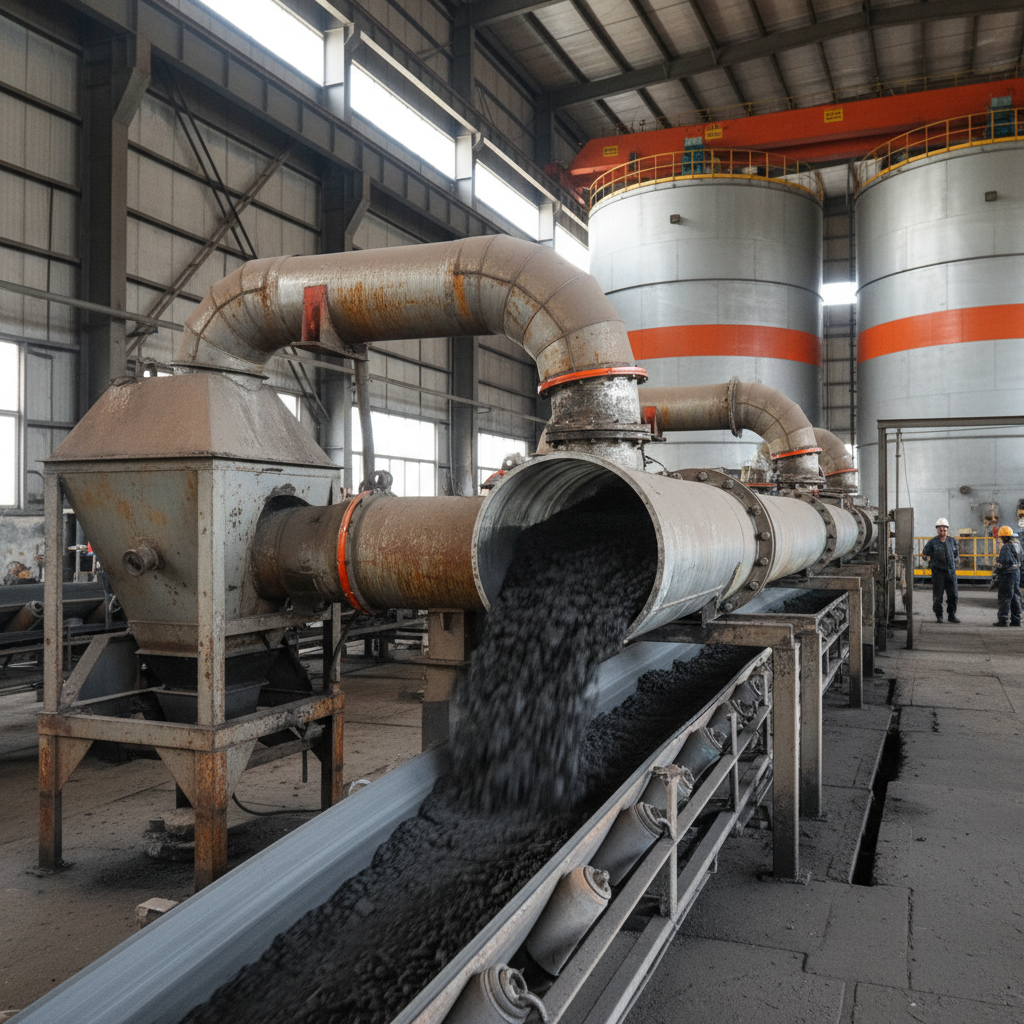
Understanding Calcined Petroleum Coke Production Properties and Applications
Calcined petroleum coke (CPC) is a crucial carbon material with widespread applications across numerous industries. It's a high-carbon, low-sulfur product derived from the delayed coking of petroleum refining residues. This article dives deep into the production, properties, applications, and global market trends of calcined petroleum coke, providing valuable insights for both technical professionals and those involved in sourcing this vital material. Understanding its characteristics is essential for optimizing its use in aluminum, steel, and titanium production, among other key industries. The journey from crude oil to calcined petroleum coke is a complex one. Initially, heavy residue from oil refining undergoes ‘coking’, a thermal decomposition process. This produces ‘green coke,’ which is still relatively volatile and contains significant amounts of sulfur and other impurities. The crucial step of calcination follows, where the green coke is heated to extremely high temperatures (typically 1000-1600°C) in a rotary kiln.
View Details +
Ақп 28 2026
Comprehensive Guide to Understanding Satisfactory Petroleum Coke Applications
Satisfactory petroleum coke (Petcoke) is a carbon-rich solid derived from oil refining, playing a crucial role in various industrial applications. Its high carbon content and low levels of sulfur and nitrogen make it a valuable resource for aluminum production, steelmaking, and the manufacturing of electrodes. At NL Graphite, we specialize in providing high-quality petcoke tailored to meet the specific needs of our clients. This article will delve into the properties, production, applications, and advantages of using satisfactory petroleum coke, offering a detailed overview for businesses and professionals. Petroleum coke is produced through a process called delayed coking, a crucial part of oil refining. During this process, heavy oil residues are heated to high temperatures, resulting in the formation of petcoke. There are two main types of petcoke: needle coke and sponge coke. Needle coke, with its acicular (needle-like) structure, is primarily used in the production of graphite electrodes for the aluminum industry. Sponge coke, characterized by its porous structure, is commonly utilized in the production of steel, cement, and other applications.
View Details +
Ақп 28 2026
Understanding Raw Petroleum Coke Production Applications and Global Trade Dynamics
Raw petroleum coke (petcoke) is a carbon-rich solid material derived from the final stage of petroleum refining. It's a crucial byproduct of the coking process and finds widespread use across various industries, from aluminum production to steelmaking. This article delves into the properties, applications, global trade, and key considerations when sourcing raw petroleum coke, providing valuable insights for businesses involved in international trade. Understanding its nuances is vital for navigating this complex market effectively. Petcoke is created when heavy gas oils and residual oils are heated in a delayed coker unit. This process breaks down large hydrocarbon molecules into smaller ones, leaving behind a solid residue – the petcoke. There are two main types: needle coke and sponge coke. The applications of petcoke are diverse and critical to several major industries. The largest consumer is the aluminum industry, where it serves as the primary material for anode production. Steel manufacturing utilizes petcoke as a carbon raiser and reducing agent. The global petcoke market is characterized by complex trade flows. The United States is a major producer, largely as a byproduct of its significant refining capacity.
View Details +
Ақп 28 2026
Understanding the Properties and Applications of Graphitized Petroleum Coke
Graphitized petroleum coke (GPC) is a crucial carbon material widely used in various industrial applications. Its unique properties – high purity, exceptional conductivity, and thermal stability – make it indispensable in industries like aluminum smelting, steelmaking, and lithium-ion battery production. This article will provide an in-depth look at GPC, covering its production, characteristics, applications, and the factors driving its global demand. We will also highlight why NL Graphite is a trusted supplier of high-quality GPC. Graphitized petroleum coke is produced from petroleum coke – a byproduct of oil refining – through a high-temperature graphitization process. This process rearranges the amorphous carbon structure of petroleum coke into a more ordered, graphite-like structure. This graphitization significantly improves the material’s electrical and thermal conductivity, as well as its chemical inertness. The resulting GPC boasts a carbon content of over 99%, making it a highly valued material for demanding applications.
View Details +
Ақп 28 2026
Comprehensive Guide to Green Petroleum Coke Production and Industrial Applications
Green petroleum coke (GPC) is a crucial carbon material derived from the oil refining process. It’s a byproduct of delayed coking units and plays a significant role in various industrial applications, ranging from aluminum production to steelmaking. Understanding its properties, production, uses, and market trends is essential for businesses involved in these sectors. At NL Graphite, we are dedicated to providing high-quality GPC to meet diverse industrial needs. This article will delve into the world of GPC, exploring its intricacies and potential. Green petroleum coke is the initial solid output from a delayed coking process. Unlike calcined petroleum coke (CPC), GPC hasn't undergone the calcination process to remove volatile components and increase carbon content. This means it retains a higher moisture and hydrogen content, giving it its "green" color. Its raw form often appears as large, irregular lumps. The composition of GPC varies based on the crude oil source and the specifics of the coking process, but it primarily consists of elemental carbon with impurities like sulfur, nitrogen, and heavy metals.
View Details +
Ақп 28 2026
Exploring Graphite Petroleum Coke Properties Applications and Sourcing
Graphite petroleum coke (GPC) is a vital carbon material used across a wide range of industries. Derived as a byproduct of oil refining, it’s prized for its high carbon content, low sulfur levels, and excellent conductivity. This makes it indispensable in aluminum production, steelmaking, and the manufacturing of electrodes. At NL Graphite, we specialize in the supply of high-quality graphite petroleum coke, tailored to meet the specific needs of our global clientele. This article provides an in-depth look at GPC, its properties, applications, and how to choose the right supplier. Graphite petroleum coke is created during the cracking process in oil refineries. The residue from this process undergoes further calcination to increase its carbon content and remove volatile compounds.
View Details +
Ақп 28 2026
Comprehensive Guide to Calcined Petroleum Coke Properties and Industrial Applications
Calcined petroleum coke (CPC) is a crucial carbon material widely used in various industries, notably aluminum production, steel manufacturing, and titanium dioxide pigment production. This article delves into the properties, manufacturing process, applications, and market trends of calcined petroleum coke. We’ll explore why NL Graphite is a leading supplier of high-quality CPC, catering to diverse industrial needs. Understanding CPC’s role in these key sectors is vital for optimizing production processes and ensuring product quality. Calcined petroleum coke is produced from raw petroleum coke, a byproduct of oil refining. The calcination process involves heating raw coke to extremely high temperatures in the absence of oxygen. This process removes volatile matter, reduces sulfur content, and increases the carbon content, resulting in a harder, more conductive material.
View Details +
Ақп 28 2026
Comprehensive Guide to Sourcing High Quality Petcoke in Bulk for Industrial Needs
Petcoke, a byproduct of oil refining, is a crucial carbon material with diverse industrial applications. Sourcing petcoke in bulk is a common practice for industries such as aluminum, steel, and cement production. This article will delve into the uses, sourcing, specifications, and logistical considerations of purchasing petcoke in large quantities. We will explore how NL Graphite provides high-quality petcoke solutions to meet global demand. Petcoke is broadly categorized into two main types: green petcoke and calcined petcoke. Green petcoke is directly obtained from the coking process and retains a higher moisture content. Calcined petcoke undergoes a heating process to reduce moisture and volatile components, resulting in a harder, more pure product. The primary use of petcoke is as a fuel and carbon raiser in the aluminum industry. It's also used in steel production to enhance carbon content and in cement manufacturing as an alternative fuel source.
View Details +
Ақп 28 2026
Comprehensive Guide to Pet Coke for Sale Applications and Quality Considerations
Petroleum coke (pet coke) is a carbon-rich byproduct of oil refining. Widely used as a fuel and raw material in various industries, securing a reliable supply of high-quality pet coke is crucial for many businesses. This article delves into the world of pet coke for sale, covering its applications, quality considerations, and how to source it effectively. We’ll explore the different grades of pet coke available and offer insights into finding a trustworthy supplier. Pet coke isn't a one-size-fits-all product. It’s categorized primarily by its sulfur content and form. Delayed coke is produced during the delayed coking process and typically has a higher sulfur content. Fluidized coke is created via fluidized coking, often resulting in a lower sulfur product. Sulfur content significantly impacts the permissible applications and environmental considerations. Beyond sulfur, key characteristics include moisture content, ash content, fixed carbon, and volatile matter. These factors influence its combustion efficiency and suitability for different industrial processes.
View Details +
Related Products



Social Media
Copyright © 2026 Shijiazhuang nalai biotechnology Co., Ltd All Rights Reserved. Sitemap | Privacy Policy


