

- Englist



Selecting the Right Graphite Tube for High-Temperature Applications

Graphite tubes are critical components in industries where materials must withstand extreme heat without degrading. Whether used in furnaces, analytical instruments, or industrial heating elements, choosing the proper graphite tube can dramatically impact reliability, efficiency, and overall performance. In this article, we’ll walk through what graphite tubes are, why they matter in high-temperature environments, and how to select the best tube for your application.
What Is a Graphite Tube and Why It’s Essential for High-Temperature Applications
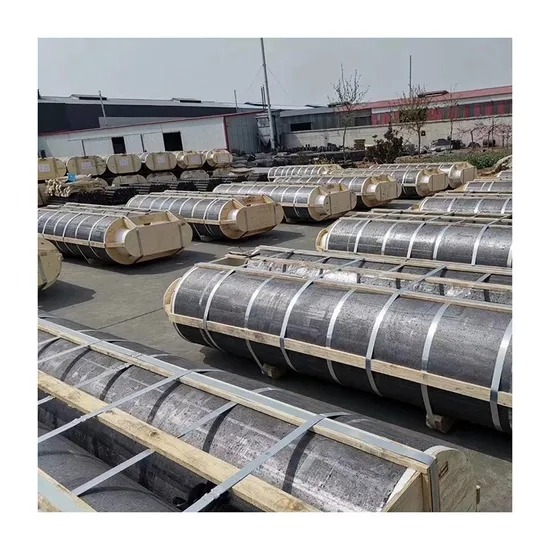
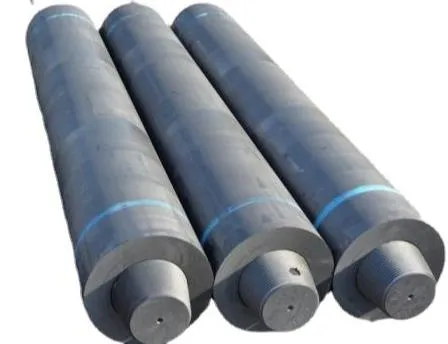
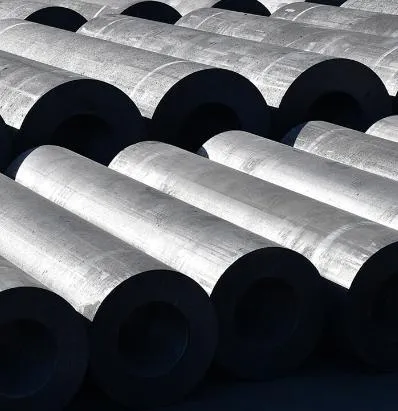
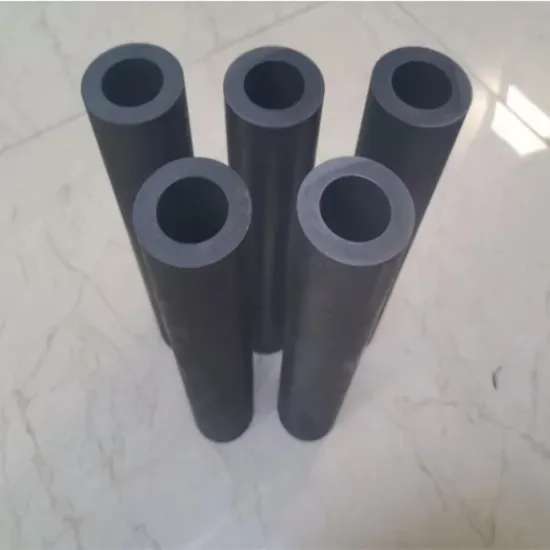
At its core, a graphite tube is a cylindrical component made from high-purity graphite — a form of carbon known for its remarkable thermal and electrical properties. Graphite’s unique structure allows it to handle temperatures exceeding 3000°C in non-oxidizing environments, making it ideal for furnaces, high-temperature reactors, and spectrographic analysis devices.
The extended thermal stability and relatively inert nature of graphite mean it doesn’t react easily with most metals and gases, preserving both the tube and the material being processed. This makes graphite tubes indispensable in high-temperature applications like inductively coupled plasma (ICP) systems, tube furnaces, and melting crucibles.
Key Properties of Graphite Tubes That Matter in High-Temperature Performance
Before selecting a graphite tube, it’s important to understand the key material properties that influence performance:
Thermal Conductivity
Graphite has exceptional thermal conductivity, allowing heat to distribute evenly along the tube’s length. Uniform heating prevents hotspots, which can lead to material stress and tube failure.
High Melting Point and Thermal Shock Resistance
Graphite does not melt easily and can withstand rapid temperature changes. This reliability under thermal cycling is vital for industrial processes that heat and cool repeatedly.
Purity and Chemical Stability
The level of carbon purity in a graphite tube directly affects its chemical inertness. Higher-purity tubes resist oxidation and contamination — especially crucial when processing metals or samples where purity is mandatory.
Mechanical Strength
While not as strong as metals, graphite’s strength is adequate for most high-temperature uses. More importantly, its resilience in extreme heat often outweighs mechanical concerns.
Understanding these properties helps engineers and technicians predict how a tube will react in real-world conditions, enabling them to match performance characteristics to operational needs.
Different Types of Graphite Tubes and Their Typical Uses
Not all graphite tubes are built the same. Manufacturers produce various types based on density, porosity, and purity. Choosing the appropriate type is essential.
High-Density Graphite Tubes
High-density graphite tubes are strong and less porous, which minimizes gas infiltration and structural wear. These tubes perform exceptionally well in industrial furnaces and high-temperature processing environments.
Fine-Grain Graphite Tubes
With a more uniform microstructure, fine-grain tubes offer better thermal shock resistance and surface finish. They’re often used in analytical instruments like spectrometers, where consistent performance and minimal contamination are critical.
Coated Graphite Tubes
Some graphite tubes are coated with protective layers (e.g., boron nitride) to enhance oxidation resistance. Coated tubes are ideal for use in oxidizing atmospheres or when processing reactive substances.
Each type has strengths and trade-offs, and matching these to your application will maximize performance and lifespan.
Considerations When Selecting a Graphite Tube for Your Application
Choosing the right graphite tube requires evaluation beyond just the temperature range. Here are the most important factors to weigh:
Operating Temperature and Environment
Determine the maximum temperature your process will reach and whether the environment is oxidizing or inert. Graphite performs best in inert or vacuum settings; in air at high temperatures, oxidation can degrade the tube unless protective measures are used.
Tube Geometry and Dimensions
Graphite tubes come in various lengths and diameters. Select dimensions that fit your furnace or instrument while allowing optimal heat distribution. Wall thickness also matters — thicker walls can increase durability but may slow heating rates.
Material Purity
Higher-purity graphite tubes reduce the risk of contamination and unwanted chemical reactions. For analytical or scientific applications, prioritize tubes with specified purity levels to protect the integrity of your results.
Manufacturing Quality
Irregularities in material structure, such as cracks or inclusions, can significantly shorten tube life. Always source graphite tubes from reputable manufacturers with strict quality control.
Cost vs. Longevity
While higher-quality tubes cost more upfront, they often offer longer lifespans and better performance, lowering total operating costs. Consider the application’s long-term demands rather than choosing solely based on price.
By systematically evaluating these factors, you can avoid common pitfalls such as premature tube failure, thermal distortion, or contamination of processed materials.
How to Maintain and Extend the Life of Your Graphite Tube
Even the best graphite tube can fail prematurely without proper care. Adhering to maintenance best practices ensures reliability and safety:
Proper Installation
Avoid physical stresses like bending or twisting when installing a graphite tube. Use appropriate fixtures and supports to prevent unnecessary strain.
Controlled Heating and Cooling
Thermal shock is a leading cause of tube damage. Use gradual temperature ramps during heating and cooling phases to extend tube life.
Atmosphere Management
Graphite oxidizes rapidly in the presence of oxygen at high temperatures. Where possible, use inert gases (like argon or nitrogen) or vacuum conditions to protect the tube’s surface.
Routine Inspection
Schedule regular checks for surface cracks, wear, or deformation. Early detection allows replacement before catastrophic failure.
Avoid Physical Contamination
Keep the tube and the surrounding area clean. Avoid touching graphite surfaces with bare hands, as oils and residues can lead to hotspots and premature damage.
Incorporating these maintenance habits into your operation significantly improves uptime and reduces replacement costs.
Case Studies: Choosing the Right Graphite Tube in Action
Industrial Furnace Application
An aerospace manufacturer needed graphite tubes for heat-treating titanium parts. The tubes had to withstand 2500°C in a controlled atmosphere. The solution involved high-density graphite tubes coated with oxidation-resistant material, providing prolonged service life and consistent heat distribution.
ICP Spectroscopy
A laboratory performing elemental analysis on trace metals needed tubes that would not contaminate samples. Fine-grain, high-purity graphite tubes were selected to ensure minimal interference and high analytical accuracy.
Both examples highlight how specific performance requirements (temperature tolerance, contamination risk, and environmental conditions) guide tube selection.
Final Thoughts: Matching Performance With Application Needs
Selecting the right graphite tube for high-temperature applications is not a one-size-fits-all decision. It requires understanding both the properties of graphite and the specific demands of your process. By considering factors such as operating temperature, chemical environment, tube geometry, and material purity, you can make an informed choice that improves performance and longevity.
Whether you’re outfitting a research lab or designing industrial heating systems, choosing the optimal graphite tube is a strategic decision that drives reliability, quality, and cost-effectiveness.
 Pervious
 Next
Next