


- Englist

Phone:
tel:+8615511858977

Email:
info@nalaibio.com


Бер 08 2026
Understanding Calcined Petroleum Coke Meaning and Industrial Applications
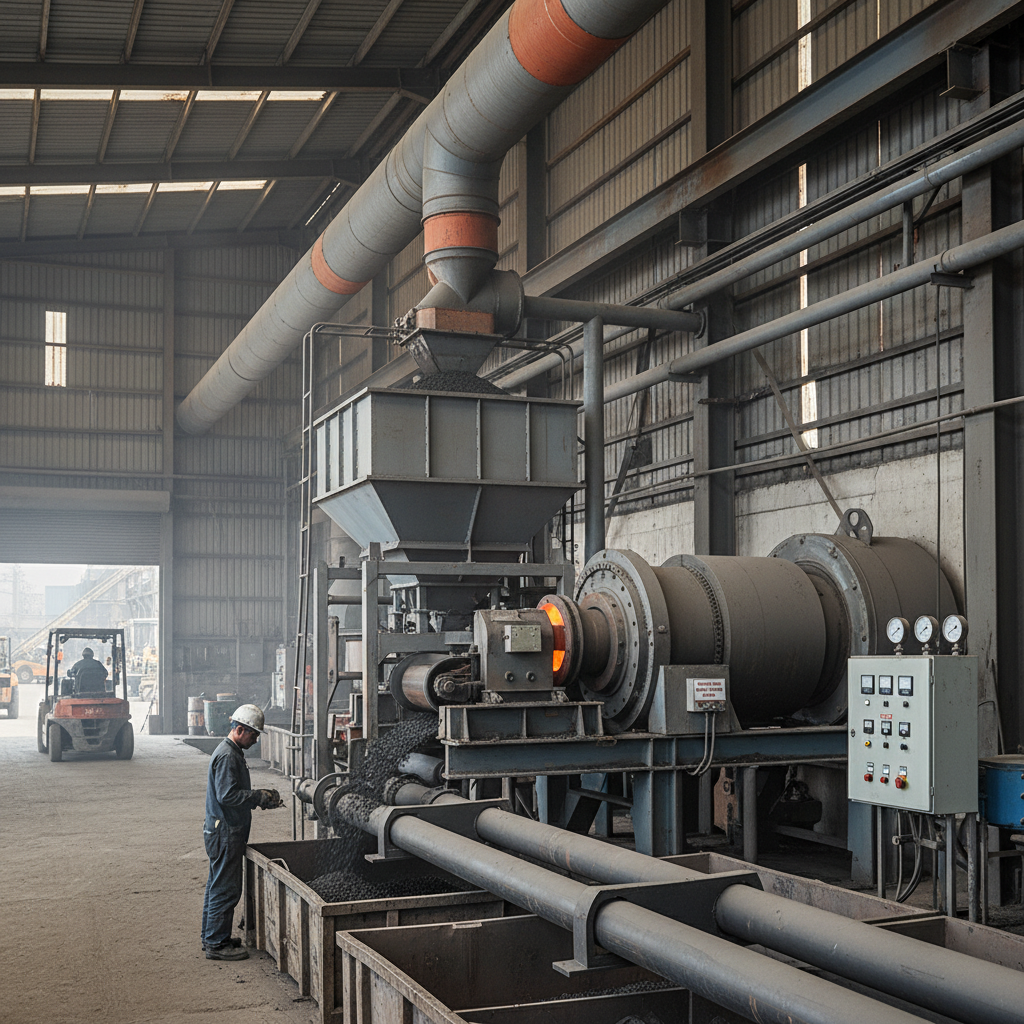
Calcined petroleum coke (CPC) is a crucial carbon material extensively used in various industries, including aluminum production, steelmaking, and titanium dioxide pigment manufacturing. Understanding its properties, production process, and applications is vital for professionals in these sectors. This article provides a comprehensive overview of calcined petroleum coke, delving into its meaning, uses, and key considerations. We’ll explore why it's a preferred material in demanding industrial processes, and highlight quality aspects to look for when sourcing. Calcined petroleum coke is a high-carbon, low-sulfur product derived from the final processing stages of crude oil refining. It's created by heating green petroleum coke, a raw byproduct of coking units, to extremely high temperatures (typically 1000-1400°C) in a controlled atmosphere. This process, known as calcination, removes volatile compounds, reduces moisture and hydrogen content, and increases the carbon purity and electrical conductivity of the coke.
View Details +
Бер 08 2026
Optimizing Cement Production through the Use of Petcoke in Cement Industry
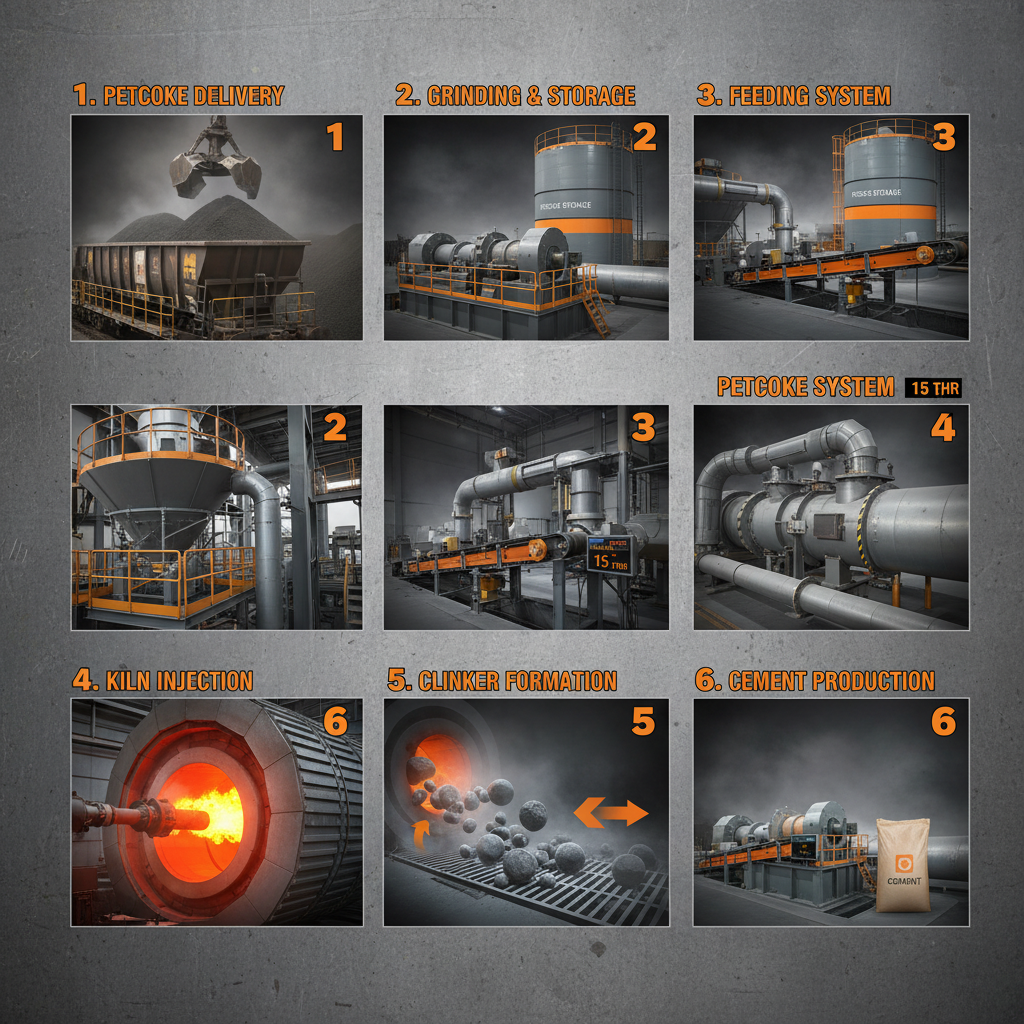
The cement industry, a cornerstone of global infrastructure, is constantly seeking ways to optimize production processes and reduce costs. One crucial aspect of this optimization is fuel selection for the kiln, the heart of cement manufacturing. Petroleum coke (petcoke), a byproduct of oil refining, has emerged as a significant alternative fuel source in the cement industry, offering economic and performance advantages. This article will delve into the details of petcoke utilization in cement production, covering its properties, benefits, challenges, and future outlook. Understanding the role of petcoke is essential for industry professionals aiming for efficiency and sustainability. Petcoke serves as a primary fuel source for the rotary kiln, providing the high temperatures necessary to initiate the chemical reactions that produce clinker – the key component of cement. Its high calorific value and lower cost compared to traditional fuels like coal make it an attractive alternative. This substitution helps reduce energy expenses and improves the overall economic viability of cement production. Petcoke offers a higher energy density than many alternative fuels and contributes to lower NOx emissions when properly burned. It is crucial to note that quality control and proper handling are vital for optimal performance and environmental compliance.
View Details +
Бер 08 2026
Understanding the Function of Petroleum Coke in Modern Industries
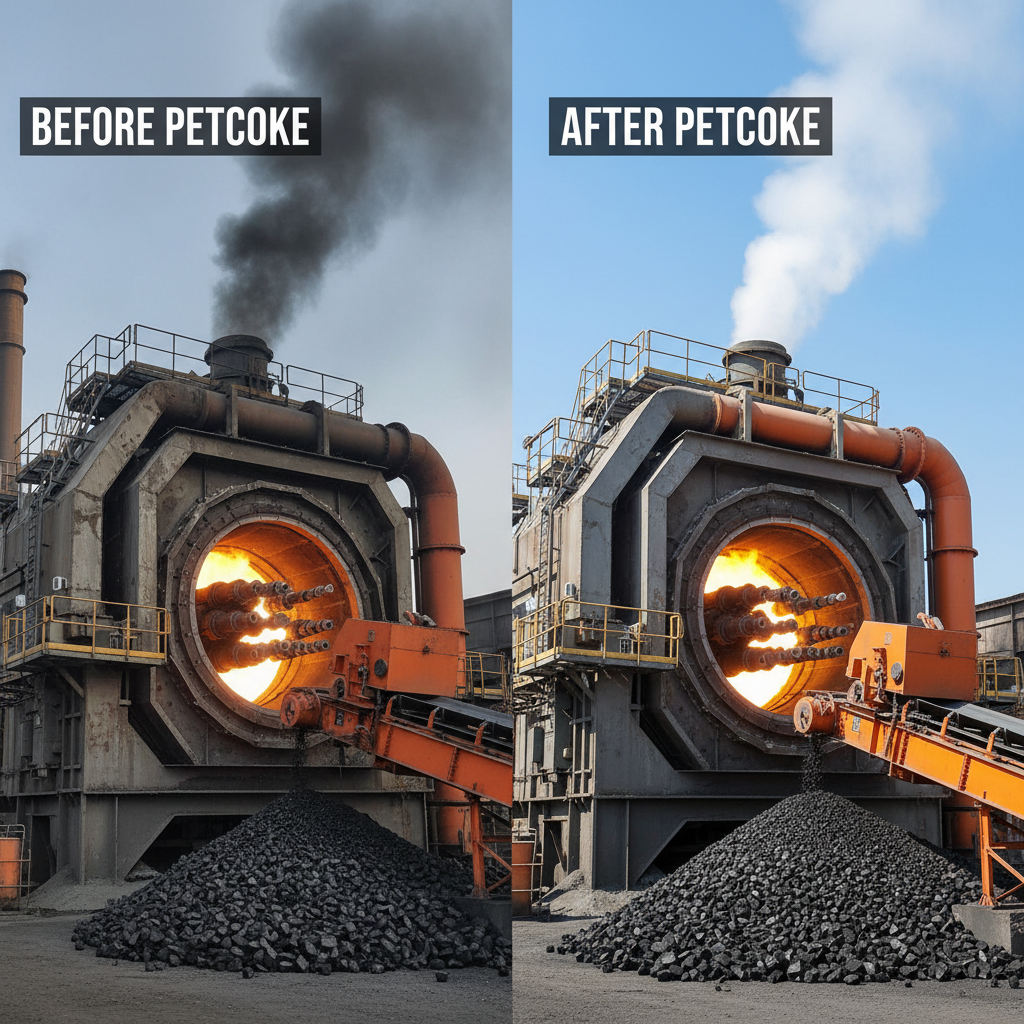
Petroleum coke, often shortened to petcoke, is a carbon-rich byproduct of oil refining. While it might not be a household name, it plays a crucial role in a surprising number of industries. Understanding its functions, different types, and applications is essential for those involved in energy, manufacturing, and materials science. This article will delve into the various roles of petcoke, from aluminum production to steelmaking and beyond. We'll also explore its properties and why it’s a valuable commodity globally. At its most basic, the primary function of petcoke is to serve as a solid carbon source. This carbon is vital in several industrial processes. The vast majority of petcoke (around 70%) is utilized in the aluminum industry. Here, it acts as the carbon anode in the electrolytic smelting process, consuming the carbon to reduce alumina to aluminum.
View Details +
Бер 08 2026
Comprehensive Guide to Calcined Petroleum Coke Used For Industrial Applications
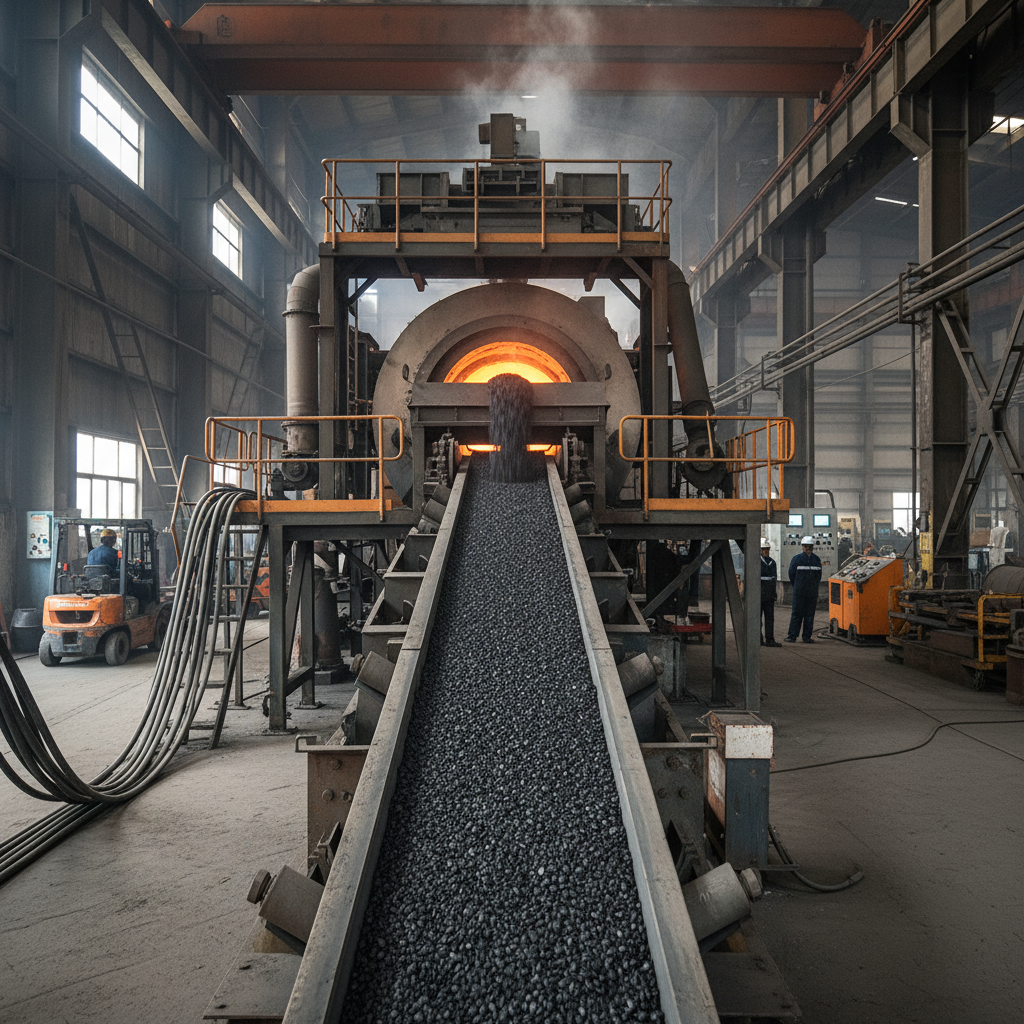
Calcined petroleum coke (CPC) is a crucial carbon material with diverse industrial applications. Its high carbon content, low ash and sulfur levels, and exceptional thermal properties make it invaluable in various processes. From aluminum production to steelmaking and titanium dioxide pigment manufacturing, understanding calcined petroleum coke and its uses is vital for businesses relying on these industries. This article delves into the properties, applications, grades, and market trends of CPC, providing a comprehensive overview for professionals and procurement specialists. Choosing the right grade of CPC is essential for optimal performance and cost-effectiveness in your specific application. CPC isn't directly sourced; it's manufactured. The process begins with green petroleum coke, a byproduct of oil refining. This 'green coke' undergoes calcination, a high-temperature treatment (typically 1000-1400°C) in a rotary kiln under controlled atmospheres.
View Details +
Бер 08 2026
Comprehensive Guide to Petroleum Coke Use and Industrial Applications
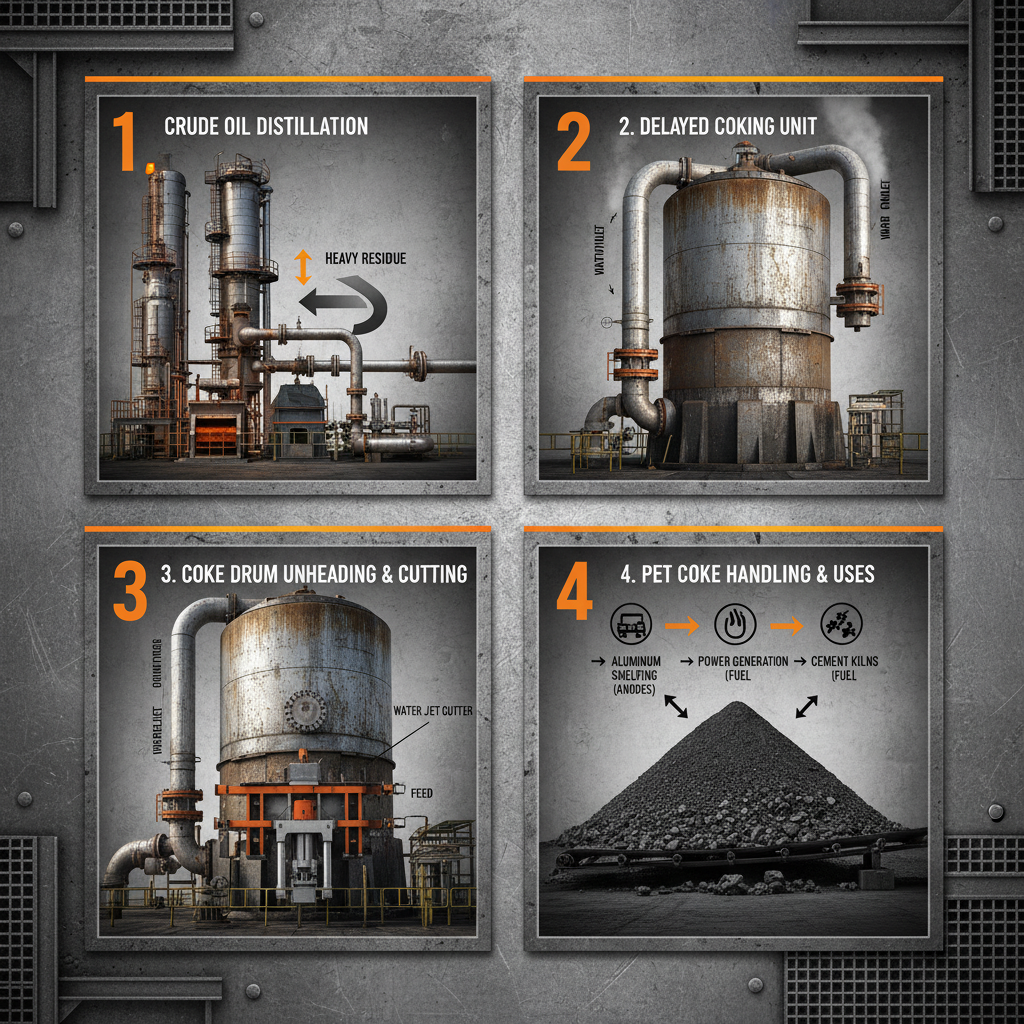
Petroleum coke, often shortened to petcoke, is a carbon-rich byproduct of oil refining. While sometimes viewed as a waste product, it boasts a wide range of industrial applications. Understanding its properties and uses is crucial for businesses operating in sectors like aluminum production, steel manufacturing, and more. This article delves into the diverse world of petroleum coke, exploring its production, grades, and applications. We'll also look at the key factors to consider when sourcing petcoke for your specific needs. Petroleum coke is a solid carbonaceous material derived from the final stages of oil refining, specifically the delayed coking process. During this process, heavy residual oil is heated to high temperatures, causing it to crack into lighter hydrocarbons and solid coke. This coke is then quenched, crushed, and screened to various sizes. There are primarily two types of petcoke: needle coke and sponge coke. Needle coke is characterized by its acicular (needle-like) structure and is primarily used in the production of graphite electrodes for the aluminum industry. Sponge coke, which has a more porous structure, finds applications in a wider range of industries, including power generation and cement manufacturing.
View Details +
Бер 08 2026
Comprehensive Guide to Coking in Petroleum Refining and Its Technological Advancements
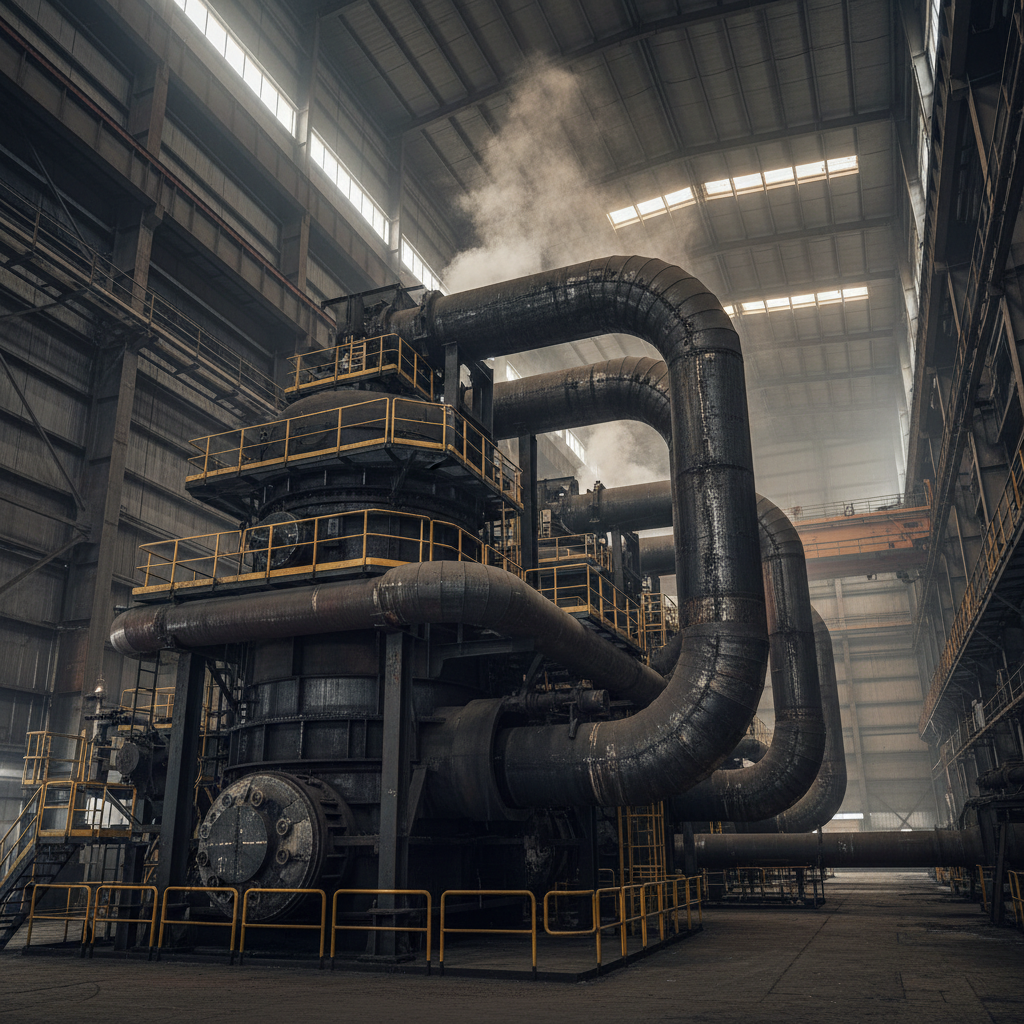
Coking is a crucial thermal cracking process in petroleum refining used to upgrade heavy residual oils into more valuable products like petroleum coke, gas oil, and lighter hydrocarbons. This process plays a vital role in maximizing refinery yields and meeting market demands for cleaner fuels. Understanding the intricacies of coking, its various types, and operational considerations is essential for professionals in the refining industry. We will explore the technology, benefits, and challenges associated with coking, providing a comprehensive overview of this fundamental refining process. At its core, coking involves heating heavy residual feedstocks to high temperatures (typically 480-520°C) in the absence of oxygen. This intense heat causes the large hydrocarbon molecules to break down into smaller, more volatile components. The solid carbon residue that remains is petroleum coke. There are several types of coking processes, each with its own advantages and disadvantages. Delayed coking, fluid coking, and flexicoking are the most common methods employed in refineries worldwide.
View Details +
Бер 08 2026
Exploring the Diverse Petcoke Uses Across Various Industries
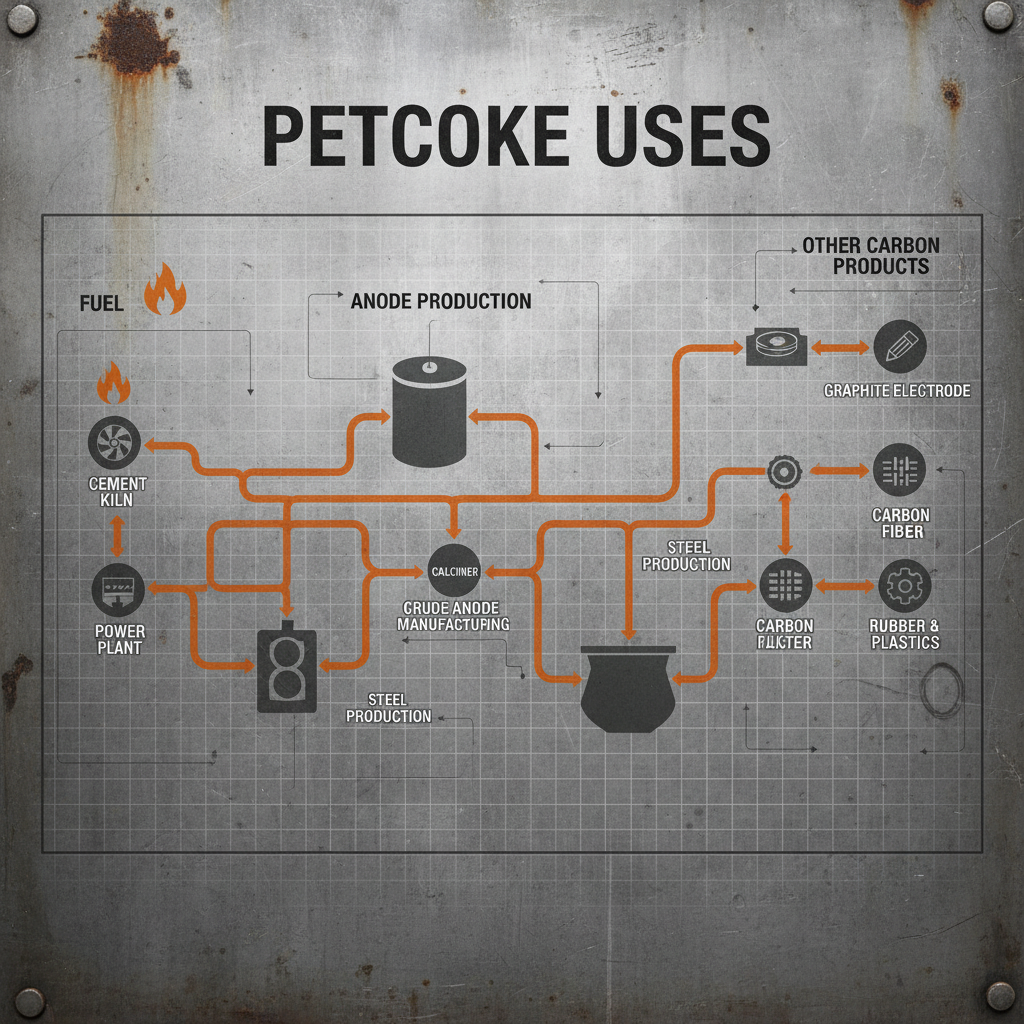
Petroleum coke, often shortened to petcoke, is a carbon-rich solid derived from oil refining. While often considered a byproduct, it possesses a remarkable range of petcoke uses across numerous industries. This article will delve into the properties, various applications, and environmental considerations surrounding this versatile material. Understanding its diverse roles is crucial for industries seeking cost-effective and high-performance carbon solutions. We’ll explore how petcoke’s unique characteristics contribute to its widespread adoption. Petcoke is characterized by its high carbon content (typically over 90%), low sulfur and ash levels, and high energy density. It exists in two primary forms: needle coke and sponge coke. Needle coke, with its acicular structure, is predominantly used in graphite electrode production. Sponge coke, possessing a porous structure, finds applications in fuel and other industrial processes.
View Details +
Бер 08 2026
Comprehensive Guide to Petcoke Production Processes and Industrial Applications
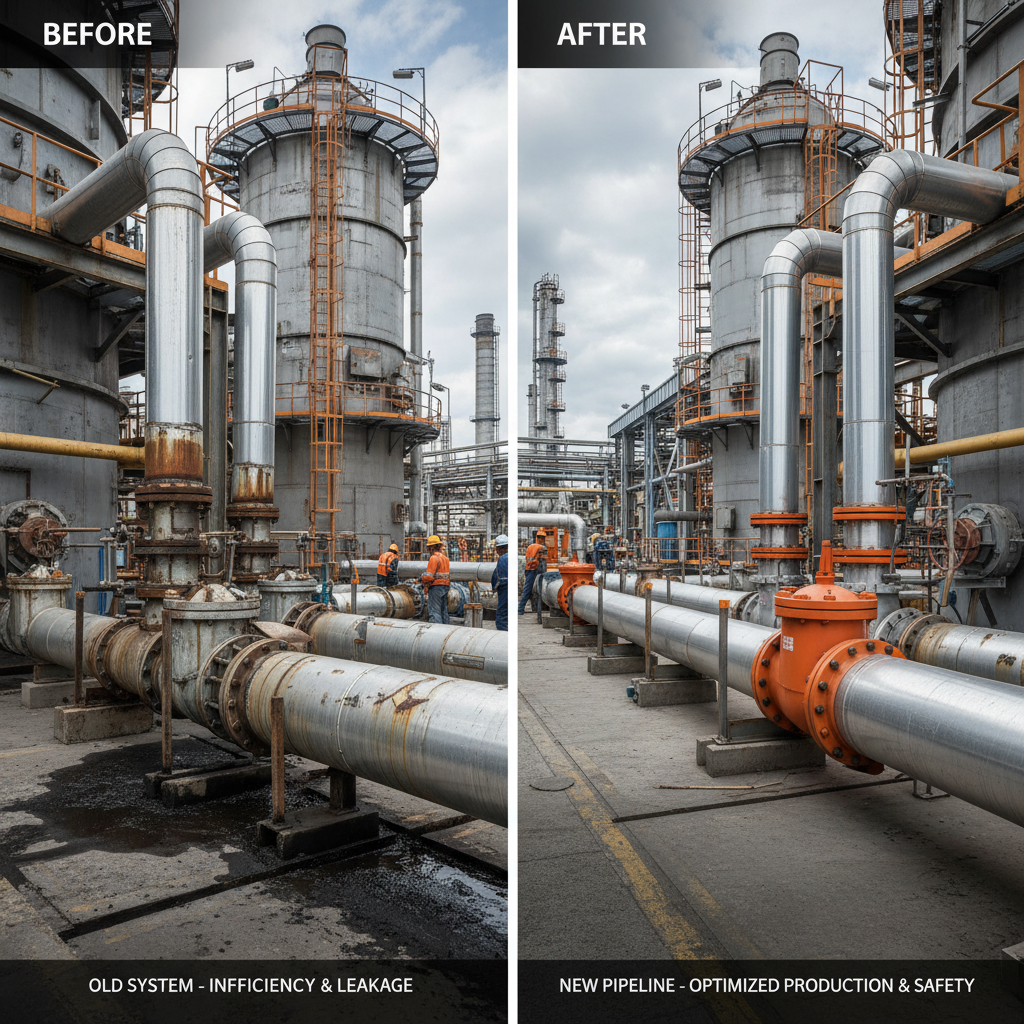
Petcoke, or petroleum coke, is a carbon-rich solid material derived from oil refining processes. It's a crucial component in various industrial applications, including aluminum production, steelmaking, and the manufacturing of electrodes. Understanding petcoke production, its types, and quality parameters is essential for businesses relying on this versatile material. This article will explore the petcoke production process, the different grades available, key applications, and factors influencing its market dynamics. We'll delve into the intricacies of sourcing high-quality petcoke to meet your specific industrial needs. Petcoke is a byproduct of the delayed coking process, a critical step in oil refining. During delayed coking, heavy residual oil is heated to extremely high temperatures, breaking down large hydrocarbon molecules into simpler forms. This process results in a solid carbon residue - petcoke – and lighter, more valuable fuels like gasoline and diesel. The raw petcoke undergoes further processing, including quenching, crushing, screening, and sometimes calcining, to achieve the desired properties.
View Details +
Бер 08 2026
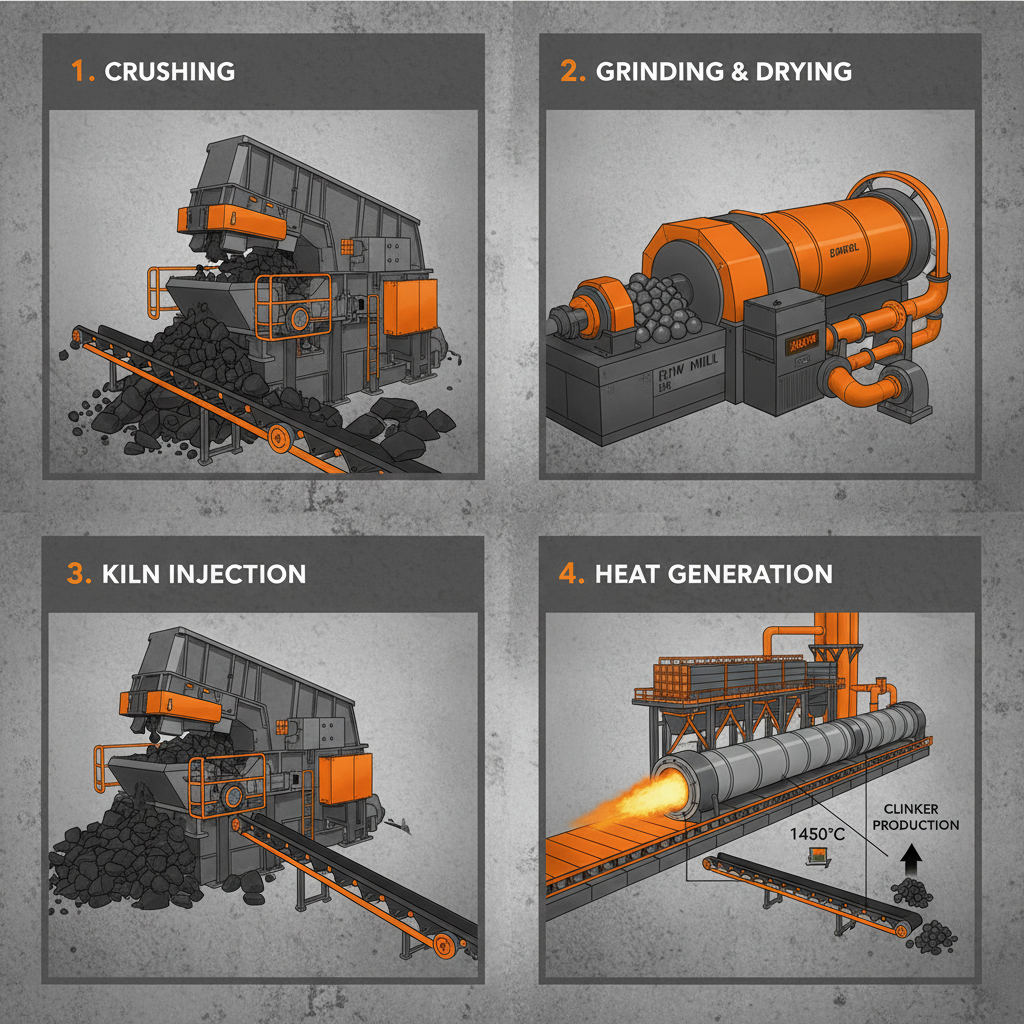
Petcoke Usage in Cement Industry Optimizing Fuel and Reducing Emissions
The cement industry is a significant consumer of energy and raw materials. Petcoke, a byproduct of oil refining, has emerged as a crucial alternative fuel and reducing agent in cement production, offering economic and environmental advantages. This article delves into the specifics of petcoke usage in the cement industry, exploring its benefits, challenges, and future trends. Understanding its application is essential for optimizing cement manufacturing processes and reducing carbon footprints. We'll explore its properties, its impact on cement quality, and the considerations for safe and efficient utilization. Petcoke, or petroleum coke, is a carbon-rich solid residue obtained from oil refining processes, specifically the cracking and coking of heavy crude oil. It's essentially a highly carbonaceous material with a relatively low sulfur content (depending on its source). The cement industry utilizes petcoke primarily as a fuel source for the kiln, where cement clinker is produced. Replacing traditional fuels like coal with petcoke offers several benefits, including higher calorific value, lower ash content, and, often, a lower cost.
View Details +

Бер 07 2026
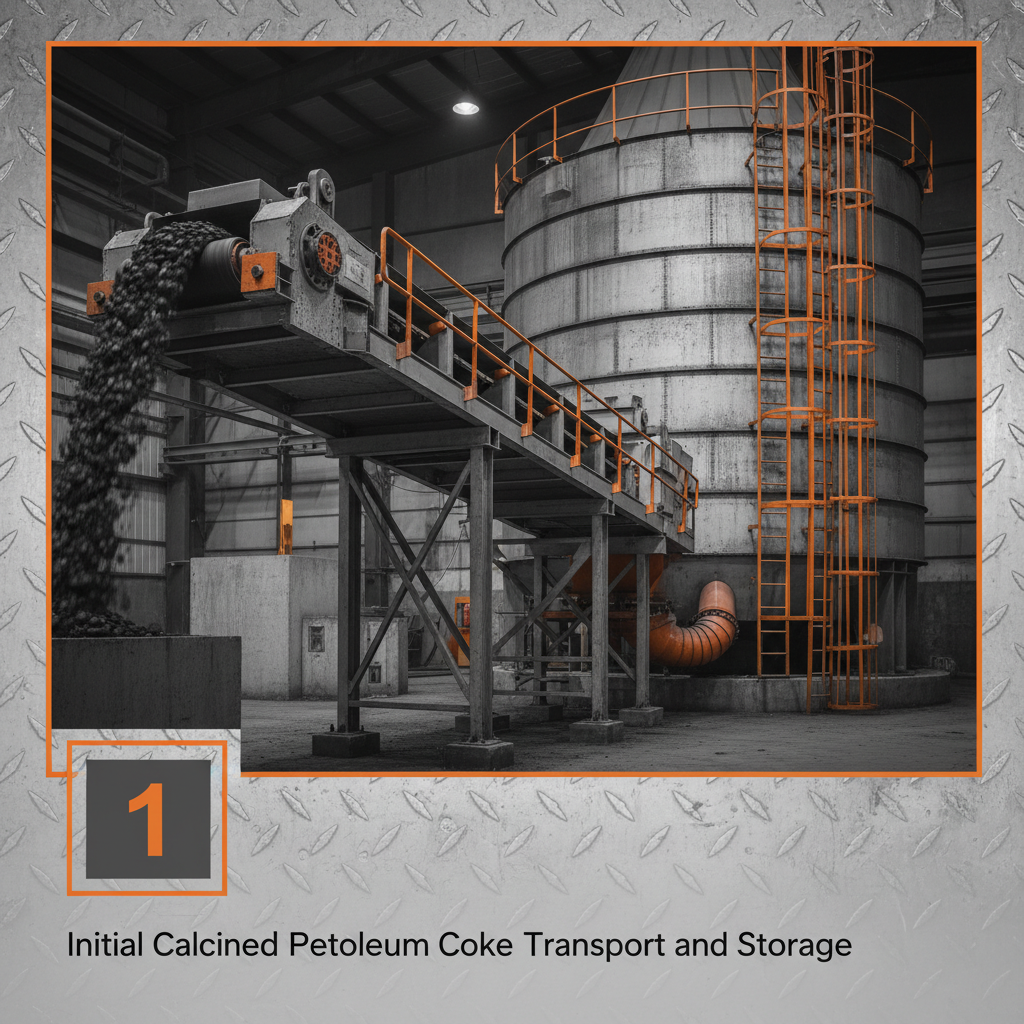
Pet Coke Use in Cement Industry Optimizing Efficiency and Sustainability
Petroleum coke (pet coke) has become an increasingly important alternative fuel and raw material in the cement industry. Its high calorific value and relatively low cost make it an attractive option for reducing energy costs and emissions. However, its use also presents environmental and operational challenges. This article will explore the benefits, drawbacks, and best practices related to pet coke utilization in cement manufacturing, highlighting its impact on efficiency and sustainability. We will discuss the implications for cement producers looking to optimize their operations and reduce their environmental footprint. The primary advantage of using pet coke in cement production lies in its cost-effectiveness. Compared to traditional fuels like coal, pet coke often offers significant savings, particularly in regions where coal prices are high. Furthermore, pet coke boasts a higher calorific value than many other fossil fuels, meaning less fuel is needed to achieve the same level of heat output.
View Details +
Бер 07 2026
Comprehensive Guide to Calcined Petroleum Coke Usage and Industrial Applications
Calcined petroleum coke (CPC) is a crucial carbon material derived from the delayed coking process of petroleum refining. Its unique properties make it indispensable across several industries. Understanding calcined petroleum coke usage is vital for optimizing processes and ensuring product quality. This article will explore its applications, benefits, and considerations for effective implementation. The demand for high-quality CPC continues to grow, driven by its versatility and performance advantages. Calcined petroleum coke is produced by heating raw petroleum coke (green coke) to high temperatures (typically 1000-1400°C) in a controlled atmosphere. This process removes volatile compounds, reduces sulfur content, and increases the carbon content, resulting in a material with enhanced electrical conductivity and thermal stability. The resulting CPC is typically available in various grades, categorized by its sulfur content, particle size, and other characteristics. Choosing the right grade for a specific application is crucial for optimal performance. CPC’s diverse properties lend itself to a wide range of applications. The aluminum industry is a primary consumer, utilizing it in the production of anodes for aluminum smelting. Other significant uses include steelmaking, titanium dioxide pigment production, and the manufacturing of graphite electrodes.
View Details +

Бер 07 2026
Comprehensive Guide to Calcined Coke Uses and Industrial Applications
Calcined coke, a crucial carbon-based material, plays a significant role across numerous industrial applications. It’s created by heating green coke (petroleum coke) to high temperatures, removing volatile components and increasing its carbon content. This process results in a material with enhanced strength, low ash content, and high electrical conductivity. Understanding its properties and applications is vital for sourcing the right material for your specific needs. At NL Graphite, we specialize in providing high-quality calcined coke tailored to diverse industrial demands. Calcined coke isn't simply "cooked" coke. The calcination process is a deliberate refinement. Green coke, a byproduct of oil refining, undergoes a carefully controlled heating process in the absence of oxygen. This typically involves temperatures between 1000°C and 1400°C. The heating volatilizes hydrocarbons, sulfur compounds, and other impurities, increasing the fixed carbon content – typically to over 90%. The resultant material boasts improved hardness, strength, and reduced reactivity, making it ideal for demanding industrial applications.
View Details +
Related Products



Social Media
Copyright © 2026 Shijiazhuang nalai biotechnology Co., Ltd All Rights Reserved. Sitemap | Privacy Policy


