


- Englist

Phone:
tel:+8615511858977

Email:
info@nalaibio.com


মার্চ 10 2026
Understanding the Pet Coke Manufacturing Process and Industrial Applications
Petroleum coke (pet coke) is a carbon-rich solid derived from the final stage of crude oil refining. It’s a crucial byproduct used in various industrial applications, including aluminum production, steel manufacturing, and power generation. Understanding the pet coke manufacturing process is vital for appreciating its quality, properties, and efficient utilization. This article provides a detailed exploration of the process, from feedstock to final product, highlighting key stages and quality control measures. We’ll explore how NL Graphite contributes to the efficient and responsible production of pet coke. The primary feedstock for pet coke production is residue, the heaviest fraction remaining after crude oil distillation. This residue undergoes further processing in delayed coking units. Delayed coking involves heating the residue to high temperatures (around 480-520°C or 900-970°F) under low pressure. This thermal cracking process breaks down large hydrocarbon molecules into smaller ones, producing gaseous hydrocarbons and a solid carbonaceous material – green pet coke. This initial step is crucial as it determines the initial quality and yield of the final product.
View Details +
মার্চ 10 2026
Comprehensive Guide to Pet Coke Specifications and Industrial Applications
Petroleum coke, often shortened to "pet coke," is a carbon-rich solid derived from oil refining processes. It's a crucial material in several industries, including aluminum production, steelmaking, and cement manufacturing. Understanding the pet coke specifications is essential for ensuring quality, efficiency, and compliance. This article provides a detailed overview of these specifications, covering key parameters, quality control, and industry standards. We will explore the different grades of pet coke and their applications, helping you make informed decisions for your specific needs. Several factors define the quality and suitability of pet coke for different applications. These pet coke specifications include moisture content, sulfur content, ash content, fixed carbon, volatile matter, and metal content. Moisture content is critical, as high moisture levels reduce heating efficiency and can cause handling problems. Sulfur content is a major concern due to environmental regulations related to sulfur dioxide emissions.
View Details +
মার্চ 10 2026
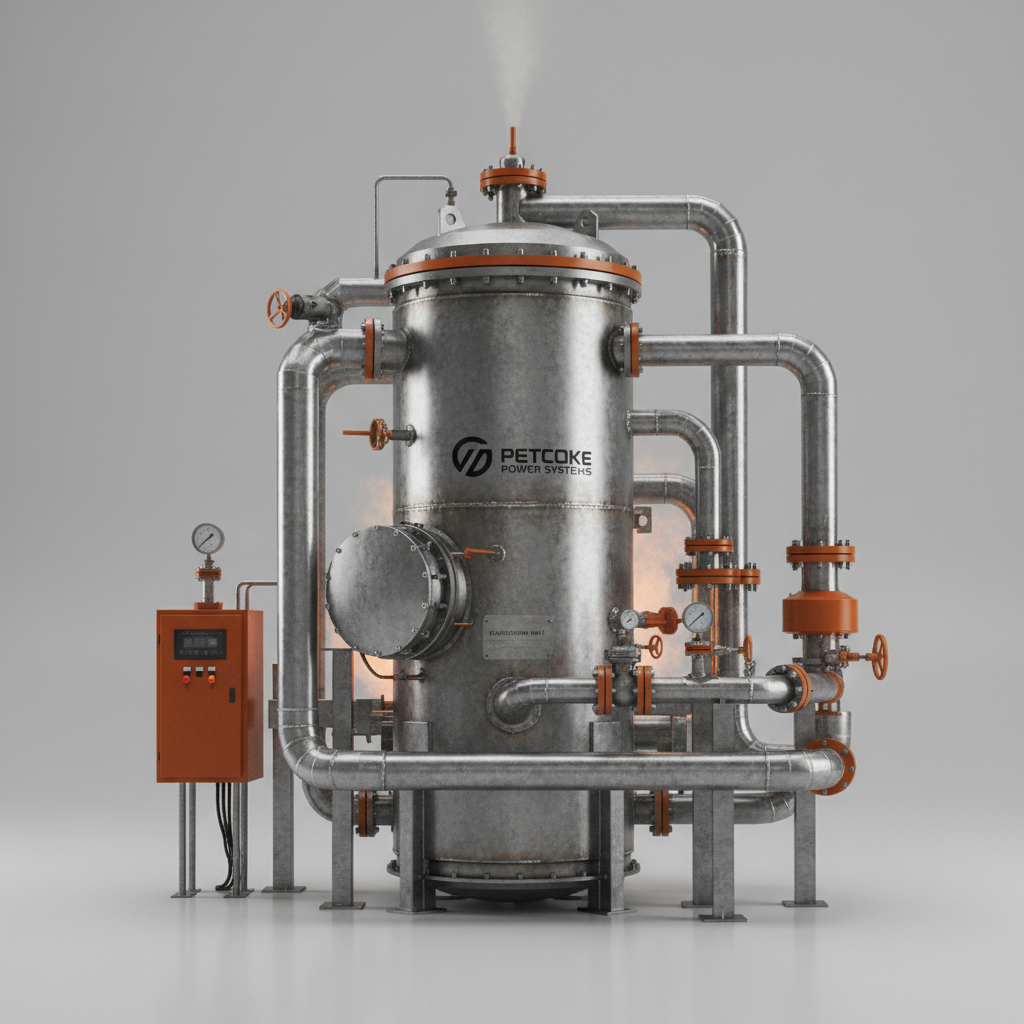
Advancements in Petcoke Gasification for Sustainable Energy Production
Petcoke gasification is a crucial process in modern industrial applications, offering a pathway to convert petroleum coke – a byproduct of oil refining – into valuable synthesis gas (syngas). This syngas can then be utilized for power generation, chemical production, and hydrogen manufacturing. Understanding the intricacies of petcoke gasification is essential for businesses looking to optimize resource utilization and reduce their environmental footprint. This article will delve into the process, its benefits, challenges, and the role of graphite in enhancing efficiency. As demand for cleaner energy solutions rises, petcoke gasification will undoubtedly become increasingly important. Petcoke gasification isn't simply 'burning' petcoke. It's a thermochemical process where petcoke reacts with a gasifying agent – typically oxygen, steam, or air – at high temperatures (typically 800-1600°C) to produce syngas. Syngas is a mixture primarily of carbon monoxide (CO) and hydrogen (H₂), along with smaller amounts of carbon dioxide (CO₂) and other gases.
View Details +
মার্চ 09 2026
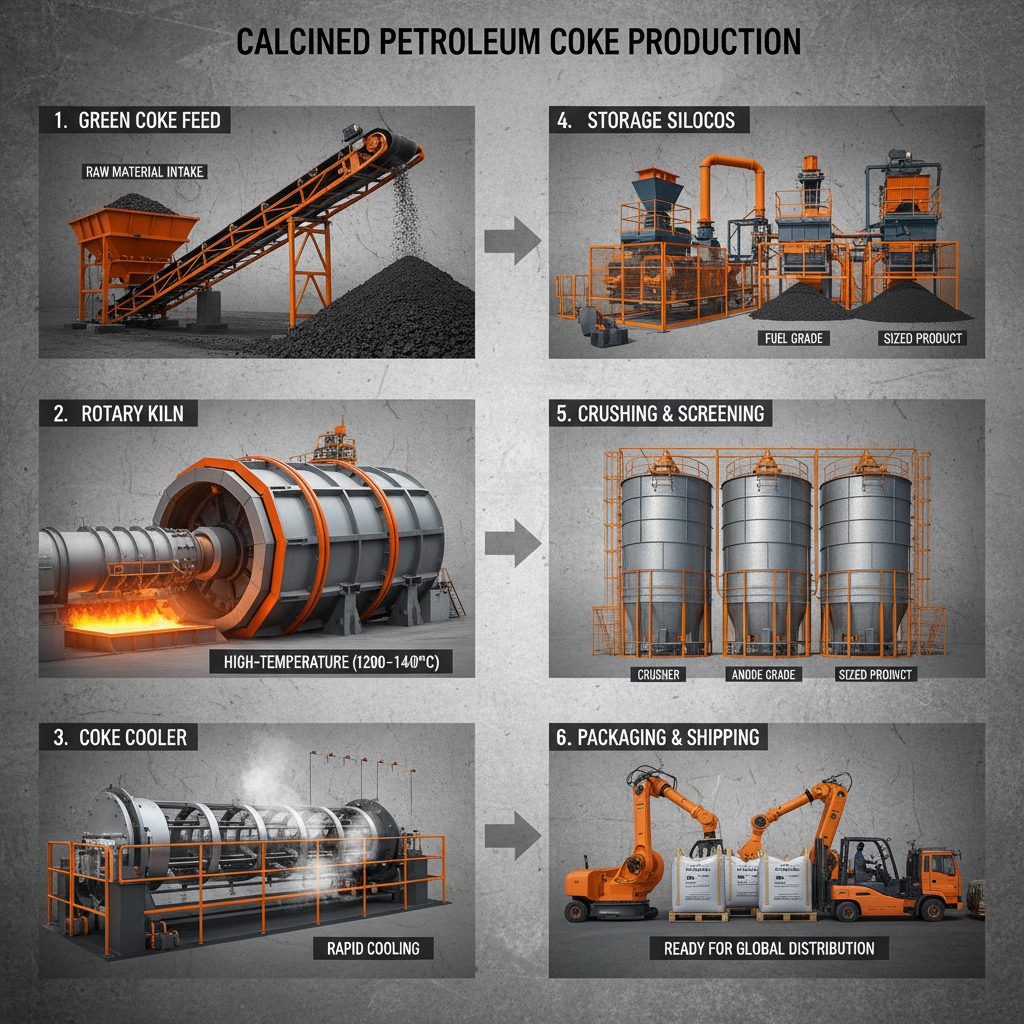
Global Calcined Petroleum Coke Manufacturers in World A Comprehensive Guide
Calcined Petroleum Coke (CPC) is a crucial carbon material used in various industrial applications, including aluminum production, steel manufacturing, and titanium dioxide pigment production. Selecting a reliable calcined petroleum coke manufacturer is vital for ensuring consistent quality and supply. This article provides an in-depth look at the global landscape of CPC manufacturers, key considerations when choosing a supplier, and emerging trends in the industry. We will explore the leading players and crucial factors influencing the CPC market. CPC is produced through the delayed coking process in oil refineries, followed by calcination, which removes volatile components. This results in a highly carbonaceous material with low sulfur content and high fixed carbon. Its primary use is as an anode material in the aluminum smelting process, providing the electrical conductivity needed for electrolysis. It’s also a key component in the production of steel, serving as a carbon raiser and deoxidizer. Additionally, CPC is essential in manufacturing titanium dioxide pigment, a widely used whitening agent in paints, plastics, and paper.
View Details +
মার্চ 09 2026
Understanding Calcining Coke Production Properties and Industrial Applications
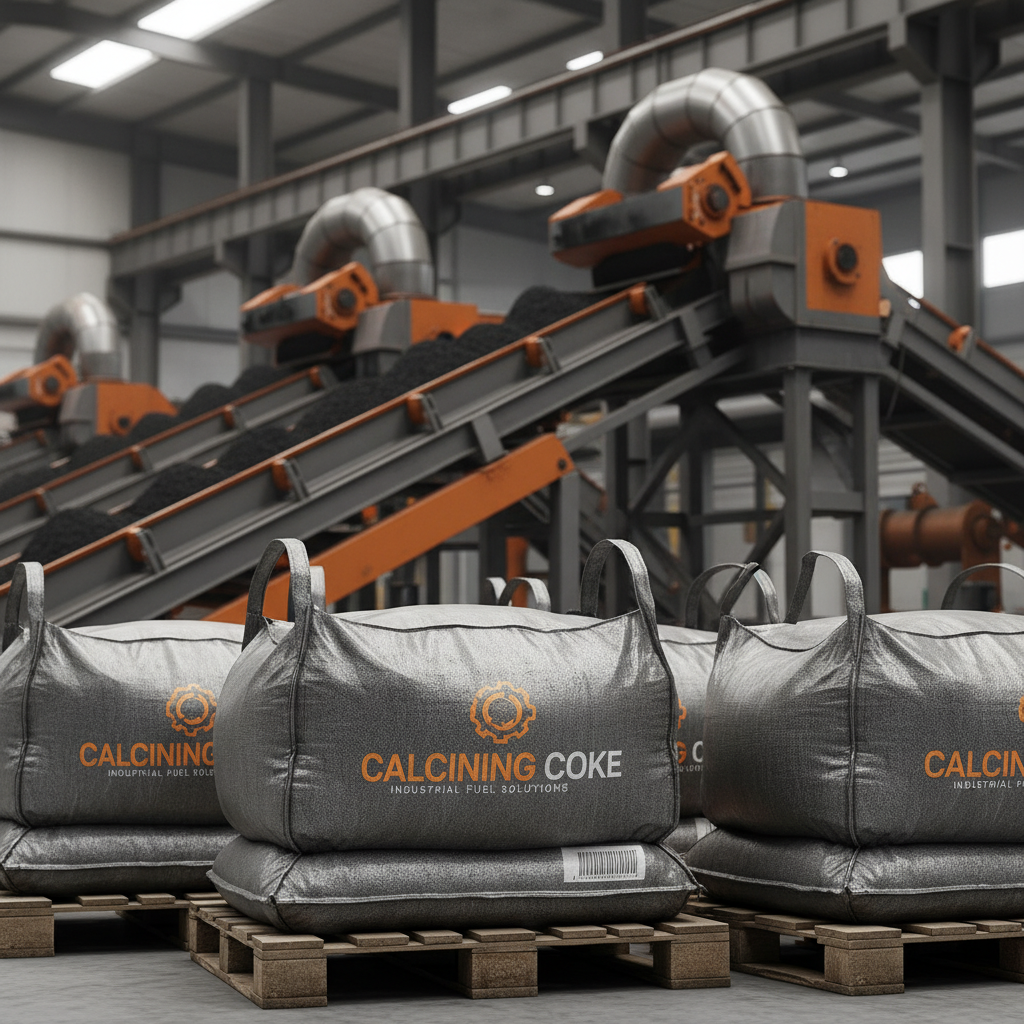
Calcining coke is a crucial carbon-based material extensively used in various industrial applications, particularly in the metallurgical industry. It's produced through a controlled heating process of green coke, removing volatile components and increasing its carbon content and strength. This article will comprehensively explore the production process, key properties, different grades, and diverse applications of calcining coke. Understanding these aspects is essential for optimizing processes and ensuring quality in industries relying on this vital material. NL Graphite is a trusted provider of high-quality calcining coke. The production of calcining coke begins with green coke, a byproduct of coal coking. Green coke contains significant amounts of volatile matter, which needs to be removed to enhance its quality. The calcining process involves heating green coke in a closed retort or rotary kiln under controlled conditions, typically between 800°C and 1100°C, in the absence of oxygen. This process drives off the remaining volatile compounds, increasing the fixed carbon content, and improving the mechanical strength.
View Details +
মার্চ 09 2026
Exploring the Diverse Types of Petroleum Coke and Their Industrial Applications
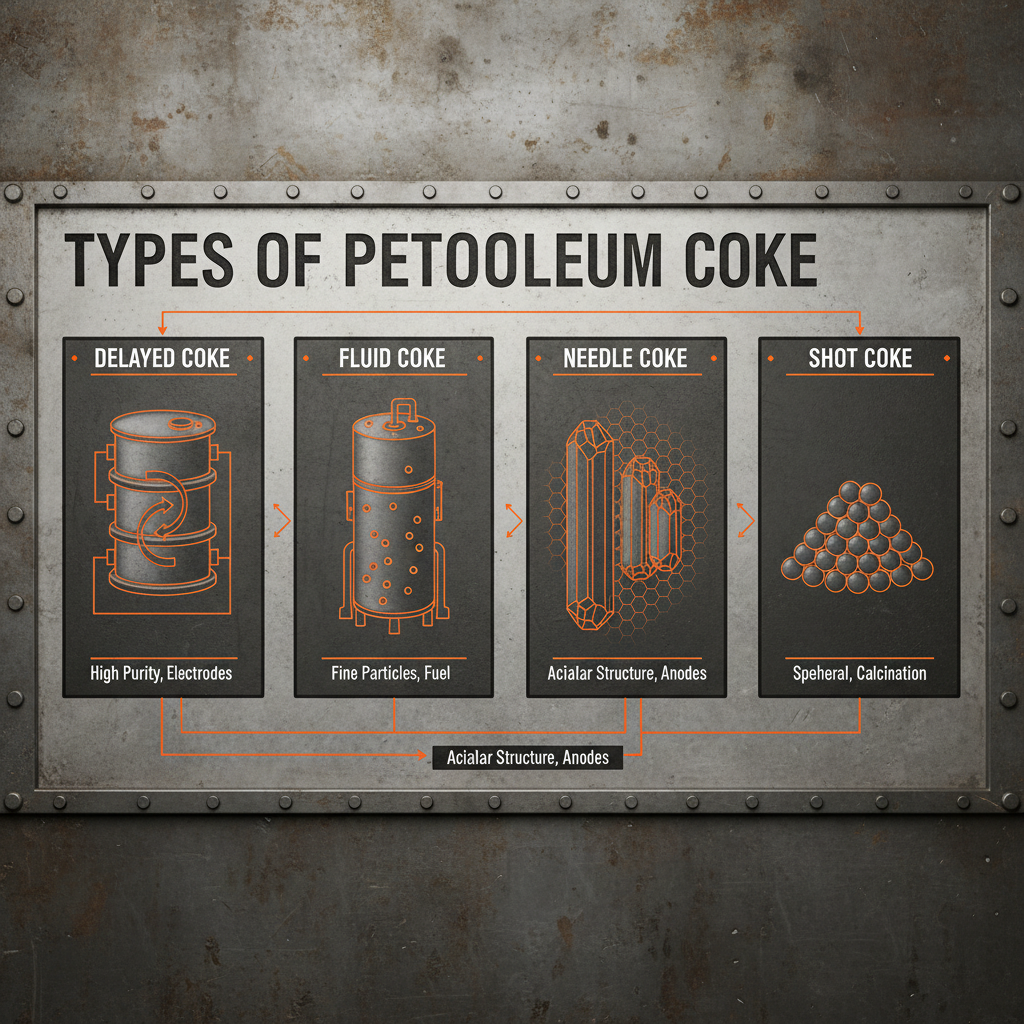
Petroleum coke, often referred to as petcoke, is a carbon-rich solid material derived from the refining of crude oil. It's a versatile product utilized in a vast array of industrial applications, from aluminum production to steelmaking and beyond. However, not all petcoke is created equal. Different processes and feedstocks result in varying petroleum coke types, each possessing unique characteristics and suitability for specific purposes. This article will explore the primary types of petcoke, outlining their properties, manufacturing processes, and common applications. Understanding these distinctions is crucial for informed sourcing and optimal utilization. Delayed coking is the most prevalent method for producing petcoke. This process involves heating heavy oil residues at high temperatures in a coke drum under pressure. As the oil cracks, it forms coke and lighter gases. The coke is then quenched with water, cut into manageable pieces, and dried. Delayed coke typically contains 85-99% fixed carbon and exhibits good strength and electrical conductivity. It’s widely used as a fuel in power plants and cement kilns, and as a carbon source in aluminum smelting.
View Details +
মার্চ 09 2026
Understanding the Difference Between Petcoke and Coal Fuels and Their Applications
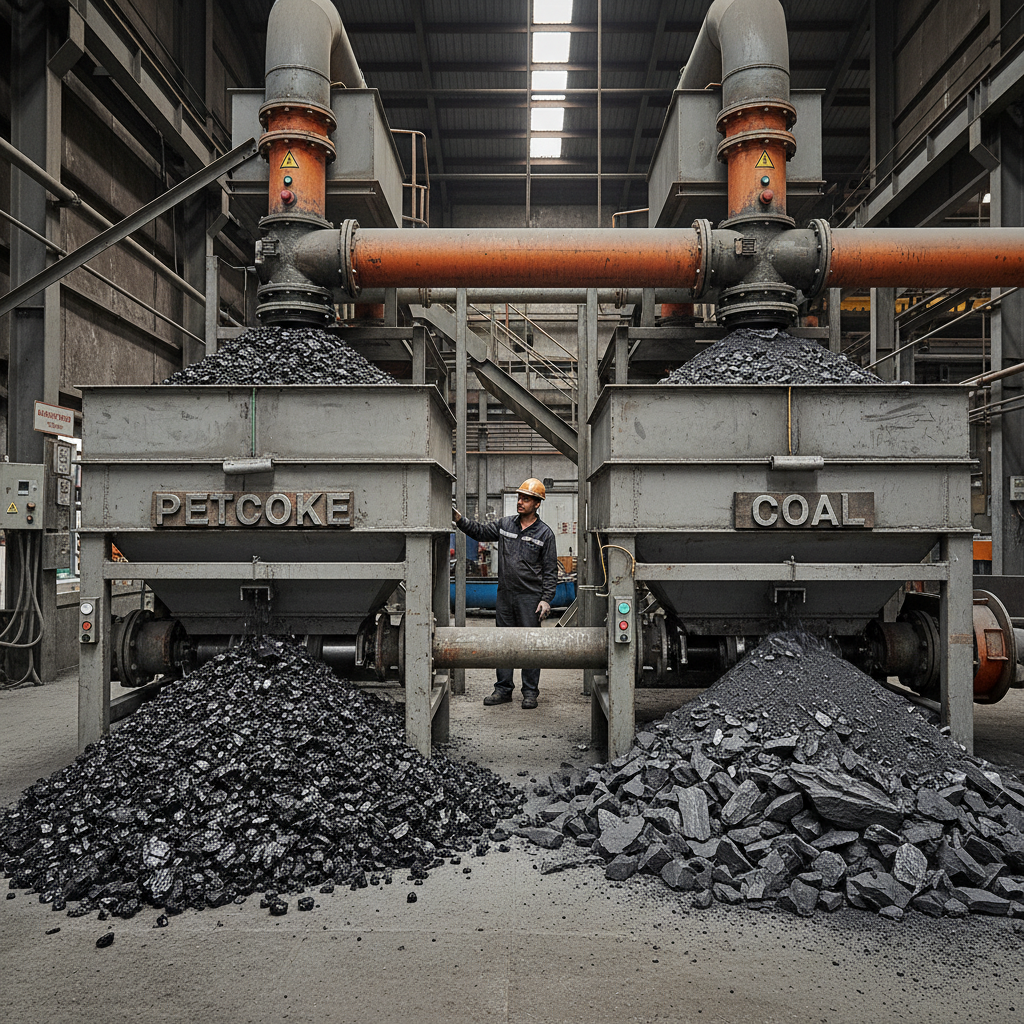
Petcoke and coal are both carbon-rich materials used as fuels, but they differ significantly in their origin, properties, and applications. Understanding these differences is crucial for industries relying on these resources. Petcoke, a byproduct of oil refining, provides a higher energy content than many types of coal. NL Graphite specializes in graphite production, serving industries dependent on carbon-based materials like petcoke and coal. This article dives into a detailed comparison, clarifying their respective advantages and disadvantages. Petcoke, short for petroleum coke, is a solid carbonaceous material derived from the final stage of the oil refining process. It's a byproduct of coking, where heavy petroleum residues are cracked and processed into lighter, more valuable products like gasoline and diesel. The remaining residue is then heated to extremely high temperatures, resulting in petcoke. There are two main types: needle coke and sponge coke. Needle coke is used in the production of graphite electrodes for the aluminum industry, while sponge coke is primarily used as a fuel. Compared to coal, petcoke generally exhibits a higher carbon content and lower levels of sulfur and ash, contributing to cleaner combustion.
View Details +
মার্চ 09 2026
Comprehensive Guide to Raw Petroleum Coke Specification and Quality Control
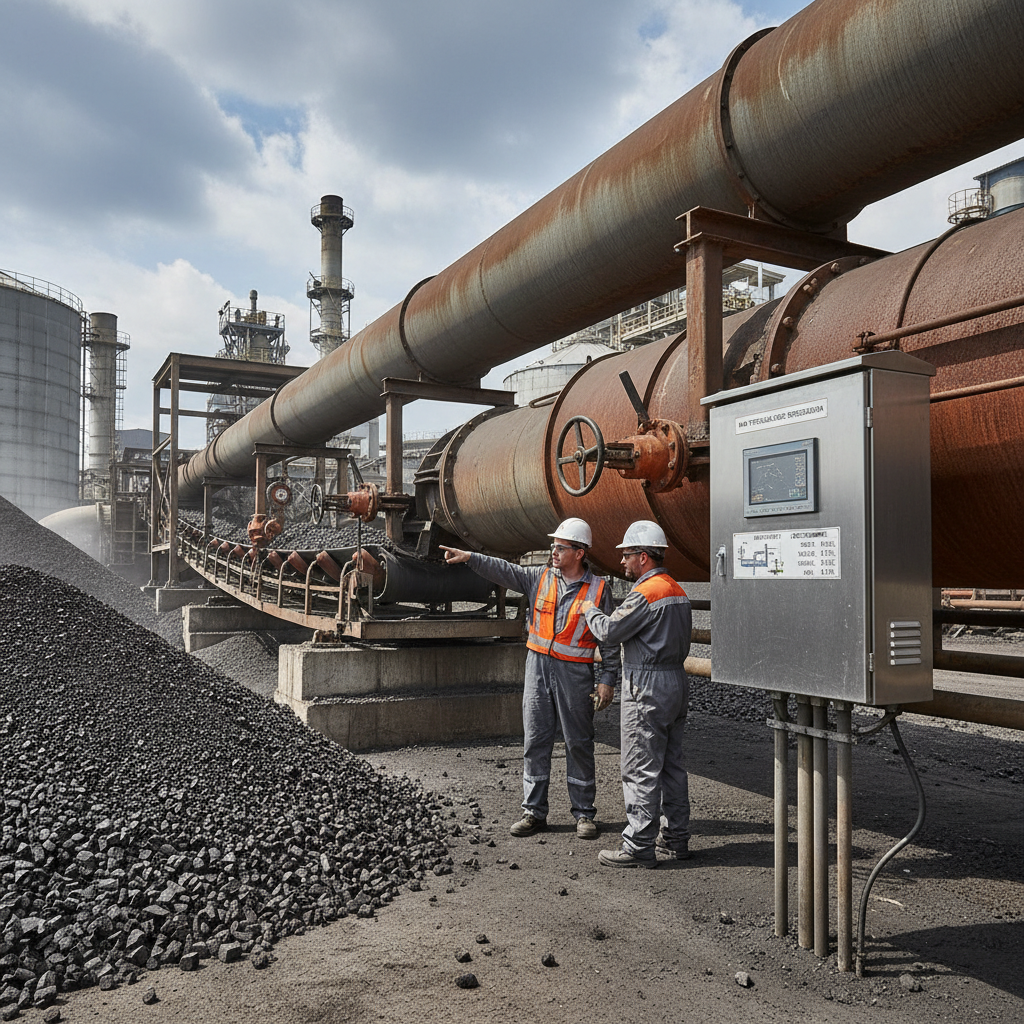
Raw Petroleum Coke (RPC) is a crucial carbon material derived from the refining of crude oil. Widely used in aluminum, steel, and titanium production, understanding its specifications is vital for buyers and users alike. This article dives deep into the details of raw petroleum coke specification, covering its properties, grades, quality control, and key considerations when sourcing from suppliers like NL Graphite. Proper specification ensures optimal performance in downstream applications and avoids costly issues. Raw petroleum coke (RPC) is the carbon-rich solid residue produced during the oil refining process, specifically from delayed coking units. It's a cost-effective source of carbon, making it invaluable in several industries. The quality of RPC varies significantly depending on the crude oil source and the refining process employed. Key characteristics that define RPC quality include its carbon content, sulfur content, moisture content, ash content, and particle size distribution.
View Details +
মার্চ 09 2026
Exploring the Diverse Types of Petcoke and Their Industrial Applications
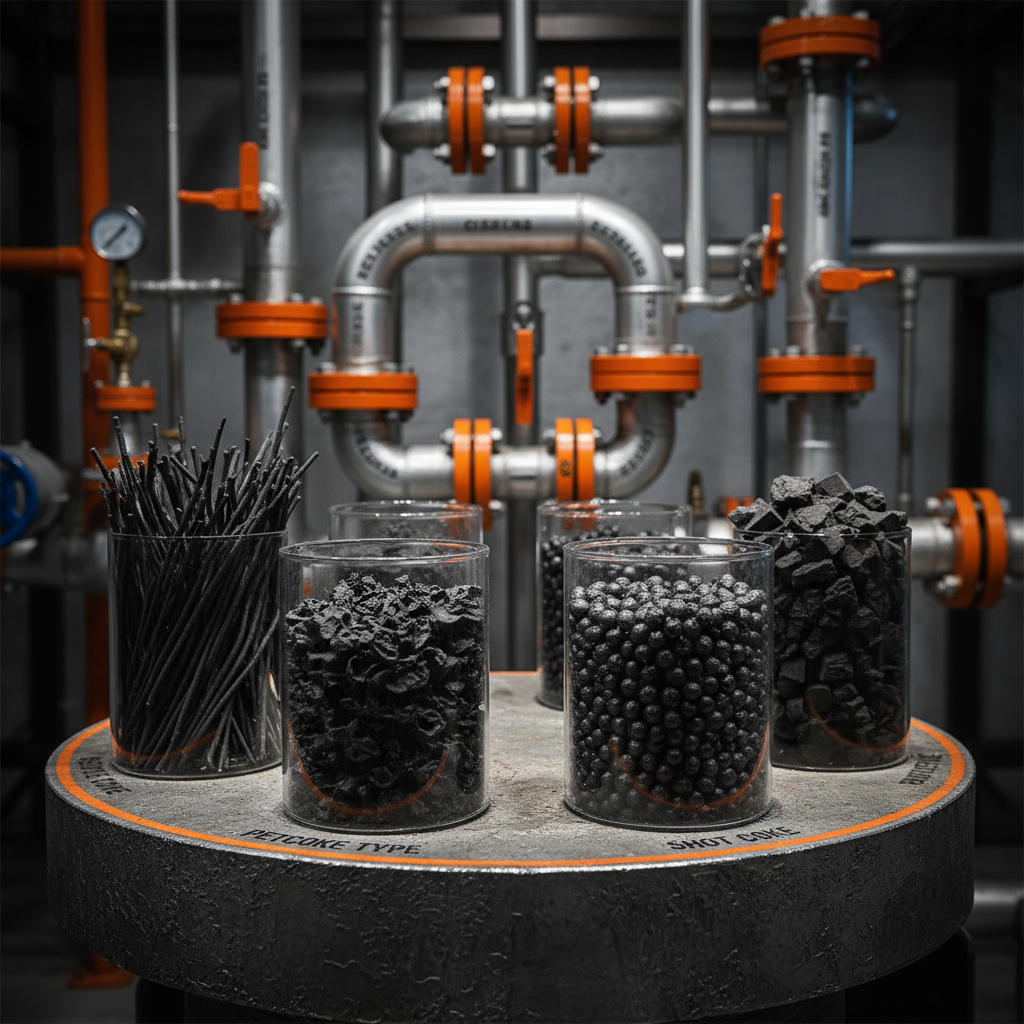
Petroleum coke, commonly known as petcoke, is a carbon-rich solid derived from oil refining. It's a versatile material with numerous industrial applications, ranging from aluminum production to steelmaking. However, not all petcoke is created equal. Different processes and feedstocks result in varying petcoke types, each with unique properties and suitability for specific applications. This article will explore the primary types of petcoke, detailing their characteristics, production methods, and common uses. Understanding these distinctions is crucial for selecting the optimal petcoke grade for your needs. The two main classifications of petcoke are green petcoke and calcined petcoke. Green petcoke is the initial product directly from the coker unit, containing approximately 8-12% volatile matter, sulfur, and moisture. It's relatively soft and possesses a lower carbon content. Conversely, calcined petcoke undergoes a high-temperature heating process (calcination) to remove these volatile components, resulting in a harder, more carbon-rich material with enhanced purity and electrical conductivity.
View Details +
মার্চ 09 2026
Comprehensive Guide to Pet Coke Specifications PDF and Quality Control Measures
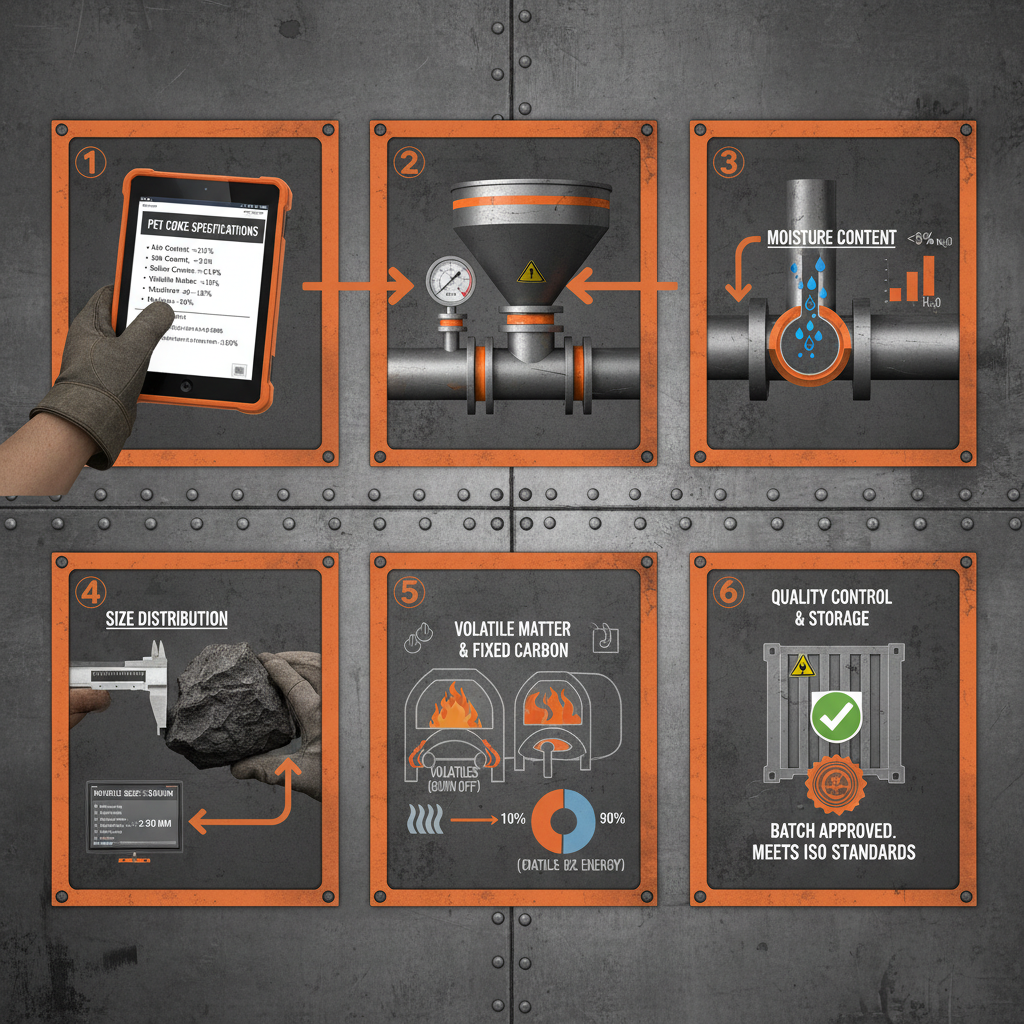
Understanding pet coke specifications PDF documents is crucial for businesses involved in industries like aluminum smelting, power generation, and cement manufacturing. This guide provides a detailed overview of these specifications, their importance, and how to interpret them. We will explore key parameters, quality control measures, and where to find reliable petroleum coke sourcing, including information from NL Graphite.Petroleum coke, or "pet coke," is a carbon-rich solid byproduct of oil refining. It’s a valuable fuel and raw material due to its high carbon content and energy density. However, its quality can vary significantly depending on the refining process and the source crude oil. Therefore, stringent pet coke specifications are essential for ensuring consistent performance and preventing operational problems. These specifications address key characteristics like sulfur content, metal content, moisture levels, and particle size, directly impacting combustion efficiency and potential environmental emissions. Key Benefits of Adhering to Specifications: Consistent fuel quality, optimized combustion, reduced emissions, minimized equipment wear, and compliance with environmental regulations. A typical pet coke specifications PDF will detail numerous parameters. Here are some of the most critical ones: Sulfur Content: Crucial for emissions control, typically expressed as a percentage (%). Ash Content: Indicates the amount of non-combustible material, affecting combustion efficiency. Moisture Content: Impacts handling and combustion. Lower moisture is generally preferred. Volatile Matter: Affects ignition and flame stability. Fixed Carbon: The primary combustible component, directly influencing energy value. Metal Content (e.g., Nickel, Vanadium): Can cause corrosion and fouling in furnaces. Particle Size Distribution: Impacts handling, flowability, and combustion rate.
View Details +

মার্চ 09 2026
Comprehensive Guide to Petroleum Coke Properties Uses and PDF Resources
Petroleum coke (petcoke) is a carbon-rich byproduct of oil refining, playing a crucial role in various industrial applications. This article dives deep into its properties, production, uses, and how to access valuable resources like NL Graphite’s technical data and petroleum coke PDF documentation. We’ll explore the different grades available, its impact on industries, and important considerations for handling and sourcing this material. Understanding petcoke is vital for professionals in aluminum production, steel manufacturing, and numerous other fields. Petroleum coke is a solid carbon material derived from the final stages of refining crude oil. During the cracking process, heavier hydrocarbons are broken down into lighter, more valuable products like gasoline and diesel. The residual material, rich in carbon, forms the basis of petcoke. There are two primary types: delayed coke and fluid coke, distinguished by the coking process used. Delayed coking involves heating heavy oil residues in large drums, resulting in a sponge-like coke. Fluid coking uses a fluidized bed reactor, yielding a finer, more granular coke.
View Details +

মার্চ 09 2026
Detailed Analysis of Calcined Petroleum Coke Manufacturing Process PDF
Calcined petroleum coke (CPC) is a crucial carbon material used in a wide array of industrial applications, including aluminum production, steelmaking, and titanium dioxide pigment manufacture. Understanding the calcined petroleum coke manufacturing process is essential for ensuring product quality, optimizing efficiency, and meeting industry standards. This article provides a detailed exploration of the process, from raw material sourcing to final product characteristics. We will cover each stage, outlining the key parameters and technologies involved. NL Graphite is a leading supplier of high-quality CPC, and we are committed to providing our customers with the knowledge they need to make informed decisions. The primary raw material for CPC production is green petroleum coke (GPC), a byproduct of oil refining. GPC contains varying levels of impurities such as sulfur, nickel, vanadium, and moisture. The quality of GPC significantly impacts the final CPC product. Therefore, careful selection and preparation are critical. This preparation involves crushing, screening, and sometimes pre-calcination to reduce moisture content and improve homogeneity. Calcination is the central process in CPC manufacturing. It involves heating GPC to high temperatures (typically 1000-1600°C) in an oxygen-deficient atmosphere.
View Details +
Related Products



Social Media
Copyright © 2026 Shijiazhuang nalai biotechnology Co., Ltd All Rights Reserved. Sitemap | Privacy Policy


