

- Englist



Global Calcined Petroleum Coke Manufacturers in World A Comprehensive Guide

Calcined Petroleum Coke Manufacturers in World: A Comprehensive Overview
Calcined Petroleum Coke (CPC) is a crucial carbon material used in various industrial applications, including aluminum production, steel manufacturing, and titanium dioxide pigment production. Selecting a reliable calcined petroleum coke manufacturer is vital for ensuring consistent quality and supply. This article provides an in-depth look at the global landscape of CPC manufacturers, key considerations when choosing a supplier, and emerging trends in the industry. We will explore the leading players and crucial factors influencing the CPC market.
Understanding Calcined Petroleum Coke and Its Applications
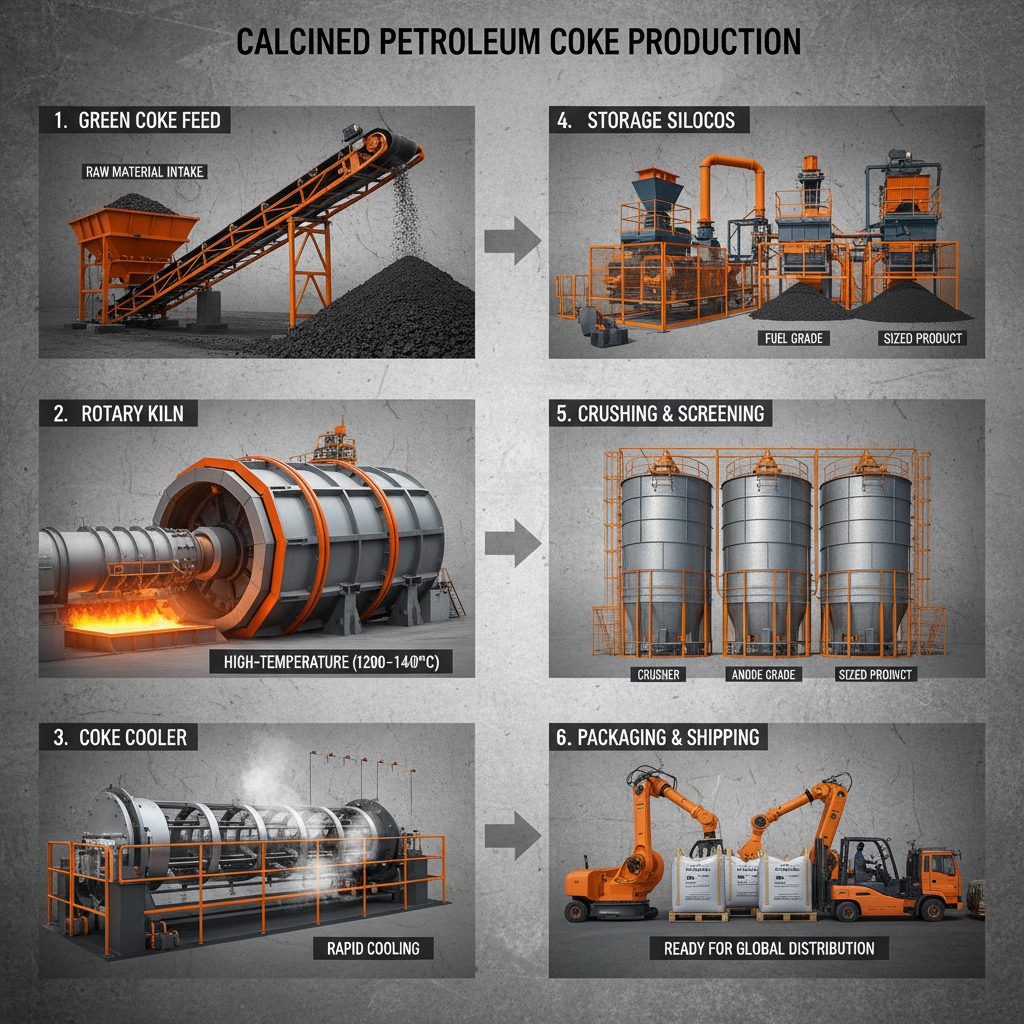
CPC is produced through the delayed coking process in oil refineries, followed by calcination, which removes volatile components. This results in a highly carbonaceous material with low sulfur content and high fixed carbon. Its primary use is as an anode material in the aluminum smelting process, providing the electrical conductivity needed for electrolysis. It’s also a key component in the production of steel, serving as a carbon raiser and deoxidizer. Additionally, CPC is essential in manufacturing titanium dioxide pigment, a widely used whitening agent in paints, plastics, and paper.
Key Applications: Aluminum production, steel manufacturing, titanium dioxide pigment production, graphite electrode production, and metallurgical applications.
Top Calcined Petroleum Coke Manufacturers Globally
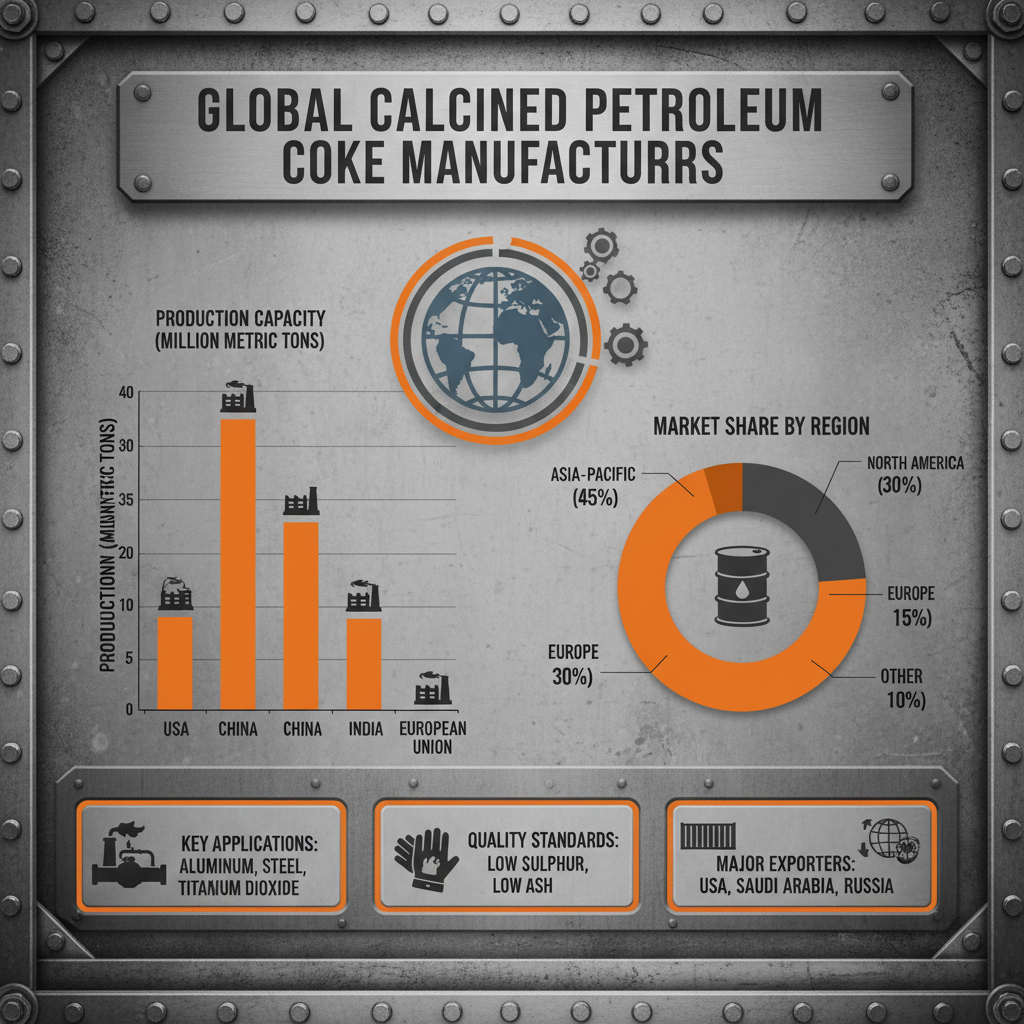
The global CPC market is concentrated among a few key players. China dominates both production and consumption. Major manufacturers are primarily located in China, India, and the United States. Leading companies include:
Key Considerations When Choosing a Calcined Petroleum Coke Manufacturer
Selecting the right supplier is critical. Several factors should be considered: Quality Control: Ensuring consistent product quality through stringent testing and certification is paramount. Supply Reliability: A stable and reliable supply chain is vital to avoid disruptions in your production process. Pricing and Contract Terms: Competitive pricing and flexible contract terms are essential for cost optimization. Technical Support: Access to technical expertise and support can be invaluable for optimizing CPC usage in your applications. Logistics and Shipping: Efficient logistics and shipping capabilities are crucial for timely delivery. NL Graphite offers reliable supply and stringent quality control.
CPC Grade Comparison and Specifications
CPC is categorized into different grades based on its properties, particularly sulfur content and fixed carbon. Common grades include:
Future Trends in the Calcined Petroleum Coke Market
The CPC market is evolving with growing emphasis on sustainability and environmental regulations. Key trends include: Reduced Sulfur Emissions: Increasing demand for ULS CPC to minimize sulfur dioxide emissions. Alternative Feedstocks: Exploration of alternative feedstocks to reduce reliance on petroleum coke. Carbon Capture Technologies: Integration of carbon capture technologies to mitigate environmental impact. Companies like NL Graphite are focused on sustainable practices and high-quality production.
Conclusion: Choosing the Right Partner for Your CPC Needs
Selecting a reliable calcined petroleum coke manufacturer is paramount for the success of your industrial processes. Consider factors like quality, reliability, and sustainability when making your decision. Partnering with a reputable supplier like NL Graphite ensures a consistent supply of high-quality CPC, supporting your operational efficiency and environmental goals.
Frequently Asked Questions (FAQs)
What is the typical lead time for ordering CPC?
Lead times can vary depending on the quantity ordered, the specific grade of CPC, and the manufacturer's current production schedule. Generally, lead times range from 2-6 weeks. It's best to contact the manufacturer directly for a more accurate estimate. Established suppliers like NL Graphite maintain robust inventory levels to minimize lead times and ensure timely delivery. Proper planning and communication with your supplier are key to avoiding disruptions in your supply chain. Understanding peak demand periods and forecasting your requirements in advance can also help streamline the ordering process.
What quality control measures are in place during CPC production?
Reputable CPC manufacturers implement stringent quality control measures throughout the entire production process. This includes regular testing of raw materials, monitoring of calcination parameters, and final product analysis to ensure compliance with industry standards. Tests typically include determining sulfur content, fixed carbon, ash content, and volatile matter. Many manufacturers also have ISO certifications to demonstrate their commitment to quality management. NL Graphite is committed to stringent quality control procedures.
How is CPC typically transported?
CPC is typically transported in bulk using various methods, including ocean freight, rail, and trucks. It's often shipped in containers or bulk carriers. Proper packaging and handling are essential to prevent contamination and damage during transportation. Manufacturers usually provide specific guidelines for handling and storage. The choice of transportation method depends on the quantity, destination, and cost considerations. Some suppliers offer door-to-door delivery services, simplifying the logistics process for their customers.
What are the environmental considerations related to CPC production?
CPC production can have environmental impacts, primarily related to emissions of sulfur dioxide and particulate matter. Modern CPC plants employ advanced emission control technologies to minimize these impacts. Increasingly, manufacturers are also focusing on reducing their carbon footprint and exploring alternative feedstocks. Choosing a supplier committed to sustainable practices is crucial. Responsible waste management and adherence to environmental regulations are also key considerations. The industry is evolving towards more eco-friendly processes to mitigate its environmental impact.
 Pervious
 Next
Next