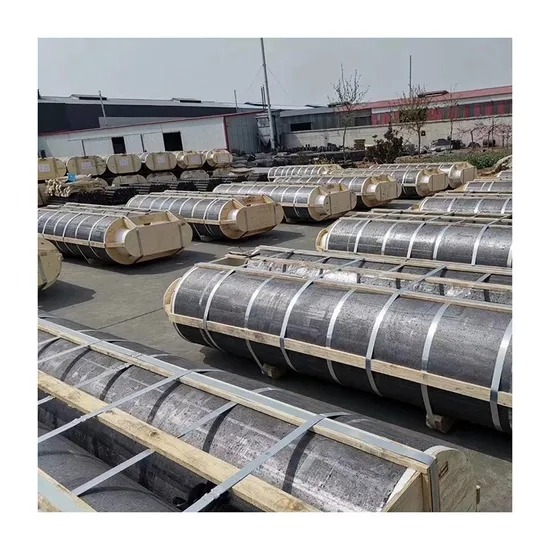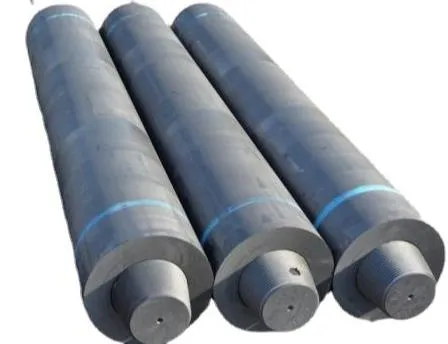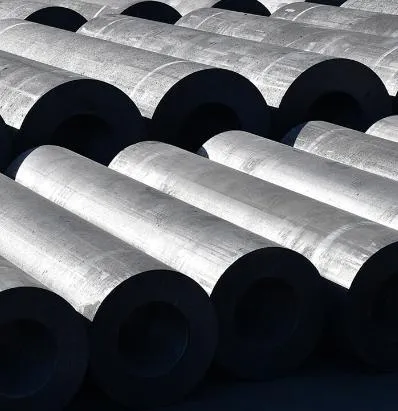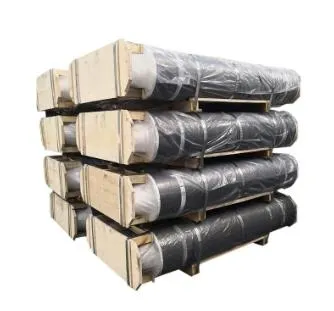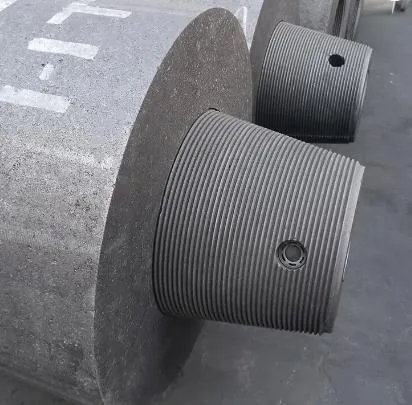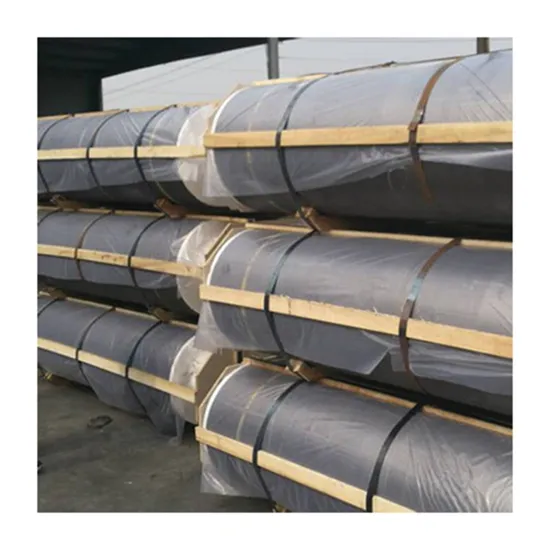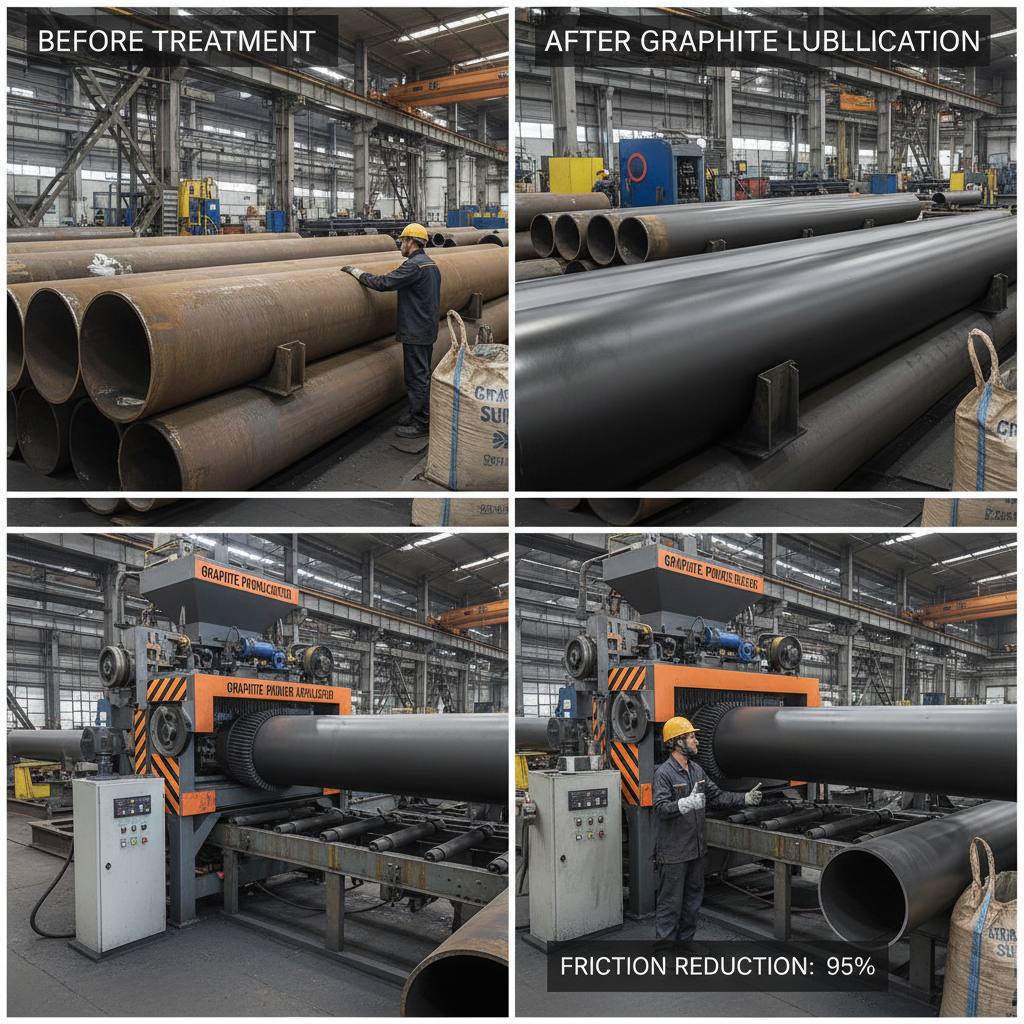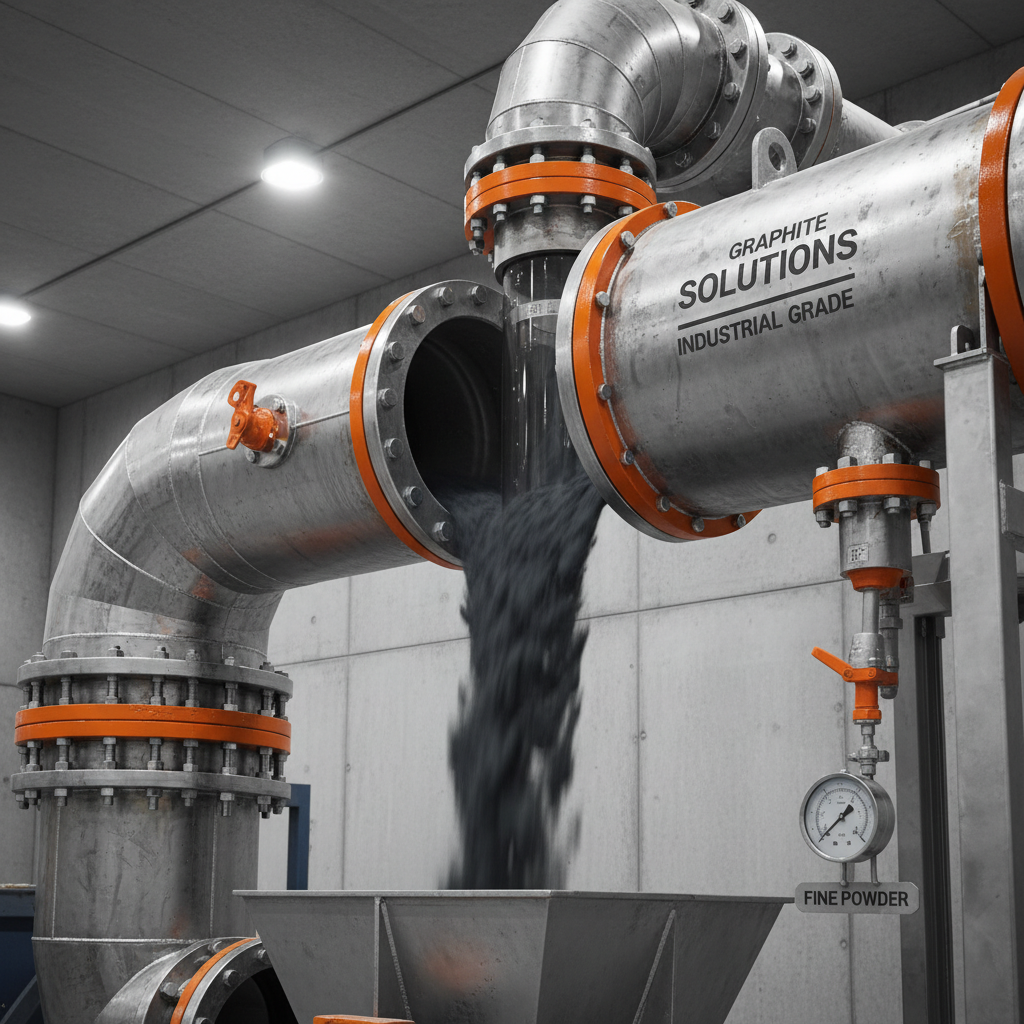




A graphite tube is a high-performance carbon-based component widely used in modern industry. Thanks to its excellent thermal conductivity, high-temperature resistance, chemical stability, and electrical performance, graphite tube plays a vital role in sectors such as metallurgy, semiconductor manufacturing, chemical processing, and energy production.
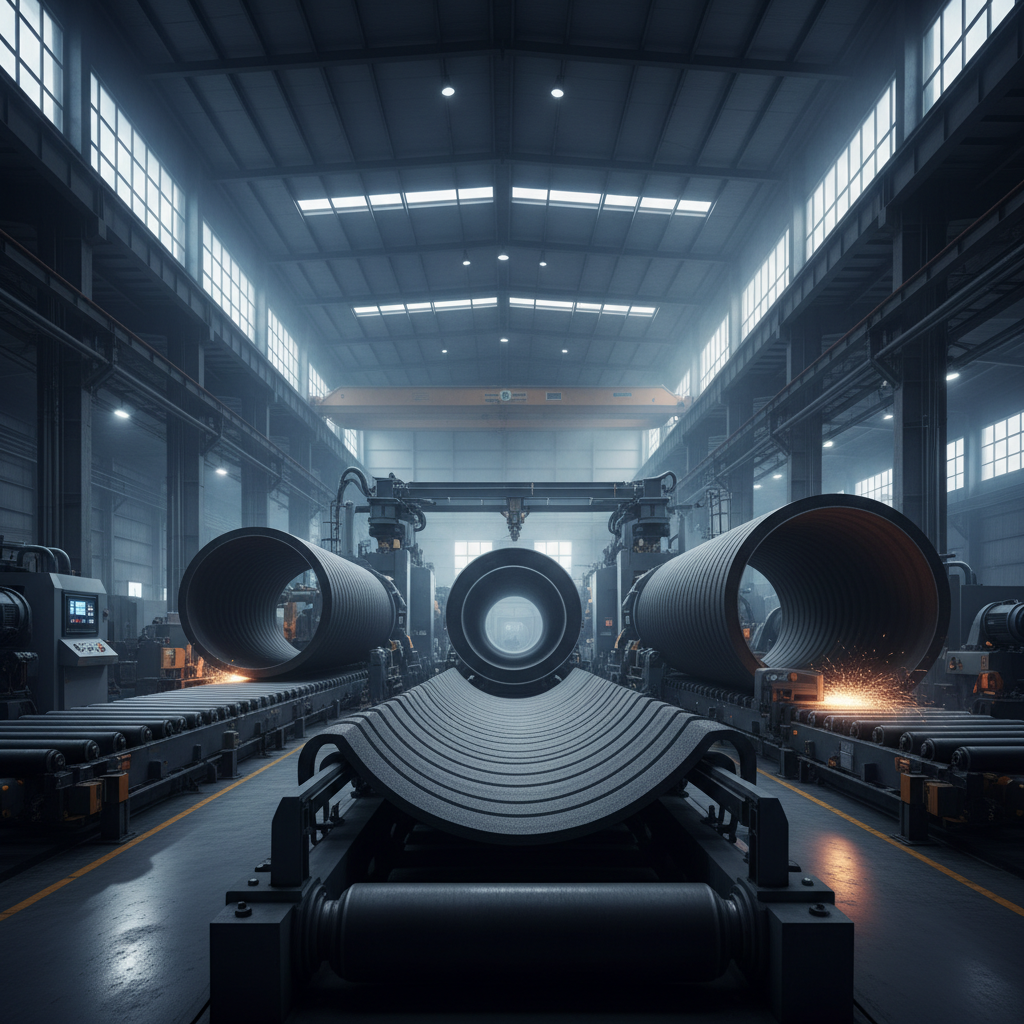
In industrial practice, graphite tube is often manufactured from high-purity graphite materials through processes like isostatic pressing and precision machining. Compared with metal or ceramic alternatives, graphite tube offers superior thermal shock resistance and corrosion resistance, making it suitable for extreme working environments.
This article explores the main industrial applications of graphite tubes, highlighting how it supports critical processes across multiple industries.
1. Graphite Tube in Metallurgy and High-Temperature Furnaces
Heating elements
Protection tubes for thermocouples
Structural supports inside furnaces
Crucible sleeves
In vacuum sintering furnaces, the graphite tube ensures uniform heat distribution while maintaining structural integrity under thermal cycling. Compared to metal alloys, graphite does not soften at extreme temperatures in non-oxidizing atmospheres, which significantly improves furnace stability and lifespan.
Graphite tube is also used in continuous casting and powder metallurgy processes where thermal shock resistance is critical. Its low thermal expansion coefficient helps prevent cracking during rapid temperature changes, enhancing operational reliability.
2. Graphite Tube for Semiconductor and Electronics Industry
Chemical vapor deposition (CVD) reactors
Silicon wafer production
Epitaxial growth equipment
Diffusion furnaces
In processes involving silicon crystal growth or wafer fabrication, contamination control is critical. High purity graphite tube provides excellent chemical stability and minimal impurity release, ensuring the integrity of semiconductor materials.
Its uniform thermal conductivity helps maintain consistent temperature profiles inside reactors, which is essential for thin-film deposition and doping processes. Because of these properties, graphite tube has become a standard component in advanced electronics manufacturing systems.
3. Graphite Tube in Chemical and Corrosive Environments
Graphite exhibits exceptional resistance to:
-
Sulfuric acid
-
Hydrochloric acid
-
Phosphoric acid
-
Many organic solvents
For this reason, graphite tube is frequently used in:
-
Heat exchangers
-
Acid transfer systems
-
Reaction vessels
-
Gas scrubbing equipment
Unlike metal pipes that may corrode rapidly in aggressive environments, graphite tube maintains dimensional stability and performance over long periods. In graphite heat exchangers, the tube structure allows efficient heat transfer while resisting chemical attack, making it an ideal solution for fertilizer production, chlor-alkali processes, and fine chemical manufacturing.
4. Graphite Tube for Energy and Power Generation
-
Fuel cell components
-
Battery research equipment
-
Thermal energy storage systems
-
Certain nuclear reactor structures
For example, in advanced reactor designs like those developed at Oak Ridge National Laboratory, graphite materials are studied and applied due to their neutron moderation capability and high-temperature stability.
In hydrogen fuel cell testing systems, graphite tube serves as a corrosion-resistant conduit for gas flow. Its electrical conductivity also makes it useful in experimental battery setups and electrode supports.
As energy systems evolve toward higher efficiency and extreme operating conditions, graphite tube continues to be a valuable engineering material.
5. Graphite Tube in Mechanical and Industrial Equipment
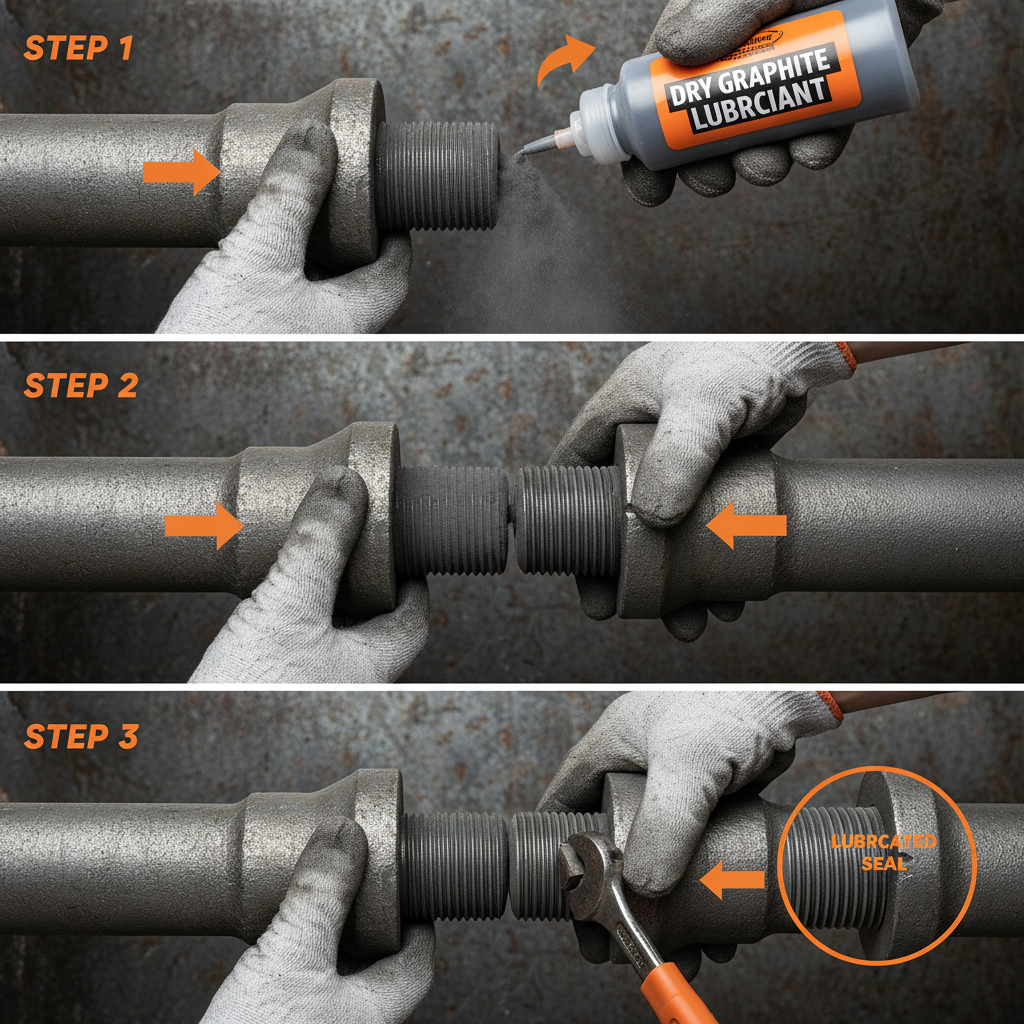
Because of its self-lubricating properties and low friction coefficient, graphite tube can function as:
Bearing sleeves
Seal rings
Sliding components
Bushings
In pumps and compressors handling corrosive or high-temperature fluids, graphite tube components reduce wear and maintenance frequency. Its machinability also allows manufacturers to produce customized dimensions with tight tolerances, supporting OEM and precision equipment industries.
Additionally, graphite tube can absorb vibrations and withstand compressive stress, making it suitable for dynamic mechanical systems.
6. Graphite Tube in Laboratory and Analytical Instruments
Instruments developed by companies like PerkinElmer use graphite tube furnaces to atomize samples at high temperatures for trace element analysis.
The advantages of graphite tube in laboratory use include:
-
Rapid heating rates
-
Uniform temperature distribution
-
High repeatability
-
Long service life
Because analytical precision depends on thermal stability and material purity, high-quality graphite tube ensures consistent and accurate test results in environmental testing, food safety, and pharmaceutical analysis.
Why Graphite Tube Remains Indispensable in Industry
From metallurgy to semiconductors, from chemical plants to laboratories, graphite tube serves as a critical component in demanding industrial environments. Its unique combination of properties—including high-temperature resistance, chemical inertness, electrical conductivity, thermal stability, and machinability—makes it superior to many alternative materials.
As industrial processes continue to push toward higher efficiency, cleaner production, and extreme operating conditions, the demand for high purity graphite tube is expected to grow steadily. Whether used in furnace systems, chemical reactors, energy research, or precision instruments, graphite tube remains a cornerstone material in modern engineering.
For manufacturers and industrial buyers, understanding the main industrial applications of graphite tube helps in selecting the right grade, density, and machining specifications to ensure optimal performance and long-term reliability.
 Pervious
 Next
Next