

- Englist



Industrial Guide to High Performance dry graphite lubricant powder

The Ultimate Guide to Dry Graphite Lubricant Powder for Industrial Excellence
In the world of high-performance machinery and precision engineering, reducing friction is the key to longevity and efficiency. dry graphite lubricant powder has emerged as a superior alternative to traditional oil-based lubricants, especially in environments where cleanliness and extreme temperature resistance are critical. Unlike wet lubricants, dry graphite creates a stable, low-friction film that doesn't attract dust or debris. This article explores the technical advantages, versatile applications, and strategic benefits of integrating high-purity graphite powders into your maintenance routine to ensure seamless operation and reduced downtime.
How Dry Graphite Lubricant Powder Works
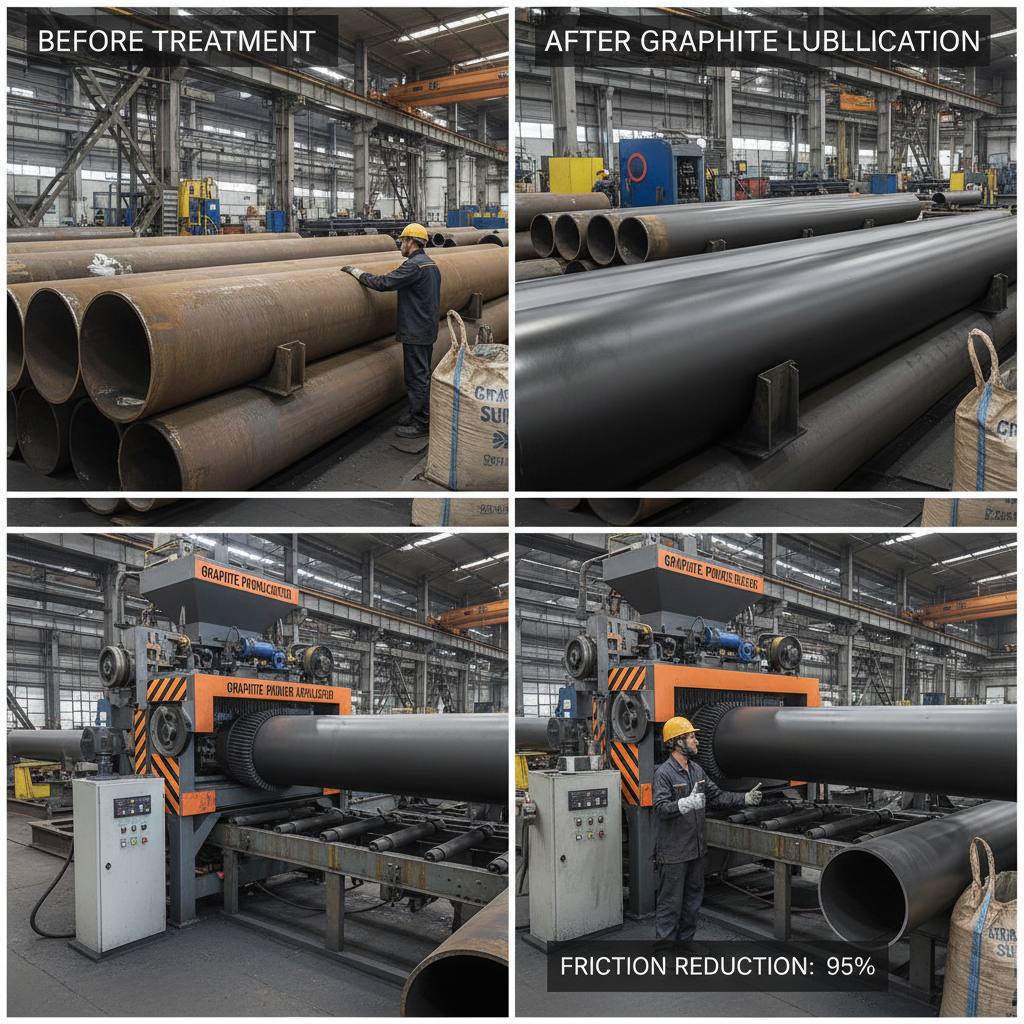
The effectiveness of dry graphite lubricant powder lies in its unique hexagonal crystalline structure. Each layer of graphite atoms is bonded strongly within the plane but weakly between planes, allowing the layers to slide over each other with minimal resistance. When applied to a surface, it forms a microscopic sliding layer that separates two moving metal parts, effectively eliminating metal-to-metal contact. This process not only reduces wear and tear but also prevents galling and seizing in high-load environments. Because it is "dry," it does not require a liquid carrier, making it ideal for vacuum applications or clean-room environments where oil contamination is strictly forbidden.
Key Advantages of Using Dry Lubrication
Switching to a dry system provides several operational benefits. First and foremost is the anti-contamination property; since there is no sticky residue, particles like sand, grit, and dust do not adhere to the lubricated surface, which prevents the lubricant from turning into an abrasive paste. Additionally, graphite is renowned for its incredible thermal stability, remaining effective at temperatures where synthetic oils would evaporate or break down. For industries dealing with extreme heat or cryogenic cold, dry graphite lubricant powder offers a level of reliability that is simply unmatched by liquid alternatives.
Pro Tip: Dry lubricants are particularly effective for locks, hinges, and precision slides where traditional oils would attract grime and cause the mechanism to jam over time.
Comparative Analysis: Dry Graphite vs. Wet Lubricants
Choosing the right lubricant depends on the specific demands of your hardware. While wet lubricants provide an excellent seal against moisture, they fail in dusty environments. In contrast, dry graphite lubricant powder maintains a consistent coefficient of friction without the mess. The following table provides a side-by-side comparison to help you determine the best fit for your application.
Industrial Applications of Dry Graphite Lubricant Powder
The versatility of dry graphite lubricant powder makes it indispensable across various sectors. In the automotive industry, it is used for seat sliders and lock mechanisms to prevent sticking. In aerospace, graphite's ability to function in a vacuum makes it a primary choice for satellite components. Additionally, in heavy manufacturing, it is applied to molds and dies to ensure easy release of parts and to protect the equipment from surface wear. Whether it is for small-scale precision tools or massive industrial turbines, graphite provides a reliable barrier that reduces energy consumption by lowering frictional drag.
Product Specifications and Quality Standards
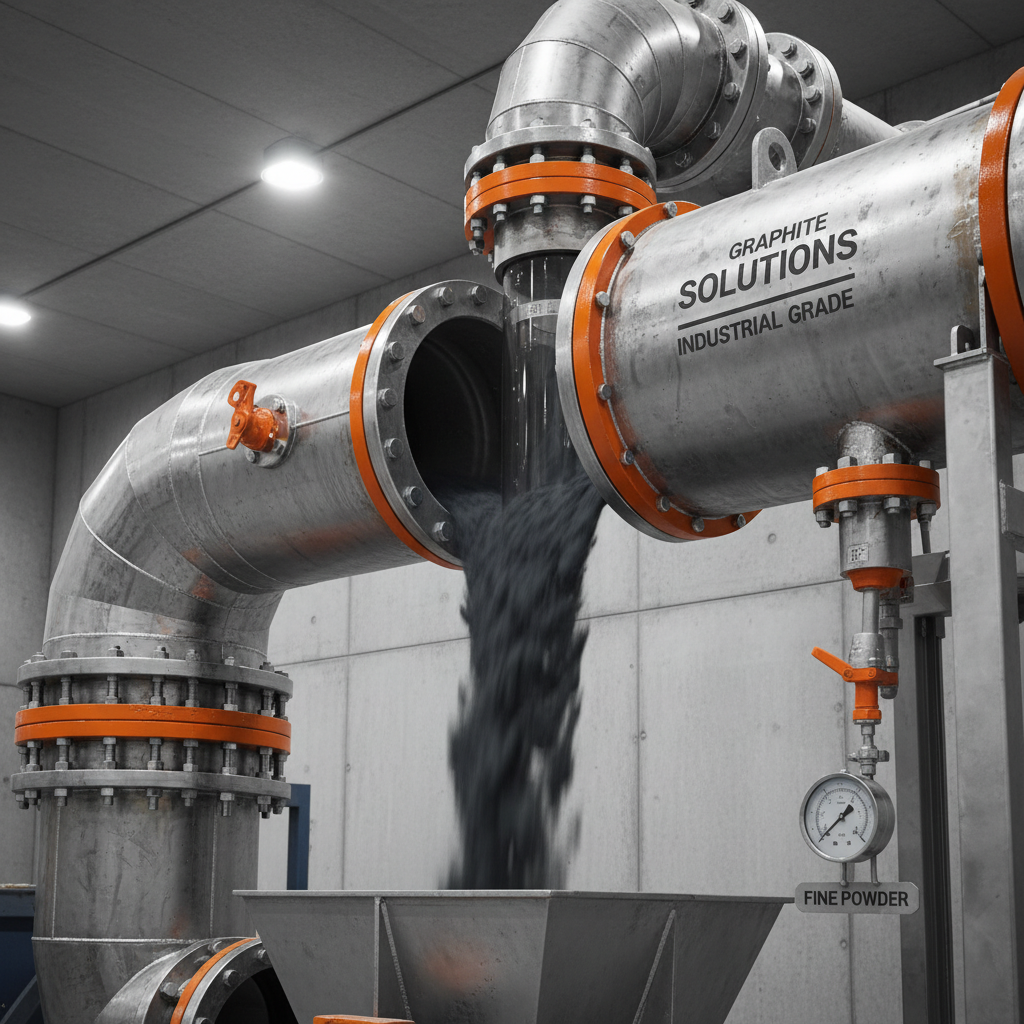
Not all graphite powders are created equal. To achieve the best results with dry graphite lubricant powder, one must consider the purity level and particle size distribution. Finer particles provide a more uniform coating and better adhesion, while higher purity ensures that no abrasive impurities are introduced into the machinery. Our professional-grade powder is engineered to meet strict industrial standards, ensuring consistent performance across varied loads.
Conclusion: Enhancing Efficiency with Dry Graphite
Investing in high-quality dry graphite lubricant powder is a strategic move for any business aiming to reduce maintenance costs and increase equipment uptime. By eliminating the drawbacks of wet lubricants—such as contamination and thermal degradation—graphite powder provides a clean, efficient, and durable solution for the most demanding industrial challenges. Ensure your machinery operates at peak performance by choosing the right lubrication technology today.
Frequently Asked Questions (FAQs)
Can dry graphite lubricant powder be used on all metal types?
Dry graphite is compatible with most metals, including steel, aluminum, and copper. It is particularly effective for ferrous metals. However, it is important to note that in some highly specific chemical environments, graphite can act as a catalyst for certain reactions. For the vast majority of industrial mechanical applications, it is a safe and highly effective choice. Always test a small area or consult the technical data sheet provided by nlgraphite.com for specific material compatibility.
How do I apply dry graphite powder for maximum effectiveness?
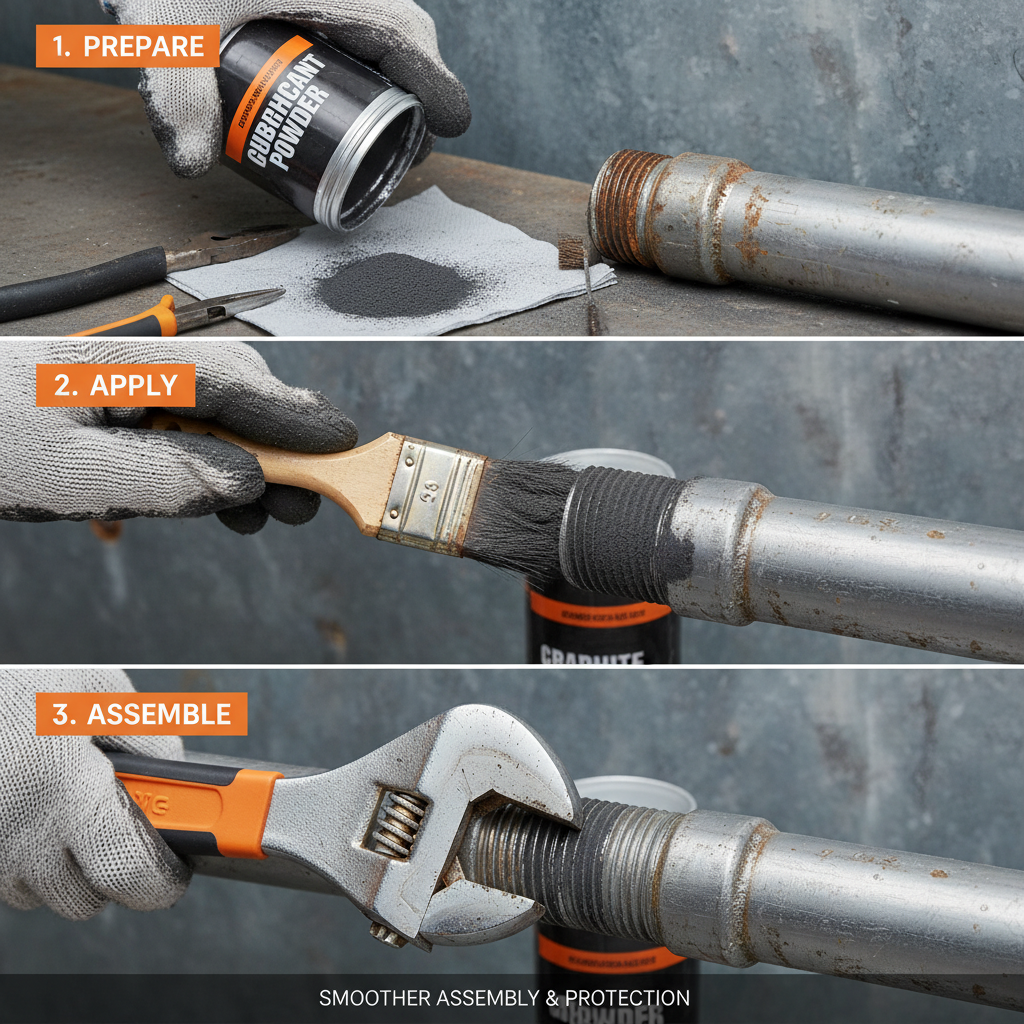
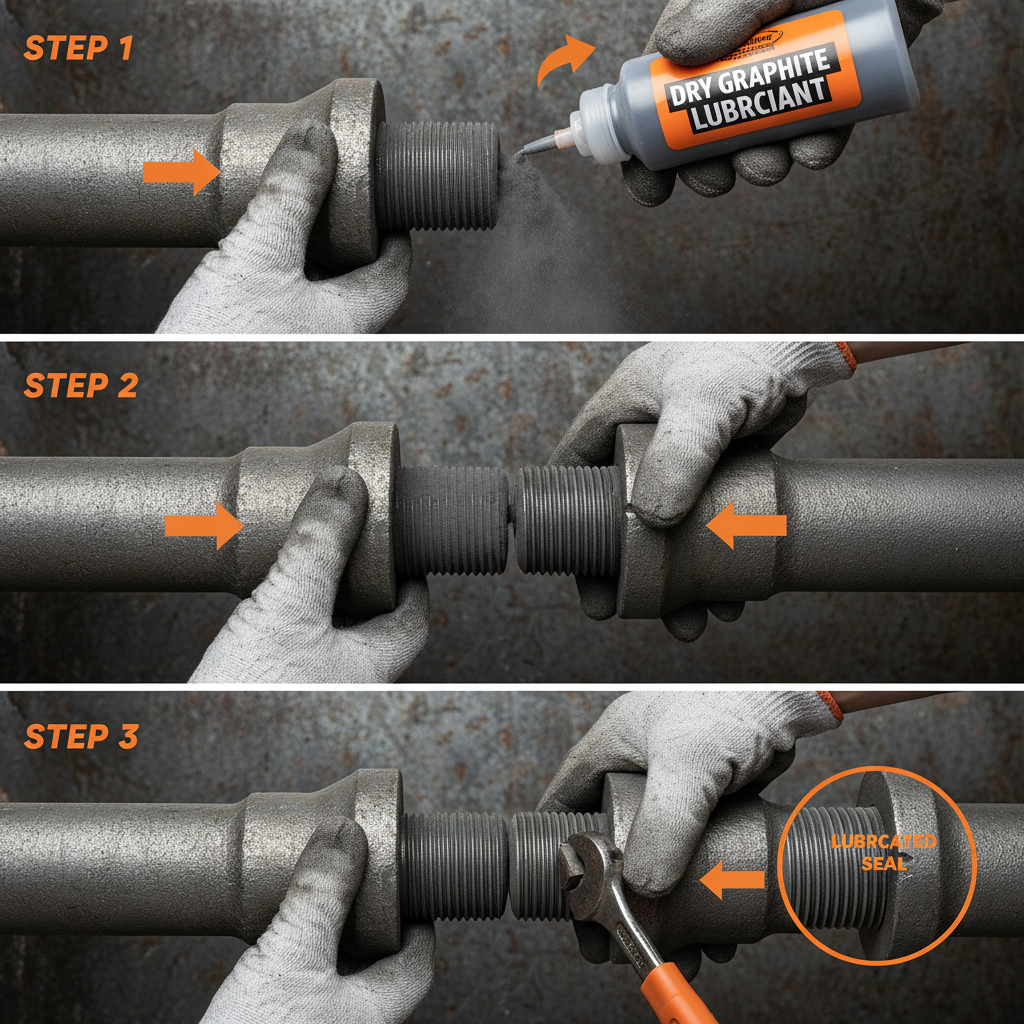
For the best results, first clean the surface to remove any old grease, oil, or debris. This ensures the powder can bond directly to the metal. You can apply the powder using a brush, a puffer, or by mixing it into a temporary carrier solvent that evaporates, leaving a pure dry film. For high-friction areas, a light but consistent coating is usually sufficient. Over-applying can sometimes lead to powder buildup, so a "less is more" approach is generally recommended for precision components.
Is dry graphite better than PTFE (Teflon) powder?
Both are excellent dry lubricants, but they excel in different areas. Graphite is generally superior for higher-load applications and extreme temperatures (both high and low). PTFE is often preferred for very low-load, high-speed applications or where specific chemical resistance is needed. For heavy industrial machinery and structural components, dry graphite lubricant powder is typically the more robust and cost-effective choice due to its superior load-bearing capacity.
Does dry graphite powder attract moisture?
Graphite is naturally hydrophobic, meaning it does not attract water. This makes it an excellent choice for environments where moisture may be present but where you cannot use oil-based lubricants. While it doesn't "seal" out water as effectively as a thick layer of grease, it provides a protective barrier that helps prevent rust and corrosion on the underlying metal surface, ensuring that moving parts remain fluid even in humid conditions.
 Pervious
 Next
Next