

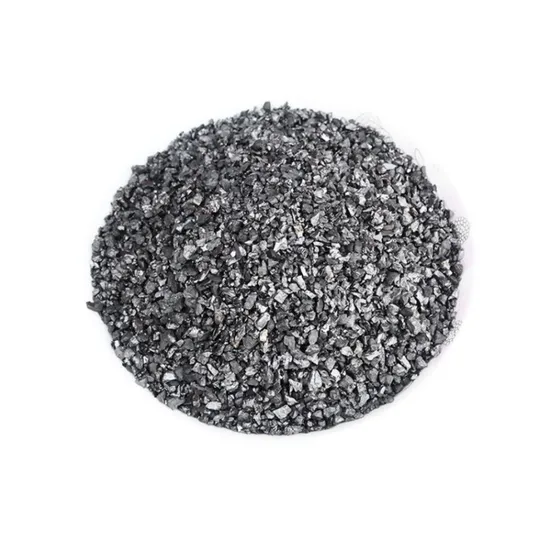
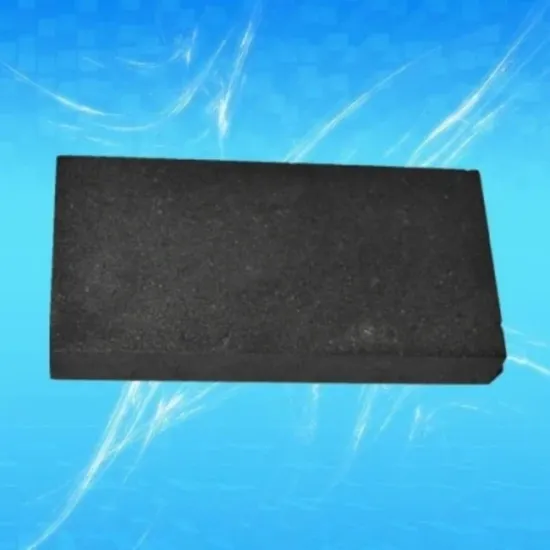
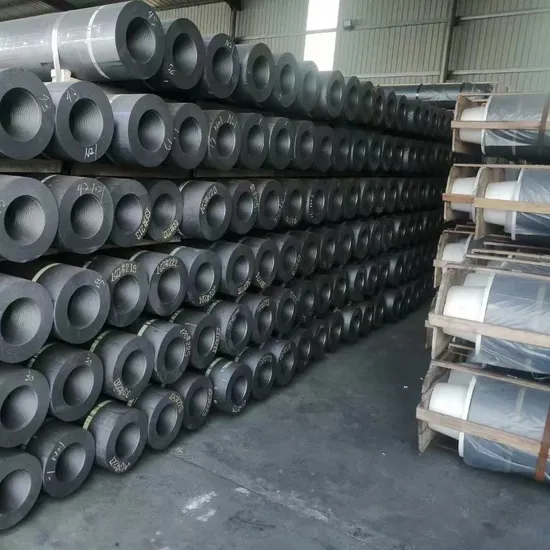
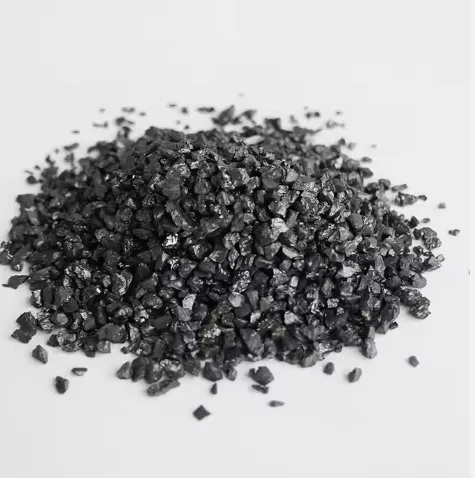
Colombia's industrial landscape, heavily influenced by its robust petroleum sector, creates a natural synergy for the production and consumption of calcined petroleum coke. The region's focus on aluminum smelting and steel production necessitates a steady supply of high-grade carbon anodes, making the quality of raw coke critical to operational efficiency.
However, the local market often faces challenges related to the consistency of petroleum coking processes. Due to varying crude oil compositions from different Colombian basins, achieving the precise sulfur and ash content required for high-end graphite products requires advanced processing capabilities that are currently evolving within the region.
With the rise of green energy initiatives and the modernization of mining infrastructure in Colombia, there is an increasing shift toward graphite petroleum coke. This transition is driven by the need for materials with superior electrical conductivity and thermal stability to support the next generation of industrial electrodes.