
search
Search

High-Performance graphitized petroleum coke Solutions for Chile's Industrial Sector

Providing premium carbon materials to power the mining and metallurgical advancements of the Chilean economy.

High-Performance graphitized petroleum coke Solutions for Chile's Industrial Sector

Specialized carbon solutions engineered to withstand the extreme thermal and electrical demands of Chile's heavy industry, from copper smelting to aluminum production.

Carbon Material Landscape in Chile

Analyzing the synergy between carbon substrates and Chile's mining-driven economy.

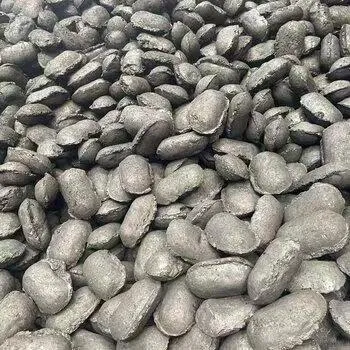
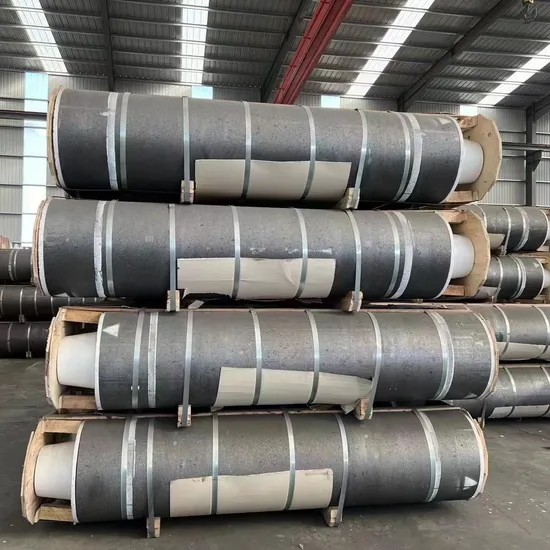
Chile's unique position as a global leader in copper production creates a massive demand for high-conductivity materials. The use of calcined petroleum coke is critical in the production of electrodes and linings for smelting furnaces, where thermal stability is non-negotiable.

The geographic distribution of Chile's industrial hubs, from the Atacama desert to the central valley, necessitates materials that can withstand varied humidity and temperature fluctuations. This makes the purity and structural integrity of calcined coke a primary concern for local plant managers seeking to reduce downtime.

Currently, the Chilean market is shifting away from raw materials toward highly processed carbon. There is an increasing reliance on imported high-grade graphite petroleum coke to enhance the energy efficiency of electrolytic processes in metal refining.
Evolution of Carbon Processing in South America

From basic fuel sources to precision-engineered graphite materials.

Market Development History

In the late 20th century, the Chilean industry relied primarily on raw petroleum residues. The initial phase of petroleum coking was focused on bulk fuel production for industrial boilers, with little regard for crystallographic structure.

By the 2010s, the transition toward "Calcination Technology" occurred. This period saw the widespread adoption of calcined petroleum coke, which allowed for the removal of volatile matter, significantly improving the mechanical strength of carbon blocks used in mining.

The current era represents the "Graphitization Leap," where the industry has moved toward high-temperature processing. The shift to graphitized petroleum coke has enabled the Chilean smelting industry to achieve lower electrical resistivity and higher oxidation resistance.

Future Development Trends

Nano-structured Carbon Integration

Integration of nano-carbon additives into standard coke to improve the longevity of furnace linings in extreme Chilean mining environments.

Green Hydrogen Synergy

Adapting carbon material production to be compatible with the rising green hydrogen economy in Northern Chile, focusing on low-emission manufacturing.

Precision Purity Standards

A move toward ultra-low sulfur and ultra-low ash content to meet stricter environmental regulations and higher electrolytic efficiency.

Strategic Outlook for Carbon Materials in Chile

Forecasting the technological trajectory based on Google search trends and industrial demand.

Energy Efficiency Optimization
Increasing demand for materials with lower electrical resistivity to cut power costs in Chilean smelters.
Environmental Compliance
Transitioning toward carbon products that reduce SOx and NOx emissions during industrial processing.
Thermal Shock Resistance
Developing materials specifically for the extreme temperature swings found in high-altitude mining sites.
Digitalized Quality Control
Implementing AI-driven batch testing to ensure consistent purity across all carbon shipments.

Industry Outlook

Over the next 3-5 years, we predict a surge in search volume for high-conductivity carbon materials as Chile accelerates its transition to "Green Mining." The demand will shift from general-purpose coke to precision-engineered graphite materials that facilitate faster metal recovery.

Furthermore, as the lithium triangle expands, the need for high-purity carbon anodes and additives will grow, positioning the graphite petroleum coke market as a critical pillar of Chile's strategic mineral value chain.

Local Application Scenarios in Chile

Practical implementations of carbon products across various Chilean industrial sectors.

01. Copper Smelting Anodes

Utilizing high-density carbon materials to create anodes that resist oxidation during the high-temperature smelting of copper ores in Antofagasta.

02. Aluminum Electrolysis

Applying ultra-pure carbon substrates to reduce energy consumption in aluminum reduction cells located in the southern industrial zones.

03. Steel Furnace Linings

Implementing specialized carbon bricks derived from treated coke to extend the life of electric arc furnaces in Chilean steel plants.

04. Lithium Battery Component Precursors

Providing the high-purity carbon base necessary for the developing battery anode industry within the Atacama region.

05. High-Temperature Industrial Lubricants

Using processed graphite materials for heavy machinery operating in the abrasive and dusty environments of Chilean open-pit mines.

Brand Story

Global Development History of Shijiazhuang Nala Biological Technology Co., Ltd.

Foundational Research

Started with a mission to bridge the gap between raw carbon extraction and high-precision industrial application.

Technological Breakthrough

Developed proprietary calcination processes that significantly reduced impurities in petroleum coke products.

Global Expansion

Extended our reach to South America, establishing strong logistics and support networks in Chile.

Sustainable Innovation

Pioneered eco-friendly graphitization techniques to meet global ESG standards and reduce industrial footprints.

Industry Leadership

Recognized as a top-tier provider of carbon solutions, solving the most complex thermal stability issues for global clients.

Common Questions in the Chilean Carbon Industry

Technical guidance and market insights for local procurement managers.

What are the benefits of using high-purity calcined petroleum coke in copper smelting?

High-purity calcined petroleum coke reduces the inclusion of contaminants in the final copper product and enhances the electrical conductivity of the furnace anodes, leading to lower energy consumption.

How does graphitized petroleum coke differ from standard calcined coke?

While calcined coke removes volatiles, graphitization involves high-temperature treatment to align carbon atoms into a crystalline structure, dramatically increasing electrical conductivity and chemical resistance.

Can petroleum coking processes be optimized for environmental standards in Chile?

Yes, by implementing advanced scrubbing systems and optimizing the temperature profiles during coking, emissions can be reduced to align with Chilean environmental regulations.

Which grade of graphite petroleum coke is best for high-altitude mining operations?

Grades with high mechanical strength and low thermal expansion coefficients are recommended to prevent cracking caused by extreme temperature fluctuations in high-altitude regions.

What is the typical lead time for importing calcined coke to Chilean ports?

Lead times vary based on shipping routes, but optimized logistics for the South American market generally ensure timely delivery through major ports like Valparaiso and San Antonio.

How does sulfur content in carbon materials affect the quality of refined metals?

Excessive sulfur can lead to brittleness in metals and increase atmospheric pollution. Using low-sulfur carbon materials is essential for producing high-grade industrial metals.

Ready to Optimize Your Carbon Supply?

Get in touch with our experts to find the perfect carbon solution for your operations in Chile.

Contact Us Now

If you are interested in our products, you can choose to leave your information here, and we will be in touch with you shortly.