search
Search

High-Performance Graphitized Petroleum Coke Solutions for Gabon

Empowering Gabon's industrial sector with premium carbon materials for smelting, casting, and electrode manufacturing.

The Industrial Landscape of Carbon Materials in Gabon

Analyzing the integration of carbon products within Gabon's resource-rich economy.

Gabon's economy is heavily anchored in manganese and oil extraction. However, the lack of localized high-temperature processing facilities means that the demand for calcined petroleum coke is primarily driven by the need for high-quality reductants and carbon additives in smelting operations.

The tropical climate of Gabon, characterized by high humidity, poses a significant challenge for the storage of calcined coke. This environmental factor necessitates specialized packaging and moisture-resistant logistics to prevent the degradation of material purity before it reaches the furnace.

Currently, the market is shifting from raw imports to a demand for processed carbon. The emergence of small-to-medium scale foundries in Libreville and Port-Gentil has increased the search for petroleum coking derivatives that can optimize energy efficiency in electric arc furnaces.
Evolution of Carbon Processing in Gabon

From basic carbon imports to advanced graphitization technologies.

Market Development History

In the early 2000s, Gabon primarily relied on unprocessed carbon residues. The initial phase focused on basic combustion, where raw coke was used without the structural benefits of graphite petroleum coke, leading to lower yield rates in metallurgical processes.

Between 2010 and 2020, there was a technical shift toward calcination. The industry realized that removing volatile organic compounds through professional heating significantly improved the thermal conductivity of the carbon, making calcined materials the standard for manganese processing.

From 2021 to the present, the focus has transitioned to high-purity graphitization. The integration of graphitized petroleum coke has allowed local operators to produce electrodes with significantly lower electrical resistance and higher durability.

Future Development Trends

Green Carbon Transition

Integration of low-emission calcining technologies to align with Gabon's rainforest conservation and environmental goals.

Automation in Dosing

A shift toward precision-dosing systems for carbon additives to reduce waste and improve the purity of alloy outputs.

High-Purity Specialization

Increasing demand for ultra-low sulfur carbon to meet international export standards for Gabonese minerals.

Future Trends and Industrial Outlook

Predicting the trajectory of carbon material application in Central Africa.

Enhanced Thermal Efficiency
Adopting high-grade carbon to reduce energy consumption in high-temperature furnaces.
Purity Optimization
Reducing impurities to prevent contamination in specialty alloy production.
Sustainable Sourcing
Implementing circular carbon economy models within Gabonese industrial zones.
Infrastructure Scaling
Developing specialized storage hubs to manage carbon material logistics in Gabon.

Industry Outlook

Based on Google search trends for industrial carbon in Africa, we anticipate a 15% annual increase in demand for graphitized products. Gabon's ambition to diversify its economy away from crude oil will likely trigger an expansion in downstream mineral processing, requiring high-performance carbon reagents.

The future will be defined by the convergence of material purity and cost-efficiency. Companies that can provide consistent quality of carbon additives will dominate the supply chain for the next decade.

Localized Application Scenarios in Gabon

Practical implementations of carbon products across Gabonese industries.

01. Manganese Smelting Optimization

Using high-grade calcined carbon to improve the reduction process in manganese ore smelting, reducing the slag volume and increasing metal recovery rates.

02. Steel Foundry Electrodes

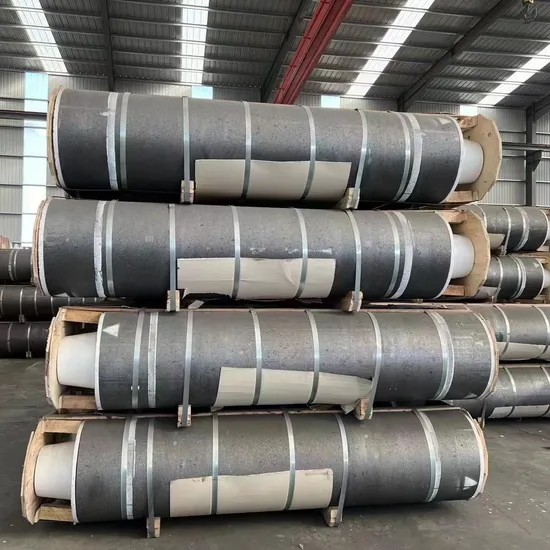
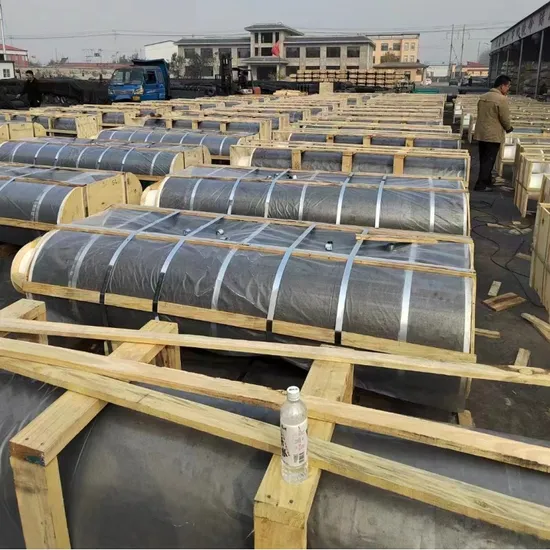
Implementation of graphitized materials for the production of high-current electrodes used in the small-scale steel foundries of Libreville.

03. Aluminum Casting Refractories

Applying carbon-based additives to refractory linings to prevent adhesion and enhance the thermal shock resistance of casting molds.

04. Industrial Fuel Blending

Utilizing processed petroleum coke as a high-energy caloric additive for industrial boilers in the forestry and timber processing sector.

05. Battery Anode Precursors

Developing pilot projects for high-purity carbon additives for the emerging energy storage research sectors in urban centers.

Brand Story

Global Development Journey of Shijiazhuang Nala Biological Technology Co., Ltd.

Foundational Excellence

Established with a mission to solve the purity crisis in carbon materials, we focused on refining the calcination process to eliminate volatile impurities.

Technological Breakthrough

Developed a proprietary graphitization technique that maximizes the electrical conductivity of petroleum-based carbon for industrial use.

Global Expansion

Expanded our logistics network to reach Central Africa, providing Gabon with direct access to premium carbon reagents.

Quality Certification

Achieved international standards for carbon purity, ensuring our products meet the strictest metallurgical requirements worldwide.

Future Vision

Committing to sustainable carbon manufacturing and helping Gabon transition to a more efficient, lower-emission industrial future.

Frequently Asked Questions in Gabon

Expert answers to common technical queries about carbon materials.

How does humidity in Gabon affect calcined petroleum coke storage?

High humidity can lead to moisture absorption, which may cause spalling during heating. We recommend moisture-proof bulk bagging and stored elevations to maintain purity.

What is the main advantage of graphite petroleum coke over raw coke?

Graphitized versions offer significantly higher electrical conductivity and superior thermal stability, which is critical for high-amperage smelting in manganese plants.

Can calcined coke be used as a reductant in Gabonese manganese ores?

Yes, it is highly effective. The removal of volatiles ensures a more stable reaction in the furnace, reducing gas emissions and improving yield.

What are the delivery lead times for petroleum coking products to Libreville?

Depending on the order volume, shipping typically takes 3-6 weeks via sea freight, with specialized customs clearance support for Gabon.

How do I verify the carbon purity of graphitized petroleum coke?

We provide a comprehensive Certificate of Analysis (COA) for every batch, detailing sulfur content, ash percentage, and fixed carbon levels.

Is there a specific grade of calcined petroleum coke for aluminum casting?

Yes, we offer ultra-low sulfur grades specifically designed to prevent surface contamination in high-precision aluminum casting.

Get Expert Carbon Solutions Today

Contact our technical team to optimize your carbon supply chain in Gabon.

Contact Us Now

If you are interested in our products, you can choose to leave your information here, and we will be in touch with you shortly.