

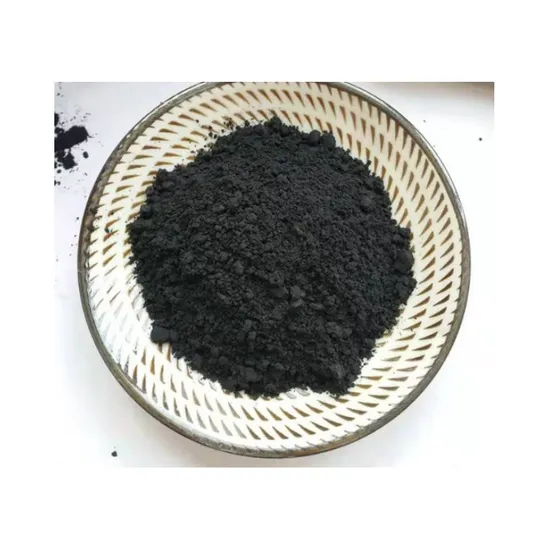
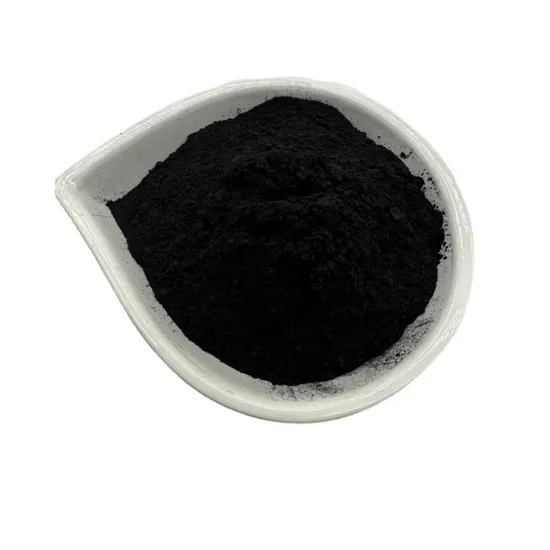
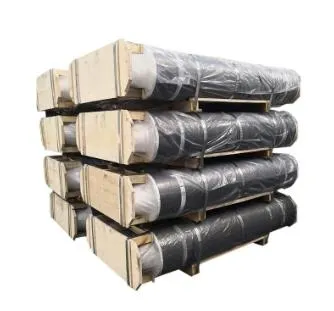

Saudi Arabia, as a global petrochemical powerhouse, possesses an immense raw material base for petroleum coking. However, the local market has historically relied on importing high-value processed carbon materials to support its heavy industrial base, particularly in the aluminum and steel sectors.
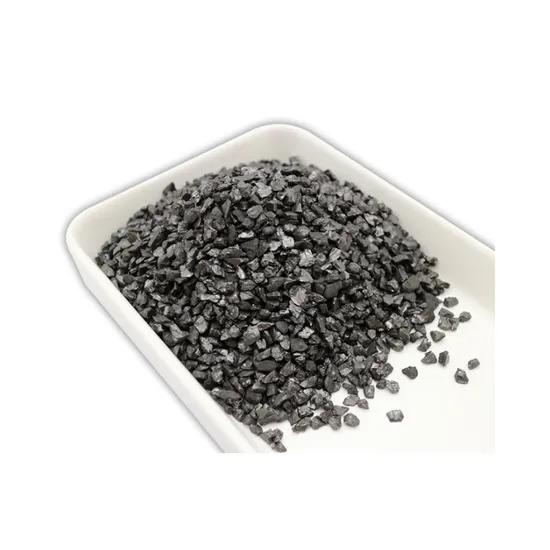
The harsh desert climate of the region imposes strict requirements on material stability. The use of calcined coke is critical here, as the removal of volatile components is essential to prevent structural failure in furnaces operating under Saudi Arabia's extreme ambient temperatures.
With the "Vision 2030" initiative, there is a strategic shift toward diversifying the industrial base. This has led to an increased demand for calcined petroleum coke to support the domestic production of electrodes and refractories, reducing dependence on foreign supply chains.