search
Search

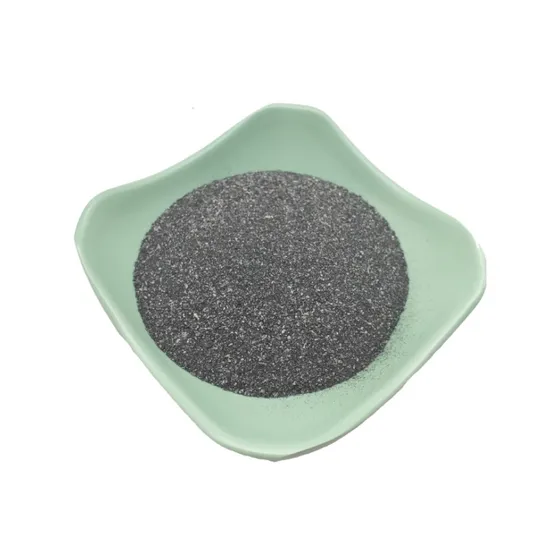
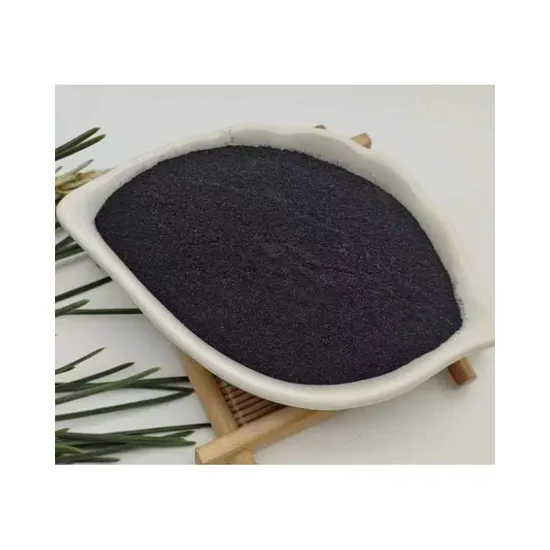
High-Performance graphitized petroleum coke Solutions for Venezuela

Empowering Venezuela's industrial infrastructure with premium carbon materials and advanced graphite processing technologies for sustainable growth.

Industrial Landscape of Carbon Materials in Venezuela

Analyzing the intersection of oil reserves and carbon processing needs.

Venezuela possesses some of the world's largest crude oil reserves, yet the local production of calcined petroleum coke has historically struggled with technological consistency. The industry is heavily concentrated around the Orinoco Belt, where the need for high-purity carbon additives is critical for the aluminum and steel sectors.

Due to extreme humidity and saline coastal environments in industrial hubs like Puerto Ordaz, the storage and handling of calcined coke require specialized moisture-resistant packaging to prevent oxidation and maintain chemical stability during transit.

Currently, the market is shifting from raw export to value-added processing. There is a growing demand for localized petroleum coking expertise to reduce reliance on imports and optimize the utilization of heavy residue from local refineries.
Evolution and Trajectory of Graphite Production

From basic refining to advanced graphitization processes.

Market Development History

In the early 2000s, the Venezuelan carbon market focused primarily on raw residue. The primary goal was basic petroleum coking to manage refinery waste, with little emphasis on the purity required for high-end industrial use.

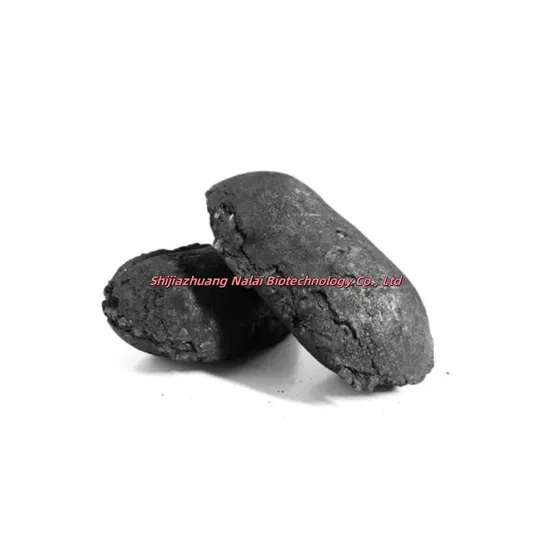
Between 2010 and 2020, a transition occurred where the focus shifted toward calcination. The introduction of rotary kilns allowed for the production of standardized calcined petroleum coke, which served as a vital anode material for the regional aluminum industry.

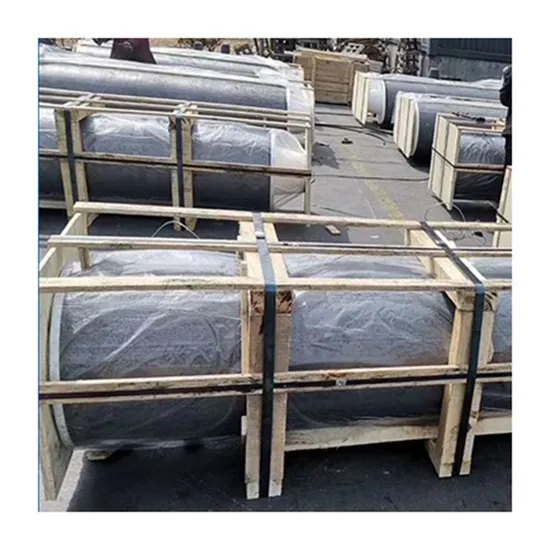
Entering the current era, the technical focus has evolved toward graphitization. The industry is now integrating high-temperature thermal treatment to produce graphite petroleum coke, enabling applications in electrodes and specialty lubricants.

Future Development Trends

Integration of Green Hydrogen

Future processing plants are expected to replace traditional fuels with hydrogen to reduce the carbon footprint of the calcination process.

Precision Purity Control

A shift toward ultra-low sulfur carbon materials to meet the stringent requirements of the emerging electronics and battery sectors.

Automation in Processing

Implementation of AI-driven temperature control in graphitization furnaces to ensure uniform crystal structure in the final product.

Industry Trends and Future Outlook

Strategic projections for the non-metallic mineral sector in South America.

Sustainable Calcination
Transitioning toward low-emission kilns to align with global ESG standards for carbon production.
High-Purity Graphitization
Increasing the demand for ultra-pure graphite for semiconductor and energy storage applications.
Supply Chain Digitization
Using blockchain to track the origin and quality of coke batches from refinery to final user.
Circular Carbon Economy
Implementing carbon capture and reuse cycles within the non-metallic mineral production chain.

Industry Outlook

Based on Google search trends for "carbon materials" in South America, there is a significant spike in interest regarding energy-efficient graphitization. We predict a 15% CAGR in the demand for specialty graphite products in Venezuela as the country seeks to diversify its industrial output.

The future lies in the synergy between the petrochemical sector and the carbon products industry, transforming waste streams into high-value graphite components for the global market.

Localized Applications in Venezuela

Practical use-cases for carbon and graphite products in regional industries.

01. Aluminum Smelting Anodes

Utilization of high-density calcined petroleum coke as the primary binder and filler for carbon anodes in the Guayana region's aluminum plants.

02. Steel Industry Recarburizers

Integrating high-purity carbon additives into electric arc furnaces to precise control the carbon content of Venezuelan specialty steels.

03. Heavy Machinery Lubrication

Applying graphitized petroleum coke in high-pressure lubricants for oil drilling equipment operating in the Orinoco basin.

04. Chemical Reactor Linings

Using corrosion-resistant graphite components to line reactors in petroleum refining processes, ensuring longevity against acidic catalysts.

05. Battery Electrode Precursors

Development of synthetic graphite anodes derived from petroleum coke for the emerging local energy storage and UPS markets.

Brand Story

Global Development History of Shijiazhuang Nalai Biological Technology Co., Ltd.

Foundational Excellence

Established with a mission to bridge the gap between raw carbon extraction and high-end industrial application through rigorous scientific research.

Technological Breakthroughs

Perfecting the graphitization process to achieve unprecedented purity levels, solving the common pain point of inconsistent carbon conductivity.

Global Expansion

Expanding our footprint into South America, providing Venezuelan partners with the technical expertise needed for local carbon value-addition.

Sustainable Innovation

Implementing eco-friendly production methods that reduce the environmental impact of petroleum coke processing.

Future Vision

Becoming the global benchmark for high-performance graphite products, driving the transition to a cleaner, carbon-efficient industrial future.

Frequently Asked Questions - Venezuela Market

Technical insights into carbon product procurement and application.

What is the difference between calcined petroleum coke and graphitized petroleum coke?

Calcined coke is treated at lower temperatures to remove volatiles, whereas graphitized coke undergoes extreme heat to transform its structure into a crystalline graphite form, significantly increasing electrical conductivity.

How does the sulfur content in petroleum coking affect aluminum anodes?

High sulfur content can lead to increased emissions and reduced anode life. Our processing ensures ultra-low sulfur levels to optimize the smelting process in Venezuelan plants.

Can graphite petroleum coke be used for high-temperature lubricants in oil rigs?

Yes, due to its layered crystalline structure, it provides exceptional lubricity and thermal stability, making it ideal for the extreme conditions found in Venezuelan oil fields.

What are the logistics challenges for shipping calcined coke to Puerto Ordaz?

The main challenges are moisture control and bulk handling. We utilize specialized moisture-proof liners and optimized shipping schedules to ensure product integrity.

How do I specify the required grade of graphitized coke for my application?

You should specify the required electrical resistivity, particle size distribution, and purity percentage. Our technical team provides tailored grading for every project.

Is petroleum coking environmentally sustainable?

Modern coking processes integrate waste-heat recovery and emission scrubbing, turning refinery by-products into essential industrial materials, thus promoting a circular economy.

Ready to Optimize Your Carbon Supply?

Contact our technical experts to secure a stable supply of high-performance graphite materials in Venezuela.

Contact Us Now

If you are interested in our products, you can choose to leave your information here, and we will be in touch with you shortly.