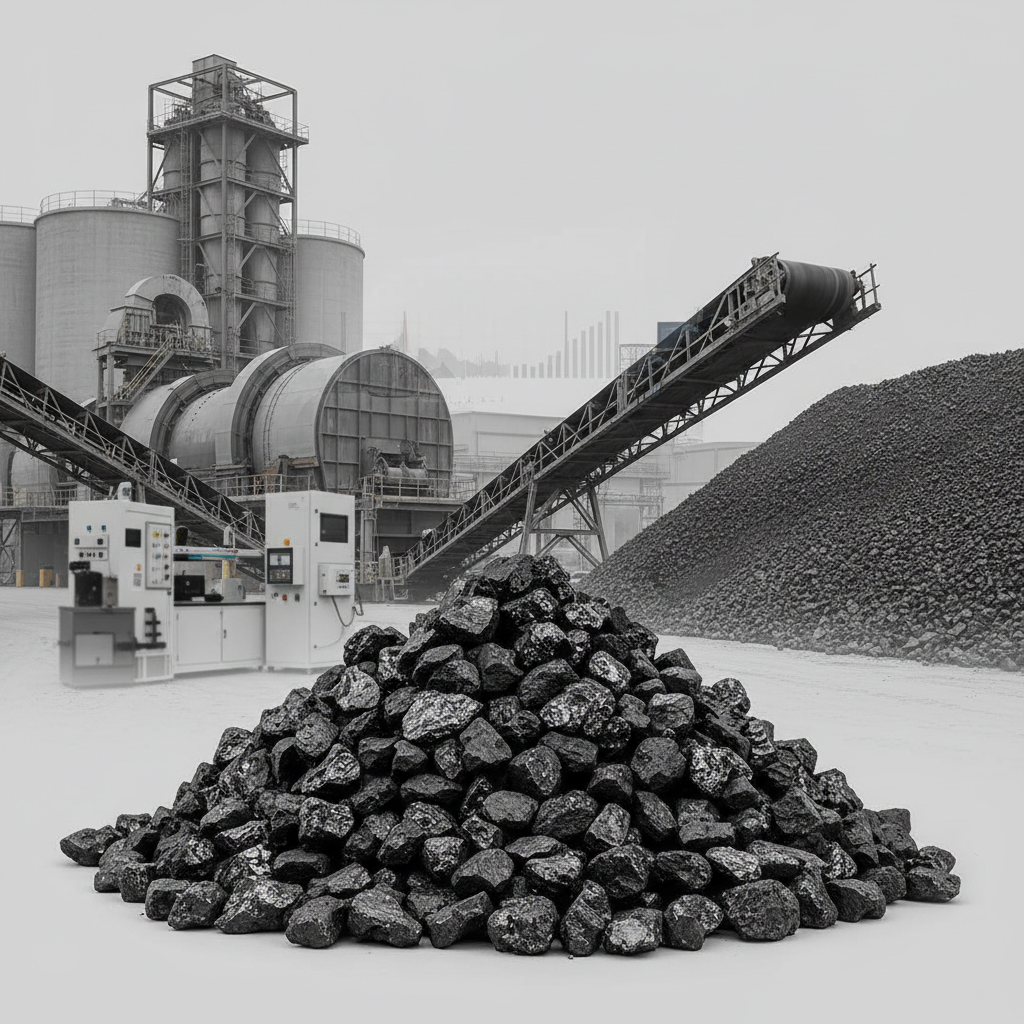
In the complex ecosystem of industrial carbon materials, identifying reliable pet coke suppliers is fundamental for manufacturers who rely on high-carbon feedstock for aluminum smelting, steel production, and graphite electrode manufacturing. Petroleum coke, the byproduct of the oil refining process, serves as a critical energy source and raw material, where the quality of the sulfur content and VCM (Volatile Matter) directly impacts the efficiency of the final industrial application.
The global demand for high-grade carbon agents has led to a sophisticated supply chain where the distinction between green and delayed coke determines the suitability for specific heat-treatment processes. For industries producing Graphite Blocks or Electrode Paste, the consistency provided by top-tier pet coke suppliers ensures that structural integrity and electrical conductivity are maintained across massive production batches, reducing waste and operational downtime.
Understanding the nuances of the market—ranging from pricing volatility to logistical constraints—allows procurement managers to build resilient strategies. By partnering with experienced pet coke suppliers, companies can navigate the technical requirements of various carbon grades, ensuring that their Carburizing Agents and Graphite Powder meet international ISO standards for purity and performance.
Global Market Dynamics of Pet Coke Suppliers
The landscape of pet coke suppliers is heavily influenced by the global refining capacity and the shift toward cleaner fuels. As refineries adjust their cracking processes to meet environmental mandates, the availability of specific coke grades fluctuates, creating a ripple effect through the aluminum and steel industries. This volatility requires manufacturers to establish long-term contracts with diverse suppliers to mitigate the risk of raw material shortages.
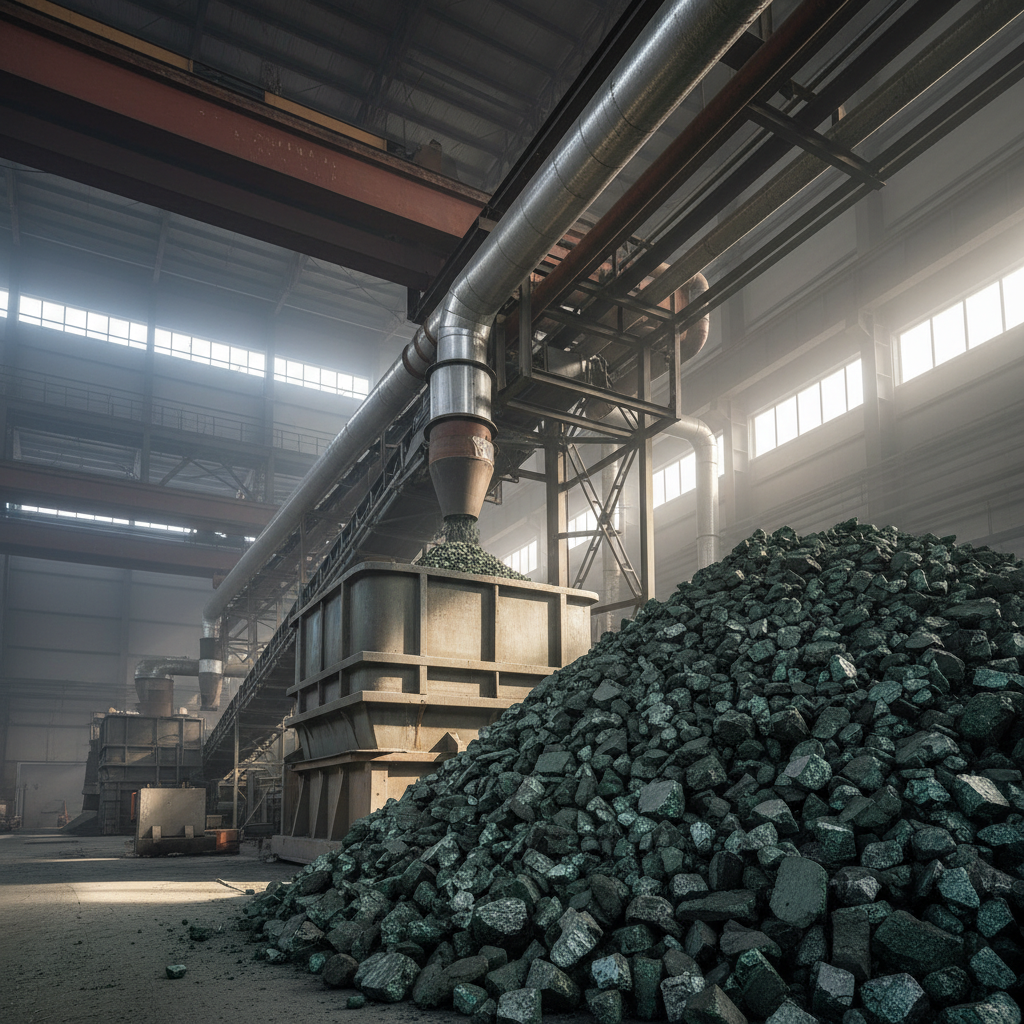
Furthermore, the geographical concentration of high-quality delayed coke production means that logistics and maritime shipping costs play a decisive role in the final pricing. Leading pet coke suppliers are now investing in strategic storage hubs and optimized supply chain software to ensure just-in-time delivery, which is crucial for maintaining the continuous operation of high-temperature furnaces.
Technical Specifications and Grading Standards
When evaluating pet coke suppliers, the primary technical focus is on the chemical composition, specifically the sulfur content and the ash percentage. Low-sulfur petroleum coke is highly coveted for the production of graphite electrodes and anodes, as sulfur impurities can lead to structural weaknesses and increased emissions during the baking process.
Beyond chemistry, the physical properties such as the VCM (Volatile Matter) and the density of the coke are paramount. Suppliers who provide detailed Certificates of Analysis (CoA) allow engineers to precisely calibrate their mixing ratios for Electrode Paste or Carburizing Agents, ensuring that the carbonization process occurs uniformly without creating internal voids in the material.
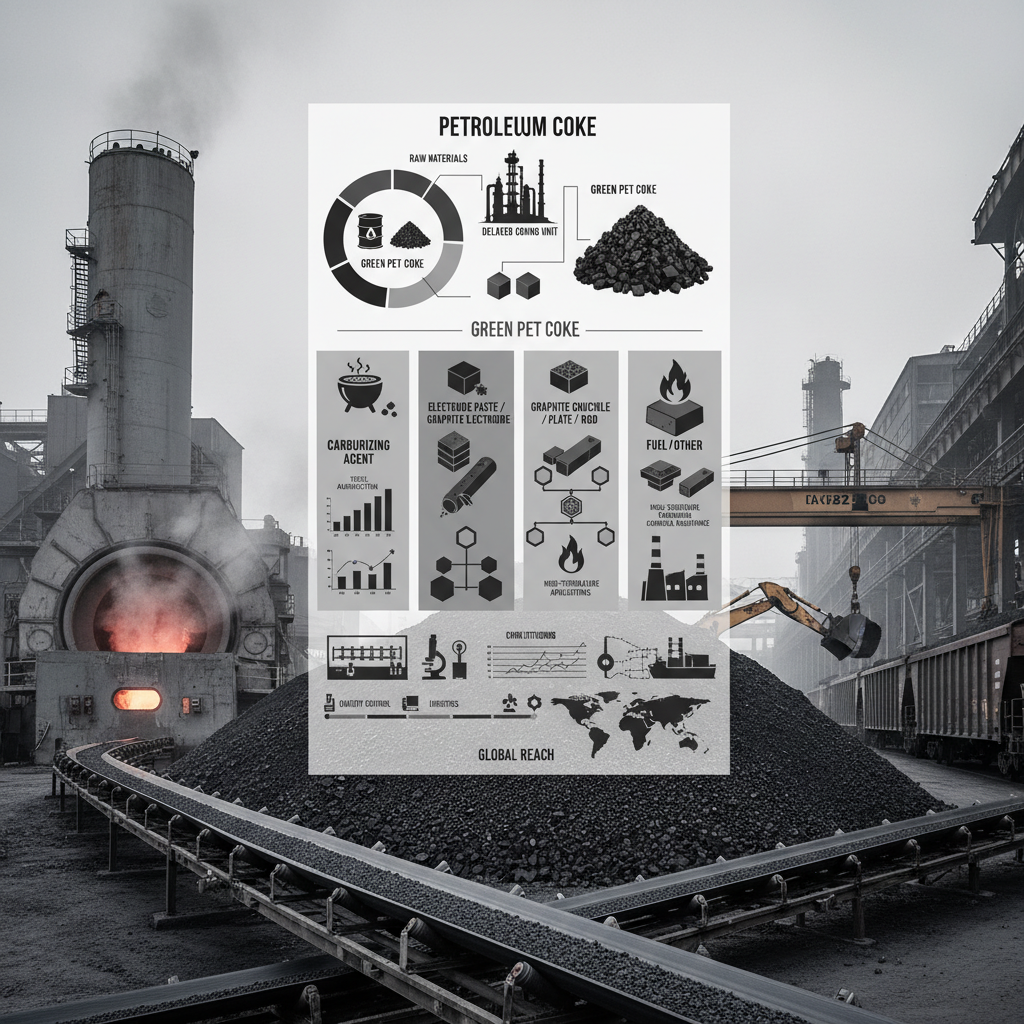
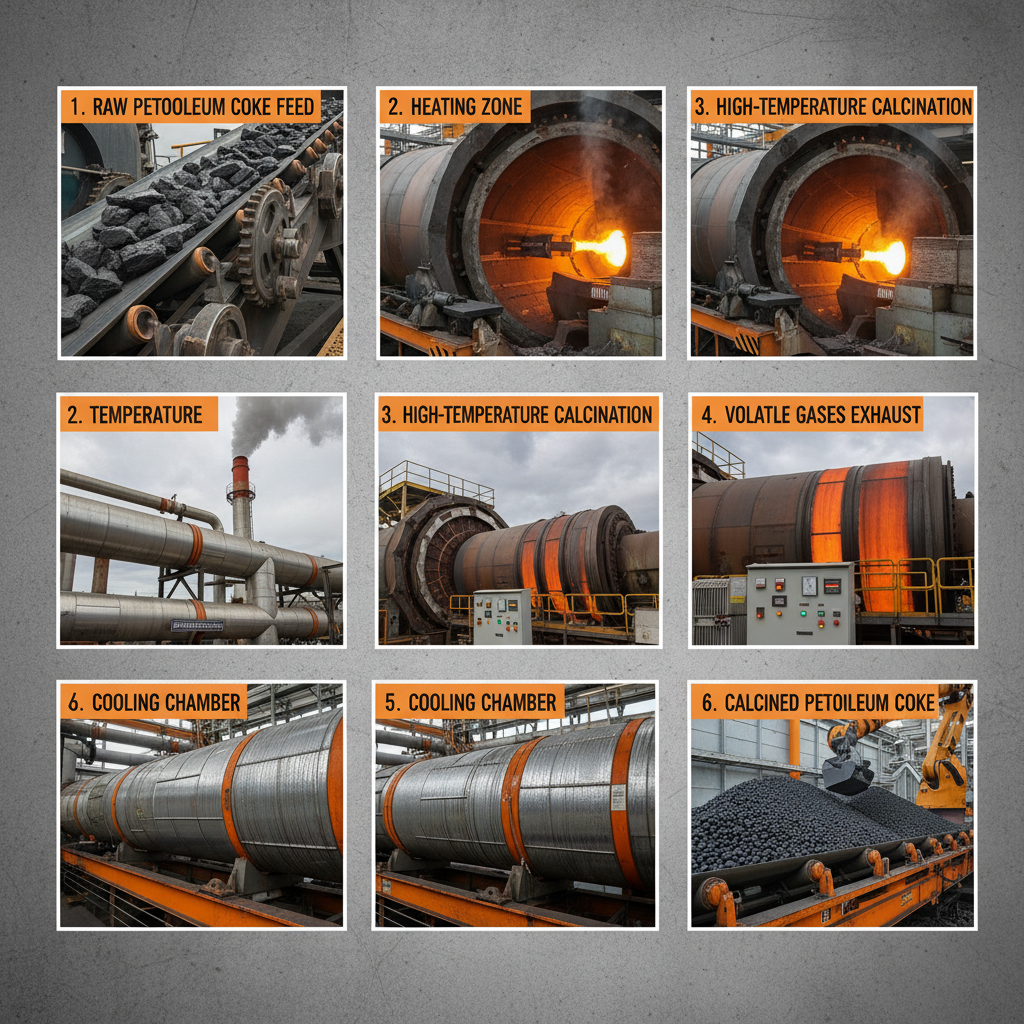
The industry typically distinguishes between "Green Coke" (fresh from the delayed coker) and "Calcined Coke" (heat-treated to remove volatiles). Professional pet coke suppliers often offer both, providing the flexibility for plants that have their own calcination facilities versus those that require ready-to-use, high-density carbon feedstock.
Critical Selection Factors for Industrial Procurement
Selecting the right pet coke suppliers requires a balanced approach between cost-efficiency and technical rigor. Procurement teams must look beyond the per-ton price and analyze the total cost of ownership, including the impact of impurities on furnace liner wear and the energy required for additional purification steps.
Consistency is the hallmark of premium pet coke suppliers. In the production of Graphite Tubes and Graphite Rods, even a slight variance in the carbon structure of the raw coke can lead to inconsistent electrical conductivity, which in turn affects the precision of the final manufactured part.
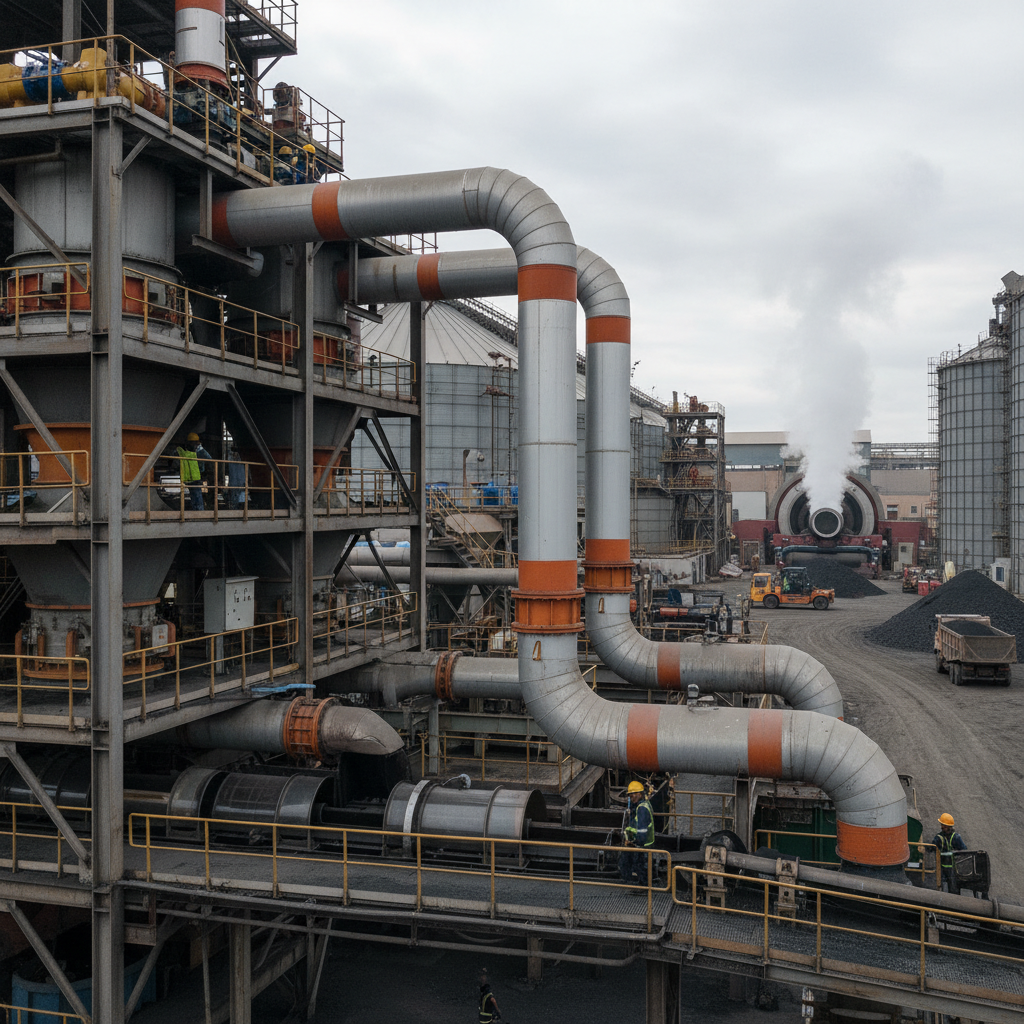
Reliability in logistics and the ability to scale supply during peak demand are also critical. The best pet coke suppliers implement rigorous quality control protocols at the loading point, ensuring that moisture levels are kept low to prevent clumping during transit and storage in silos.
Operational Efficiency and Cost-Benefit Analysis
Integrating high-grade materials from reputable pet coke suppliers directly correlates with lower operational overheads. By reducing the sulfur content in the feedstock, plants can extend the life of their refractory bricks and reduce the frequency of environmental scrubbing maintenance, leading to significant long-term savings.
Moreover, the precision in particle size distribution provided by specialized pet coke suppliers optimizes the packing density of Electrode Paste. This efficiency reduces the amount of binder required and decreases the shrinkage rate during the firing process, resulting in a higher yield of first-grade products.
Operational Performance Comparison Across Pet Coke Suppliers
Strategic Applications in Graphite Manufacturing
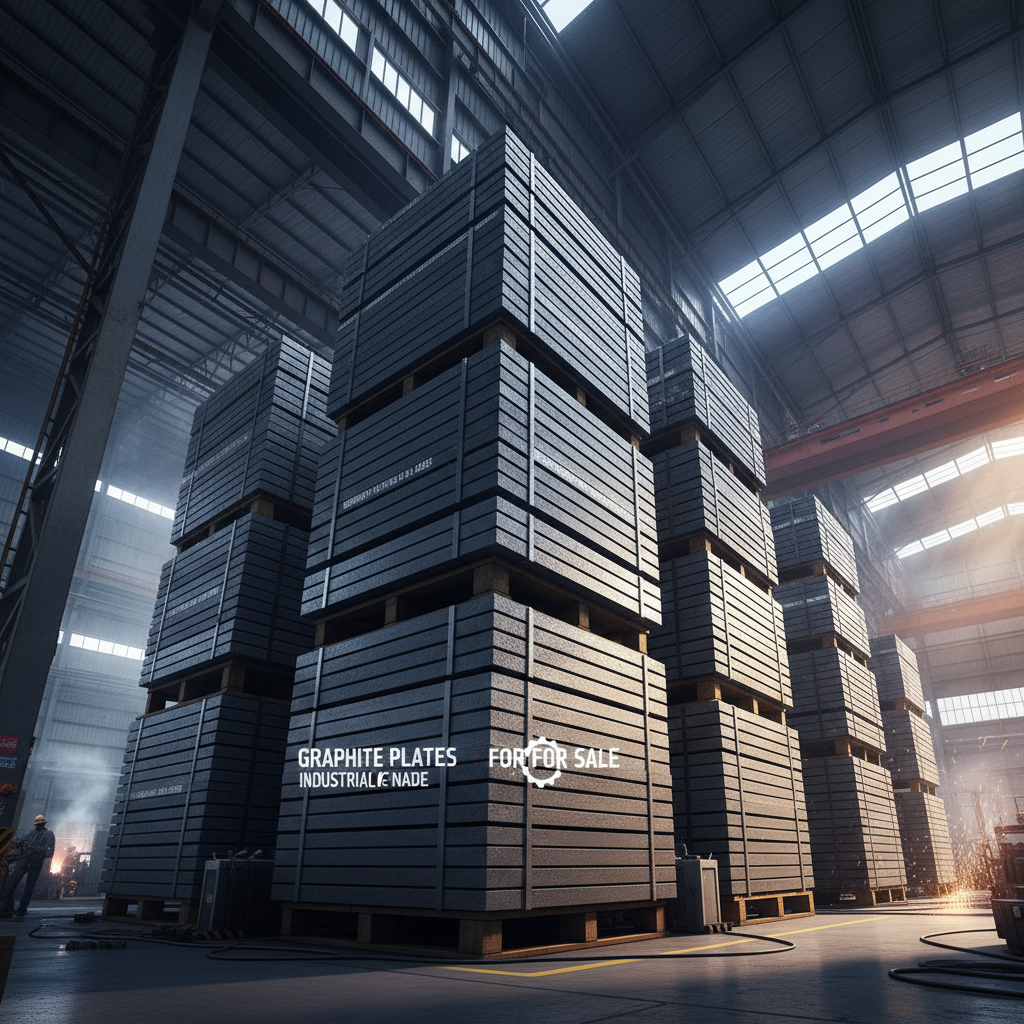
The versatility of materials sourced from pet coke suppliers allows for the creation of a wide array of graphite products. For instance, in the production of Graphite Crucibles and Graphite Plates, the purity of the petroleum coke determines the resistance to chemical erosion and the ability to withstand extreme thermal shocks without cracking.
In the specialized field of Graphite Paper and Graphite Powder, the raw coke is processed through intensive milling and purification. By sourcing from pet coke suppliers who specialize in needle coke—a high-value variant with an anisotropic structure—manufacturers can produce electrodes with superior current-carrying capacity and mechanical strength.
Environmental Compliance and Sustainability Trends
As global carbon regulations tighten, the role of pet coke suppliers is evolving to include a focus on sustainable sourcing and emission reduction. The transition toward "Green Coke" initiatives involves implementing advanced filtration systems at refineries to reduce the particulate matter released during the coking process.
Many forward-thinking pet coke suppliers are now providing documentation on the carbon footprint of their logistics, enabling their clients to meet ESG (Environmental, Social, and Governance) reporting requirements. This transparency is becoming a competitive advantage in the European and North American markets.
Additionally, the research into recycled carbon agents is gaining momentum. Some pet coke suppliers are exploring ways to re-process industrial carbon waste, blending it with virgin petroleum coke to create a sustainable hybrid material that maintains industrial performance while reducing raw resource extraction.
Future Innovations in Carbon Feedstock Logistics
The future of the relationship between manufacturers and pet coke suppliers lies in digitalization. The adoption of blockchain technology for tracking the provenance and quality of every shipment ensures that the chemical specifications promised in the contract are exactly what arrives at the factory gate.
Automation in the handling of bulk carbon is another key trend. Advanced pet coke suppliers are implementing automated bagging and weighing systems that reduce human error and contamination, ensuring that the precision of the material is preserved from the refinery to the crucible.
Moreover, the development of tailor-made coke blends is on the rise. Instead of providing a generic grade, the next generation of pet coke suppliers will act as material science partners, customizing the ash and sulfur profiles to match the specific metallurgical needs of the customer's unique furnace chemistry.
Analysis of Technical and Logistical Performance of Pet Coke Suppliers
| Supplier Tier |
Purity Level (S/Ash) |
Supply Chain Stability |
ESG Compliance Score |
| Tier 1 Global Leader |
Ultra-Low Sulfur |
High (Diversified) |
9.5/10 |
| Regional Specialist |
Controlled/Medium |
Medium (Local) |
7.2/10 |
| Bulk Commodity Dealer |
Variable/High Ash |
High (Volume) |
5.8/10 |
| Boutique Tech Supplier |
Precision Grade |
Low (Niche) |
8.9/10 |
| Integrated Refinery |
Consistent/Standard |
Very High |
8.1/10 |
| Emerging Market Trader |
Unstable |
Medium |
6.4/10 |
FAQS
To verify quality, you should request a comprehensive Certificate of Analysis (CoA) for every batch, specifically checking the sulfur content, ash percentage, and VCM. It is highly recommended to conduct independent third-party lab testing on a sample before committing to a large shipment to ensure the material meets your specific industrial requirements for graphite or aluminum production.
Green coke is the raw petroleum coke as it comes from the delayed coker unit; it contains volatile materials that must be removed. Calcined coke has been processed in a kiln to drive off these volatiles, resulting in a denser, more stable carbon material. Depending on whether your facility has its own calciner, you will choose one or the other from your pet coke suppliers.
High sulfur content can lead to several problems: it increases harmful SOx emissions, creates impurities in the final graphite product, and can cause structural pitting in electrodes. Low-sulfur coke ensures a higher purity final product and reduces the cost of environmental compliance and furnace maintenance.
Yes, many top-tier suppliers offer custom blending services. By mixing different grades of petroleum coke, they can help you achieve a specific balance of sulfur, ash, and density that optimizes your unique production process, whether you are making Graphite Powder or Electrode Paste.
Lead times vary based on the region and transport mode, but typically range from 4 to 12 weeks for international shipments. This includes refinery processing, port logistics, and ocean freight. Establishing a strategic reserve or partnering with suppliers who have regional hubs can mitigate these delays.
Pricing is usually based on a combination of the global crude oil market, the demand for aluminum/steel, and the specific technical grade of the coke. High-purity, low-sulfur needle coke commands a significant premium over standard fuel-grade petroleum coke due to its scarcity and specialized application in graphite electrodes.
Conclusion
In conclusion, the strategic selection of pet coke suppliers is not merely a procurement task but a critical engineering decision. From the chemical purity of sulfur and ash to the logistical reliability of the supply chain, every factor influences the quality of the resulting Graphite Blocks, Electrode Pastes, and other carbon products. By prioritizing consistency, technical transparency, and environmental compliance, manufacturers can ensure operational stability and a competitive edge in the global marketplace.
Looking forward, the industry will move toward a more integrated, digitalized approach where sustainability and precision customization become the standard. We encourage procurement managers to seek partners who view themselves as material science collaborators rather than simple vendors. To discover the highest quality carbon solutions and reliable supply chains, visit our website: www.nlgraphite.com.