

Graphite rods are essential industrial components utilized across high-temperature and chemically aggressive environments due to their unique combination of thermal stability and electrical conductivity. Whether used as electrodes in smelting or as heating elements in vacuum furnaces, the quality of these components depends entirely on the precision of the manufacturing process. Selecting a reliable graphite rods factory ensures that the material maintains structural integrity under extreme thermal shock and mechanical stress.
For B2B procurement officers and engineers, understanding the distinction between different graphite grades—such as isostatic vs. molded—is critical for operational efficiency. The industry is shifting toward higher purity levels to prevent contamination in semiconductor and metallurgy applications. This requires a sophisticated production chain involving precise calcination of petroleum coke and controlled graphitization cycles to achieve the desired crystalline structure and bulk density.
In this comprehensive guide, we will analyze the technical parameters that define high-performance graphite components, the specific application scenarios in chemical and electronic fields, and the criteria for evaluating a supplier's manufacturing capacity. By mapping technical requirements to production capabilities, buyers can mitigate risks related to material failure and optimize the lifecycle value of their industrial consumables.
Technical Foundations of Graphite Rod Production
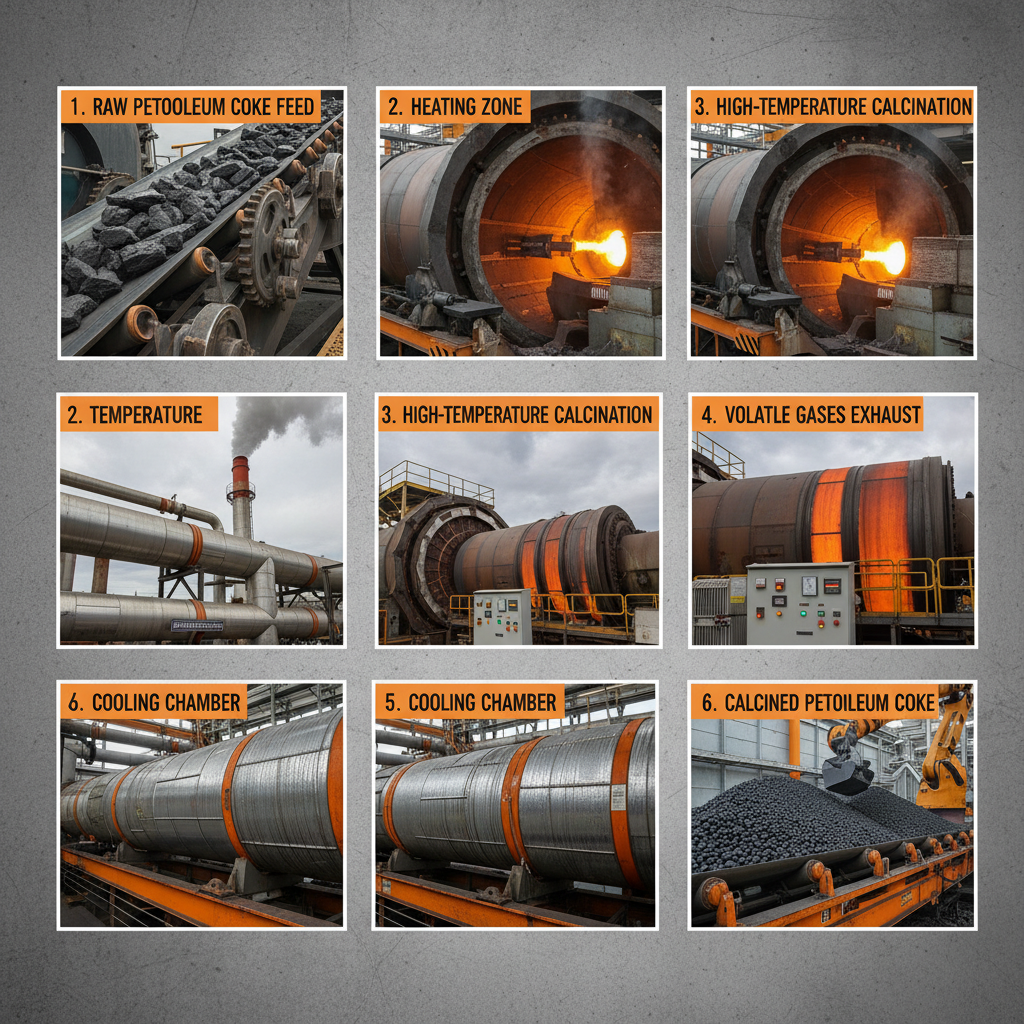
The production of industrial graphite involves a complex transformation of carbonaceous materials into a highly ordered crystalline structure. It begins with the selection of high-quality petroleum coke, which undergoes calcination to remove volatile components. The resulting material is milled into fine particles and mixed with binders to form a paste. Depending on the required properties, this paste is either extruded or subjected to isostatic pressing—a process where equal pressure is applied from all directions to ensure a uniform density throughout the rod. This uniformity is crucial for preventing internal stresses that could lead to cracking during high-temperature operation. Following shaping, the components are baked and then graphitized in furnaces at temperatures exceeding 2500°C. This final step reorganizes the carbon atoms into the hexagonal lattice structure characteristic of graphite, which provides the material with its hallmark electrical conductivity and lubricity. For a deeper understanding of the geometry involved, one may refer to the general physics of graphite rods factory specifications.
Industrial Procurement and Specification Guide
Procuring graphite components requires a detailed alignment between the operating environment and the material's technical specifications. A failure to match the graphite grade to the specific thermal or chemical load can result in premature erosion or catastrophic structural failure.
Material Grade and Composition
The purity of the graphite directly impacts its performance in chemical reactors and electronic components. Industrial grades typically focus on bulk density and ash content. Lower ash content reduces the risk of contamination in metal smelting. For instance, components with a bulk density of 1.68-1.85 G/cm³ provide a balanced profile of strength and conductivity suitable for most metallurgy applications.
| Technical Parameter | Standard Requirement | Industrial Impact | Buyer's Checkpoint |
|---|---|---|---|
| Bulk Density | 1.68 - 1.85 G/cm³ | Affects mechanical strength | Verify via Archimedes method |
| Ash Content | < 0.05% | Prevents melt contamination | Check chemical analysis report |
| Compress Strength | ~ 50 Mpa | Resistance to deformation | Evaluate load-bearing capacity |
| Bending Strength | ~ 25 Mpa | Prevents snapping under stress | Assess flexural modulus |
| Carbon Content | > 99% | Ensures chemical stability | Confirm purity grade |
| Grain Size | Fine Particles | Improves surface finish | Inspect surface morphology |
Isostatic Pressing vs. Extrusion
The forming method determines the isotropy of the final product. Extruded rods often exhibit directional properties, whereas isostatic graphite is uniform in all directions. This makes isostatic components superior for applications involving complex thermal gradients, as they expand and contract uniformly, significantly reducing the risk of thermal shock cracking in vacuum furnaces.
Thermal and Electrical Conductivity
Graphite's ability to transfer heat and electricity is a primary reason for its use in battery electrodes and heating elements. High conductivity reduces energy loss in smelting furnaces and improves the efficiency of electronic circuit boards. The degree of graphitization determines these properties; higher temperatures during the final bake result in better conductivity.
Corrosion Resistance in Harsh Environments
In chemical fields, graphite is prized for its stability against acid-base reactors. Its innate resistance to chemical erosion makes it an ideal material for heat exchangers and reactors. When selecting a product, buyers must ensure the material is compatible with the specific corrosive agents present in their production line to avoid rapid degradation.
Custom Dimensioning and Tolerances
Many industrial applications require precise fits, such as graphite sealing or rotors and shafts. Manufacturing capabilities must include NC machining centers to achieve fine tolerance accuracy. The ability to provide customized dimensions is a key differentiator for suppliers, ensuring that the graphite components integrate seamlessly with existing machinery.
Application in Smelting and Electronics
The versatility of these carbon products spans from heavy metallurgy to micro-electronics. In smelting, they serve as crucibles and conductive electrodes. In the electronics sector, they are utilized for battery electrodes and circuit board components, where high purity and precise electrical properties are non-negotiable.
Evaluating Manufacturing Capabilities
A professional supplier should demonstrate an integrated pipeline from design and development to trial production. For instance, Shijiazhuang Nalai Biotechnology Co., Ltd utilizes a workforce of 30 technicians and 360 skilled workers, supported by NC processing lines and automatic feed proportioning systems. This infrastructure ensures consistent quality and the capacity to scale production to meet global demand.
FAQ
What is the difference between industrial grade and high-purity graphite?
Industrial grade graphite is suitable for general metallurgy and machinery where some ash content is permissible. High-purity graphite is processed to remove almost all metallic impurities, making it essential for semiconductor manufacturing, nuclear energy equipment, and high-end electronics where contamination could lead to product failure.
How does isostatic pressing improve the quality of graphite rods?
Isostatic pressing applies equal pressure from all sides of the material during forming. This eliminates the directional weaknesses often found in extruded products, resulting in a uniform density. The primary benefit is superior resistance to thermal shock and consistent mechanical strength regardless of the direction of the applied load.
Can graphite components be customized for specific industrial dimensions?
Yes, most professional manufacturers provide custom styles and dimensions. This is typically achieved through NC machining after the graphitization process. Buyers should provide detailed drawings specifying the required tolerances to ensure the final product fits the application, such as in specialized graphite seals or shafts.
What factors affect the lead time for large B2B graphite orders?
Lead times are primarily influenced by the production cycle—specifically the baking and graphitization stages, which cannot be rushed. While off-season lead times may be 1-3 months, peak seasons may vary. Total time also depends on the complexity of customization and the volume of the order.
Why is ash content a critical metric for metal smelting graphite?
Ash content refers to the non-carbon impurities remaining after combustion. In smelting, these impurities can migrate into the molten metal, altering the alloy's chemical composition and degrading the quality of the final metal product. Keeping ash content low (e.g., 0.05%) is essential for maintaining high purity in the smelt.
How should I evaluate a graphite supplier's quality control system?
Buyers should look for suppliers that integrate design, development, and production. Key indicators include the presence of NC machining centers, the use of automatic feed proportioning systems, and a documented quality control process. Requesting samples for testing and reviewing their experience in international markets are also effective ways to validate reliability.
References and further reading
- ASTM International - Standards for Carbon and Graphite Materials.
- Materials Science and Engineering: Properties of Isostatic Graphite.
- Industrial Thermal Processing Handbook - Graphitization Cycles.
Related Articles