Calcined petroleum, a crucial carbon material, stands as a foundational element in numerous industrial processes globally. Its production, primarily from the delayed coking of crude oil, yields a high-carbon residue vital for aluminum production, graphite electrode manufacturing, and various metallurgical applications. Understanding the properties and applications of calcined petroleum is paramount for optimizing industrial efficiency and fostering innovation in material science.
The global demand for calcined petroleum is significantly influenced by the growth of aluminum and steel industries, particularly in emerging economies like China and India. According to recent reports from the World Steel Association, global steel production continues to rise, driving increased consumption of calcined petroleum as a key component in steelmaking. This heightened demand presents both opportunities and challenges related to sustainable sourcing and environmental impact.
The significance of calcined petroleum extends beyond its industrial applications. It plays a critical role in ensuring the quality and performance of finished products, contributing to enhanced durability, electrical conductivity, and chemical resistance. Continued research and development efforts are focused on improving its properties and exploring new applications, solidifying its position as an indispensable material in modern manufacturing.
The Essence of Calcined Petroleum
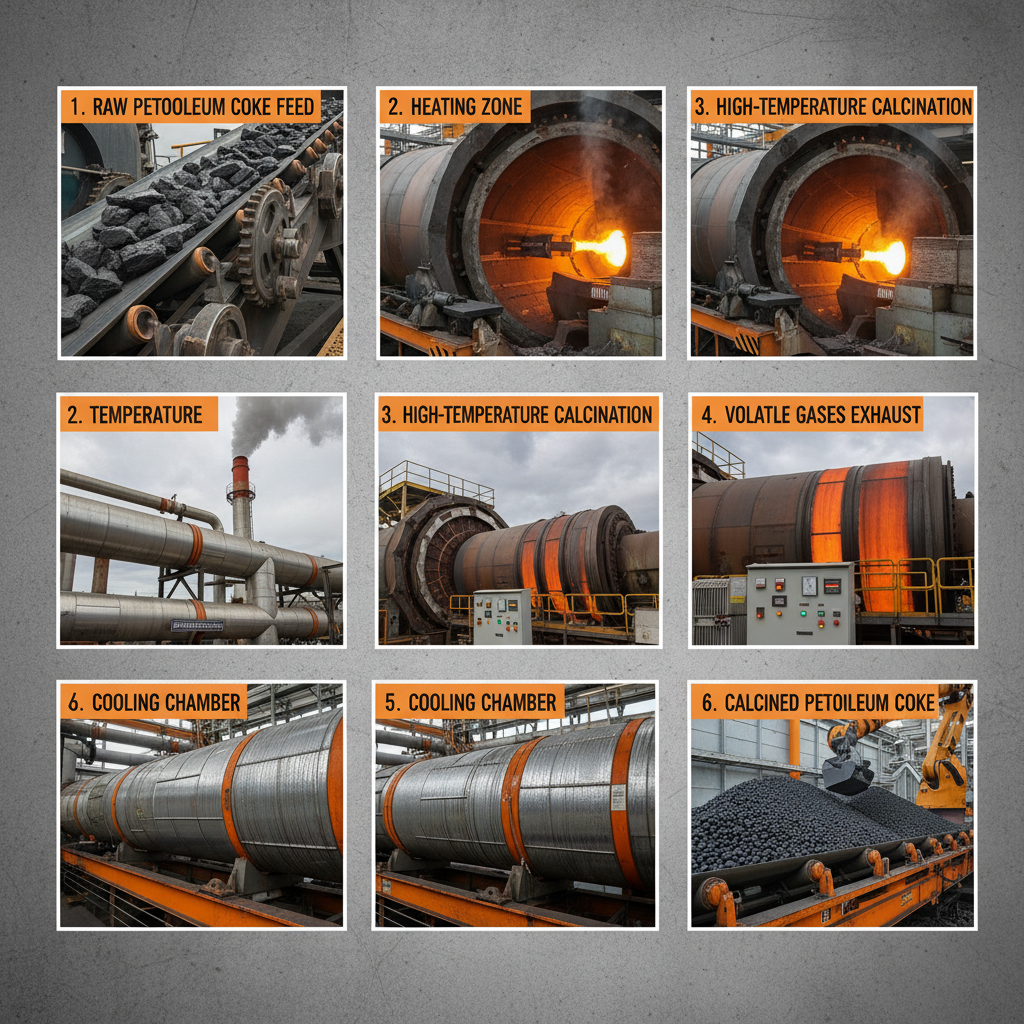
Calcined petroleum isn’t merely a byproduct; it's a deliberately processed material. Through controlled heating – calcination – volatile components are driven off, leaving behind a highly carbonaceous residue. This process is pivotal in tailoring the material's properties for specific industrial applications, influencing its purity, density, and reactivity. The resulting product is then rigorously analyzed and graded to meet stringent industry standards.
The economic impact of calcined petroleum is substantial, supporting significant portions of the global materials supply chain. It's a critical raw material for industries reliant on carbon-based components, contributing significantly to job creation and economic growth in producing regions. Fluctuations in crude oil prices and environmental regulations directly impact its production cost and market availability.
Global Context and Industrial Relevance
The global market for calcined petroleum is intrinsically linked to the fortunes of the aluminum smelting industry, which consumes a significant portion of the world’s production as an essential component in anode production. China currently dominates both aluminum production and calcined petroleum demand, creating a complex interplay of supply and pricing pressures. Other key consuming regions include Europe, North America, and the Middle East, each with varying levels of domestic production capacity.
Beyond aluminum, calcined petroleum is increasingly utilized in the manufacturing of graphite electrodes used in electric arc furnaces (EAFs) for steel production. The rising demand for recycled steel, coupled with the increasing efficiency of EAF technology, is further bolstering calcined petroleum consumption in the steel sector. Furthermore, specialized applications in titanium dioxide production and carbon black manufacturing contribute to its overall market demand.
A major challenge facing the industry is the environmental impact of calcined petroleum production. The calcination process itself generates greenhouse gas emissions and requires responsible waste management. Increasingly stringent environmental regulations are driving innovation in production technologies aimed at minimizing these impacts and promoting sustainable practices.
Defining Calcined Petroleum: A Comprehensive Overview
Calcined petroleum, in its simplest form, is the carbon-rich residue remaining after the thermal decomposition of crude oil under controlled conditions. The process, known as delayed coking, involves heating heavy crude oil fractions to high temperatures, breaking down complex hydrocarbons into simpler molecules and leaving behind a solid carbonaceous material. This material is not a single, uniform substance but rather a complex mixture of carbon, with varying levels of impurities and graphitic structures.
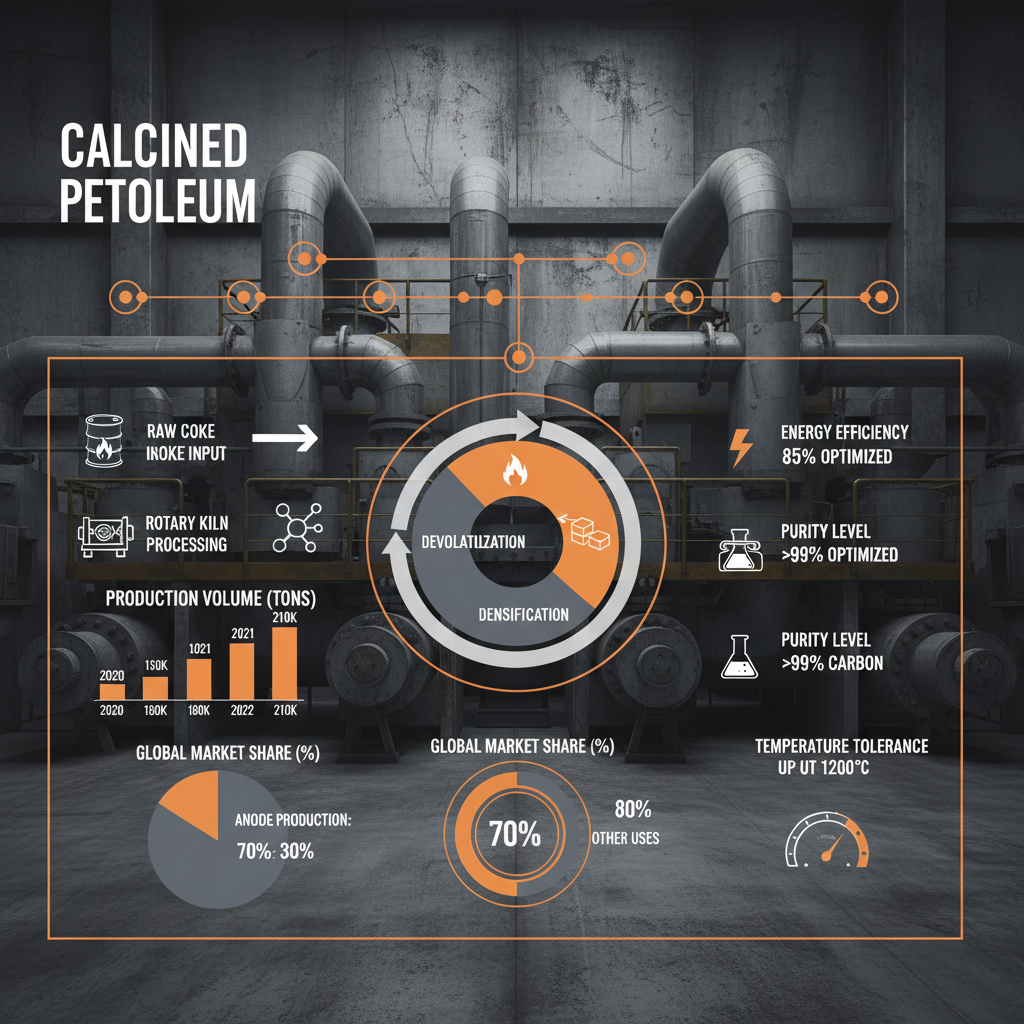
The key difference between raw petroleum coke and calcined petroleum lies in the calcination process itself. Calcination significantly enhances the carbon content, reduces volatile matter, and increases the density and electrical conductivity of the material. This makes calcined petroleum suitable for demanding applications where high purity and consistent performance are crucial, like electrode production.
Understanding the classification of calcined petroleum is also essential. Different grades are produced based on sulfur content, ash content, and particle size distribution. Each grade is tailored to specific applications, ensuring optimal performance and compatibility with downstream processes. For instance, low-sulfur calcined petroleum is preferred for aluminum smelting, while higher-sulfur grades may be suitable for certain steelmaking applications.
Key Characteristics of Calcined Petroleum
The properties of calcined petroleum are heavily influenced by the source crude oil and the calcination process. High carbon content, typically ranging from 90% to 99%, is a defining characteristic, directly impacting its conductivity and strength. Density, generally between 1.8 and 2.2 g/cm³, is also critical, affecting its performance in applications like anode production.
Another significant characteristic is its electrical conductivity. Calcined petroleum boasts excellent electrical conductivity, making it indispensable for electrode applications. The degree of graphitization, which reflects the ordering of carbon atoms, directly correlates with conductivity. Sulfur content, while often minimized, also plays a role, impacting the material's reactivity and compatibility with other components.
Calcined Petroleum Properties by Method
Diverse Applications Across Industries
The most prominent application of calcined petroleum remains the production of anodes for the aluminum smelting industry. These anodes are consumed during the electrolytic process of extracting aluminum from alumina, requiring a material with high carbon content, conductivity, and resistance to thermal shock.
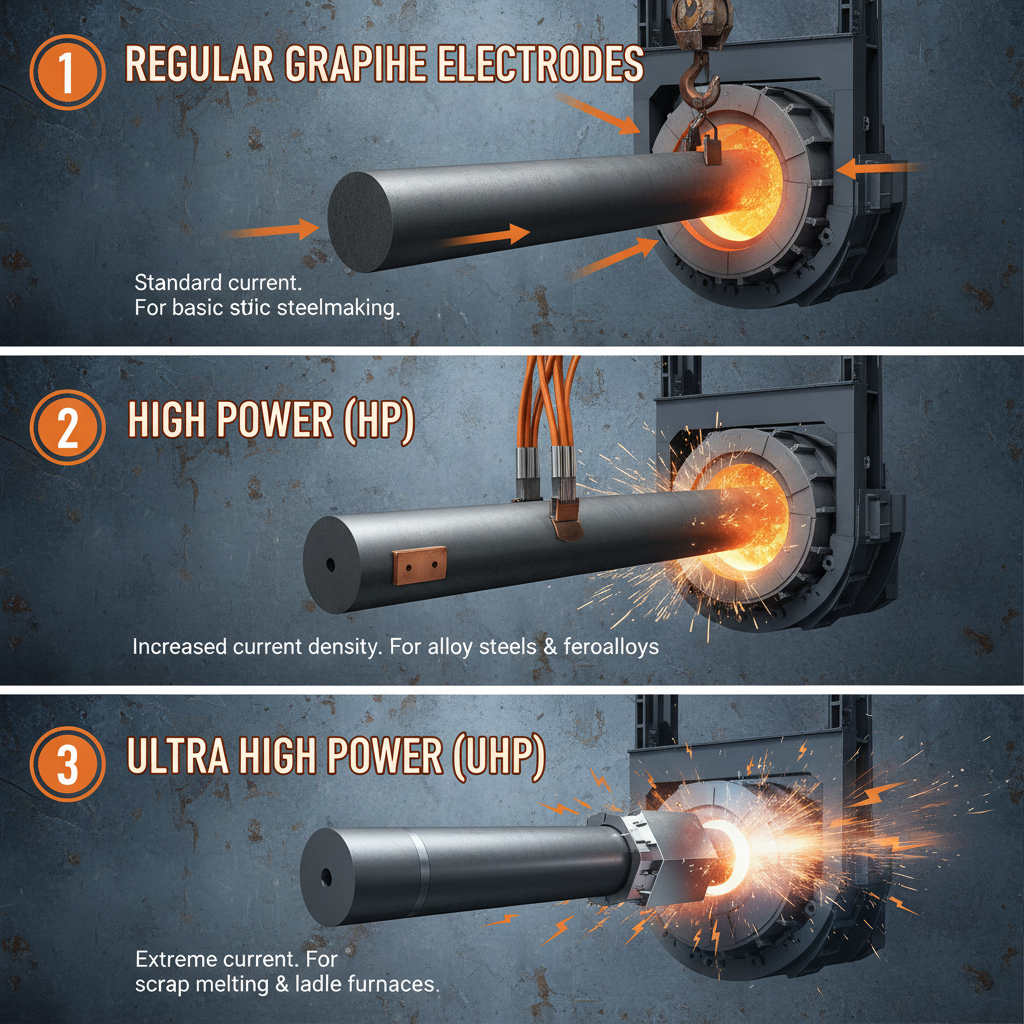
Beyond aluminum, calcined petroleum serves as a critical component in the manufacturing of graphite electrodes used in electric arc furnaces (EAFs) for steel production. These electrodes transfer electrical energy to melt scrap metal, forming the basis of a highly efficient and increasingly sustainable steelmaking process.
The Advantages of Utilizing Calcined Petroleum
Calcined petroleum offers significant advantages in terms of cost-effectiveness, particularly when compared to other carbon materials like natural graphite. Its relatively low production cost, coupled with its consistent performance, makes it an attractive option for large-scale industrial applications. Furthermore, its readily available supply ensures reliable sourcing for manufacturers.
From a performance perspective, calcined petroleum provides excellent electrical conductivity, contributing to efficient energy transfer in electrode applications. Its high carbon content and density also enhance the mechanical strength and durability of finished products. These combined properties translate to improved process efficiency and reduced operating costs for end-users.
The use of calcined petroleum also supports sustainability efforts by enabling the efficient recycling of aluminum and steel. By facilitating the production of high-quality recycled materials, it contributes to a circular economy and reduces reliance on primary resource extraction.
Future Trends and Innovations in Calcined Petroleum
The future of calcined petroleum hinges on addressing environmental concerns and optimizing production processes. Research and development efforts are focused on reducing sulfur emissions, minimizing waste generation, and exploring alternative calcination technologies with lower carbon footprints. These efforts are crucial for aligning the industry with increasingly stringent environmental regulations.
Innovations in material science are also driving the development of advanced calcined petroleum grades with enhanced properties. This includes tailoring the graphitic structure to improve conductivity, increasing density for greater mechanical strength, and reducing impurity levels for specialized applications. The use of additives and surface treatments is also being explored to further enhance performance.
Digitalization and automation are poised to play a significant role in optimizing calcined petroleum production. Implementing advanced process control systems, utilizing data analytics for predictive maintenance, and employing robotic automation can improve efficiency, reduce costs, and enhance product quality.
FAQS
Several factors contribute to calcined petroleum pricing. Crude oil prices are a primary driver, as they constitute a significant portion of the production cost. Demand from the aluminum and steel industries, global supply chain dynamics, and environmental regulations also play a crucial role. Geopolitical events and transportation costs can further impact pricing fluctuations.
Calcined petroleum is essential for the efficient production of aluminum, which is a highly recyclable material. Using calcined petroleum anodes allows for the electrolytic reduction of alumina, enabling aluminum extraction. The recyclability of aluminum significantly reduces energy consumption and greenhouse gas emissions compared to primary aluminum production. However, the production of calcined petroleum itself has environmental impacts that require mitigation.
Calcined petroleum is classified based on properties like sulfur content, ash content, and particle size. Low-sulfur grades are preferred for aluminum smelting due to their minimal impact on cell performance. Higher-sulfur grades may be used in steelmaking applications. Different particle size distributions are tailored for specific electrode manufacturing processes, ensuring optimal packing density and conductivity.
Several technologies are being developed to minimize the environmental footprint of calcined petroleum production. These include carbon capture and storage (CCS) technologies to reduce greenhouse gas emissions, improved waste management systems to recover valuable byproducts, and alternative calcination processes with lower energy consumption. Research is also focused on utilizing renewable energy sources to power calcination facilities.
The quality of calcined petroleum directly impacts the performance of graphite electrodes. High carbon content ensures good conductivity and reduces electrode consumption. Low ash content minimizes impurities that can degrade performance. Consistent particle size distribution improves electrode strength and packing density. Utilizing high-quality calcined petroleum leads to longer electrode life, reduced downtime, and improved steelmaking efficiency.
The calcined petroleum market is expected to grow steadily, driven by increasing demand from the aluminum and steel industries. The rise of electric arc furnaces and the growing focus on recycled steel will further boost consumption. However, environmental regulations and the search for sustainable alternatives will pose challenges. Innovation in production technologies and material science will be crucial for long-term growth and competitiveness.
Conclusion
In summary, calcined petroleum is a vital carbon material that underpins numerous industrial processes, most notably aluminum and steel production. Its unique properties—high carbon content, excellent conductivity, and cost-effectiveness—make it an indispensable component in these sectors. Addressing environmental concerns through innovative production technologies and sustainable practices is crucial for its long-term viability.
Looking ahead, the continued development of advanced calcined petroleum grades, coupled with the integration of digital technologies, will further enhance its performance and efficiency. Investing in research and development, fostering collaboration across the supply chain, and prioritizing environmental responsibility will be key to unlocking the full potential of calcined petroleum and ensuring its continued relevance in a rapidly evolving industrial landscape.