search
Search

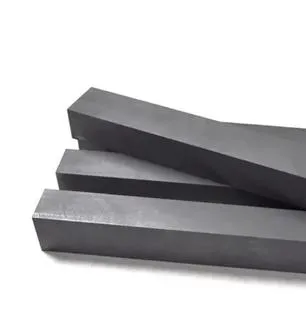
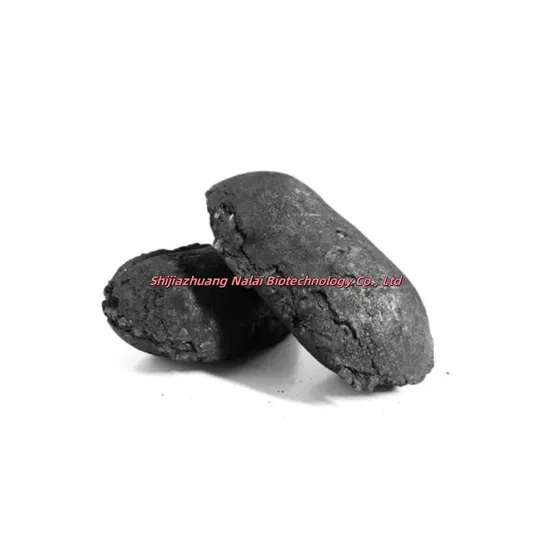
Advanced Graphitized Petroleum Coke Solutions for Argentina's Industrial Sector

Providing high-conductivity carbon materials to power Argentina's metallurgical and energy infrastructure with precision-engineered graphite products.

Advanced Graphitized Petroleum Coke Solutions for Argentina's Industrial Sector

Optimizing industrial efficiency in South America through high-purity carbon solutions tailored for extreme thermal and electrical requirements.

The Industrial Landscape of Carbon Materials in Argentina

Analyzing the demand for high-performance carbon additives in the Southern Cone.

Argentina's industrial core, particularly in provinces like Neuquén and Chubut, relies heavily on the energy sector. The integration of calcined petroleum coke is critical for the local aluminum and steel production cycles, where thermal stability is paramount given the regional climate variations.

Currently, the market faces a transition from basic carbon imports to specialized materials. The need for calcined coke has surged as local smelters seek to reduce energy consumption and improve the purity of their electrode pastes to meet international export standards.

Furthermore, the expansion of the Vaca Muerta shale formation has indirectly boosted the demand for high-grade graphite products used in drilling and processing equipment, pushing the local industry toward more sophisticated petroleum coking derivatives.
Evolution and Trajectory of Carbon Manufacturing

From traditional smelting to high-tech graphitization processes.

Market Development History

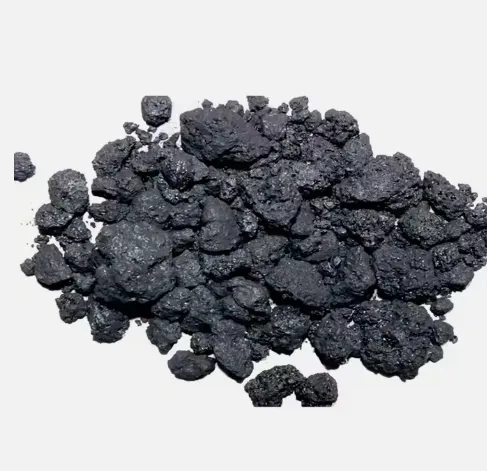
In the early 2000s, Argentina's carbon market primarily focused on raw fuel-grade coke. The technical shift began around 2010, when the industry recognized that graphite petroleum coke could significantly lower the electrical resistance in industrial furnaces.

By 2015, the adoption of advanced calcination temperatures allowed for the removal of volatile matter more efficiently, marking the era of standardized calcined petroleum coke applications in the Argentine metallurgical sector.

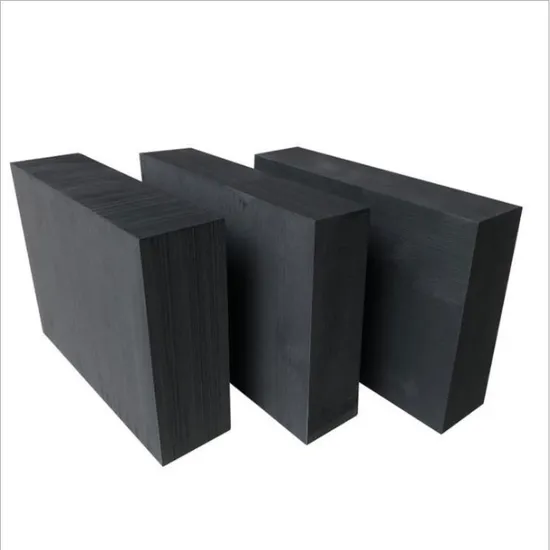
From 2020 to the present, the focus has shifted toward "ultra-high purity." The transition to graphitized materials has enabled the production of anodes with superior conductivity, reducing the carbon footprint of local heavy industry.

Future Development Trends

Integration of Nano-Carbon Structures

The next 3 years will see a move toward incorporating nano-scale graphite to improve the mechanical strength of carbon blocks used in Argentine smelting.

Green Calcination Technologies

Driven by global ESG trends, search data suggests a rise in "low-emission carbon processing," leading to the adoption of electric calcining kilns.

Specialization for Lithium Battery Anodes

Given Argentina's "Lithium Triangle" position, the demand for refined graphitized petroleum coke for battery precursors is expected to grow exponentially.

Future Trends and Industry Outlook

Predicting the technological shift in the non-metallic mineral sector.

Sustainable Sourcing
Shift toward recycled petroleum feedstock to minimize the environmental impact of coking processes.
Precision Calcination
Implementing AI-driven temperature controls to ensure uniform porosity in calcined materials.
Conductivity Optimization
Developing ultra-high conductivity grades for the emerging Argentine electric vehicle supply chain.
Automated Logistics
Implementing smart tracking for bulk carbon shipments from port to industrial plant.

Industry Outlook

The trajectory of the Argentine carbon market is inextricably linked to the global energy transition. As the region moves toward cleaner metallurgy, the demand for precision-graphitized products will supersede general-purpose coke.

We anticipate a 15% annual growth in the adoption of high-purity synthetic graphite derivatives, driven by the synergy between the local mining sector and international carbon technology standards.

Localized Application Scenarios in Argentina

Real-world integration of carbon products in South American industry.

1. Aluminum Smelting in the Andean Foothills

Using calcined petroleum coke as a primary binder for anode production, ensuring minimal voltage drop in high-capacity electrolysis cells.

2. Steel Production in Buenos Aires Industrial Hubs

Implementation of high-carbon additives in Electric Arc Furnaces (EAF) to stabilize the slag-metal interface and improve thermal efficiency.

3. Lithium Carbonate Processing in the Puna Region

Applying specialized graphite derivatives as conductive agents in the purification and processing of lithium salts for global battery markets.

4. Oil & Gas Refining in Neuquén

Utilization of petroleum coking by-products as high-temperature lubricants and sealing agents for deep-well drilling equipment.

5. Foundries and Casting in Córdoba

Integration of graphitized carbon for precision mold linings, reducing thermal shock and increasing the lifespan of casting equipment.

Brand Story

Global Development History of Shijiazhuang Nala Biological Technology Co., Ltd.

The Foundation of Excellence

Started with a mission to bridge the gap between raw carbon processing and high-precision industrial application, focusing on purity and consistency.

Technological Breakthroughs

Developed proprietary calcination techniques that reduced energy consumption by 20% while increasing the stability of the carbon structure.

Global Market Expansion

Successfully entered the South American market, establishing a robust supply chain to support Argentina's heavy manufacturing sector.

Sustainability Commitment

Pioneered the use of eco-friendly graphite processing to help our clients meet stringent international carbon emission standards.

Future-Proofing Carbon

Currently investing in R&D for next-generation graphene-enhanced petroleum coke to lead the industry into the era of smart materials.

Frequently Asked Questions for Argentine Industrialists

Expert answers to technical queries regarding carbon materials.

What is the primary difference between calcined petroleum coke and graphitized grades?

Calcined petroleum coke is treated to remove volatiles, while graphitized grades undergo further high-temperature processing to reorganize the carbon atoms into a crystalline structure, significantly increasing electrical conductivity.

How does high-purity calcined coke improve aluminum anode life?

By reducing sulfur and ash content, it minimizes chemical reactions within the electrolysis cell, leading to slower anode consumption and higher current efficiency.

Can graphitized petroleum coke be used in the Argentine lithium industry?

Yes, its high conductivity and purity make it an excellent candidate for conductive additives in battery precursor materials produced in the Puna region.

What are the shipping considerations for bulk petroleum coking products to Argentina?

We utilize specialized moisture-proof bulk packaging and optimize logistics through major ports like Buenos Aires and Rosario to ensure material integrity.

How do I verify the sulfur content in delivered calcined petroleum coke?

Every shipment is accompanied by a comprehensive Certificate of Analysis (COA) and we support third-party laboratory verification upon arrival.

What is the impact of grain size distribution in graphite petroleum coke?

A controlled grain size ensures optimal packing density in anode pastes, which directly correlates to the mechanical strength and electrical stability of the final product.

Partner with Carbon Experts

Ready to optimize your industrial output in Argentina? Contact our technical team today for a customized carbon material strategy.

Contact Us Now

If you are interested in our products, you can choose to leave your information here, and we will be in touch with you shortly.