In the evolving landscape of carbonaceous materials, green pet coke has emerged as a pivotal component for industries seeking a balance between high-performance carbon output and environmental responsibility. As the global manufacturing sector shifts toward sustainable practices, understanding the nuances of petroleum coke—specifically the "green" or processed variants—becomes essential for optimizing smelting and graphite production.
The significance of green pet coke extends beyond mere material supply; it represents a strategic shift in how the non-metallic mineral industry manages by-products from the refining process. By focusing on purity and the reduction of volatile organic compounds, this material ensures that high-temperature industrial processes are more efficient and less detrimental to the surrounding atmosphere.
For professionals in the graphite and carbon industry, leveraging the specific properties of green pet coke allows for the creation of superior electrodes, crucibles, and carburizing agents. This comprehensive guide explores its global context, technical specifications, and the long-term value it brings to modern metallurgical applications.
Global Industry Context of Green Pet Coke
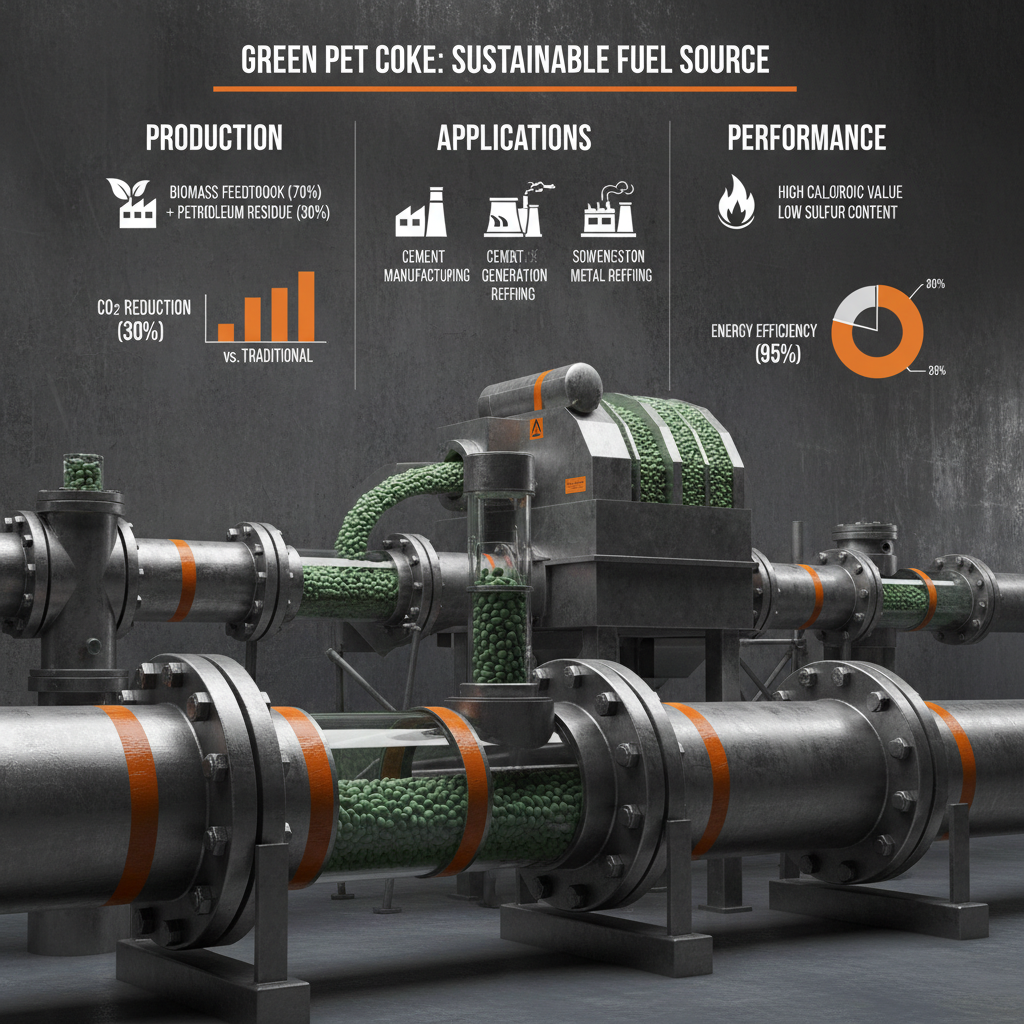
On a global scale, the demand for carbon-based reductants is inextricably linked to the production of steel and aluminum. According to industry standards aligned with ISO environmental goals, the transition toward green pet coke is driven by the need to lower the carbon footprint of primary metal smelting. The challenge has historically been the high sulfur content in traditional petroleum coke, which leads to significant SOx emissions during combustion.
By implementing advanced calcination and purification techniques, the industry has developed "green" variants that maintain the structural integrity required for Electrode Paste and Graphite Blocks while meeting stricter air quality regulations. This evolution allows manufacturers in Europe and North America to adhere to tighter emission caps without sacrificing the thermal conductivity or electrical properties of their carbon products.
Defining Green Pet Coke in Modern Manufacturing
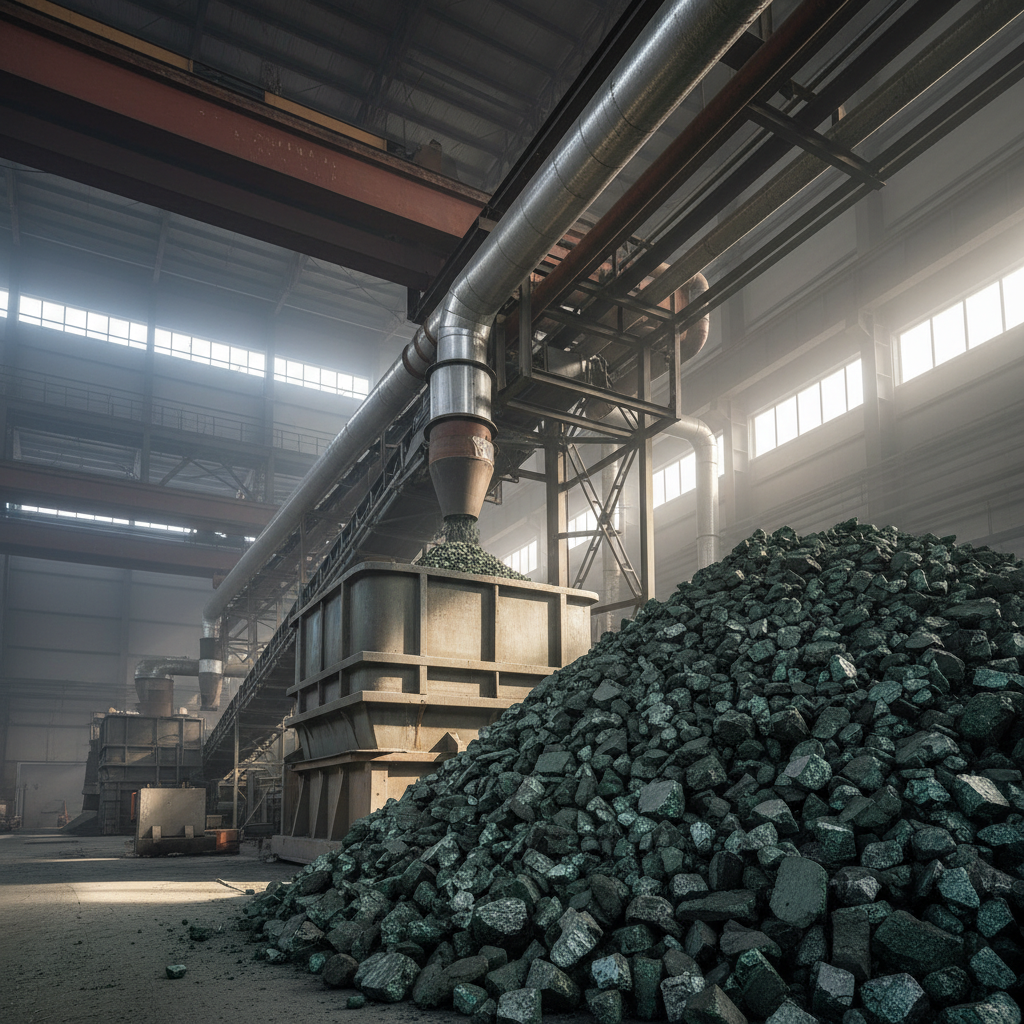
In simple technical terms, green pet coke refers to a high-purity form of petroleum coke that has been processed to remove volatile matter and impurities, often characterized by lower sulfur and metal content compared to raw "green" (uncalcined) coke. In the context of the carbon industry, it serves as a critical precursor for the manufacturing of synthetic graphite and high-performance carburizing agents.
Its connection to modern industry lies in its versatility. Whether it is being used as a feedstock for Graphite Electrodes or as a specialized carbon additive in metallurgy, the "green" designation implies a focus on sustainability and purity. This ensures that the final products—such as Graphite Tubes or Graphite Plates—possess a more uniform crystalline structure, reducing the likelihood of defects during high-temperature operations.
Furthermore, this material addresses the humanitarian and environmental need to reduce toxic runoff and smog in industrial zones. By refining the carbon source, companies can minimize the release of hazardous particulates, thereby improving the living conditions for communities situated near large-scale manufacturing hubs while maintaining industrial productivity.
Core Components and Technical Factors
The effectiveness of green pet coke is primarily determined by its sulfur content and ash residue. Low-sulfur variants are highly prized because they prevent the contamination of molten metals, making them indispensable for producing high-grade steel and specialized alloys where purity is non-negotiable.
Another critical factor is the "caking" property of the coke. For applications like Electrode Paste, the ability of green pet coke to bond under heat ensures the structural stability of the resulting graphite product, preventing cracks or fractures during the graphitization process.
Finally, the particle size distribution (PSD) plays a vital role in scalability. Whether it is processed into Graphite Powder or used in large-scale Graphite Blocks, the consistency of the grain size in green pet coke determines the density and porosity of the final industrial component.
Practical Performance and Scalability
When integrating green pet coke into a production line, the primary focus is on its thermal efficiency and cost-to-performance ratio. In large-scale smelting operations, the use of purified coke reduces the energy required for calcination, thereby lowering operational costs while increasing the throughput of the plant.
The scalability of this material is evident in its wide adoption across various carbon product lines. From the precision required in Graphite Crucibles to the mass production of Carburizing Agents, the consistent chemical profile of the coke allows manufacturers to standardize their recipes across different global facilities.
Performance Comparison of Green Pet Coke Processing Methods
Global Applications and Use Cases
The practical application of green pet coke spans several critical industrial sectors. In the aluminum industry, it is used extensively in the production of anode blocks, where its high conductivity and low impurity levels prevent the degradation of the electrolytic cell, extending the lifespan of the equipment.
In remote industrial zones or post-disaster reconstruction efforts where rapid infrastructure rebuilding is required, the efficiency of green pet coke-based steel production allows for the faster creation of structural beams and reinforcement bars, ensuring that essential facilities can be restored with minimal environmental impact.
Long-Term Value and Sustainability Advantages
The long-term value of switching to green pet coke is found in the synergy between economic gain and ecological preservation. By reducing the sulfur and volatile content, manufacturers experience fewer furnace failures and a decrease in the need for costly flue-gas desulfurization systems.
Beyond the balance sheet, there is a profound emotional and social impact. Companies that prioritize sustainable carbon sources build deeper trust with regulators and the public. This commitment to "green" chemistry reflects a corporate dignity and an innovative spirit that positions a brand as a leader in the transition to a low-carbon economy.
Reliability is another key advantage; the consistency of processed petroleum coke reduces batch-to-batch variation in the production of Graphite Rods and Graphite Paper, leading to higher yield rates and a significant reduction in industrial waste.
Future Trends and Innovation in Carbon Materials
Looking forward, the evolution of green pet coke is being driven by the digital transformation of the refinery process. AI-driven monitoring systems now allow for the real-time adjustment of calcination temperatures, ensuring that the coke reaches the exact purity level required for specific high-end applications without wasting energy.
Moreover, the integration of green energy—such as hydrogen-powered furnaces—is beginning to replace traditional carbon-heavy heating methods in the processing of green pet coke. This shift promises a future where the "green" label applies not only to the product's purity but to the entire lifecycle of its production.
As automation increases, the ability to create customized "designer" cokes with specific porosity and conductivity profiles will enable the next generation of Graphite Electrodes and Cellulose Acetate Tow components, pushing the boundaries of what is possible in high-temperature material science.
Comparison of Green Pet Coke Specifications across Industrial Grades
| Grade Level |
Sulfur Content (%) |
Fixed Carbon (%) |
Environmental Score (1-10) |
| Ultra-Pure Green |
< 0.1% |
99.8% |
10 |
| Premium Grade |
0.2% - 0.5% |
98.5% |
8 |
| Industrial Standard |
0.6% - 1.2% |
96.0% |
6 |
| Basic Smelting Grade |
1.3% - 2.0% |
94.0% |
5 |
| Recycled Blend |
0.8% - 1.5% |
95.5% |
7 |
| Economy Grade |
> 2.0% |
92.0% |
4 |
FAQS
The superiority of green pet coke lies in its significantly lower sulfur and volatile matter content. By undergoing specialized purification and calcination, it minimizes the emission of harmful pollutants during industrial use and ensures a higher purity level in the final carbon product, which is critical for high-grade graphite electrodes and specialized smelting processes.
Yes, it is highly versatile. Because of its consistent carbon structure and purity, it can be adapted for use in Graphite Blocks, Graphite Tubes, and even fine Graphite Powder. However, the specific grade of the coke must match the required density and conductivity of the target product to ensure optimal performance.
Absolutely. While the initial procurement cost may be higher than raw coke, the long-term savings are substantial. Reduced furnace downtime, lower costs for emissions scrubbing, and a higher yield of first-grade products create a much lower total cost of ownership (TCO) for the manufacturer.
It drastically reduces the output of sulfur dioxide (SO2) and other volatile organic compounds (VOCs). By utilizing a "green" precursor, factories can meet stringent ISO and national environmental standards more easily, reducing their carbon footprint and improving air quality in the surrounding industrial zone.
Green pet coke serves as a high-quality feedstock for Carburizing Agents. Its high fixed-carbon content and low impurity profile ensure that the carbon is absorbed evenly into the metal during the carburizing process, resulting in a more uniform hardness and durability of the treated steel parts.
Companies should look for suppliers who provide detailed chemical analysis reports (COA) and certifications that prove sulfur levels are within the "green" threshold. Partnering with established experts in the carbon industry, such as those at nlgraphite.com, ensures a reliable supply chain that meets international quality standards.
Conclusion
In summary, green pet coke is more than just an industrial raw material; it is a cornerstone of sustainable carbon manufacturing. By optimizing sulfur levels and volatile content, it enables the production of superior graphite components—from electrodes to crucibles—while aligning industrial growth with environmental stewardship. The integration of this material not only enhances technical performance and scalability but also safeguards the long-term viability of the non-metallic mineral industry.
As we move toward an era of green energy and digitalized manufacturing, the adoption of high-purity carbon sources will be the deciding factor for competitive advantage in the global market. We encourage manufacturers to evaluate their current feedstock and transition toward sustainable alternatives to ensure efficiency, reliability, and regulatory compliance. For premium carbon solutions and expert guidance, visit our website: www.nlgraphite.com.