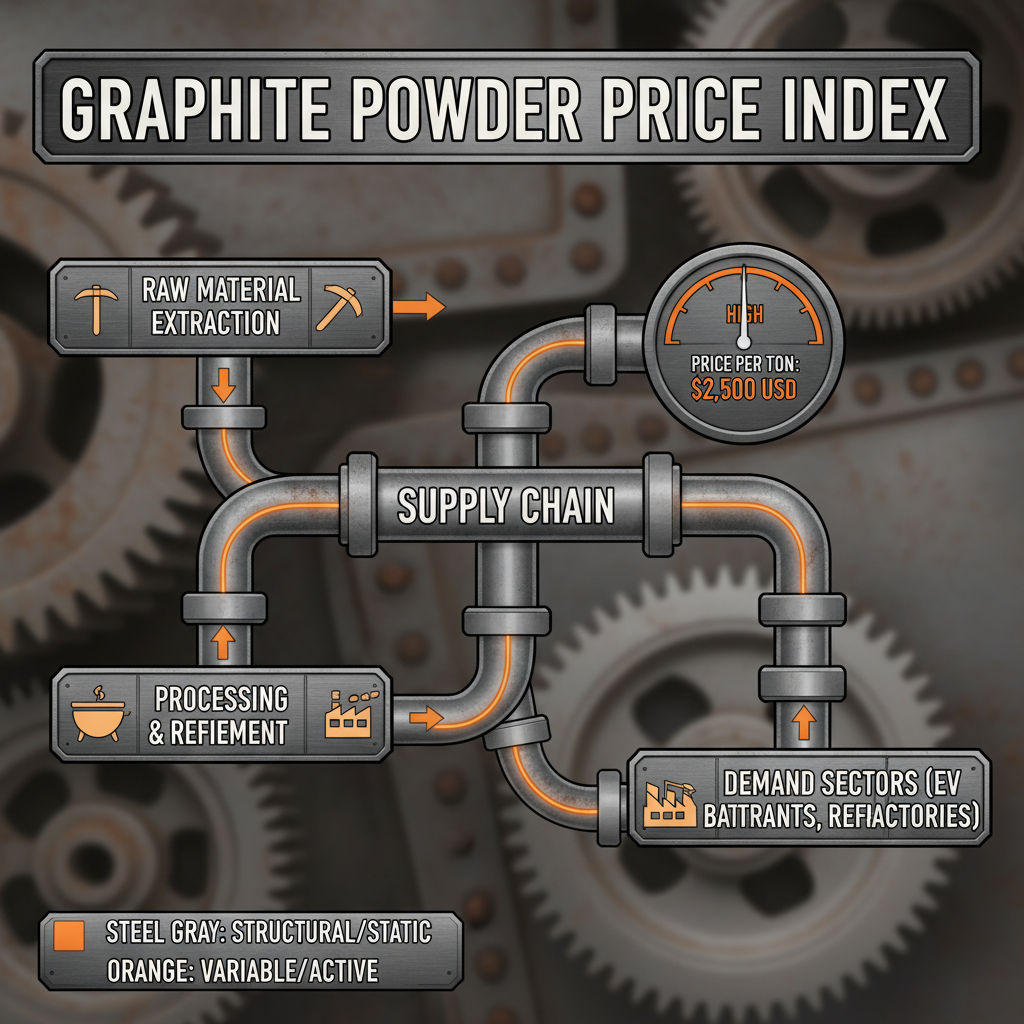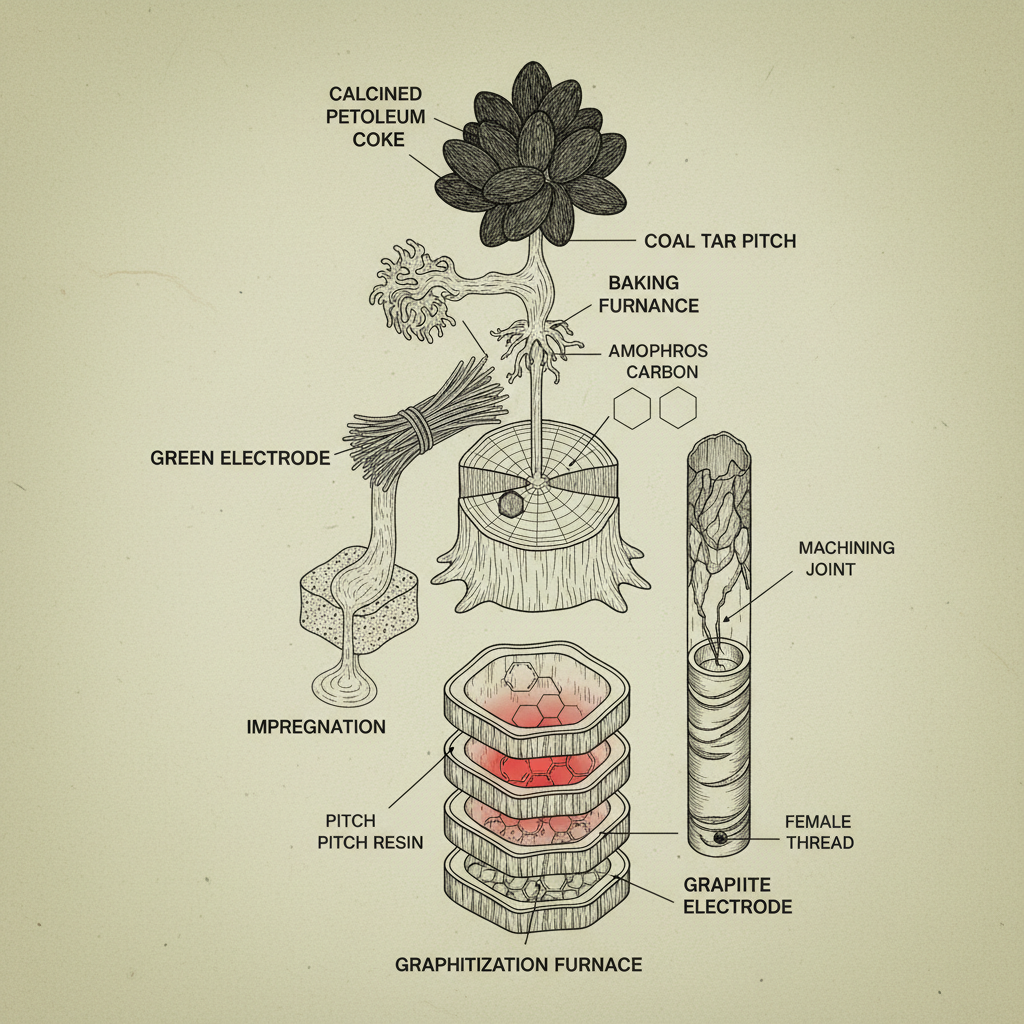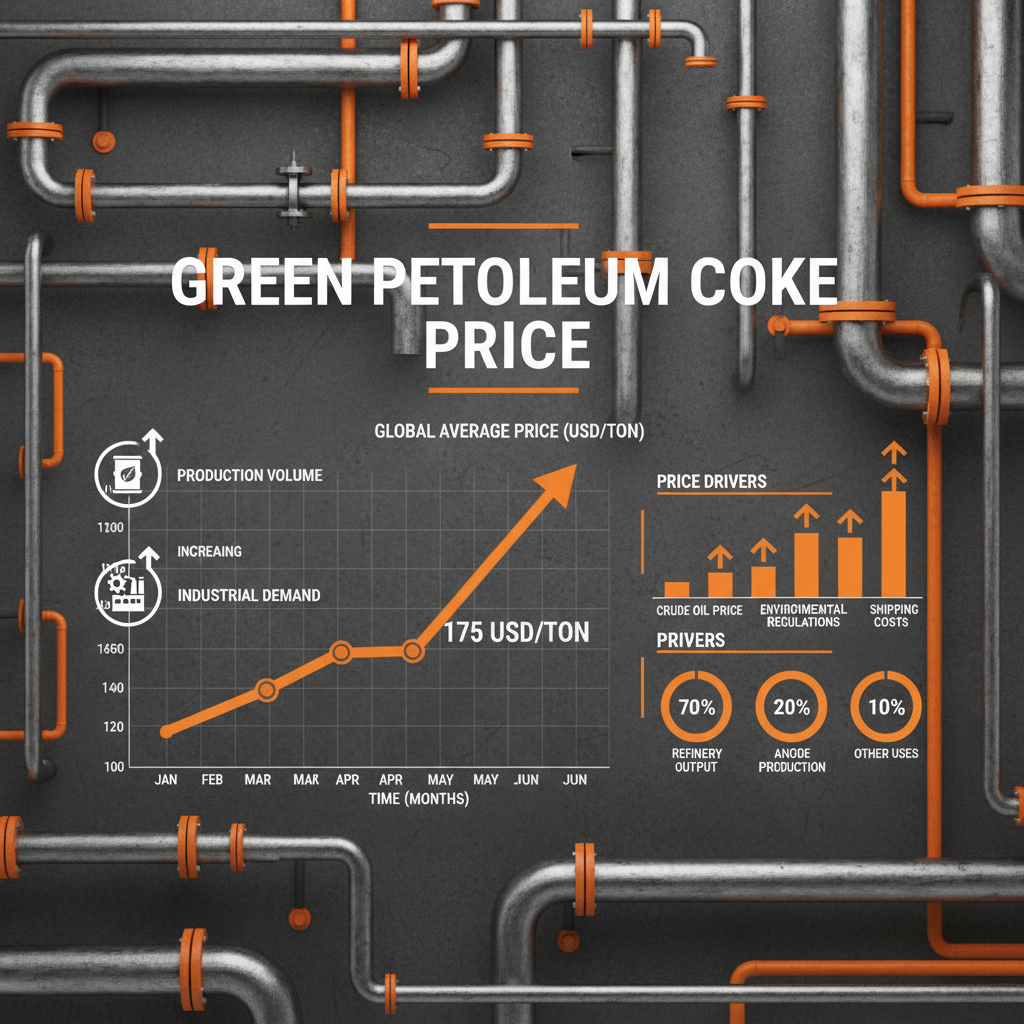


The industrial demand for high-performance carbon components has shifted toward precision-engineered materials capable of enduring extreme thermal environments. In the specialized sector of carbon products, the role of a graphite tube factory is critical, as these components serve as the primary containment and conduction elements in semiconductor processing and metallurgical furnaces.
The primary technical challenge lies in maintaining dimensional stability and purity under high-temperature vacuum conditions. As industries push for higher purity levels in silicon pulling and optical fiber production, the material composition—specifically the balance of fixed carbon and sulfur content—becomes the deciding factor in component longevity and process yield.
This analysis examines the engineering requirements of high-grade graphite tubing, the manufacturing variables that influence performance, and how procurement professionals can evaluate the technical capabilities of a supplier to ensure operational reliability.


The performance of a graphite tube depends heavily on the raw materials used during the molding process. The integration of needle coke and petroleum coke determines the final density and the degree of graphitization.
A professional manufacturer ensures higher fixed carbon levels and lower sulfur content to prevent premature oxidation and structural failure at extreme temperatures.
Engineering requirements for graphite tubes are not merely about dimensions but about the relationship between grain size and structural stability. Customized grain sizes are often required to match the specific thermal expansion coefficients of the surrounding furnace components.
The forming way—whether molded or extruded—impacts the isotropic properties of the material. Molded graphite typically offers more consistent density across the cross-section, which is vital for preventing hot spots in induction heating applications.
Beyond physical dimensions, the chemical purity of the grade (Industrial Grade vs. High Purity) dictates the suitability for electronics or metallurgy. For instance, lower sulfur levels are non-negotiable for components used in the electrolysis of metals to avoid contaminating the melt.
The primary value of graphite in tube form is its ability to maintain mechanical strength while facilitating rapid heat transfer. This paradox is managed through the control of the graphitization temperature during production.
Furthermore, the coefficient of thermal expansion (CTE) must be precisely mapped. In complex assemblies, such as heat exchangers or monocrystalline silicon pullers, a mismatch in CTE between the graphite tube and its housing can lead to catastrophic failure during the ramp-up phase.
Evaluating the quality of a graphite tube requires a normalized assessment of several intersecting variables. Instead of looking at a single parameter, engineers use a weighted scoring system to determine the suitability of a material for a specific operating environment.
These metrics typically include fixed carbon percentage, apparent density, and the rate of oxidation at operating temperatures.
In typical industrial deployment, graphite tubes are integrated into vacuum furnaces and centrifugal casting molds. The interaction between the graphite surface and the molten material—such as silicon or aluminum—requires a specific surface finish to minimize adhesion and contamination.
From a procurement perspective, the stability of supply and the ability to provide customized styles are paramount. Because these components are consumables in high-wear environments, a consistent lead time and a rigorous quality control system for each batch are essential to prevent unexpected downtime.
The industry is moving toward the use of composite graphite materials that combine the traditional benefits of petroleum coke with advanced binding agents. This shift allows for the creation of tubes with enhanced oxidation resistance without sacrificing electrical conductivity.
Modern production facilities are increasingly adopting automated machining and precision grinding to meet the tight tolerances required for semiconductor equipment. This reduces the reliance on manual finishing and ensures that every tube produced meets exact specifications.
Future R&D is focusing on the reduction of sulfur and ash content through advanced chemical purification processes, which will further extend the lifecycle of graphite components in ultra-high-purity applications.
Selecting the correct graphite configuration requires an analysis of the intended application's thermal load and chemical atmosphere. A general-purpose tube may be sufficient for basic refractory use, but high-precision applications demand specialized grades.
The following matrix provides a framework for evaluating different configuration profiles based on common industrial requirements.
Decision-makers should cross-reference these profiles with their specific operating parameters to optimize cost-to-performance ratios.
| Configuration Profile | Material Focus | Thermal Priority | Recommended Use Case |
|---|---|---|---|
| Basic Configuration | Standard Coke | Heat Retention | General Refractory |
| Standard Configuration | Balanced Grade | Steady Conductivity | Metallurgy Furnace |
| High-Duty Configuration | Needle Coke Base | Rapid Heat Transfer | Heavy Industrial Molds |
| Precision Configuration | Ultra-Fine Grain | Dimensional Stability | Semiconductor Parts |
| Automated Configuration | Toleranced Finish | Uniform Distribution | Continuous Production |
| Industry Baseline | Industrial Grade | Basic Insulation | Standard Heat Shields |
Sulfur acts as an impurity that can lead to the formation of gas pockets during high-temperature operation, which may cause micro-cracks or pitting on the surface of the tube. In metallurgical applications, high sulfur can contaminate the molten metal, degrading the purity of the final product. Therefore, a professional graphite tube factory prioritizes lower sulfur grades for high-precision industries.
Molded graphite is formed by compressing powder in a mold, resulting in a more isotropic structure and consistent density throughout the part. Extruded graphite is pushed through a die, which can create a directional grain structure. While extrusion is faster for long tubes, molding is generally preferred for components requiring uniform thermal and mechanical properties in all directions.
Thermal shock resistance is primarily influenced by the material's thermal conductivity, coefficient of thermal expansion (CTE), and tensile strength. You should request the manufacturer's data on the CTE and the graphitization temperature. A material with high thermal conductivity and a low CTE is generally better suited for environments with rapid temperature cycling.
Yes, customization is possible through the selection of specific binders or the application of protective coatings. Depending on whether the environment is oxidizing or reducing, the density and pore size of the graphite can be adjusted to limit the penetration of corrosive gases, thereby extending the service life of the component.
Lead times vary based on the production season and the complexity of the custom design. Typically, off-season orders may be delivered within 1 to 3 months, while peak season lead times can be around one month for standard customizations. It is recommended to verify the current production capacity of the factory during the inquiry phase.
Quality is typically verified through batch testing, which includes measuring the bulk density, electrical resistivity, and dimensional accuracy using precision calipers or CMM. Many factories also provide free samples for client verification of material properties before the full production run is initiated.
The selection of components from a graphite tube factory is a balance of material purity, structural density, and thermal performance. As industrial processes move toward higher temperatures and tighter tolerances, the reliance on precision-engineered carbon materials becomes absolute.
For procurement and engineering teams, the practical implication is a shift from purchasing "standard parts" to collaborating on "material configurations" that align with specific thermal and chemical constraints. Prioritizing suppliers with integrated design and production capabilities ensures that the final component is optimized for its actual operating environment.