

Look, been running around construction sites all year, you see a lot. Lately, everyone’s talking about ‘smart’ graphite electrode manufacturers, you know? Integrating sensors, remote monitoring… sounds fancy, but honestly, most of the time it just means more things to break. The basic stuff still matters most. To be honest, people get so caught up in specs, they forget what it’s like to actually handle these things all day.
I've seen designs that look perfect on paper, then you get them on site and the threading is just… off. Or the weight distribution is terrible. Have you noticed how much guys hate awkward lifting? It’s a safety issue, pure and simple. Then there’s the coating. Too brittle, and it chips immediately. Too soft, and it’s gone in a week. Finding that balance...it's an art, not a science.
We primarily use high-purity graphite, of course. But it’s not just what it is, it’s where it comes from. The stuff from China, smells… different. Stronger, almost metallic. The European graphite has a more earthy smell, feels smoother to the touch. I know it sounds crazy, but you get to recognize these things after a while. We mix in a little bit of petroleum coke for added strength, but not too much or it becomes porous. And the binder… that’s the secret sauce. Each manufacturer has their own recipe.
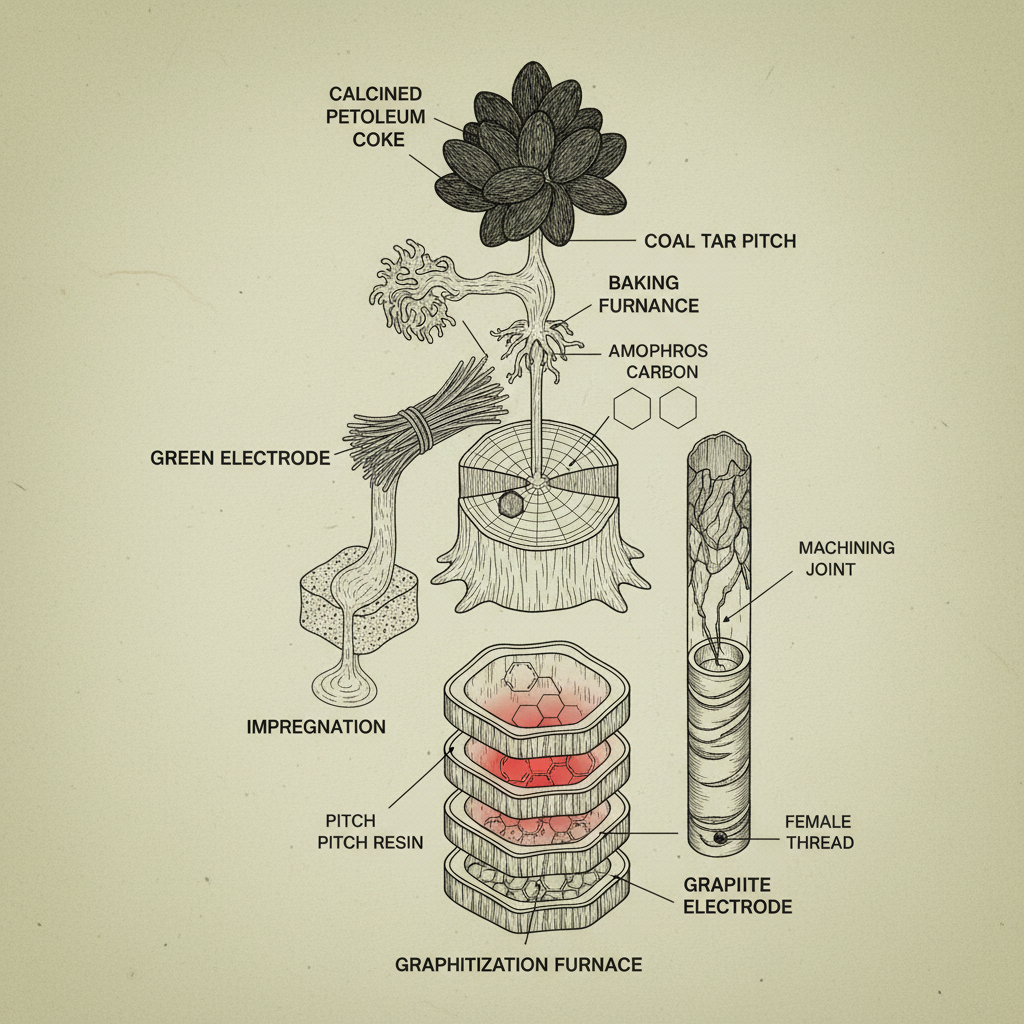
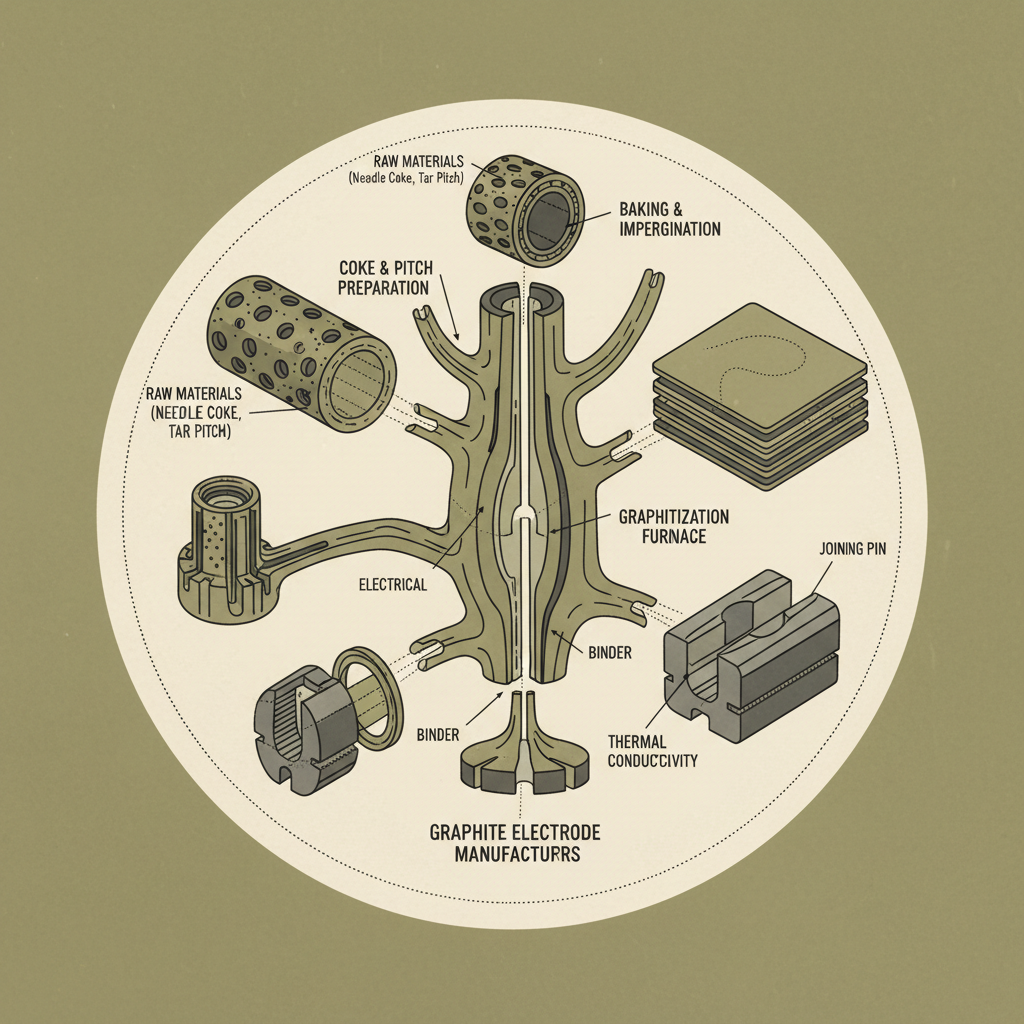
The biggest trend right now is definitely trying to squeeze more amperage out of smaller electrodes. Everyone wants to increase efficiency. But what they often forget is that increasing amperage also means increasing heat. And graphite doesn't handle heat particularly well, strangely enough. So, you end up with electrodes that burn out faster, defeating the whole purpose. I encountered this at a steel factory in Wuhan last time, they were pushing their new electrodes way too hard.
Another pitfall? Over-engineering. Making something too complex. Simpler is usually better, especially when you're dealing with guys who are welding in the rain or covered in grime. They don’t need fancy features, they need something reliable.
That really depends on the amperage, furnace conditions, and quality of the electrode itself. But generally, you're looking at anywhere from 20 to 80 hours of arc time. Higher amperage means faster burn-off. We’ve seen some electrodes last over 100 hours in ideal conditions, but that's rare. It's always a trade-off between burn rate and electrode consumption.
Visual inspection is key. Look for cracks, chips, or signs of excessive erosion. Also, pay attention to voltage fluctuations during operation. A sudden drop in voltage can indicate a problem with the electrode. And, honestly, you'll often smell it – a burning smell that's different from the normal arc. Experienced operators can usually tell pretty quickly.
It comes down to purity, density, and the manufacturing process. Higher purity graphite generally offers better conductivity and lower burn rates. Density affects mechanical strength. And the manufacturing process—whether it’s extruded, molded, or vibratory compacted—impacts the electrode's overall uniformity and performance. Each grade is suited for different applications.
That’s a complex question. Graphite is a naturally occurring mineral, but mining it can have environmental impacts. However, graphite is recyclable, and the steel industry is increasingly focusing on electrode recovery and reuse. It's not perfect, but it’s generally considered a more sustainable option than some alternatives, especially when compared to the energy demands of producing those alternatives.
Dust control is paramount. Wear a respirator to avoid inhaling graphite dust. Also, protect your skin from contact with the dust, as it can be irritating. And always follow proper lifting procedures to avoid injuries. Graphite electrodes can be surprisingly heavy, and an awkward lift can lead to a serious strain or sprain.
Minor chips and cracks can sometimes be repaired, but it depends on the severity and location of the damage. Generally, anything beyond a superficial flaw compromises the integrity of the electrode and makes it unsafe to use. It's usually better to replace a damaged electrode than to risk a failure during operation. Trust me, the cost of a replacement is nothing compared to the downtime and potential damage from a catastrophic failure.
So, there you have it. Graphite electrode manufacturers, it’s not just about fancy specs and new technology. It’s about understanding the materials, the processes, and the people who actually use them. It’s about finding that sweet spot between performance, reliability, and cost. It’s about getting your hands dirty and knowing what works and what doesn’t.
Looking ahead, I think we’ll see more focus on sustainability and electrode recovery. And, honestly, I hope we see fewer guys trying to put connectors on everything. Ultimately, whether this thing works or not, the worker will know the moment he tightens the screw.