search
Search

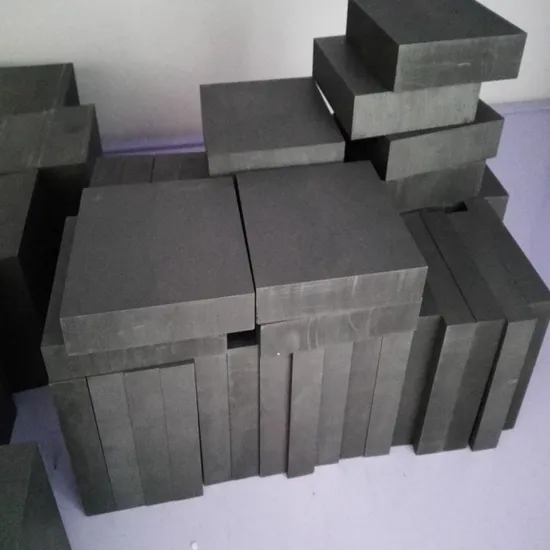
High-Performance graphitized petroleum coke Solutions for Paraguay

Empowering Paraguay's industrial sector with premium carbon products and advanced material science for metallurgical and chemical applications.

Industrial Landscape of Carbon Materials in Paraguay

Analyzing the supply chain and demand for specialized petroleum coke in the Heart of South America.

Paraguay's industrial sector is currently characterized by a growing demand for high-quality calcined petroleum coke to support its expanding metallurgical activities. Given the country's landlocked geography, the logistics of importing heavy carbon materials requires highly efficient supply chain management to maintain consistent production cycles.

The local market relies heavily on imported carbon products to fuel its smelting and electrode manufacturing processes. The adoption of calcined coke has become essential for industries seeking to reduce impurities and improve the electrical conductivity of their smelting baths, aligning with regional efforts to modernize industrial output.

Environmental regulations in Paraguay are becoming increasingly stringent, pushing manufacturers toward cleaner petroleum coking technologies. This shift is driving the demand for pre-processed, high-purity graphite products that minimize local emissions during the final manufacturing stage.
Evolution and Trajectory of Carbon Products

From traditional fuel sources to high-tech engineered graphite materials.

Market Development History

In the early 2000s, the Paraguayan market primarily utilized raw petroleum residues for basic heating and rudimentary smelting, with little distinction between different grades of carbon materials.

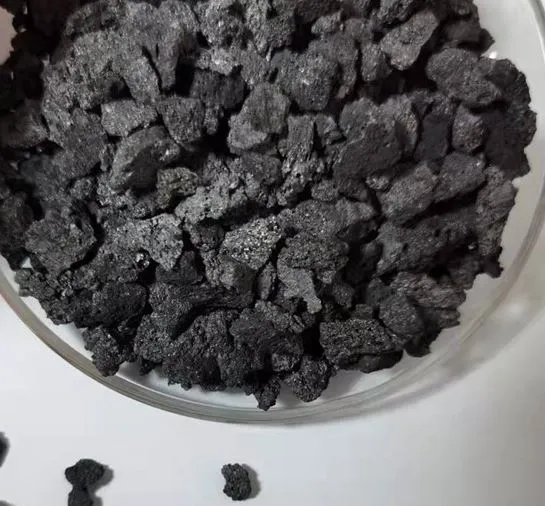
Between 2010 and 2020, there was a technical pivot toward the use of graphite petroleum coke. This era marked the transition from simple combustion to the use of carbon as a structural and conductive component in industrial electrodes.

Since 2021, the industry has entered the "Precision Era," where the focus has shifted to customized particle size distribution and ultra-low sulfur content to meet international export standards for Paraguayan manufactured goods.

Future Development Trends

Integration of Green Energy

The trend is moving toward using renewable energy for the calcination process, reducing the carbon footprint of the materials supplied to local factories.

Nano-Scale Carbon Structuring

Future demand will spike for materials with specific crystalline structures, enhancing the efficiency of electrochemical reactions in battery and alloy production.

Digital Supply Chain Tracking

Implementation of blockchain for tracking the purity and origin of carbon batches to ensure compliance with global ESG standards.

Industry Outlook and Future Prospects

Strategic forecasting for the non-metallic mineral sector in Paraguay.

Sustainable Sourcing
Transitioning to carbon-neutral production methods to meet the evolving environmental laws of the region.
Purity Optimization
Developing ultra-low sulfur grades to enhance the quality of alloys produced in local smelting plants.
Logistics Innovation
Optimizing river-based transport routes to reduce the lead time of bulk carbon deliveries to the interior.
Custom Grade Design
Tailoring the carbonization temperature to create materials with specific electrical resistance for niche industries.

Industry Outlook

Based on search trend data and regional economic shifts, Paraguay is expected to increase its reliance on high-grade graphite products by 15% over the next 3 years. This growth is tied to the revitalization of local steel and aluminum casting capabilities.

The intersection of energy efficiency and material science will lead to a preference for pre-graphitized materials, reducing the energy burden on local manufacturers who previously had to perform secondary heating processes.

Localized Application Scenarios in Paraguay

Practical implementations of our carbon solutions across diverse Paraguayan industries.

01. Steel Recarburization in Asunción

Using high-purity carbon additives to precisely control the carbon content in steel production, ensuring superior strength for local construction projects.

02. Aluminum Smelting in the Eastern Region

Implementation of low-ash carbon materials as anodes to improve current efficiency and reduce energy consumption in aluminum electrolysis.

03. Chemical Catalyst Support for Agrochemicals

Utilizing structured carbon as a stable support for catalysts used in the production of fertilizers and pesticides for Paraguay's massive agricultural sector.

04. Refractory Lining for Glass Manufacturing

Integrating graphite-based materials into furnace linings to provide exceptional thermal shock resistance and longevity in high-temperature environments.

05. Automotive Component Casting

Employing precision-engineered carbon molds for the casting of high-performance engine parts for the growing automotive assembly hubs.

Brand Story

Global Development History of Shijiazhuang Nalai Biological Technology Co., Ltd.

Foundational Excellence

Established with a mission to bridge the gap between raw mineral extraction and high-precision industrial application, focusing on carbon purity.

Technological Breakthrough

Developed a proprietary calcination process that drastically reduced sulfur impurities, setting a new benchmark for industrial carbon.

Global Expansion

Extended our footprint into the South American market, optimizing logistics to serve landlocked industrial centers with efficiency.

Sustainability Pivot

Integrated eco-friendly manufacturing protocols to ensure our carbon products support a greener industrial future for our clients.

Market Leadership

Today, we stand as a trusted partner for the world's most demanding metallurgical industries, delivering quality and reliability.

Frequently Asked Questions for Paraguayan Clients

Expert answers to common technical and logistical queries regarding carbon products.

How does calcined petroleum coke improve smelting efficiency?

By removing volatile components through high-temperature treatment, it increases the density and conductivity of the carbon, leading to faster melt times and reduced energy loss.

What is the difference between raw coke and graphitized petroleum coke?

Graphitized coke has undergone an additional high-heat process that rearranges its carbon atoms into a crystalline graphite structure, vastly improving electrical conductivity.

Are your products suitable for the high-humidity climate of Paraguay?

Yes, our carbon materials are processed to be hydrophobic and are shipped in moisture-proof packaging to ensure stability during transport and storage in humid regions.

What sulfur levels are typical for industrial-grade calcined coke?

Depending on the grade, we offer ultra-low sulfur options (below 0.5%) specifically designed for high-precision alloy production to prevent brittleness.

Can you provide custom particle sizes for specialized petroleum coking needs?

Absolutely. We offer customized milling and screening to provide precise mesh sizes tailored to your specific industrial application.

What are the lead times for shipping carbon products to Paraguay?

We optimize shipments via major ports and river transport; typically, bulk orders arrive within 4-8 weeks depending on the final destination.

Connect With Our Carbon Experts

Ready to optimize your industrial process? We provide full technical support and logistics for all carbon material needs in Paraguay.

Contact Us Now

If you are interested in our products, you can choose to leave your information here, and we will be in touch with you shortly.