

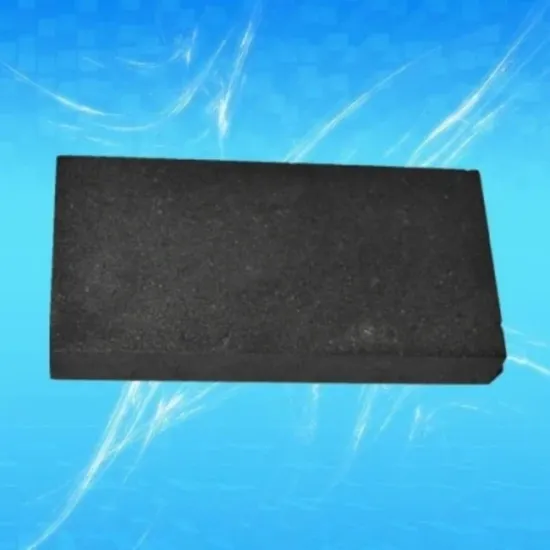
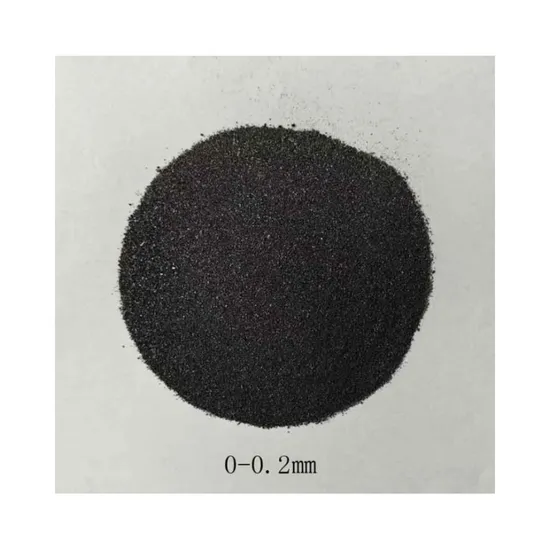
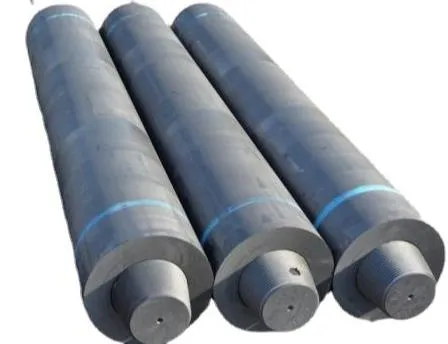
Uruguay's industrial landscape, characterized by a strong focus on agro-industrial processing and emerging chemical sectors, relies heavily on imported high-grade carbon materials. The demand for calcined coke is primarily driven by the need for stable reductants in specialized smelting and electrodes for localized metal fabrication.
Given Uruguay's temperate climate and strategic port access in Montevideo, the logistics of importing graphite petroleum coke have become more streamlined, yet local manufacturers still face challenges regarding the consistency of raw material purity and thermal expansion coefficients.
Currently, the local market is transitioning from generic carbon additives to high-precision petroleum coking derivatives, as industries seek to reduce energy consumption and carbon emissions in alignment with the country's green energy initiatives.