

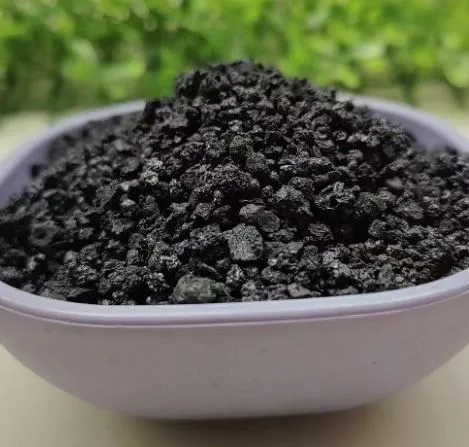

Ecuador's industrial sector, heavily influenced by its oil reserves, possesses a unique structural advantage in the sourcing of raw materials for petroleum coking. However, the local market often faces a gap between raw coke production and the high-specification requirements of precision manufacturing.
Due to the humid tropical climate in the coastal regions and the varying altitudes of the Andes, the storage and transport of calcined coke require specialized moisture-resistant packaging to prevent oxidation and degradation of chemical properties before reaching the end-user.
Currently, Ecuadorian manufacturers are shifting away from generic carbon imports toward specialized calcined petroleum coke to optimize energy consumption in electric arc furnaces and aluminum smelting operations, reflecting a broader regional trend toward efficiency.