The global industrial landscape relies heavily on the specialized outputs of petcoke manufacturers to fuel everything from aluminum smelting to the creation of high-grade graphite electrodes. Petroleum coke, a byproduct of the oil refining process, serves as a critical carbon source that ensures the structural integrity and thermal efficiency of countless metallurgical processes. Understanding the nuances of how these materials are produced and refined is essential for procurement managers and engineers seeking to optimize their production chains.
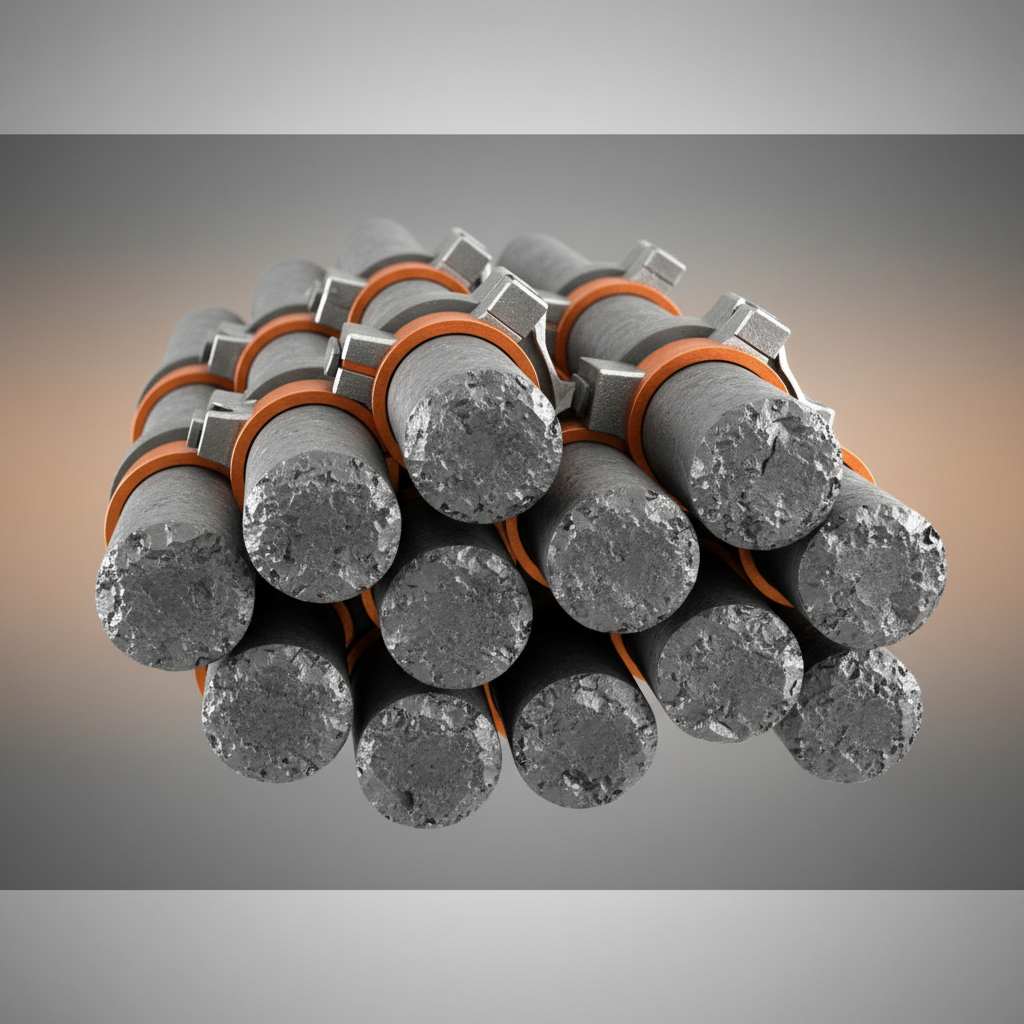
As the demand for high-purity carbon materials increases, the role of petcoke manufacturers has evolved from simple byproduct processors to sophisticated chemical engineers. By manipulating the calcination process and controlling sulfur levels, these manufacturers provide the raw materials necessary for the synthesis of Graphite Blocks, Graphite Tubes, and various Carburizing Agents. This specialization allows downstream industries to achieve higher precision in casting and smelting, reducing waste and enhancing product lifespan.
Navigating the market of petroleum coke requires a deep dive into the technical specifications—such as VCM (Volatile Matter) and ash content—that differentiate a standard fuel grade from a premium anode grade. By partnering with the right petcoke manufacturers, companies can secure a stable supply chain that balances cost-efficiency with the rigorous quality standards required by ISO and other international regulatory bodies.
The Industrial Role of Petcoke Manufacturers
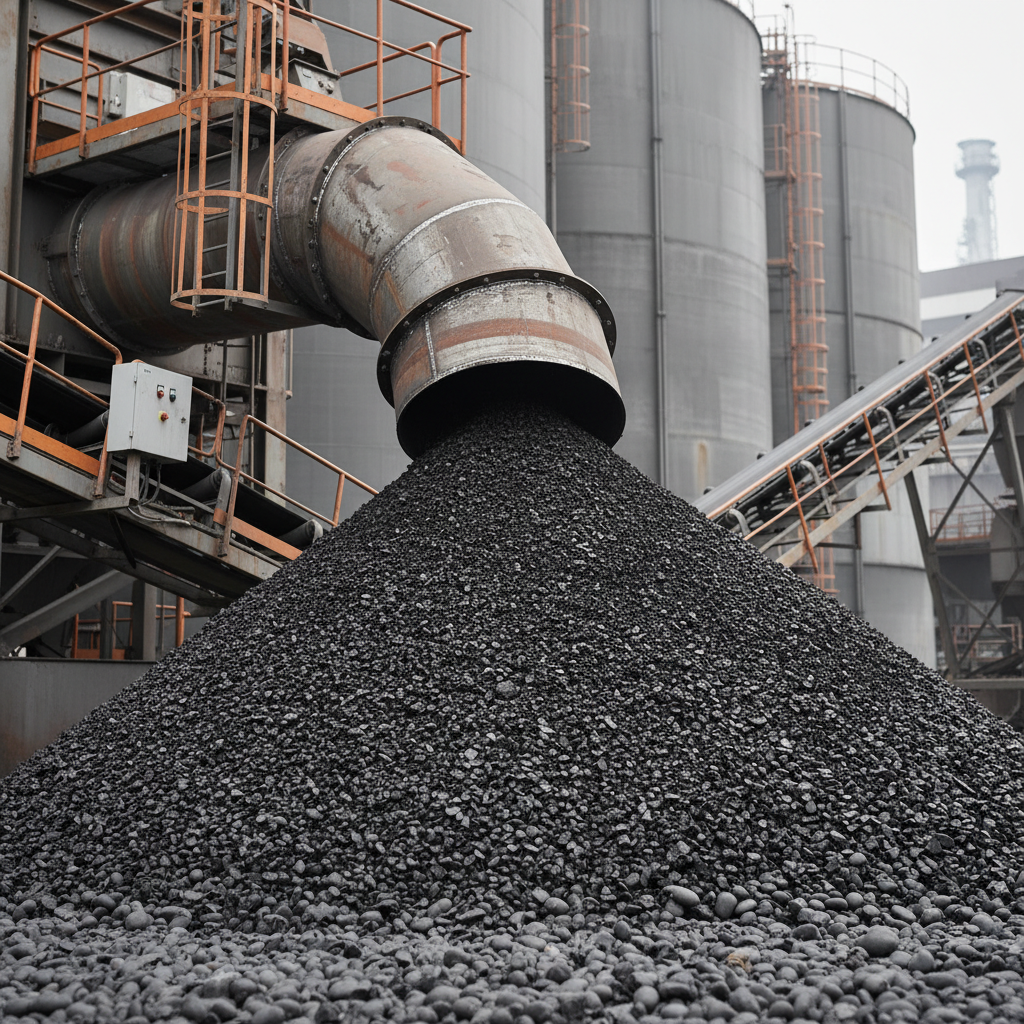
At their core, petcoke manufacturers operate at the intersection of the petroleum and metallurgical industries. They take the heavy residual oils from delayed cokers and transform them into a carbon-rich solid. This process is not merely a disposal method for refinery waste but a precise engineering feat that creates a vital feedstock for the production of anode-grade carbon, which is indispensable for the global aluminum industry.
The impact of these manufacturers extends far beyond basic fuel. By optimizing the carbon structure, they enable the creation of Electrode Paste and Graphite Powder, which are critical for the stability of electric arc furnaces. Without the consistent quality provided by professional petcoke manufacturers, the global supply of steel and aluminum would face significant volatility in both quality and price.
Core Specifications and Quality Benchmarks
When evaluating petcoke manufacturers, the primary metric of quality is the sulfur content. Low-sulfur petcoke is highly prized for its ability to reduce emissions during the smelting process and prevent the degradation of the final metal product. Manufacturers utilize advanced desulfurization techniques to ensure that the carbon meets the strict requirements of high-end industrial applications.
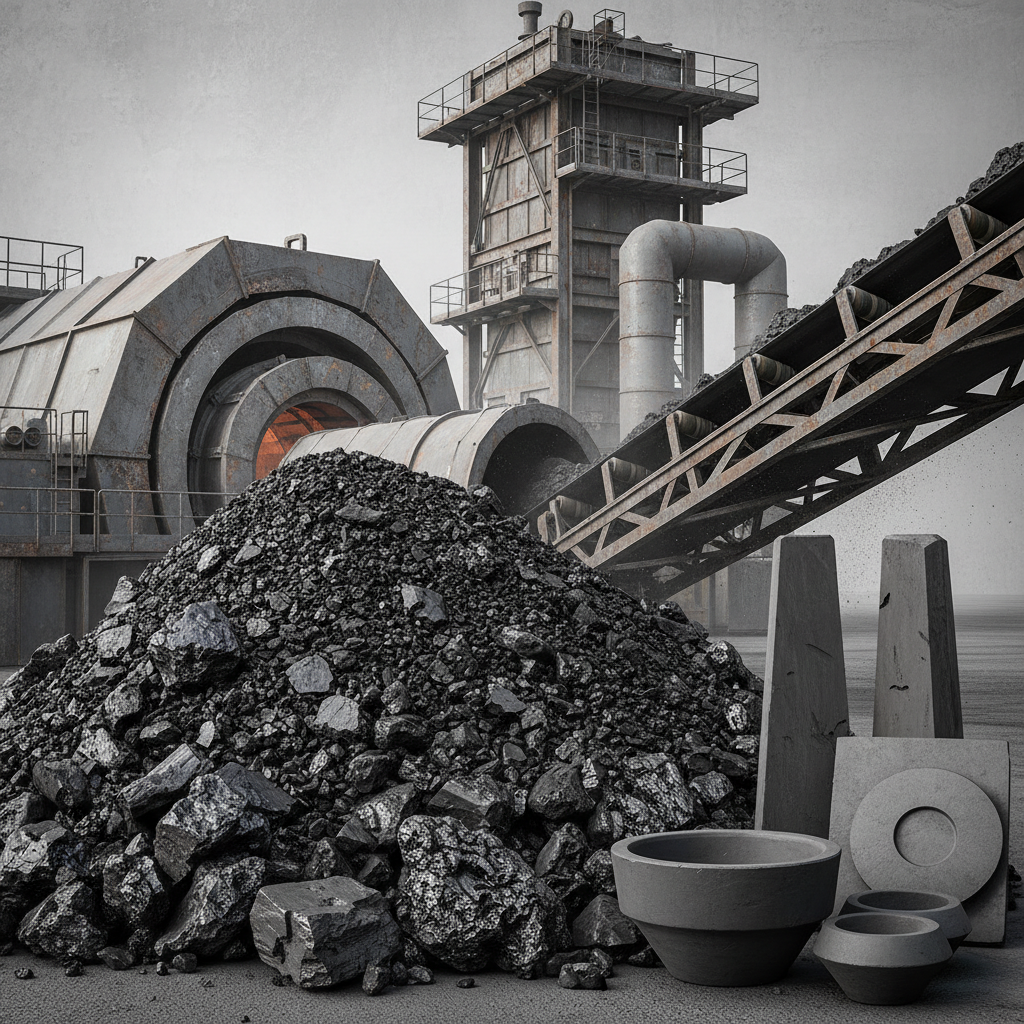
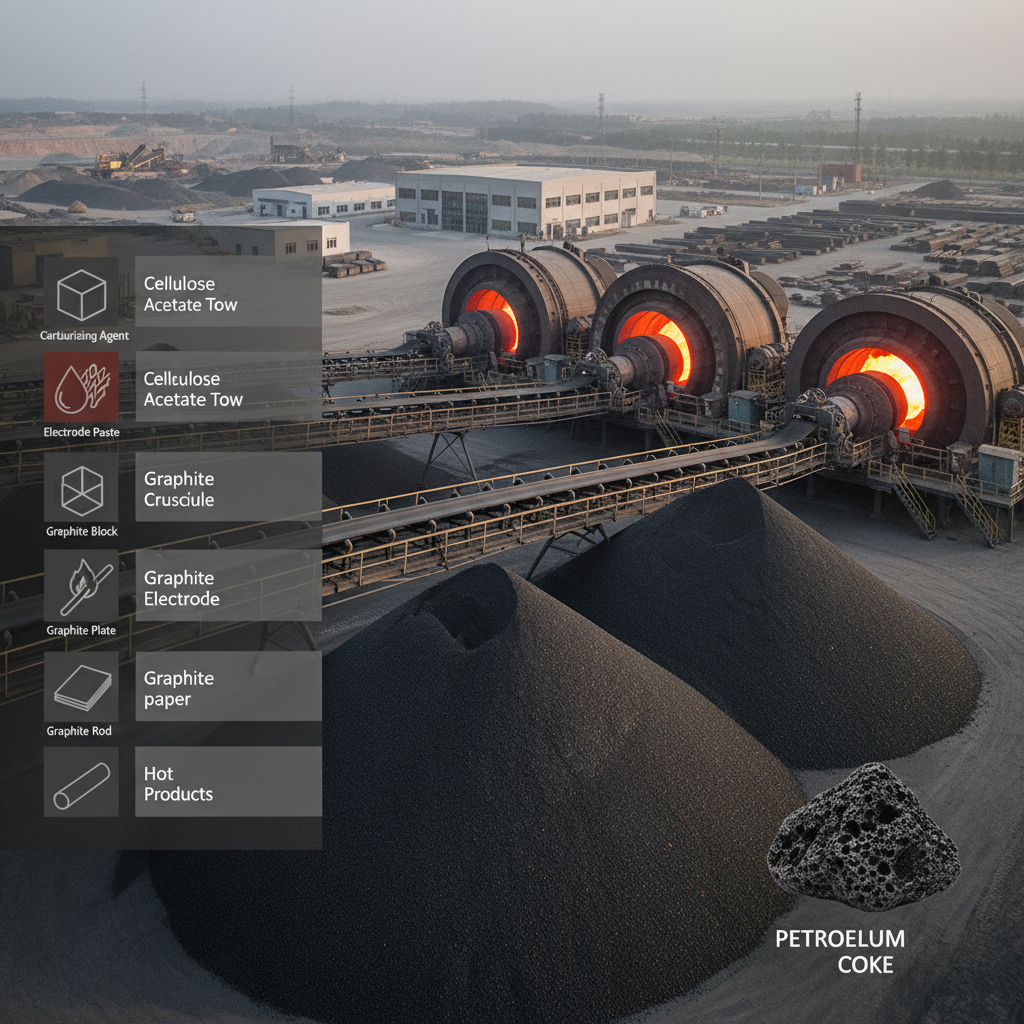
Another critical factor is the "calcination" process. Raw green coke must be heated in rotary kilns to remove volatile organic compounds. Top-tier petcoke manufacturers maintain precise temperature controls to avoid over-burning, which could lead to a loss of carbon density. This ensures that the resulting material has the optimal porosity for binding agents used in Graphite Plate and Rod production.
Finally, the ash content serves as a benchmark for purity. High ash levels can introduce impurities into the molten metal, leading to structural weaknesses in the finished product. Therefore, the most reputable petcoke manufacturers employ rigorous filtration and screening processes to deliver a product with minimal mineral contamination, ensuring a seamless integration into the customer's manufacturing workflow.
Connection to Graphite and Carbon Products
The synergy between petcoke manufacturers and the graphite industry is fundamental. Petroleum coke serves as the primary raw material for the production of Graphite Electrodes. Through a process of impregnation and graphitization at extreme temperatures, the carbon structure is rearranged into the hexagonal layers characteristic of graphite, providing the electrical conductivity required for industrial smelting.
Moreover, petcoke manufacturers provide the base for specialized items like Graphite Crucibles and Graphite Paper. By controlling the particle size of the coke, they allow for the creation of varying densities, which determines whether the final product will be a porous filter or a high-density, heat-resistant block. This versatility is what makes the output of these manufacturers so valuable across different sectors.
In the production of Carburizing Agents, the role of petcoke manufacturers is equally vital. By producing coke with specific reactivity profiles, they enable steel manufacturers to precisely control the carbon absorption of the metal surface, improving the hardness and wear resistance of industrial tools and automotive components.
Operational Efficiency and Cost Analysis
For industrial buyers, the choice among petcoke manufacturers often comes down to the balance between purity and price. Fuel-grade coke is significantly cheaper and is used primarily for energy, whereas anode-grade coke requires higher processing costs but offers the structural stability needed for electrodes. Strategic sourcing involves analyzing the lifecycle cost—where a higher initial investment in premium coke reduces the frequency of electrode replacement.
Logistics also play a massive role in the cost structure. Because petroleum coke is produced in massive quantities, petcoke manufacturers typically leverage bulk shipping and rail transport. Integrating supply chain management with real-time market pricing for crude oil residuals allows manufacturers to offer more competitive long-term contracts to their partners.
Efficiency Ratings of Petcoke Manufacturing Processes
Global Market Applications and Use Cases
The output from petcoke manufacturers is utilized globally, with heavy concentrations in industrial hubs across Asia, North America, and the Middle East. In the aluminum industry, specifically in the Gulf Cooperation Council (GCC) regions, petcoke is the primary ingredient for carbon anodes, which are essential for the Hall-Héroult process. Without a reliable stream of anode-grade coke, global aluminum production would grind to a halt.
Beyond metallurgy, these materials find use in the cement industry, where petcoke serves as a high-caloric fuel alternative to coal. In remote industrial zones, where traditional energy sources are scarce, the cost-effective energy density provided by petcoke manufacturers allows for the sustainable operation of kilns and furnaces, driving infrastructure development in emerging economies.
Environmental Sustainability and Compliance
One of the most significant challenges facing petcoke manufacturers is the management of emissions. The calcination process, while necessary, releases sulfur dioxide and particulate matter. To combat this, leading manufacturers are investing in advanced scrubbing technologies and closed-loop systems that capture emissions before they enter the atmosphere, aligning with global ESG (Environmental, Social, and Governance) standards.
Furthermore, there is a growing movement toward "Green Carbon." Some petcoke manufacturers are experimenting with blending petroleum coke with bio-based carbons to reduce the net carbon footprint of the final product. This innovation is particularly important for clients in the European Union, where the Carbon Border Adjustment Mechanism (CBAM) imposes costs on high-carbon imports.
Compliance with ISO 14001 and other environmental certifications has become a competitive advantage. Manufacturers that can prove a lower carbon intensity per ton of coke produced are seeing increased demand from sustainable brands and government-backed infrastructure projects, proving that ecological responsibility and industrial profitability can coexist.
Future Innovations in Carbon Manufacturing
The future for petcoke manufacturers lies in the realm of nanotechnology and precision carbon engineering. We are seeing a shift toward the production of "ultra-pure" coke, designed specifically for the semiconductor and battery industries. By removing almost all metallic impurities, these manufacturers are enabling the production of higher-capacity anodes for lithium-ion batteries.
Digital transformation is also reshaping the factory floor. The integration of AI-driven sensors in rotary kilns allows petcoke manufacturers to monitor the calcination process in real-time, adjusting temperatures instantly to ensure perfectly consistent product batches. This reduction in variance minimizes waste and optimizes energy consumption.
As the world transitions toward hydrogen-based steelmaking, the demand for traditional carbon agents may shift, but the need for high-performance graphite components will only grow. The adaptability of these manufacturers to pivot from fuel-grade production to high-tech carbon materials will determine their long-term viability in a decarbonizing world.
Comparative Analysis of Petcoke Grade Applications
| Coke Grade |
Primary Application |
Purity Requirement |
Industrial Value |
| Anode Grade |
Aluminum Smelting |
Very High |
Highest |
| Fuel Grade |
Cement Kilns |
Low |
Moderate |
| Graphite Grade |
Electrode Production |
Extreme |
Very High |
| Carburizing Grade |
Steel Hardening |
Medium |
High |
| Specialty Grade |
Battery Anodes |
Ultra-High |
Premium |
| Recycled Grade |
General Foundry |
Medium-Low |
Economic |
FAQS
Fuel-grade coke is primarily used as a high-energy fuel source in cement kilns and power plants, whereas anode-grade coke is specifically processed to have low sulfur and low ash content, making it suitable for the production of carbon anodes in aluminum smelting and the manufacturing of graphite electrodes.
Purity is ensured through a combination of feedstock selection and the calcination process. Manufacturers use rotary kilns to drive off volatile organic compounds and employ advanced desulfurization techniques to remove sulfur, followed by precise screening to eliminate ash and mineral impurities.
Traditionally, petcoke is carbon-intensive. However, modern petcoke manufacturers are implementing carbon capture technologies and scrubbing systems to reduce SOx emissions. There is also an increasing trend toward blending petcoke with bio-carbons to lower the overall carbon footprint of the industrial process.
High sulfur content can lead to structural voids and impurities in the graphite lattice, which reduces the electrical conductivity and mechanical strength of the electrode. This results in faster wear and more frequent failures in electric arc furnaces, increasing operational costs.
You should evaluate manufacturers based on their ability to provide consistent chemical specifications (C, S, Ash content), their logistical capabilities for bulk delivery, and their compliance with international quality standards like ISO. Requesting a detailed lab analysis of recent batches is highly recommended.
In many cases, yes. Due to its high carbon content and energy density, petcoke is often used as a supplement or replacement for coal in smelting and heating processes, often providing a more cost-effective solution depending on the local availability of raw materials.
Conclusion
The expertise provided by petcoke manufacturers is a cornerstone of modern metallurgy and carbon-based product manufacturing. From the foundational role of anode-grade coke in aluminum production to the precision required for high-grade graphite electrodes and carburizing agents, these manufacturers bridge the gap between petroleum refining and high-tech industrial application. By focusing on purity, sulfur control, and efficient calcination, they ensure that global industries can operate with stability and efficiency.
Looking forward, the industry is poised for a transformation driven by sustainability and digitalization. The shift toward "Green Carbon" and the integration of AI in production will allow petcoke manufacturers to meet the rigorous environmental demands of the 21st century while continuing to supply the essential materials that power our world. For those seeking high-performance carbon solutions, partnering with a forward-thinking manufacturer is the key to long-term operational success. Visit our website: www.nlgraphite.com