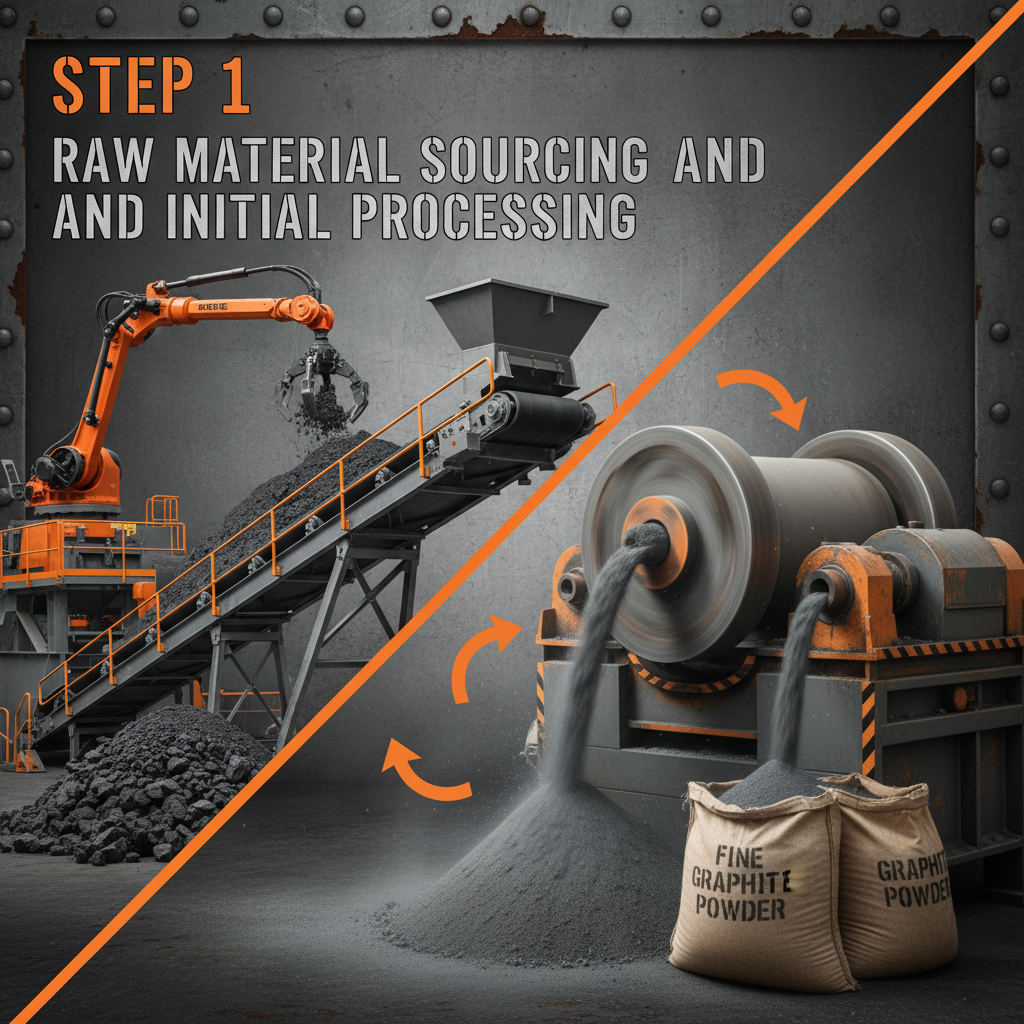
In the complex landscape of industrial carbon materials, the role of a reliable petroleum coke exporter is fundamental to the stability of global metallurgy and chemical synthesis. Petroleum coke, a byproduct of the oil refining process, serves as the essential feedstock for graphite electrodes and high-performance carbon products, making its distribution a critical link in the industrial supply chain. Understanding the nuances of sourcing this material is not just about procurement, but about ensuring the purity and consistency required for high-stakes manufacturing.
Globally, the demand for high-grade calcined and green petroleum coke continues to surge as emerging economies expand their steel and aluminum smelting capacities. A professional petroleum coke exporter does more than move tonnage; they provide the technical assurance that the sulfur and ash content meet the rigorous standards of ISO and international smelting protocols. This ensures that the end-products, from graphite blocks to electrode pastes, maintain their structural integrity under extreme thermal stress.
For procurement managers and industrial engineers, partnering with an experienced petroleum coke exporter means mitigating the risks of supply chain volatility and material degradation. By leveraging strategic logistics and rigorous quality control, these exporters bridge the gap between refinery outputs and the precise needs of the carbonaceous products industry, ultimately driving innovation in heat-resistant materials and energy efficiency.
Global Market Dynamics of Petroleum Coke Export
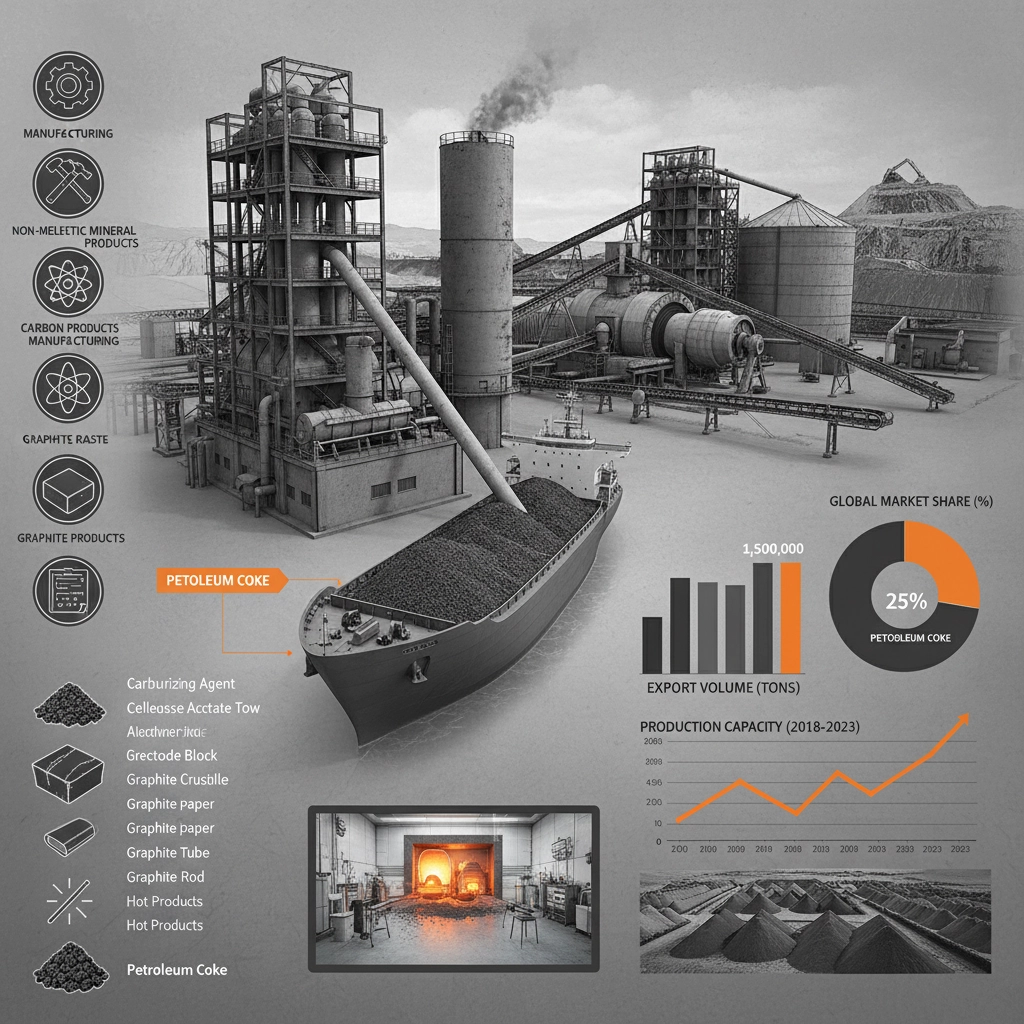
The global trade of petroleum coke is heavily influenced by the shifts in crude oil refining and the subsequent demand for carbon-based reductants. As a primary petroleum coke exporter, the ability to navigate the volatility of the energy market is paramount. Current data suggests that the shift toward "green" steel production is paradoxically increasing the short-term demand for ultra-low sulfur coke to improve efficiency in existing blast furnaces.
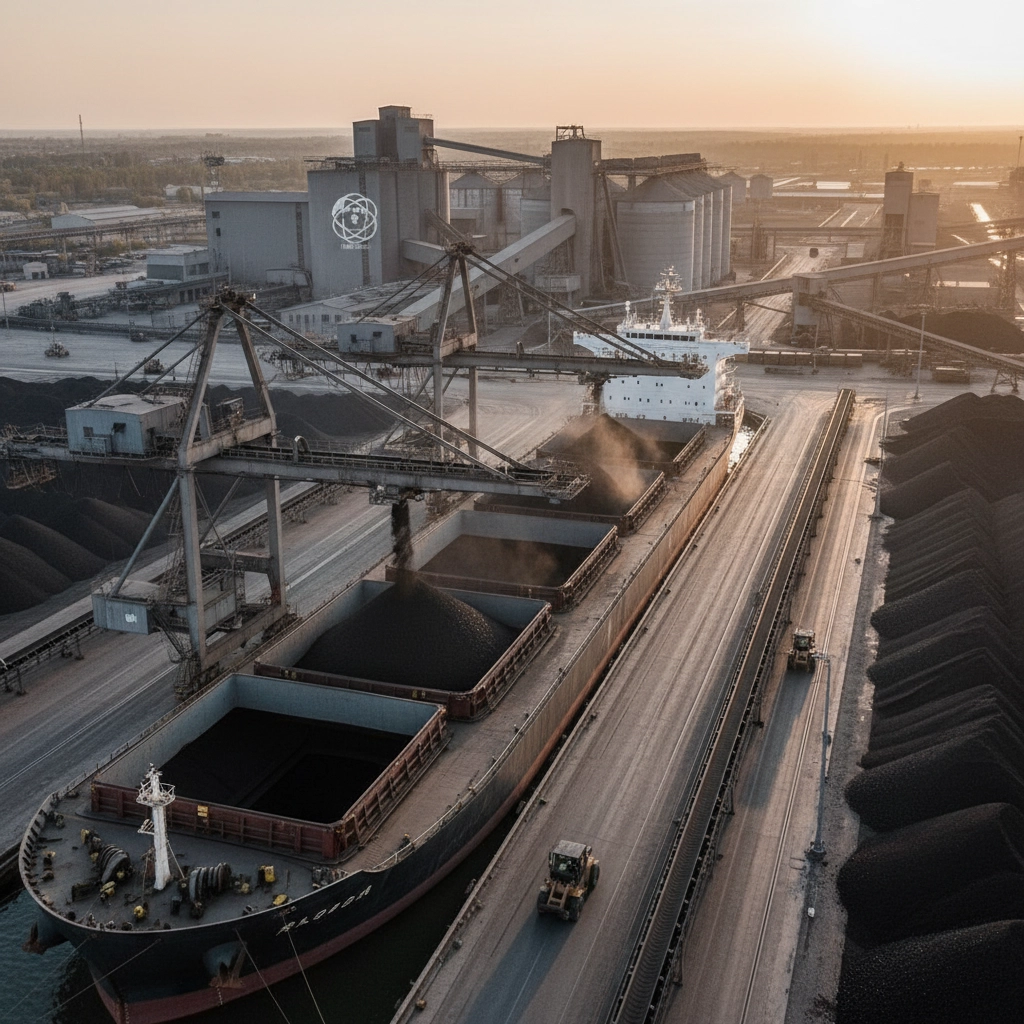
Furthermore, the geopolitical alignment of resource-rich nations and industrial hubs determines the flow of these materials. An effective petroleum coke exporter must manage complex maritime logistics and customs regulations to ensure that the supply of raw materials for Graphite Electrodes and Carburizing Agents remains uninterrupted across continents.
Defining the Role of a Professional Petroleum Coke Exporter
At its core, a petroleum coke exporter is a specialized intermediary and quality assurance entity that sources delayed-coking refinery outputs and prepares them for international industrial use. This process involves more than simple shipping; it requires a deep understanding of the chemical variance between "green coke" (raw) and "calcined coke" (heat-treated), ensuring the client receives a product that matches their specific thermal expansion and electrical conductivity requirements.
In the context of modern industry, this role is vital for the production of non-metallic mineral products. Whether the end-use is as a carbon raiser in steelmaking or as a raw material for Graphite Powder and Graphite Plates, the exporter acts as the first line of quality control. By certifying the carbon content and purity, they prevent catastrophic failures in the smelting process that could result from impurities like vanadium or nickel.
Moreover, the humanitarian and economic impact is significant. By stabilizing the supply of petroleum coke, exporters support the infrastructure development of developing nations, providing the necessary materials for the construction of power grids, transportation networks, and urban centers through the enablement of local aluminum and steel production.
Core Technical Components of Premium Coke Sourcing
When evaluating a petroleum coke exporter, the first critical factor is Chemical Purity. The concentration of sulfur, ash, and volatile matter determines the grade of the coke. For those producing high-end Graphite Tubes or Rods, a low-sulfur profile is non-negotiable to prevent corrosion and ensure the longevity of the carbon structure.
Physical Consistency is the second pillar. The particle size distribution (PSD) must be strictly controlled. A professional petroleum coke exporter ensures that the granulation is uniform, which is essential for the stability of Electrode Paste and the density of Graphite Blocks, preventing voids that could lead to structural weakness during high-temperature applications.
Finally, Thermal Stability and Calcination play a decisive role. The process of removing volatile organic compounds through calcination transforms the material into a stable form. Exporters who provide pre-calcined coke offer a significant advantage in cost-efficiency, as the end-user can bypass the energy-intensive calcining stage and move directly to the production of Graphite Crucibles or other carbon products.
Industrial Applications and Use Case Analysis
The materials provided by a petroleum coke exporter are integrated into various high-tech and heavy-industrial sectors. In the aluminum industry, calcined petroleum coke is a primary component of the carbon anode. Without a steady stream of high-purity coke, the electrolytic process would become inefficient, leading to higher energy consumption and increased carbon emissions per ton of aluminum produced.
In more specialized contexts, such as the manufacturing of Graphite Paper or specialized Graphite Plates, the coke serves as the foundational precursor. For instance, in remote industrial zones where local raw materials are unavailable, the reliance on a global petroleum coke exporter becomes a strategic necessity to maintain the production of high-temperature furnace linings and chemical reactors.
Comparative Performance of Sourcing Methods via Petroleum Coke Exporter
Strategic Advantages of Certified Export Partnerships
Partnering with a certified petroleum coke exporter provides tangible economic benefits through the reduction of waste and the optimization of the production cycle. By ensuring that the chemical composition is consistent across batches, manufacturers can fine-tune their furnace settings, leading to lower energy costs and a significant reduction in the reject rate of finished Graphite Electrodes.
Beyond the logical and financial gains, there is an element of trust and reliability. In an industry where a single shipment of contaminated coke can halt a multi-million dollar smelting operation, the emotional peace of mind provided by a transparent exporter is invaluable. This trust is built on a foundation of rigorous third-party testing, clear documentation, and a commitment to long-term sustainability.
Future Innovations in Carbon Material Exporting
The future of the petroleum coke exporter is increasingly tied to the "Green Carbon" movement. We are seeing a transition toward the integration of bio-coke and recycled carbon materials to reduce the overall environmental footprint of the industry. Digital transformation, particularly the use of blockchain for provenance tracking, is allowing exporters to provide an immutable record of a material's origin and carbon footprint.
Automation in the grading and sorting process is also redefining efficiency. Advanced spectroscopic analysis allows exporters to categorize coke grades with unprecedented precision, ensuring that the most suitable material is paired with the specific needs of the client—whether it be for high-conductivity Graphite Powder or high-strength Graphite Blocks.
Furthermore, the shift toward circular economy models means that exporters are becoming consultants in carbon management. They are no longer just shipping a commodity; they are helping clients optimize their carbon usage to meet new international environmental regulations, thereby ensuring the long-term viability of the carbonaceous products industry.
Overcoming Challenges in Global Coke Logistics
One of the primary challenges faced by any petroleum coke exporter is the risk of contamination during transit. Since petroleum coke can attract moisture and environmental pollutants, specialized packaging and moisture-proof shipping containers are essential to maintain the material's integrity from the refinery to the factory gate.
Another significant hurdle is the volatility of shipping costs and port congestion. Expert exporters overcome this by utilizing multi-modal transport strategies and maintaining strategic stockpiles in regional hubs. This ensures that even during global logistics crises, the supply of critical materials for Graphite Tube and Graphite Rod production remains stable.
To address the regulatory challenges associated with the transport of carbonaceous materials, top-tier exporters invest heavily in compliance and certification. By adhering to the strictest international maritime and environmental laws, they ensure that the flow of trade is not interrupted by legal disputes or environmental sanctions.
Comparative Analysis of Petroleum Coke Export Grade Requirements
|
Coke Grade
|
Primary Application
|
Key Quality Metric
|
Importance Score (1-10)
|
|
Ultra-Low Sulfur
|
Graphite Electrode Production
|
Sulfur
|
10
|
|
Calcined Grade A
|
Aluminum Anodes
|
Volatile Matter
|
9
|
|
Green Coke (Raw)
|
General Fuel/Industrial
|
Calorific Value
|
6
|
|
High-Purity Powder
|
Graphite Powder/Pencils
|
Ash Content
|
8
|
|
Medium Sulfur
|
Steel Carburizing Agent
|
Fixed Carbon > 85%
|
7
|
|
Specialty Needle Coke
|
High-Power Electrodes
|
Crystallinity/Structure
|
10
|
FAQS
A professional exporter employs a multi-stage verification process. This begins with auditing the refinery's coking unit and continues with rigorous sampling of each batch. They use standardized laboratory tests (such as ASTM standards) to measure sulfur, ash, and carbon content. By partnering with independent third-party inspectors (like SGS), they provide a certified Certificate of Analysis (COA) that guarantees the material meets the specific technical requirements of the buyer before shipment.
Green coke is the raw byproduct of the delayed coking process, containing volatile organic compounds. Calcined coke has been heat-treated in a kiln to remove these volatiles, making it more stable and suitable for high-temperature applications like aluminum anodes. For an exporter, calcined coke represents a higher-value product because it saves the customer the cost and energy of processing, although it requires more specialized handling during export to avoid re-contamination.
Yes, by providing higher-purity, low-sulfur materials, exporters enable more efficient combustion and smelting processes, which reduces the energy required per unit of production. Additionally, many modern exporters are now sourcing "green" carbon alternatives or recycled carbonaceous materials, allowing factories to transition toward more sustainable feedstocks without compromising the structural integrity of their graphite products.
Logistics should be handled through an exporter who offers Comprehensive Incoterms (like CIF or DDP) to mitigate risk. Ensure the use of moisture-resistant liners in bulk carriers or specialized bagging for powder grades. It is also critical to establish a clear customs clearance protocol, as petroleum coke is subject to different environmental and industrial regulations depending on the destination country.
For high-performance graphite electrodes, "Needle Coke" is the gold standard due to its unique crystalline structure, which allows for high electrical conductivity and strength. However, for standard electrodes, ultra-low sulfur calcined petroleum coke is required to ensure the product does not oxidize prematurely and maintains its shape under the intense heat of an electric arc furnace.
Petroleum coke is a byproduct of oil refining, meaning its use is a form of industrial valorization—turning a waste product into a valuable resource. While it is a carbon-based material, its role in enabling the production of aluminum and steel (which are recyclable) is critical. The industry is currently moving toward "carbon capture" and "bio-coke" blends to further reduce the environmental impact of its export and use.
Conclusion
The strategic importance of a professional petroleum coke exporter cannot be overstated in the context of global industrialization. From ensuring the chemical purity required for Graphite Electrodes to managing the complex logistics of bulk carbon transport, the exporter serves as the essential link that transforms a refinery byproduct into a high-performance industrial catalyst. By focusing on consistency, transparency, and technical excellence, these partnerships drive the efficiency of the entire non-metallic mineral products sector.
Looking forward, the industry will be defined by the intersection of carbon efficiency and environmental stewardship. Companies that prioritize certified, low-sulfur materials and embrace digital traceability will lead the market in sustainability and reliability. For those seeking to optimize their carbon supply chain and ensure the highest quality for their graphite-based products, partnering with an expert exporter is the most viable path toward long-term industrial success. Visit our website for more information: www.nlgraphite.com