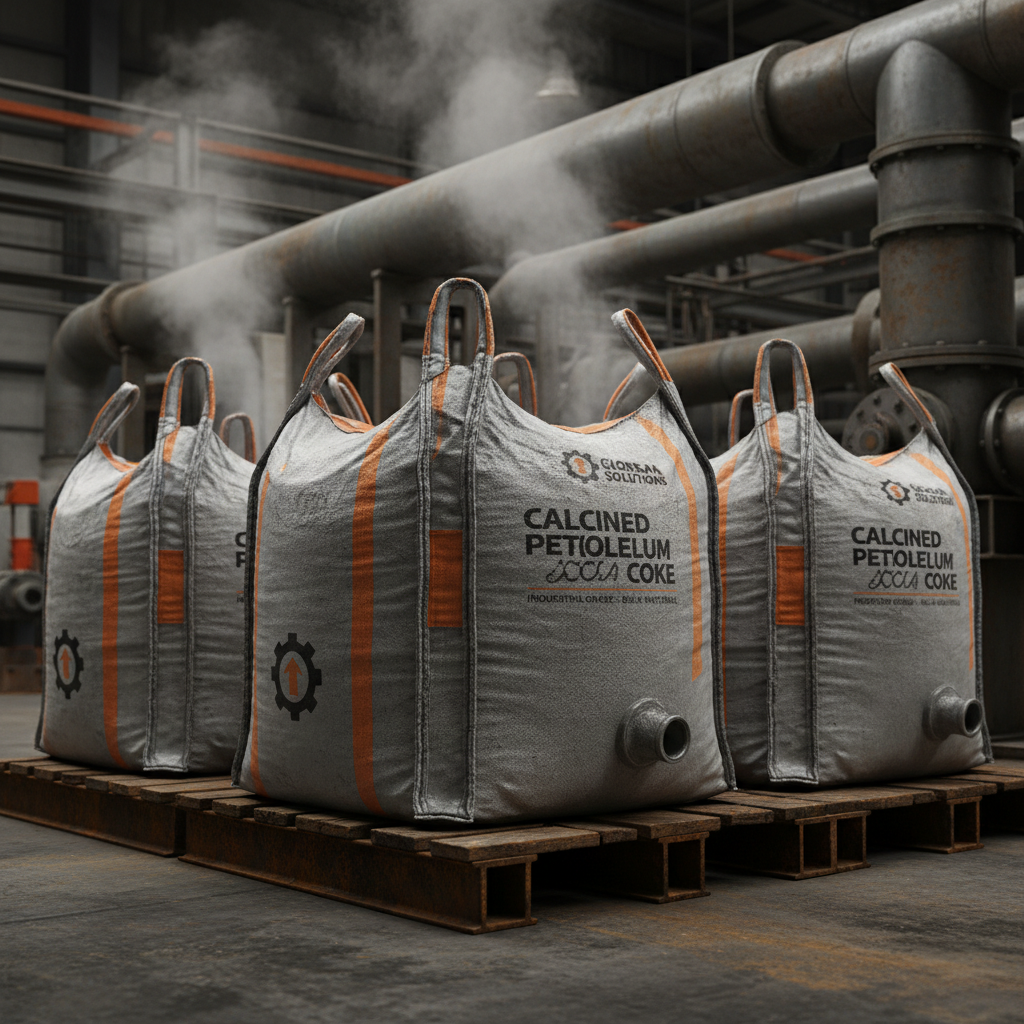
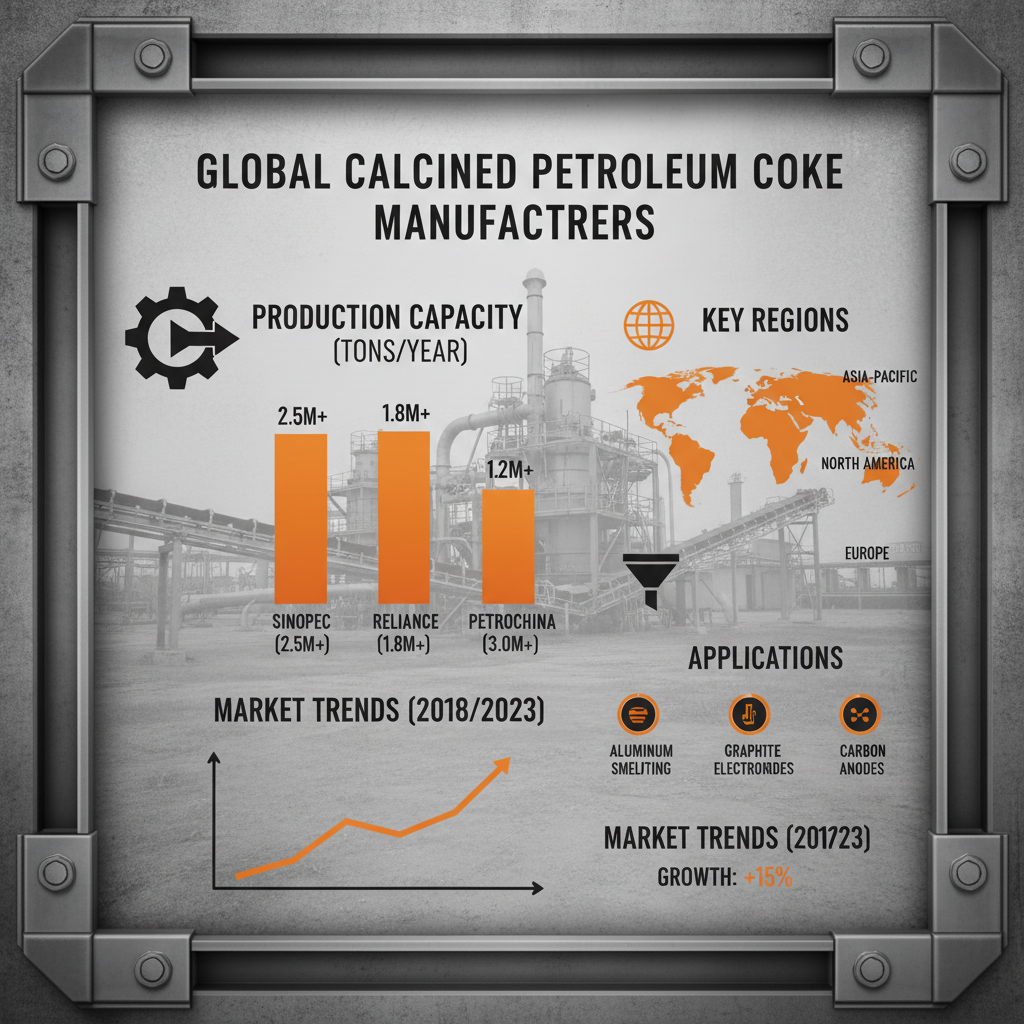
The global industrial landscape relies heavily on high-performance carbon materials, where the role of calcined petroleum coke manufacturers is pivotal. By transforming raw "green" petroleum coke through controlled thermal treatment, these manufacturers produce a material essential for the aluminum and steel industries, ensuring that anodes and electrodes can withstand extreme temperatures and electrical loads.
Understanding the nuances of the calcination process is critical for procurement managers and engineers alike. The quality of the output—specifically the volatility levels and electrical conductivity—depends entirely on the technical precision of the calcined petroleum coke manufacturers, making the selection of a reliable partner a strategic business decision rather than a simple commodity purchase.
As the world shifts toward more sustainable manufacturing and higher energy efficiency, the demand for premium-grade calcined coke continues to grow. This guide explores the operational standards, global applications, and future innovations driven by leading calcined petroleum coke manufacturers to help you optimize your industrial supply chain.
The Role of Calcined Petroleum Coke Manufacturers in Modern Metallurgy
At the heart of primary aluminum production and electric arc furnace steelmaking lies the expertise of calcined petroleum coke manufacturers. These entities provide the essential carbon source required to create anodes that conduct electricity into the smelting bath. Without the precise removal of volatile organic compounds (VOCs) achieved during calcination, the resulting electrodes would be porous and unstable, leading to catastrophic failure in high-heat environments.
Furthermore, these manufacturers bridge the gap between the oil refining industry and the metallurgical sector. By sourcing needle coke or shot coke and subjecting it to temperatures exceeding 1,300°C, calcined petroleum coke manufacturers ensure that the final product possesses the necessary density and conductivity to maximize energy efficiency in industrial furnaces.
Technical Standards and Quality Control Metrics
For industrial buyers, the value provided by calcined petroleum coke manufacturers is measured through a set of stringent chemical and physical benchmarks. Sulfur content is perhaps the most critical metric; high sulfur levels can lead to environmental penalties and degrade the quality of the produced metal. Therefore, top-tier manufacturers employ advanced desulfurization techniques to meet ISO standards.
Another key indicator is the "ash content," which refers to the inorganic residue left after combustion. Professional calcined petroleum coke manufacturers focus on minimizing ash to prevent the formation of unwanted impurities in the smelting process. This requires a meticulous selection of raw petroleum coke and a highly controlled thermal environment to avoid contamination from the kiln linings.
Finally, the particle size distribution (PSD) is optimized to ensure maximum packing density when the coke is mixed with binders to form Electrode Paste or Graphite Blocks. By offering tailored PSDs, calcined petroleum coke manufacturers allow their clients to reduce binder consumption and increase the overall mechanical strength of the finished carbon product.
The Calcination Process: From Green Coke to Industrial Grade
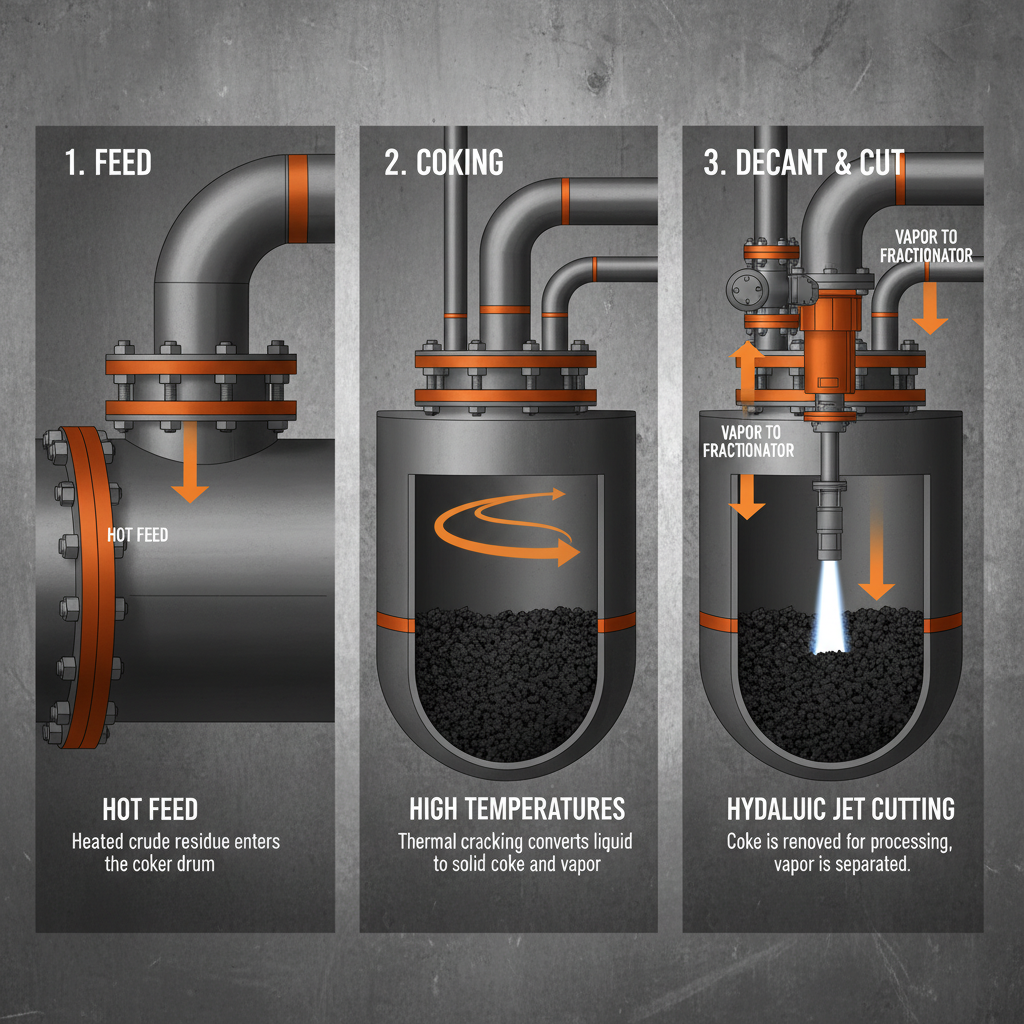
The transformation process managed by calcined petroleum coke manufacturers begins with "green coke," a byproduct of the oil refining process. This raw material contains a significant amount of volatile matter that must be expelled to create a stable, non-porous carbon structure suitable for industrial use.
During the heating phase, calcined petroleum coke manufacturers utilize rotary kilns or fluid-bed calciners. The critical challenge here is maintaining a uniform temperature gradient; if the heating is too rapid, the coke may crack, whereas insufficient heat leaves behind volatiles that can cause "bloating" during the subsequent anode baking process.
Once the volatiles are removed, the material is cooled and screened. The ability of calcined petroleum coke manufacturers to maintain consistency across different batches is what distinguishes a market leader from a commodity supplier, as variability in coke quality can lead to unpredictable energy costs in smelting operations.
Comparative Performance of Manufacturing Methods
Not all production paths are equal, and different calcined petroleum coke manufacturers employ varying technologies depending on the end-use of the product. Rotary kilns are traditional and robust, ideal for high-volume output, while fluid-bed calciners offer superior temperature uniformity and lower emissions, though they require higher initial capital investment.
The choice of method directly impacts the electrical resistivity and mechanical durability of the coke. Modern calcined petroleum coke manufacturers are increasingly adopting hybrid systems that combine the throughput of rotary kilns with the precision of digital thermal monitoring to ensure every ton of coke meets a specific "grade" of conductivity.
Efficiency Analysis of Calcined Petroleum Coke Manufacturers' Methods
Global Applications Across Heavy Industries
The products sourced from calcined petroleum coke manufacturers are integrated into a vast array of critical infrastructure. In the aluminum sector, this material is the primary ingredient for pre-baked anodes. In regions like the Middle East and Canada, where aluminum smelting is a cornerstone of the economy, the steady supply of high-purity calcined coke is essential for maintaining production quotas.
Beyond smelting, these materials are used to produce Graphite Electrodes and Graphite Blocks used in electric arc furnaces for steel recycling. In remote industrial zones, the reliability of calcined petroleum coke manufacturers ensures that steel mills can operate without interruption, converting scrap metal into high-grade construction steel for urban development projects worldwide.
Economic Impact and Supply Chain Reliability
The economics of the carbon industry are highly sensitive to the operational capacity of calcined petroleum coke manufacturers. Because calcined coke is a specialized derivative, any bottleneck in the calcination process can lead to a price surge in the downstream Graphite Electrode market, affecting everything from automotive manufacturing to aerospace components.
To mitigate these risks, many industrial giants are forming long-term strategic partnerships with specific calcined petroleum coke manufacturers. These agreements often involve "toll calcination," where the buyer provides the raw green coke and the manufacturer provides the technical expertise and facility to process it, ensuring a transparent and stable supply chain.
Furthermore, the geographic distribution of these manufacturers plays a role in logistics costs. Shipping bulk carbon materials across oceans is expensive; therefore, the emergence of regional calcined petroleum coke manufacturers in Southeast Asia and Africa is helping to localize the supply chain and reduce the overall carbon footprint of the transport process.
Future Innovations in Sustainable Carbon Production
The future of calcined petroleum coke manufacturers is being shaped by the global mandate for decarbonization. Traditional calcination is energy-intensive and releases significant CO2. To address this, innovative manufacturers are exploring "Green Calcination" technologies, which include using hydrogen-fueled kilns or carbon capture and storage (CCS) systems to neutralize emissions.
Digital transformation is also playing a massive role. Leading calcined petroleum coke manufacturers are implementing AI-driven thermal control systems that analyze raw material composition in real-time and adjust kiln temperatures automatically. This minimizes energy waste and ensures a product with near-zero variance in quality.
Moreover, there is a growing trend toward the development of bio-based precursors to replace petroleum-derived coke. While still in the experimental phase, the transition toward "bio-calcination" represents the next frontier for calcined petroleum coke manufacturers who wish to remain competitive in a net-zero economy.
Analysis of Production Standards and Innovation Trends among Manufacturers
| Manufacturer Grade |
Sulfur Control Level |
Energy Efficiency Score |
Innovation Adoption |
| Premium Grade (Tier 1) |
Ultra-Low (<1%) |
9.5/10 |
AI-Driven Thermal Control |
| Industrial Grade (Tier 2) |
Low (1-2%) |
7.8/10 |
Automated Screening |
| Standard Grade (Tier 3) |
Moderate (2-4%) |
6.2/10 |
Manual Process Control |
| Eco-Focused Producers |
Low (1.5%) |
9.0/10 |
Hydrogen-Fuel Kilns |
| Specialty Needle Coke Ops |
Ultra-Low (<0.5%) |
8.5/10 |
Precision Grain Mapping |
| Generic Bulk Suppliers |
Variable (3-5%) |
5.0/10 |
Basic Rotary Kilns |
FAQS
Top-tier manufacturers focus on precise volatile removal and strict sulfur and ash control. While budget suppliers may provide material that meets basic specifications, premium manufacturers ensure a consistent particle size distribution and higher electrical conductivity, which directly reduces energy consumption and prevents electrode failure in aluminum smelting and steel production.
The calcination process removes the volatile organic compounds from green coke. If calcined petroleum coke manufacturers fail to control the temperature properly, the resulting coke will be too porous. This leads to lower bulk density in the final Graphite Electrode, increasing the risk of mechanical breakage and reducing the electrical efficiency of the furnace.
Yes, a growing number of manufacturers are investing in "Green Carbon" initiatives. This includes using hydrogen as a heating fuel instead of natural gas and implementing advanced carbon capture systems. Many leading firms are now certifying their products under sustainability frameworks to help downstream clients meet their ESG targets.
High sulfur levels can contaminate the metal produced in the smelting process and lead to the release of sulfur dioxide (SO2), a major environmental pollutant. Reliable calcined petroleum coke manufacturers use specialized pre-treatment and high-temperature processing to drive sulfur levels down to the minimum required by international environmental regulations.
Needle coke is characterized by a highly anisotropic structure, making it ideal for high-power Graphite Electrodes. Shot coke is more isotropic and typically used for aluminum anodes. Both require calcination, but calcined petroleum coke manufacturers must apply different thermal profiles to preserve the unique crystal structure of needle coke.
Companies should request a comprehensive Certificate of Analysis (CoA) that includes sulfur content, ash percentage, volatile matter, and particle size distribution. Additionally, requesting a pilot batch for lab testing—specifically measuring electrical resistivity and bulk density—is the best way to validate a manufacturer's claims before signing a long-term contract.
Conclusion
In summary, the specialized expertise provided by calcined petroleum coke manufacturers is a cornerstone of the global metallurgical industry. From the rigorous removal of volatiles to the precision control of sulfur and ash levels, the quality of calcined coke directly dictates the efficiency and sustainability of aluminum and steel production. By prioritizing technical standards and supply chain reliability, manufacturers ensure that critical industrial components like Graphite Blocks and electrodes perform under the most demanding conditions.
Looking ahead, the industry is poised for a transformation driven by digitalization and green energy. The shift toward hydrogen-based calcination and AI-monitored thermal processing will not only reduce the environmental impact but also enhance the consistency of the product. For businesses looking to optimize their operations, partnering with forward-thinking calcined petroleum coke manufacturers is no longer just a procurement choice—it is a necessity for future-proofing industrial growth. Visit our website: www.nlgraphite.com