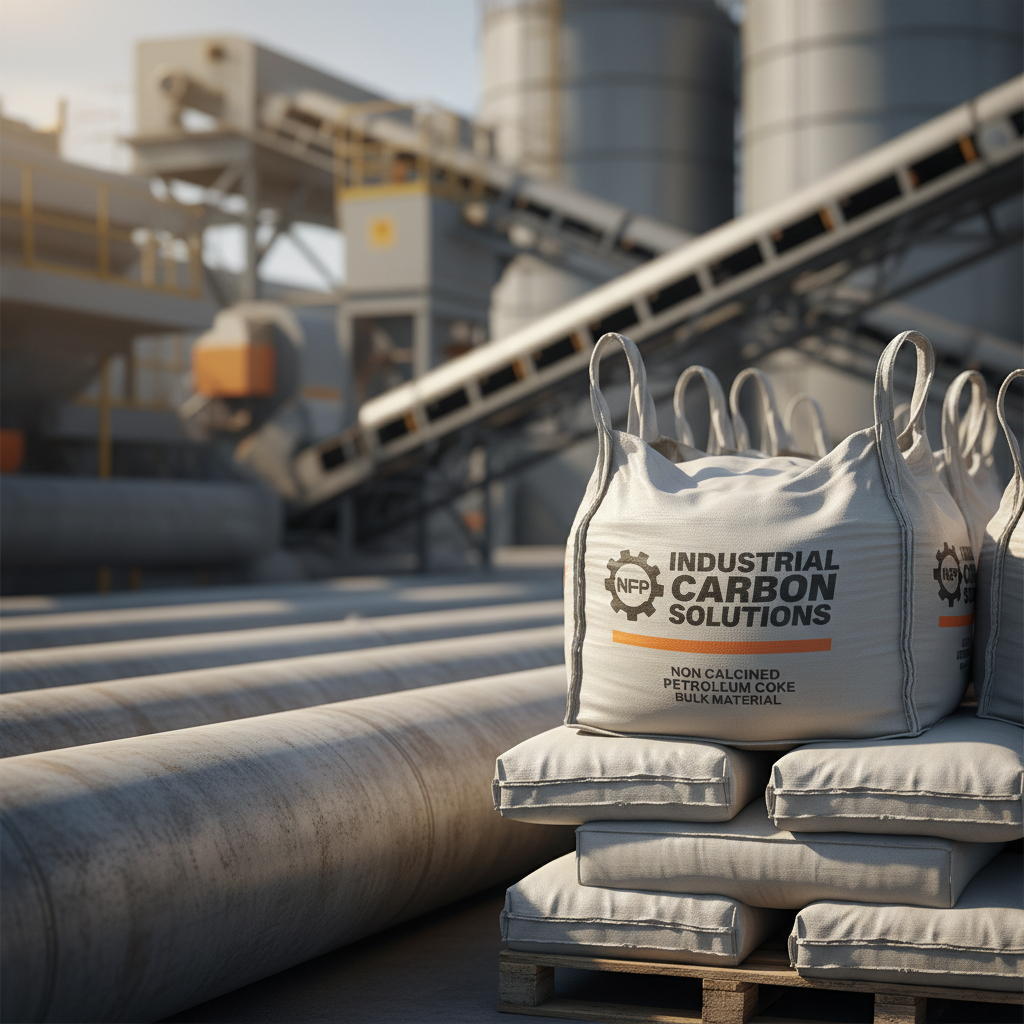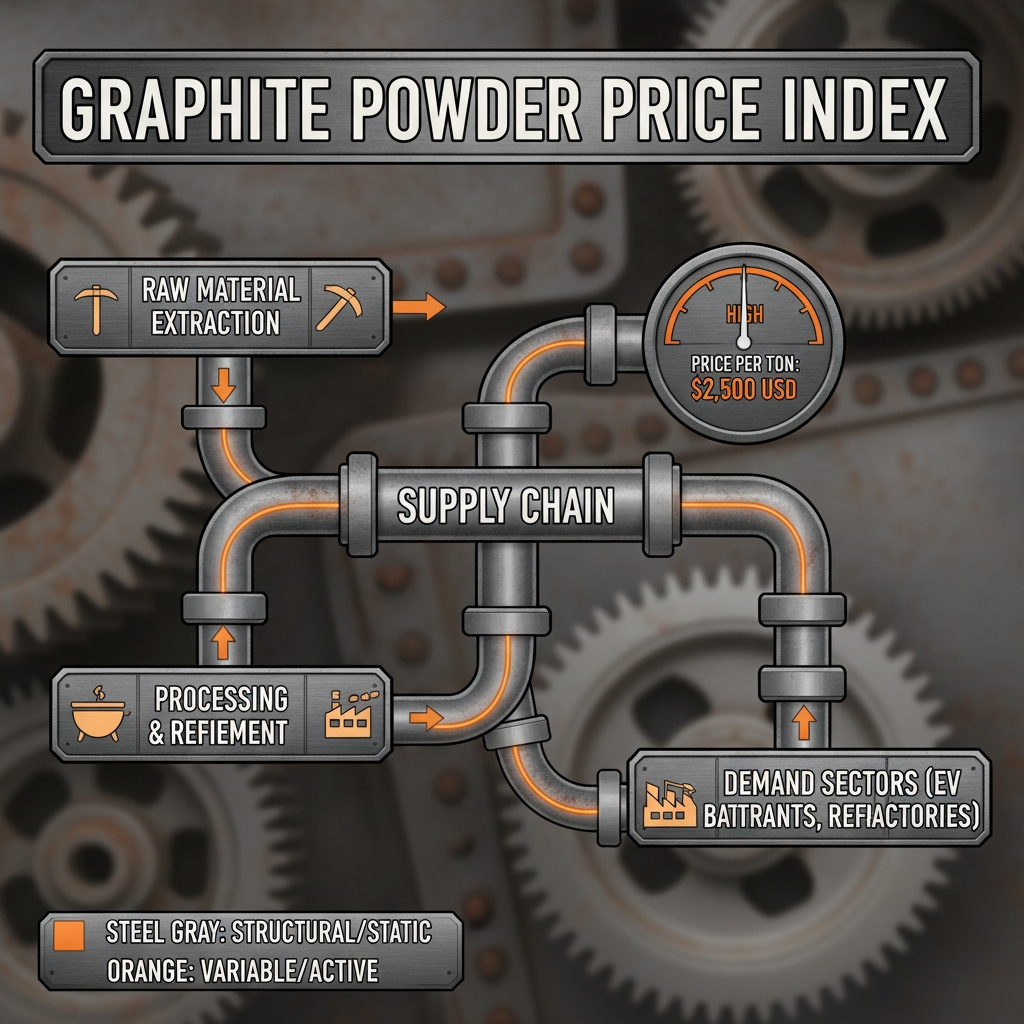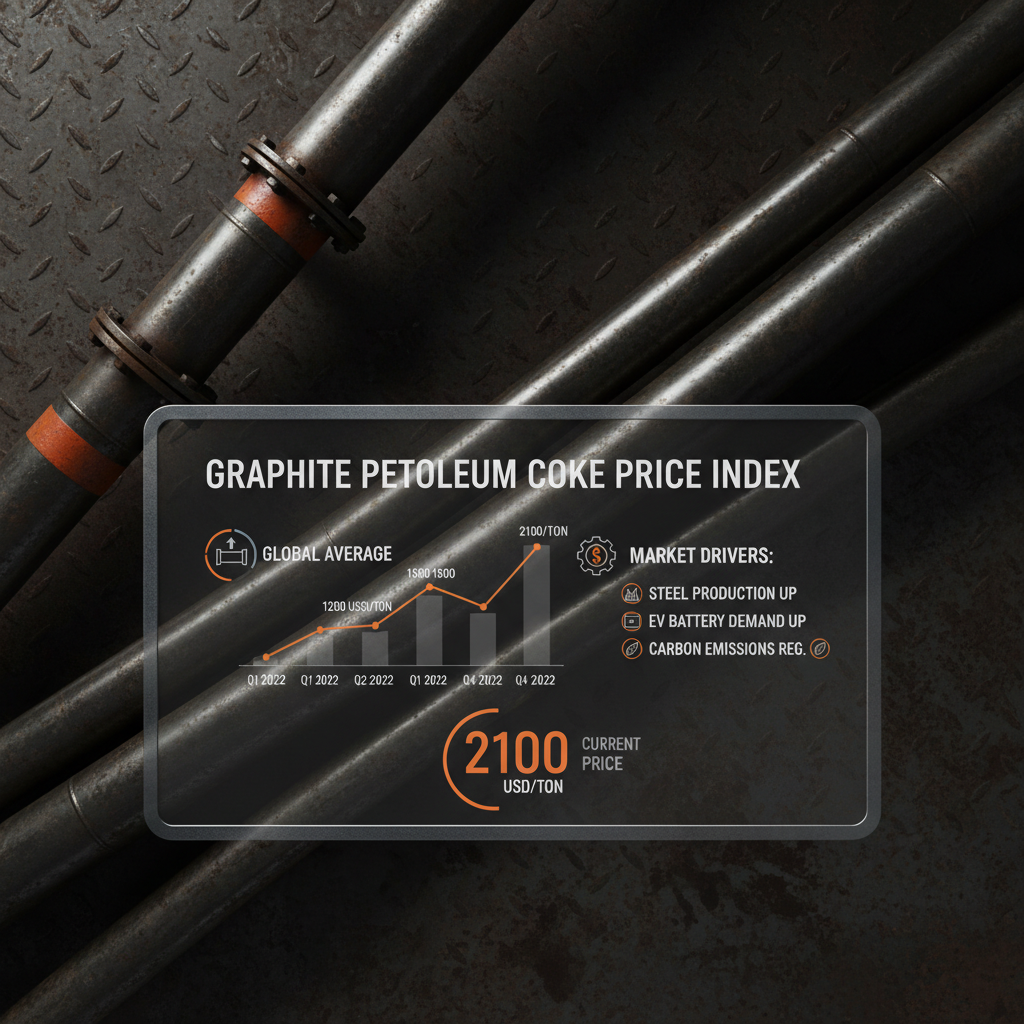


Petcoke in bulk is a critical component in numerous industrial processes, most notably in the aluminum and steel industries. Its availability and cost-effectiveness make it a cornerstone material for large-scale manufacturing, impacting global supply chains and economic development. Understanding the nuances of sourcing, handling, and utilizing petcoke in bulk is paramount for businesses aiming for efficient and sustainable operations.
The global demand for petcoke in bulk is intrinsically linked to the growth of emerging economies, particularly in Asia, where rapid industrialization drives the need for raw materials. Fluctuations in oil prices and refining capacities directly influence petcoke production, creating a dynamic market landscape. Addressing logistical challenges and environmental concerns surrounding petcoke handling is vital for ensuring responsible industrial practices.
Investing in optimized petcoke in bulk supply chains and exploring innovative applications will be crucial for industries navigating an evolving global market. This knowledge empowers companies to make informed decisions, mitigate risks, and capitalize on opportunities in the petcoke sector.
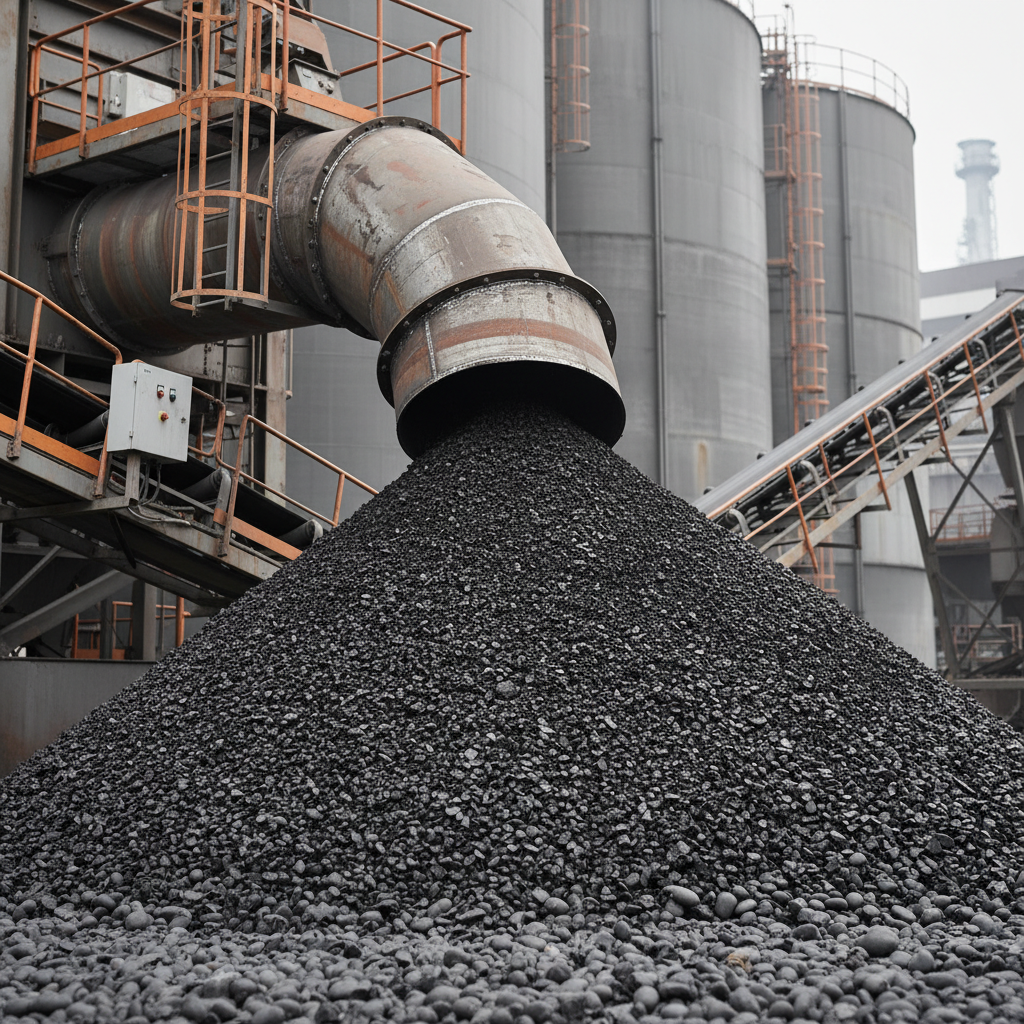
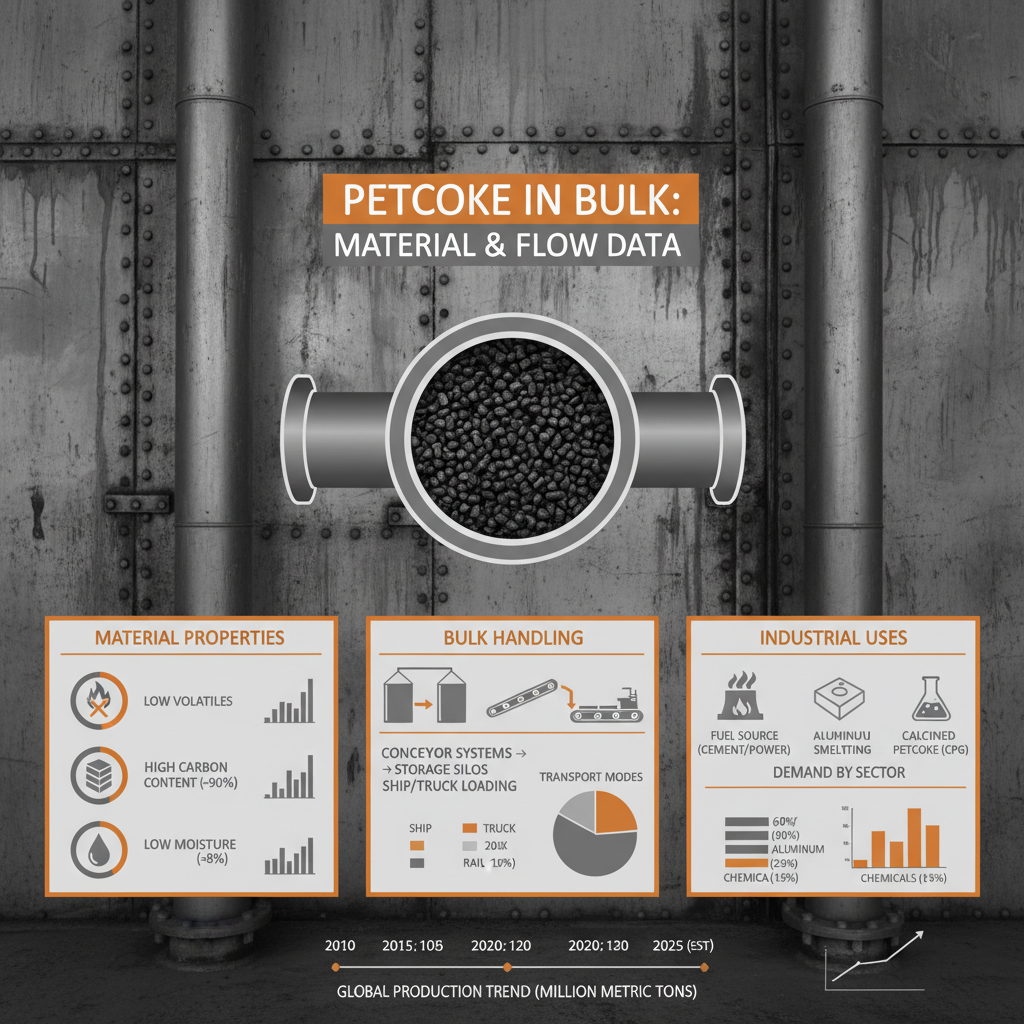
Petcoke in bulk refers to the large-volume, carbon-rich material derived as a byproduct of oil refining. It’s a crucial resource for several industries, acting as a fuel source and a vital raw material. The significance of understanding petcoke in bulk lies in its impact on cost-efficiency and operational stability within these industries.
Effectively managing the supply chain for petcoke in bulk requires careful consideration of transportation, storage, and environmental regulations. Sourcing from reputable suppliers like petcoke in bulk suppliers is crucial to ensure consistent quality and reliable delivery.
Lead times for petcoke in bulk can vary significantly depending on the supplier, origin of the material, and transportation logistics. Generally, expect a lead time of 4-8 weeks for a substantial order, though this can be longer during peak demand periods or due to unforeseen shipping delays. It's always best to check with your supplier for a specific estimate.
Petcoke in bulk is most commonly shipped by sea, utilizing bulk carriers designed for transporting large quantities of dry materials. Rail transport is also frequently used for inland distribution, particularly in regions with well-developed rail networks. Trucking is typically employed for smaller deliveries to end-users. The choice of method depends on distance, volume, and cost considerations.
Quality control for petcoke in bulk involves rigorous testing for key parameters like carbon content, ash content, sulfur content, volatile matter, and moisture. Independent inspection agencies often verify quality prior to shipment. Suppliers also typically provide Certificates of Analysis (COAs) detailing the composition of each batch. These measures ensure the petcoke meets the required specifications for its intended application.
Sulfur content is a critical factor, as it can affect emissions and corrosion. Higher sulfur content typically requires additional emission control measures. The aluminum industry generally prefers low-sulfur petcoke to minimize anode consumption and environmental impact. Different applications have varying sulfur tolerance levels, and selecting the appropriate grade is crucial.
Petcoke in bulk should be stored in dry, well-ventilated areas to prevent moisture absorption and dust formation. Storage facilities should be designed to minimize the risk of contamination and to facilitate efficient loading and unloading. Proper drainage is essential to prevent water accumulation. Enclosed storage sheds or covered stockpiles are recommended, particularly in regions with high rainfall.
Handling petcoke in bulk is subject to various environmental regulations pertaining to dust emissions, water runoff, and waste disposal. Companies must comply with local, regional, and national regulations to minimize environmental impact. This often involves implementing dust suppression measures, controlling stormwater runoff, and properly disposing of any contaminated materials. petcoke in bulk suppliers should also provide guidance on compliance.
Petcoke in bulk remains a vital component in numerous industrial processes, offering a cost-effective and reliable carbon source. Its significance is amplified by the continued growth of industries like aluminum, cement, and power generation. Successfully navigating the complexities of petcoke supply chains and embracing sustainable practices is crucial for long-term operational efficiency and environmental responsibility.
Looking ahead, innovation in petcoke processing and emission control technologies will be essential. Collaborating with reliable suppliers like petcoke in bulk suppliers and actively monitoring evolving regulations will empower businesses to maximize the benefits of this critical material.