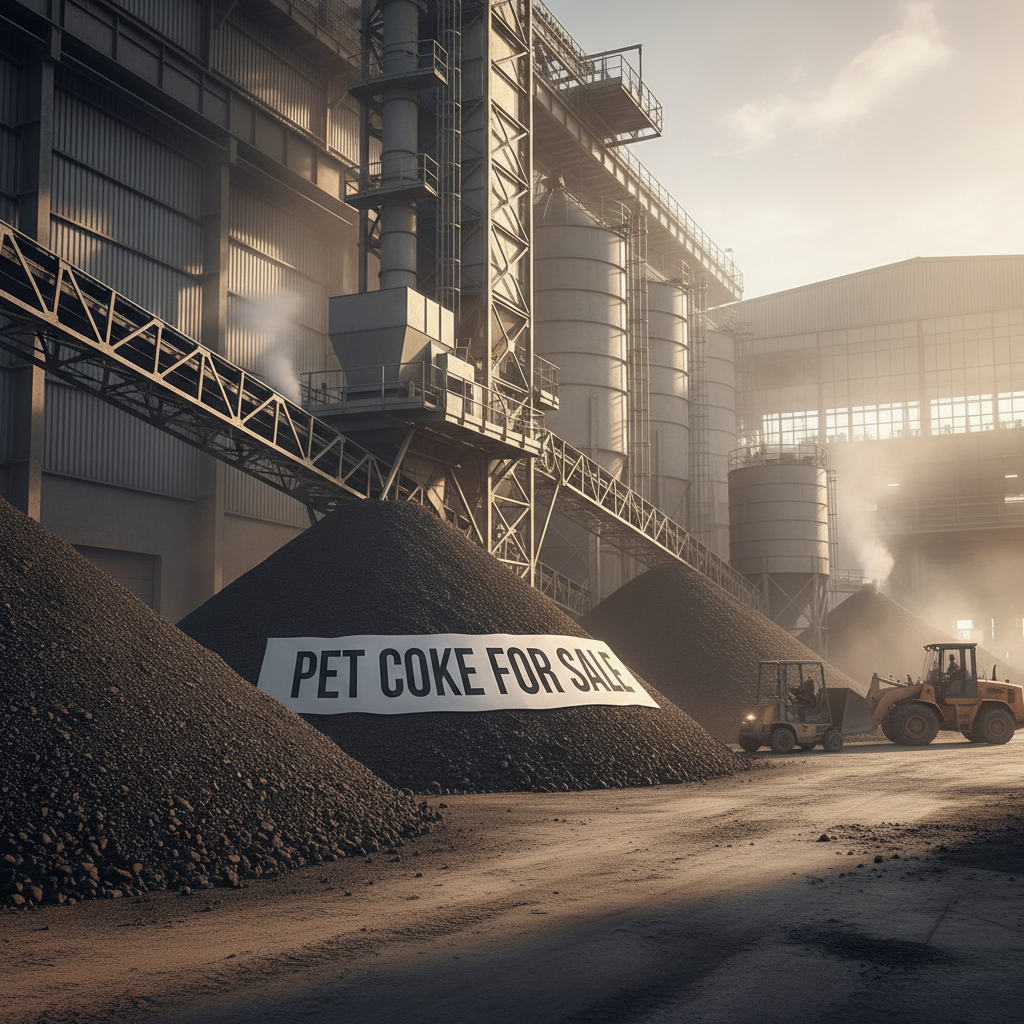
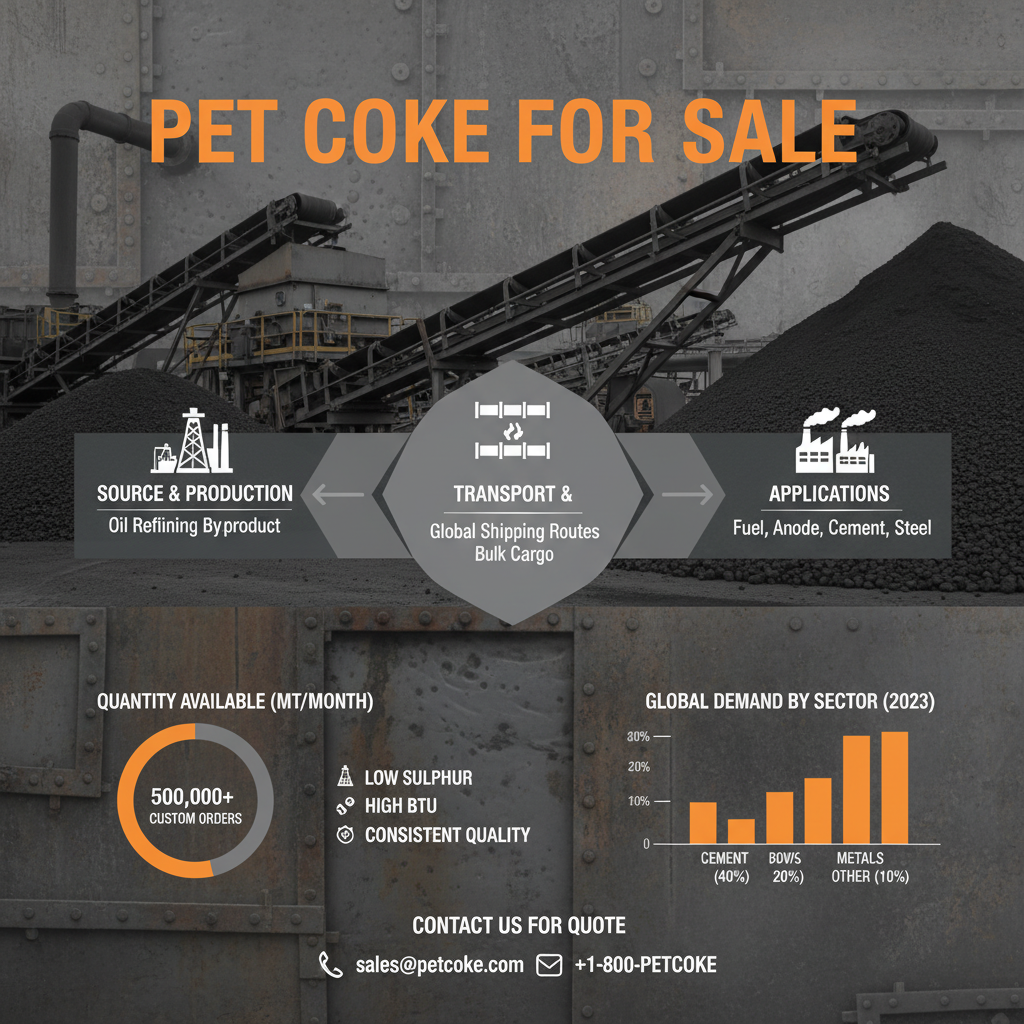
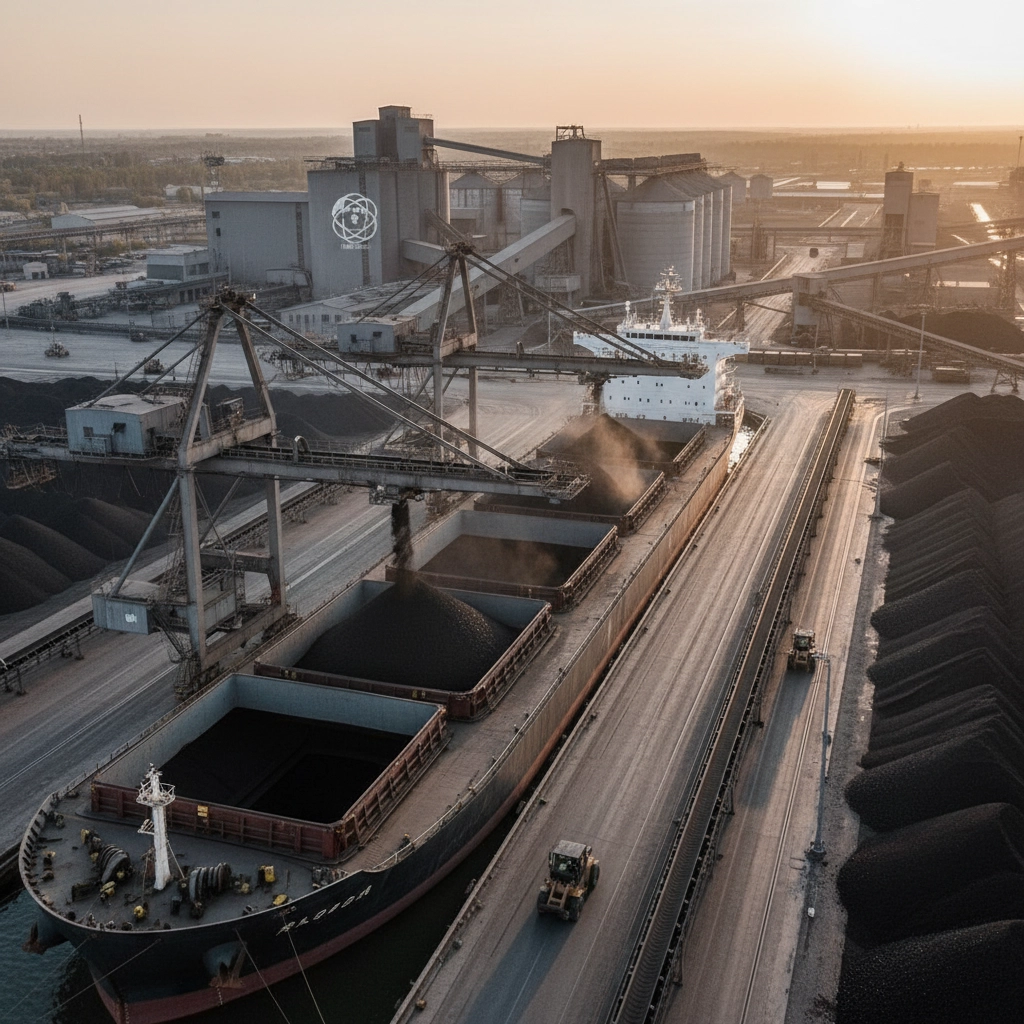
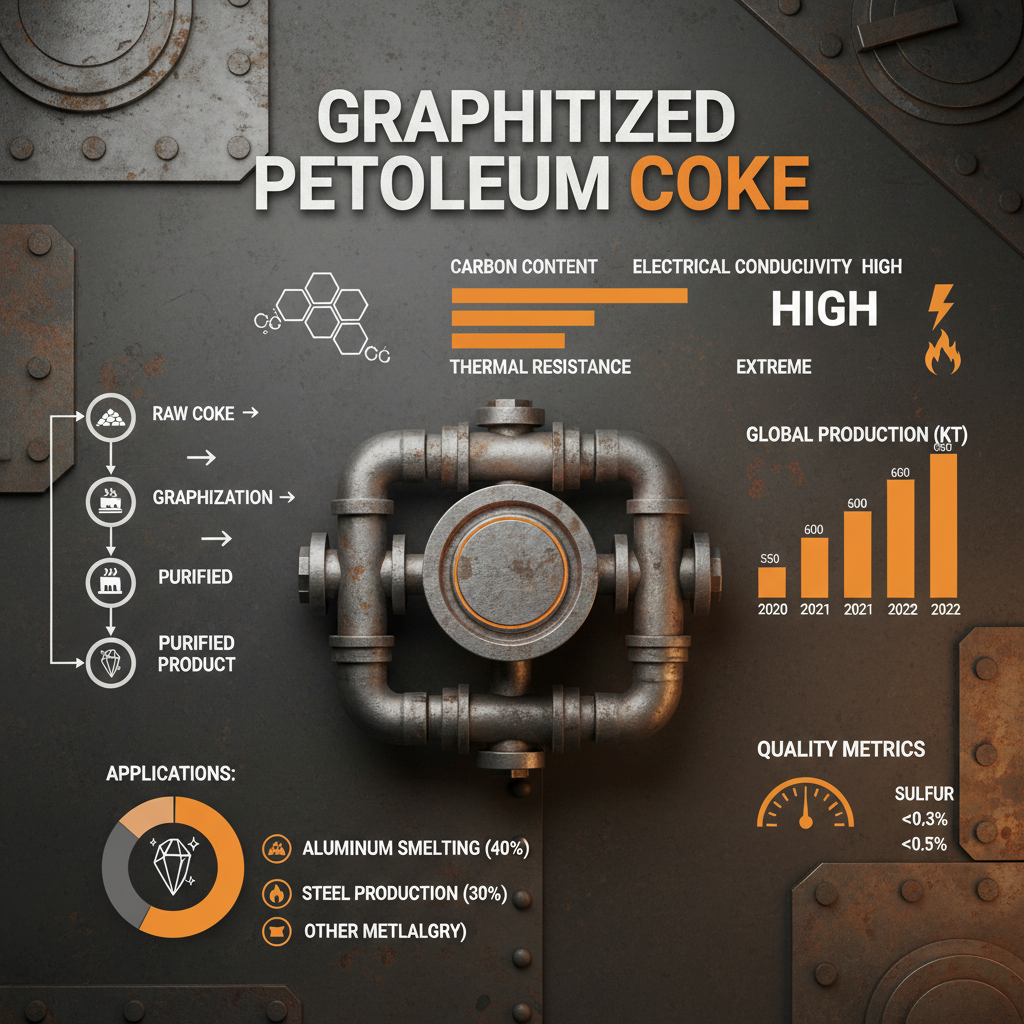
Pet coke, a byproduct of oil refining, is increasingly vital in numerous industrial applications, resulting in a robust global market for pet coke for sale. Its affordability and high BTU content make it a compelling alternative fuel source, particularly in cement production, power generation, and aluminum smelting. Understanding the sourcing, quality variations, and logistical considerations surrounding pet coke is crucial for businesses seeking to optimize their fuel costs and environmental impact.
The demand for pet coke for sale is influenced by fluctuations in crude oil prices, environmental regulations, and the growth of industries dependent on high-heat processes. Global trade patterns, particularly between the United States (a major producer) and countries like India and China (major consumers), shape market dynamics. Navigating these complexities requires specialized knowledge of international shipping, customs compliance, and quality control standards.
This comprehensive guide provides insights into the world of pet coke, covering its characteristics, applications, advantages, future trends, and potential challenges. We aim to empower businesses with the information they need to make informed decisions regarding pet coke procurement and utilization, supporting both economic efficiency and sustainable practices.
Introduction to pet coke for sale
The market for pet coke for sale is characterized by its sensitivity to energy prices and industrial demand. Cement manufacturers, for instance, rely heavily on pet coke as a cost-effective alternative to coal, particularly in regions where natural gas is expensive. This direct correlation creates both opportunities and risks for buyers and suppliers alike.
Successfully navigating the pet coke for sale market requires a deep understanding of its different grades, sulfur content, and moisture levels, all of which impact its suitability for various applications. Logistics also play a critical role, as pet coke is typically shipped in bulk and requires specialized handling equipment.
Global Market Overview of pet coke for sale
The global pet coke market is a multi-billion dollar industry, with the United States consistently ranking as one of the largest exporters. Major importing nations include India, China, and Japan, driven by their substantial manufacturing sectors and energy demands. According to recent reports, the demand for pet coke in Asia is expected to continue growing, particularly as countries strive to balance economic development with environmental concerns.
Several factors are influencing the market. Stricter environmental regulations in some regions are leading to a decreased demand for lower-quality pet coke with high sulfur content. Simultaneously, the search for affordable fuel sources is driving increased interest in pet coke as a substitute for coal and other fossil fuels. This dynamic creates a need for suppliers who can consistently provide high-quality, low-sulfur pet coke for sale.
Recent data from the World Bank indicates that fluctuations in crude oil prices directly impact pet coke production levels and, consequently, its availability on the global market. These market dynamics necessitate careful planning and risk management strategies for both buyers and sellers involved in the pet coke for sale industry.
Defining Pet Coke and Its Origins
Petroleum coke, commonly known as pet coke, is a carbon-rich solid material derived as a byproduct of oil refining. It’s created during the cracking process, where heavy crude oil is heated to break down hydrocarbons. The resulting residue is then processed further, yielding pet coke, which resembles coal in appearance. Its composition and properties vary depending on the refining process and the type of crude oil used.
There are two primary types of pet coke: delayed coking pet coke and fluid coking pet coke. Delayed coking pet coke is generally preferred for industrial applications due to its higher carbon content and lower sulfur levels. Fluid coking pet coke, while cheaper, tends to be more porous and contains more impurities. The quality of pet coke for sale is often categorized by its sulfur content, ash content, and volatile matter.
The increasing demand for lighter fuels, such as gasoline and diesel, has led to a corresponding increase in pet coke production. This makes pet coke an abundant byproduct, and a readily available resource for industries seeking affordable fuel alternatives. Understanding the origins of pet coke for sale is crucial for assessing its quality and suitability for specific applications.
Key Characteristics of pet coke for sale
The defining characteristic of pet coke is its high carbon content, typically ranging from 85% to 95%. This makes it an excellent fuel source, providing significant BTU (British Thermal Units) per pound. Another key aspect is its fixed carbon content, a direct measure of the material’s combustible material.
Sulfur content is a critical factor when evaluating pet coke for sale. High sulfur levels can lead to environmental concerns and require costly emission control measures. Low-sulfur pet coke is, therefore, highly sought after. Ash content also impacts efficiency; lower ash content translates to less residue and improved combustion.
Comparison of pet coke for sale Qualities
Industrial Applications of pet coke for sale
The primary industrial application of pet coke for sale is as a fuel source, particularly in cement manufacturing. The high heat generated during combustion is ideal for the clinker production process, making it a cost-effective alternative to coal. It's also widely used in power plants, contributing to electricity generation.
Beyond fuel, pet coke finds applications in the aluminum smelting industry, where it serves as a carbon source in the electrolytic process. Additionally, it's utilized in the production of graphite electrodes, essential components in electric arc furnaces. These varied applications highlight the versatility of pet coke for sale.
Advantages of Using pet coke for sale
One of the most significant advantages of using pet coke for sale is its cost-effectiveness. It's generally cheaper than coal, making it an attractive option for industries looking to reduce fuel expenses. Its high BTU content also means that less pet coke is needed to generate the same amount of heat as other fuels.
Furthermore, pet coke offers a consistent and reliable fuel source. Unlike some other biomass fuels, pet coke has a stable supply chain and consistent quality, reducing operational uncertainties for industrial users. This reliability is a crucial factor for industries that require uninterrupted power or heat.
Future Trends in the pet coke for sale Market
The future of the pet coke for sale market is intertwined with evolving environmental regulations and the global shift towards sustainable energy sources. There’s increasing research into technologies to reduce sulfur emissions from pet coke combustion, making it a more environmentally friendly fuel.
Another trend is the development of pet coke gasification technologies, which convert pet coke into synthesis gas (syngas) – a cleaner-burning fuel that can be used for power generation or chemical production. Digitalization and supply chain optimization are also expected to play a larger role, improving the efficiency and transparency of the pet coke for sale market.
Table Summarizing Key Challenges and Solutions in the pet coke for sale Market
| Challenge |
Impact on pet coke for sale |
Potential Solution |
Implementation Cost (1-10) |
| High Sulfur Content |
Environmental concerns, emission control costs |
Investing in low-sulfur pet coke sources, flue gas desulfurization |
7 |
| Logistical Challenges |
Transportation costs, port congestion |
Optimizing shipping routes, diversifying supply chains |
6 |
| Price Volatility |
Budgeting uncertainties, fluctuating fuel costs |
Long-term contracts, hedging strategies |
5 |
| Environmental Regulations |
Increased compliance costs, potential restrictions |
Adopting cleaner combustion technologies, investing in carbon capture |
8 |
| Quality Control Issues |
Inconsistent fuel quality, operational inefficiencies |
Implementing rigorous quality control standards, supplier audits |
4 |
| Public Perception |
Negative public image, potential regulatory pressure |
Promoting sustainable practices, transparency in sourcing |
3 |
FAQS
The sulfur content in pet coke for sale can vary significantly, ranging from less than 1% to over 5%. Lower sulfur content is generally preferred due to environmental regulations and reduced emission control costs. Pet coke is often categorized based on its sulfur levels, with low-sulfur pet coke commanding a premium price. Buyers should always request a certificate of analysis (COA) to verify the sulfur content before purchasing.
Pet coke is usually transported in bulk by sea or rail. Due to its dusty nature, it requires specialized handling equipment and covered railcars or vessels to prevent loss during transit. It's also sometimes transported in trucks for shorter distances. Proper packaging and loading procedures are essential to ensure safe and efficient delivery.
In the cement industry, pet coke is primarily used as a fuel source in the kiln to generate the high temperatures required for clinker production. It’s a cost-effective alternative to coal and provides consistent heat output. Pet coke also contributes carbon to the chemical reactions occurring within the kiln, aiding in the formation of clinker.
The BTU (British Thermal Unit) content of pet coke for sale typically ranges from 13,000 to 15,000 BTU per pound, making it a highly efficient fuel source. This high BTU value means that less pet coke is needed to generate the same amount of heat compared to other fuels like coal. The specific BTU content will vary depending on the quality and grade of the pet coke.
Environmental regulations play a significant role in the pet coke for sale market. Stricter regulations regarding sulfur emissions have increased demand for low-sulfur pet coke, driving up prices and encouraging suppliers to invest in cleaner production processes. Restrictions on the handling and storage of pet coke due to dust concerns also impact market dynamics.
When selecting a pet coke for sale supplier, consider factors such as product quality (sulfur content, ash content, BTU value), reliability of supply, pricing, and adherence to environmental regulations. It's crucial to verify the supplier’s certifications and request a COA for each shipment. Reputation, logistical capabilities, and customer service are also important considerations.
Conclusion
In conclusion, the pet coke for sale market is a complex and dynamic landscape shaped by industrial demand, energy prices, and environmental concerns. Pet coke remains a vital fuel source for various industries, offering cost-effectiveness and consistent performance. Understanding its properties, applications, and market trends is essential for businesses seeking to optimize their fuel procurement strategies and ensure sustainable operations.
Looking ahead, innovation in pet coke processing and combustion technologies will be crucial for minimizing environmental impact and maximizing efficiency. Investing in research and development, along with adopting stricter quality control measures, will pave the way for a more sustainable and reliable pet coke supply chain. For more information and to explore current pet coke for sale options, visit our website: www.nlgraphite.com.