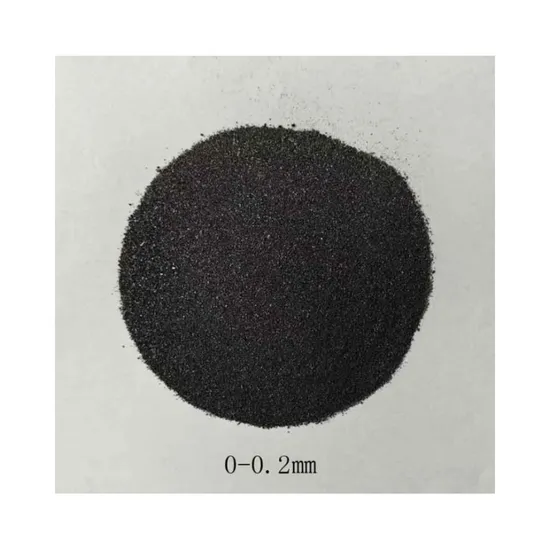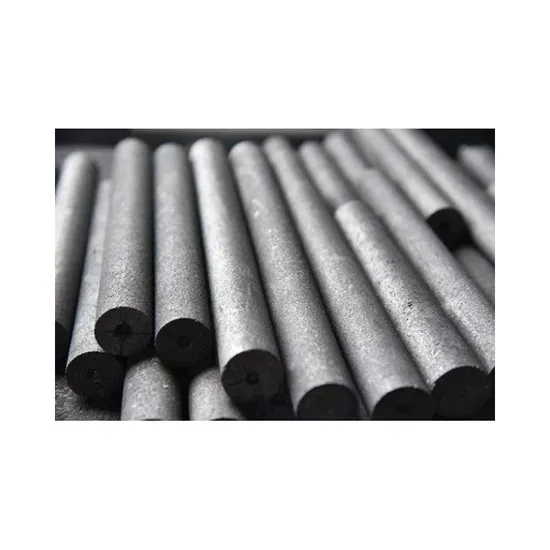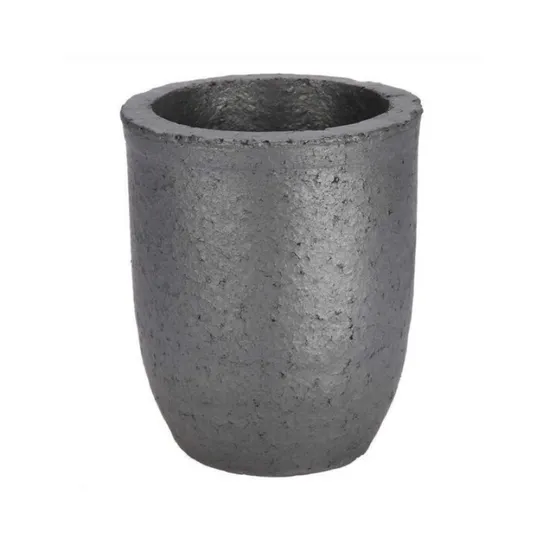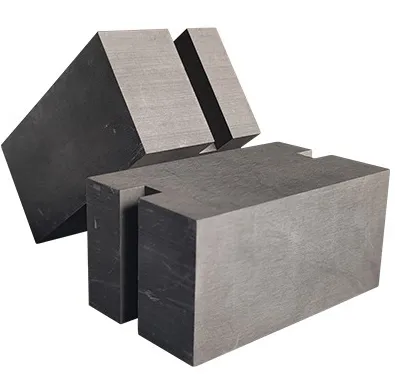


Egypt's industrial sector, particularly in the Suez Canal Economic Zone and Cairo's industrial hubs, relies heavily on the efficiency of calcined petroleum coke to support its growing aluminum and steel production. The arid climate of the region necessitates carbon materials with exceptional thermal resistance to prevent oxidation during high-temperature processing.
Currently, the local market faces a challenge in balancing the purity of raw materials with cost-effectiveness. The demand for calcined coke has surged as Egypt seeks to modernize its smelting facilities, moving away from lower-grade additives toward high-density carbon structures that reduce energy consumption.
Furthermore, the strategic position of Egypt as a gateway between Africa and Asia has led to an increased import of specialized petroleum coking derivatives, allowing local manufacturers to enhance the conductivity and lifespan of their electrodes and crucibles.