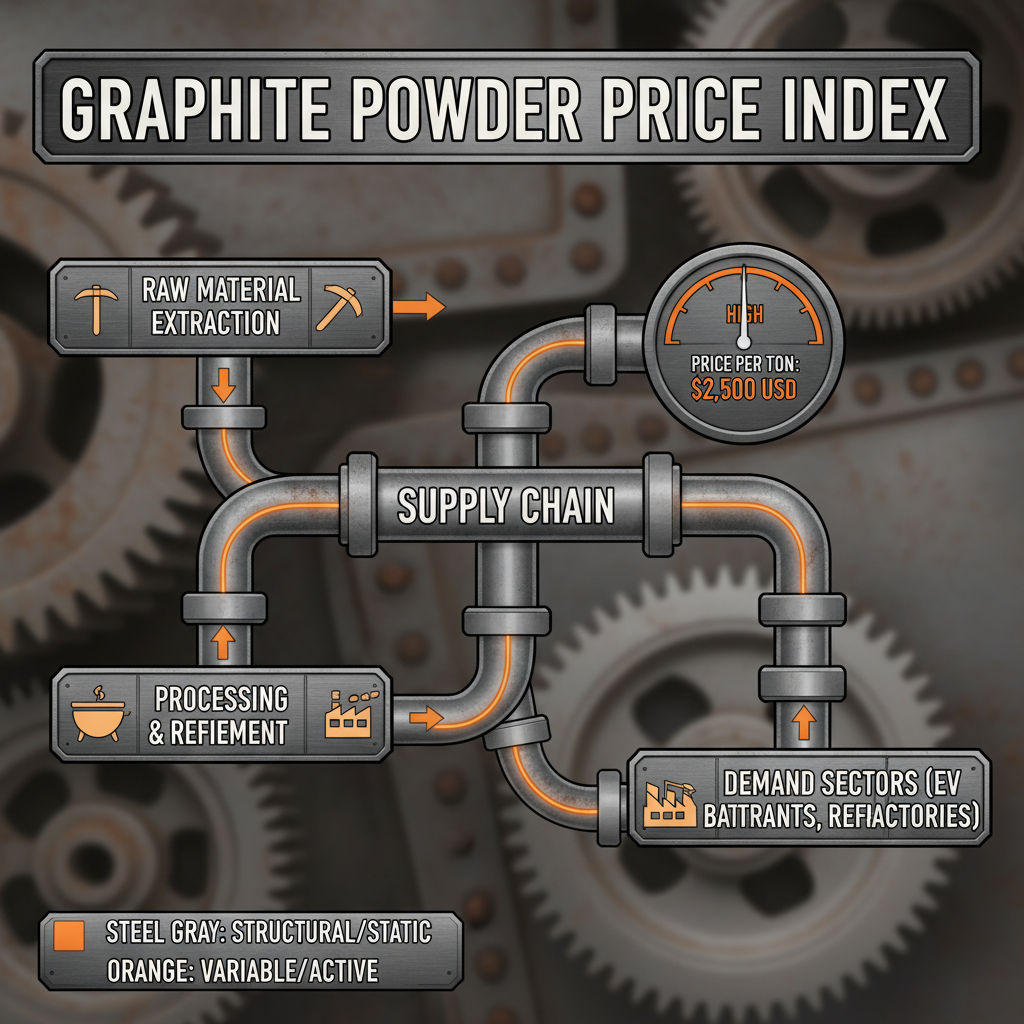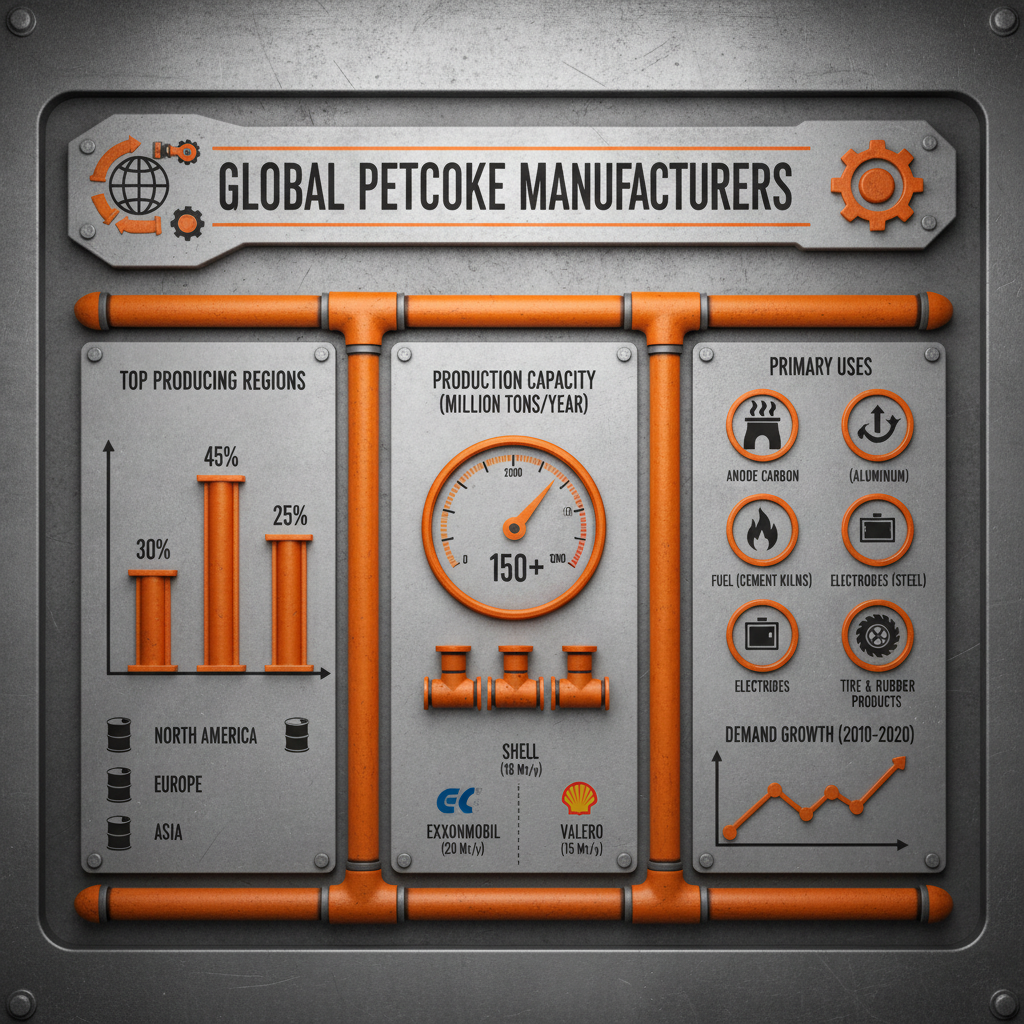


For procurement managers in the steel and foundry sectors, tracking a calcined petroleum coke price chart is not merely about monitoring costs, but about managing the volatility of critical carbon inputs. The price of calcined petroleum coke (CPC) fluctuates based on crude oil derivatives, energy costs for the calcination process, and the global demand for high-grade carburizing agents.
Understanding these price movements requires a deep dive into the technical specifications of the material, such as fixed carbon content and sulfur levels, which directly influence the market value. Higher purity grades, often exceeding 99% carbon, command a premium due to their efficiency in electric furnace melting and their ability to reduce oxidation during the carbon-increase process.
This analysis explores the economic drivers of the CPC market, the technical trade-offs between different recarburizers, and how strategic sourcing from experienced manufacturers can stabilize production costs in metallurgical environments.

Analyzing Market Volatility in Calcined Petroleum Coke Pricing

The pricing of calcined petroleum coke is fundamentally tied to the refining industry. As a byproduct of the oil refining process, green petroleum coke must undergo calcination—heating to high temperatures to remove volatile components—before it becomes a suitable carburizing agent for steelmaking. This energy-intensive step means that electricity and natural gas prices are primary drivers of the final cost.
Beyond energy, the market is influenced by the availability of high-quality feedstock. Not all petroleum coke is created equal; the needle and shot coke varieties used for electrodes are priced differently than the blends used for general recarburization. When supply chains for high-fixed-carbon coke tighten, the price chart typically shows sharp upward spikes, forcing foundries to seek alternative grades.
For buyers, the challenge lies in the timing of contracts. Spot market pricing can be erratic, while long-term agreements provide stability but may lock the buyer into prices above the market average if a sudden downturn occurs. Monitoring the correlation between crude oil benchmarks and CPC prices is essential for predictive budgeting.
Technical Specifications Driving the Market Value of CPC
The value of calcined petroleum coke is determined by its chemical purity. The most critical metric is the Fixed Carbon (FC) percentage. For instance, grades like FC-99 (≥99.0% carbon) are highly prized because they maximize carbon recovery and minimize the introduction of impurities into the melt.
Sulfur and Ash content are the primary "penalty" factors in pricing. High sulfur levels can lead to brittleness in the final steel product, requiring more expensive desulfurization treatments. Consequently, CPC with low sulfur (≤0.4%) and low ash (≤0.4%) commands a significant premium over lower grades like FC-85, which may contain up to 13% ash.
Particle size distribution also plays a role. While a natural size distribution is common, specific requirements for 0-1mm or 4-10mm fractions can impact the price due to the additional processing and screening costs required to meet strict foundry specifications.
Critical Industrial Applications and Carbon Absorption Efficiency
In the steel foundry and metallurgical industry, the primary goal of using calcined petroleum coke is to increase the carbon content of the molten iron. This process, known as recarburization, must be handled carefully. Feeding large quantities of CPC directly into the molten iron can lead to excessive oxidation, where the carbon burns off as CO2 before it can be absorbed, effectively wasting expensive material.
The ideal charging method involves adding the carburizing agent together with scrap steel materials. This allows the coke to be shielded by the scrap, promoting a more efficient absorption rate. In electric furnace melting, this approach ensures that the carbon increase effect is obvious and the final casting meets the required metallurgical specifications.
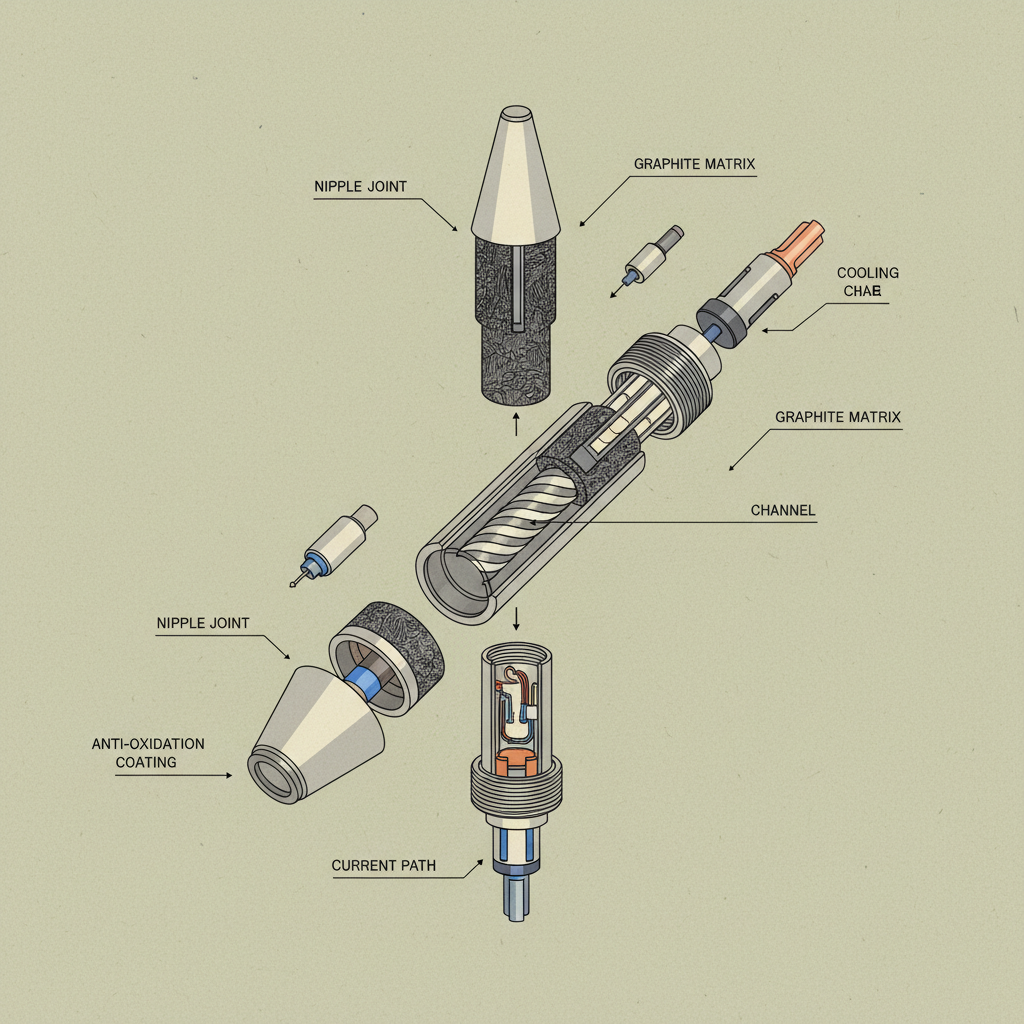
Beyond steelmaking, high-purity carbon products find applications in the production of alkaline and lithium-ion battery cathodes, as well as in the manufacture of graphite electrodes and crucibles. In these high-tech sectors, the purity requirements are even more stringent, further decoupling the price of specialty carbon from standard industrial coke.
Comparing Fixed Carbon Grades Against Price Performance
To evaluate the cost-effectiveness of different grades, one must look at the "Effective Cost per % Carbon." A lower-priced grade with 85% carbon may actually be more expensive in terms of production time and energy consumption than a higher-priced 99% carbon grade due to slower absorption and higher ash residue.
The following metrics simulate the relationship between carbon purity and the efficiency of carbon recovery in a standard electric arc furnace environment. High-grade CPC reduces the volume of slag and minimizes the time required for the melt to reach the target carbon level.
calcined petroleum coke price chart Performance Metrics
As illustrated, the correlation between carbon purity and absorption efficiency is non-linear. Moving from 90% to 99% carbon significantly reduces the "waste" (ash and volatile content) that must be processed as slag, which directly translates to lower operational costs per heat despite the higher initial purchase price of the material.
Strategic Procurement Framework for Recarburizing Agents
Effective procurement of CPC requires a shift from "lowest price" to "lowest total cost of ownership." This involves analyzing the impact of ash content on furnace lining wear and the cost of disposing of additional slag. When auditing a supplier, buyers should request detailed batch analysis rather than relying on general grade specifications.
Payment and shipping terms also heavily influence the land cost. For international shipments, utilizing the nearest major port—such as Tianjin for Chinese exports—and negotiating Incoterms like CIF or FOB can optimize the logistics budget. Furthermore, establishing relationships with manufacturers who have integrated production (combining production and export) can reduce intermediary costs.
Sample validation is a non-negotiable step. Professional buyers should test samples via third-party agencies such as SGS or Intertek to verify that the fixed carbon and sulfur levels match the provided specifications before committing to large-volume orders.
Future Trends in Carbon Material Sourcing and Sustainability
The carbon industry is facing increasing pressure to reduce the environmental footprint of the calcination process. We are likely to see a transition toward more energy-efficient kilns and the potential integration of carbon capture technologies at the production site. This shift may introduce new "green" premiums into the price chart for certified low-emission coke.
Technologically, there is a growing interest in ultra-high-power graphite electrodes and specialized carbon vanes. As the demand for electric vehicle batteries increases, the competition for high-purity petroleum coke between the steel industry and the battery industry could lead to increased price volatility for the highest carbon grades.
Digitalization of the supply chain, including real-time tracking of shipments and AI-driven demand forecasting, is expected to reduce the "bullwhip effect" in carbon procurement, allowing foundries to maintain leaner inventories without risking production halts.
Evaluating Recarburizer Alternatives for Cost Optimization
When the CPC price chart reaches a peak, foundries often evaluate alternatives such as calcined anthracite coal (CAC) or natural graphite. While natural graphite offers superior purity, its cost is often prohibitively high for mass steelmaking, making it unsuitable for general casting processes.
The choice between CPC, graphite petroleum coke (GPC), and calcined anthracite depends on the specific requirements of the alloy and the furnace type. The following comparison highlights the trade-offs in terms of purity, absorption speed, and typical application scenarios.
| Material Type | Carbon Content | Absorption Rate | Primary Use Case |
|---|---|---|---|
| Calcined Pet Coke (FC-99) | ≥99.0% | Very Fast | High-grade Steel/Alloys |
| Calcined Pet Coke (FC-90) | ≥90.0% | Moderate | General Gray Iron Casting |
| Graphite Pet Coke | 95% - 98% | Fast | Precision Casting/Electrodes |
| Calcined Anthracite | 90% - 93% | Slow | Basic Steelmaking/Budget Iron |
| Natural Graphite | ≥99.9% | Instant | Specialty Alloys/Battery |
| Carbon Raiser Blends | 85% - 95% | Variable | Large-scale Industrial Casting |
Ultimately, the most sustainable cost-saving strategy is not to switch to the cheapest material, but to optimize the charging process and select a grade that balances carbon recovery with impurity limits. For those seeking a balance of competitive pricing and verified quality, reviewing the technical capabilities at www.nlgraphite.com can provide necessary procurement insights.
Frequently Asked Questions
Conclusion
Navigating the complexities of the calcined petroleum coke market requires a synthesis of market intelligence and technical expertise. By moving beyond a simple focus on the price chart and analyzing the intersection of carbon purity, absorption efficiency, and operational costs, procurement professionals can significantly optimize their production margins.
Whether optimizing for high-purity alloys or general industrial casting, the key to success lies in strategic sourcing and rigorous quality validation. For organizations seeking high-performance carbon solutions and detailed product specifications, the resources available at www.nlgraphite.com provide a reliable foundation for informed decision-making.