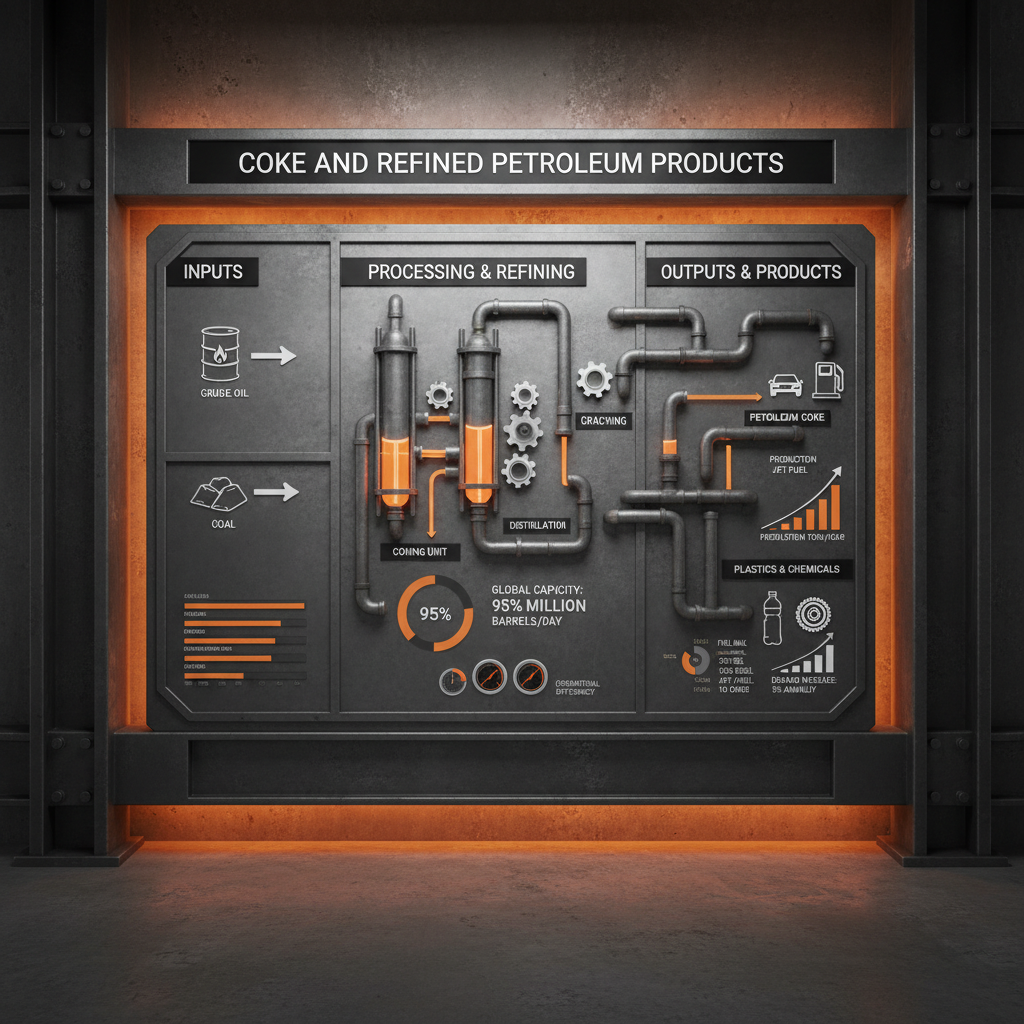
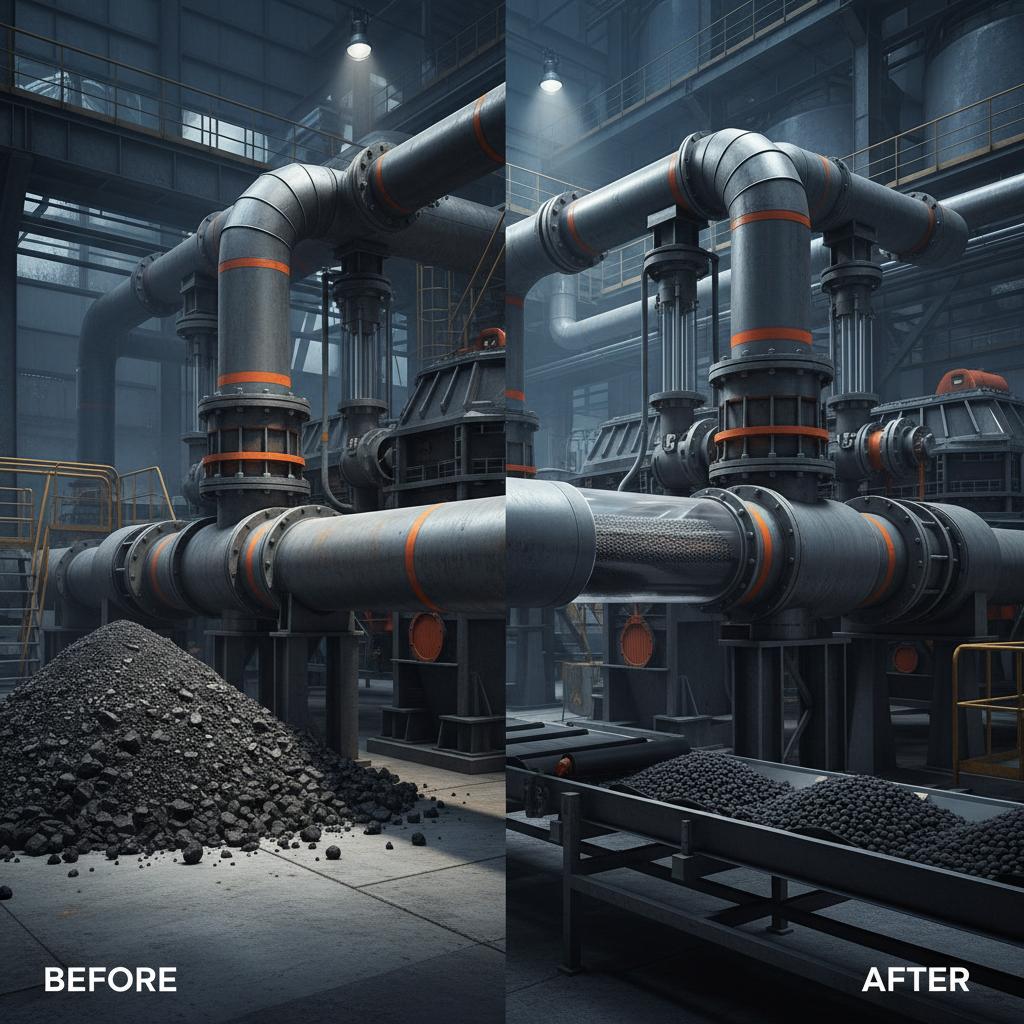
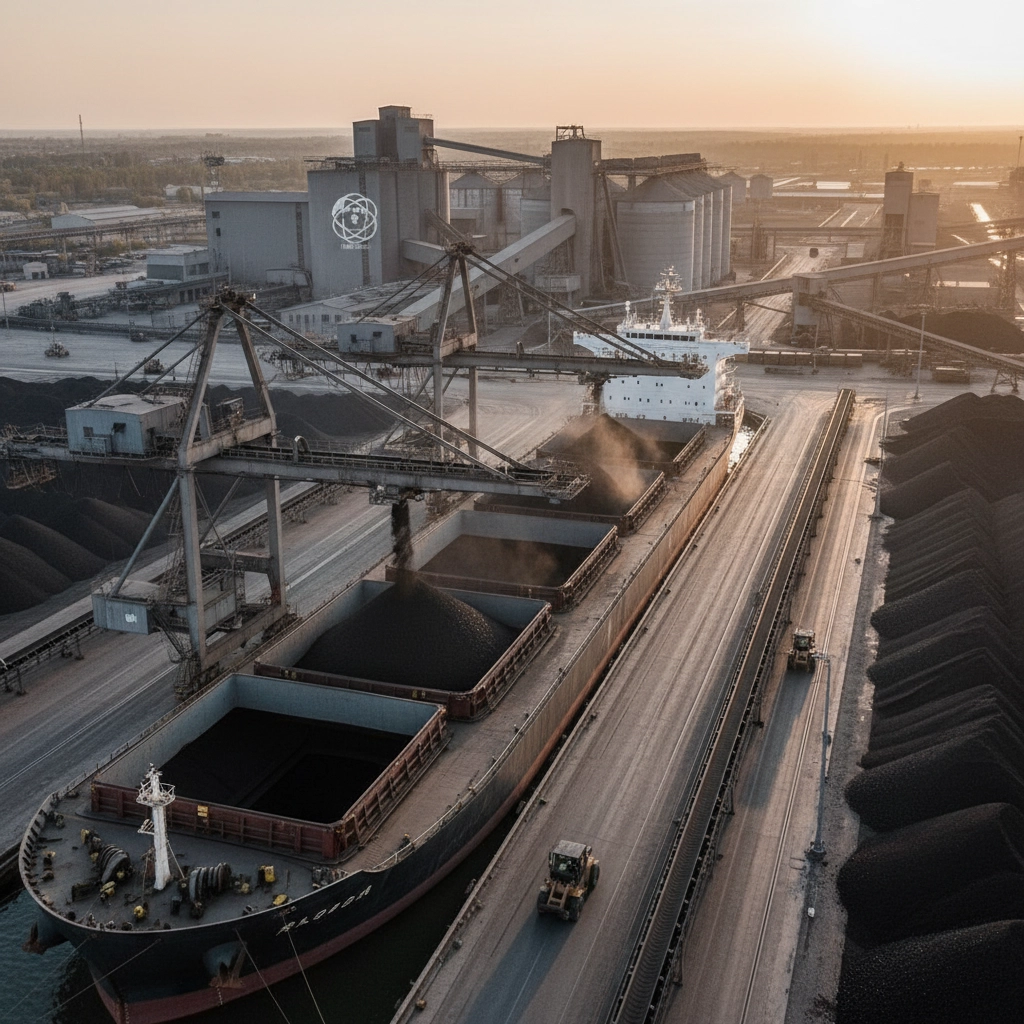
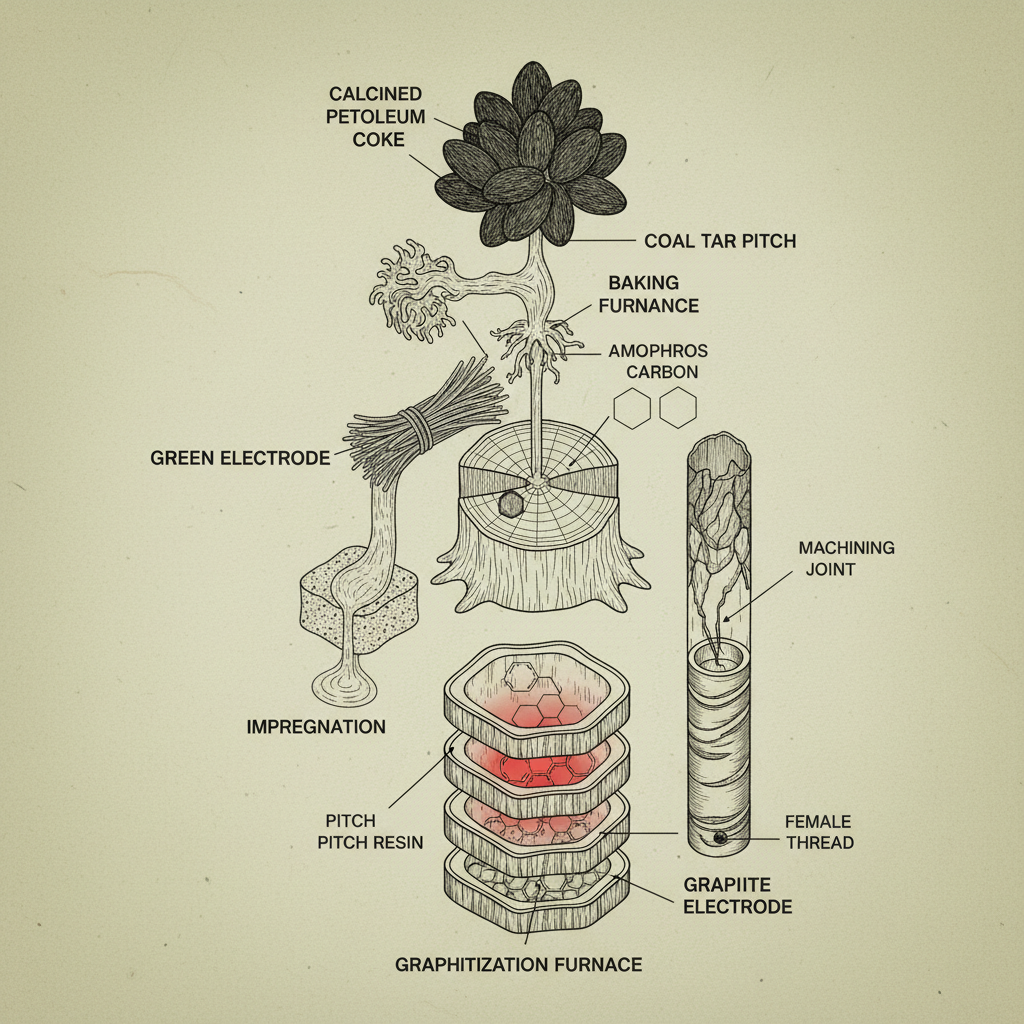
Look, coke and refined petroleum products aren't glamorous, but they are the backbone of modern industry. Everything from the steel in our skyscrapers to the plastics in our phones relies on these materials. Understanding where they come from, how they’re made, and what they’re used for isn’t just about economics; it’s about understanding the world around us. We're talking about a multi-trillion dollar global market, and frankly, getting it right impacts everything from energy security to infrastructure development.
For years, the focus has been on squeezing every bit of efficiency out of the process, and rightfully so. But now we're facing new challenges – sustainability, geopolitical instability, and the need for more resilient supply chains. That's where innovation in coke and refined petroleum products really comes into play. It’s not just about making cheaper stuff; it’s about making better stuff that lasts longer and has a smaller environmental footprint.
I've spent the last fifteen years walking construction sites, getting my hands dirty, and talking to the folks who actually use this stuff. What I’ve learned is that the devil's in the details. A slight change in the coke’s properties, a refined petroleum product's purity level – these things can make or break a project. It's a complex game, and it demands a deep understanding of the entire process, from the mine to the finished product.
The Global Significance of coke and refined petroleum products
Coke and refined petroleum products are absolutely critical to the global economy. The UN estimates that steel production – heavily reliant on coke – will continue to rise alongside population growth and urbanization. The World Bank highlights the importance of robust infrastructure, much of which depends on petroleum-based materials. In 2023, the global coke market alone was valued at over $300 billion. We’re talking about a massive interconnected system that powers nearly every sector.
The biggest challenge right now is supply chain vulnerability. Geopolitical tensions, trade disputes, and natural disasters are all putting pressure on the availability and price of these essential materials. The push for sustainable practices is also forcing the industry to rethink its processes and invest in cleaner technologies. It’s a complex web, and understanding the interplay of these factors is crucial for anyone involved in construction, manufacturing, or energy.
Defining Coke and Refined Petroleum Products
Simply put, coke is a carbon-rich material derived from heating coal in the absence of air – a process called coking. It's not the stuff you put in a soda, mind you! This coke is almost pure carbon and is predominantly used as a fuel and reducing agent in blast furnaces for steel production. It’s tough, porous, and provides the necessary heat and chemical environment to turn iron ore into steel.
Refined petroleum products, on the other hand, come from crude oil. Through a process called fractional distillation, crude oil is separated into various components like gasoline, diesel, kerosene, and various petrochemical feedstocks. These products fuel our transportation, power our industries, and form the building blocks for countless everyday items.
Both coke and refined petroleum products are fundamental to modern life. Without them, we’d be looking at a vastly different, and significantly less developed, world. They aren’t just commodities; they’re the enablers of progress.
Core Components & Key Characteristics
Let’s talk about what makes these materials tick. For coke, the key characteristic is its purity and strength. High carbon content, low ash and sulfur levels, and good porosity are crucial for efficient blast furnace operation. Different types of coal yield different qualities of coke, so sourcing is key. I’ve seen projects delayed for weeks because the coke didn’t meet specifications.
With refined petroleum products, it’s all about the specific composition and properties of each fraction. Gasoline needs a certain octane rating for optimal engine performance, diesel requires specific cetane numbers for efficient combustion, and petrochemical feedstocks must meet stringent purity standards for polymer production. The refining process is incredibly complex, involving various catalysts and separation techniques to achieve the desired product characteristics.
Another critical factor is consistency. Engineers rely on predictable material properties. If a batch of coke is weaker than expected, or the viscosity of a petroleum product is off, it can throw the whole process out of whack. That’s why rigorous quality control is so essential, and why building relationships with reliable suppliers is paramount.
Applications Across Industries
The applications for coke and refined petroleum products are incredibly diverse. Steel production, obviously, is the biggest consumer of coke. But it's also used in foundries, cement manufacturing, and even water treatment. You’d be surprised how many different processes rely on this seemingly simple material.
Refined petroleum products are everywhere. Transportation is the most obvious – gasoline, diesel, jet fuel. But they’re also vital for manufacturing plastics, fertilizers, solvents, and lubricants. From the clothes we wear to the food we eat, petroleum products play a role. I’ve seen everything from using specialized petroleum-based coatings to protect pipelines in arctic conditions to employing refined products in the construction of complex composite materials.
Comparison of Key Performance Indicators for Refined Petroleum Product Methods
Advantages & Long-Term Value Proposition
The advantages are pretty straightforward. Coke provides a high-energy fuel source for steelmaking, and refined petroleum products are incredibly energy-dense and versatile. But the long-term value lies in their relative cost-effectiveness – when supply chains are stable. They offer a reliable energy source and material base for a huge range of industries.
From a sustainability perspective, there’s a growing focus on reducing the carbon footprint of both coke and refined petroleum product production. Investing in cleaner technologies – like carbon capture and storage – is crucial for ensuring these materials can continue to play a role in a more sustainable future. And frankly, if we want to build a better, more resilient world, we need to be realistic about the role these materials will continue to play.
Future Trends & Emerging Technologies
We’re seeing a lot of innovation in both areas. For coke, there’s research into using alternative feedstocks – like biomass – to reduce reliance on coal. On the refining side, advanced catalytic cracking and hydrotreating technologies are improving efficiency and enabling the production of cleaner-burning fuels.
Digitalization is also playing a huge role. AI-powered process control systems are optimizing refinery operations, reducing waste, and improving product quality. And the rise of electric vehicles will undoubtedly impact the demand for gasoline, but also create new opportunities for petrochemicals used in battery production.
Challenges and Sustainable Solutions
The biggest challenge is, without a doubt, environmental impact. Coke production generates significant air pollution, and the refining process is energy-intensive. We need to address these issues head-on.
One promising solution is carbon capture and storage (CCS). Capturing CO2 emissions from coke ovens and refineries and storing them underground can significantly reduce greenhouse gas emissions. Another is investing in renewable energy sources to power refining operations. And, of course, promoting energy efficiency throughout the entire supply chain is essential.
We also need to focus on circular economy principles – finding ways to reuse and recycle petroleum-based plastics and other materials. It's a long road, but it's a necessary one if we want to ensure a sustainable future for these vital materials.
Summary of Sustainability Strategies for coke and refined petroleum products
| Strategy |
Implementation |
Impact Area |
Investment Level (1-10) |
| Carbon Capture & Storage |
Install CCS technology at coke ovens & refineries |
GHG Emissions Reduction |
8 |
| Renewable Energy Integration |
Power refinery operations with solar/wind |
Carbon Footprint |
7 |
| Alternative Feedstock Development |
Utilize biomass for coke production |
Resource Depletion |
6 |
| Circular Economy Initiatives |
Recycle/Reuse Petroleum-Based Plastics |
Waste Management |
5 |
| Process Optimization with AI |
Implement AI for efficiency & waste reduction |
Operational Efficiency |
7 |
| Enhanced Emission Controls |
Install advanced air pollution control systems |
Air Quality |
9 |
FAQS
Coke production can have a significant environmental impact due to air pollution from emissions like sulfur dioxide and particulate matter. It also contributes to greenhouse gas emissions. Sustainable practices like using cleaner coal sources, implementing carbon capture technologies, and improving emission controls are crucial for mitigating these impacts. We need to acknowledge the challenges, but also focus on practical solutions.
Geopolitical instability, particularly in oil-producing regions, can cause significant fluctuations in the price of crude oil, which directly impacts refined petroleum products. Trade disputes, sanctions, and political conflicts can disrupt supply chains and create price volatility. Diversifying sourcing and building strategic reserves can help mitigate these risks.
Metallurgical coal, also known as coking coal, is specifically used in steelmaking due to its unique properties – high carbon content and low ash & sulfur. Thermal coal, on the other hand, is primarily used for electricity generation. Metallurgical coal is more expensive and harder to source due to its specific requirements. Getting the right type of coal for the right application is critical.
Coke quality is rigorously tested through various methods, including measuring its carbon content, ash content, volatile matter, and strength. The Coke Strength After Reaction (CSR) test is a key indicator of coke’s ability to withstand the stresses in a blast furnace. Regular testing and adherence to strict quality standards are essential for ensuring consistent performance.
Biofuels are expected to play an increasingly important role in reducing the carbon footprint of the transportation sector. Blending biofuels with gasoline and diesel can lower greenhouse gas emissions and reduce reliance on fossil fuels. However, scaling up biofuel production sustainably requires addressing challenges related to land use, water consumption, and feedstock availability.
Research is ongoing into alternative reducing agents for steelmaking, such as hydrogen and biomass. Hydrogen-based steelmaking has the potential to significantly reduce carbon emissions, but it requires substantial investments in infrastructure and renewable energy sources. Biomass-based alternatives are also being explored, but their sustainability depends on responsible sourcing and efficient conversion technologies.
Conclusion
In conclusion, coke and refined petroleum products remain foundational to the global economy and modern life, despite the growing focus on sustainability and alternative energy sources. Understanding their production, properties, applications, and future trends is vital for professionals across numerous industries. Acknowledging the challenges and embracing innovation, particularly in areas like carbon capture, renewable energy integration, and circular economy principles, is critical for ensuring the long-term viability of these essential materials.
Looking ahead, collaboration between industry, governments, and research institutions will be key to unlocking a more sustainable and resilient future for coke and refined petroleum products. By investing in cleaner technologies, promoting responsible sourcing, and fostering a circular economy, we can minimize environmental impact while continuing to benefit from the economic and societal advantages these materials provide. Visit our website at nlgraphite.com to learn more.