Calcined petcoke, a crucial carbon material, plays a pivotal role in numerous industrial processes globally. Its unique properties, stemming from the controlled thermal treatment of green petroleum coke, make it indispensable in sectors ranging from aluminum production to steel manufacturing. Understanding its characteristics, applications, and future trends is paramount for businesses and professionals involved in these industries. The demand for high-quality calcined petcoke continues to rise, driven by economic growth and technological advancements.
Globally, the production and consumption of calcined petcoke are concentrated in regions with robust industrial activity, particularly in Asia-Pacific, North America, and Europe. China is the largest consumer, fueled by its massive aluminum smelting industry. The increasing focus on sustainable manufacturing practices is also shaping the industry, prompting research into cleaner production methods and alternative raw materials. Challenges include fluctuating crude oil prices, environmental regulations, and the need for consistent quality control.
The significance of calcined petcoke extends beyond its direct industrial applications. It contributes to the production of essential materials used in infrastructure development, transportation, and consumer goods, indirectly impacting countless lives. As industries strive for greater efficiency and sustainability, the demand for optimized calcined petcoke solutions will continue to grow, driving innovation and shaping the future of material science.
Understanding the Foundation of Calcined Petcoke
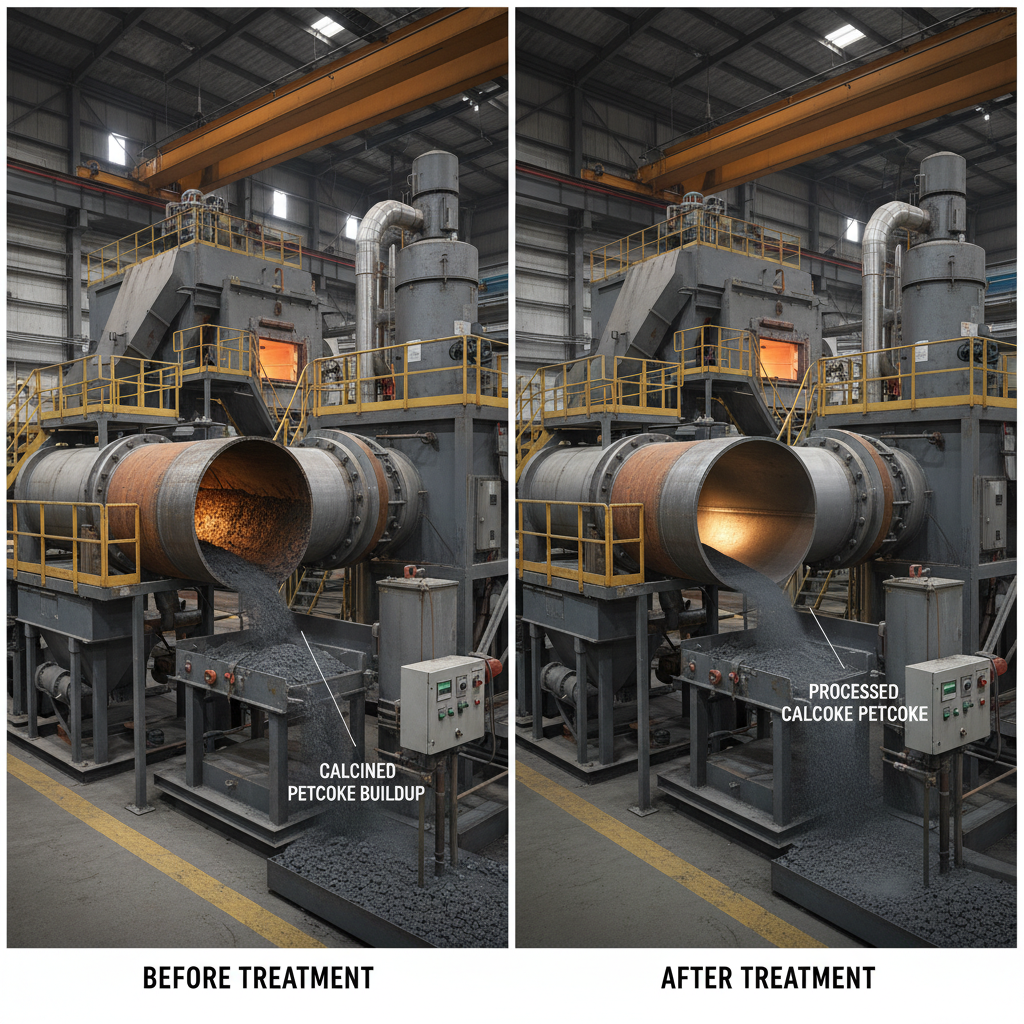
The journey of calcined petcoke begins with green petcoke, a byproduct of oil refining. This raw material undergoes a carefully controlled thermal treatment process, known as calcination, to remove volatile compounds and enhance its carbon content. This crucial step is what transforms green petcoke into the valuable industrial material we recognize. The properties of the final product are heavily influenced by the quality of the initial green petcoke and the precise parameters of the calcination process.
Understanding the composition and characteristics of calcined petcoke is fundamental to its successful application. It’s primarily composed of elemental carbon, with varying amounts of sulfur, ash, and other trace elements. These elements significantly influence its performance in different applications, impacting factors like conductivity, strength, and reactivity. Therefore, precise quality control and consistent composition are paramount for meeting the diverse needs of industrial consumers.
The Global Landscape of Calcined Petcoke Production
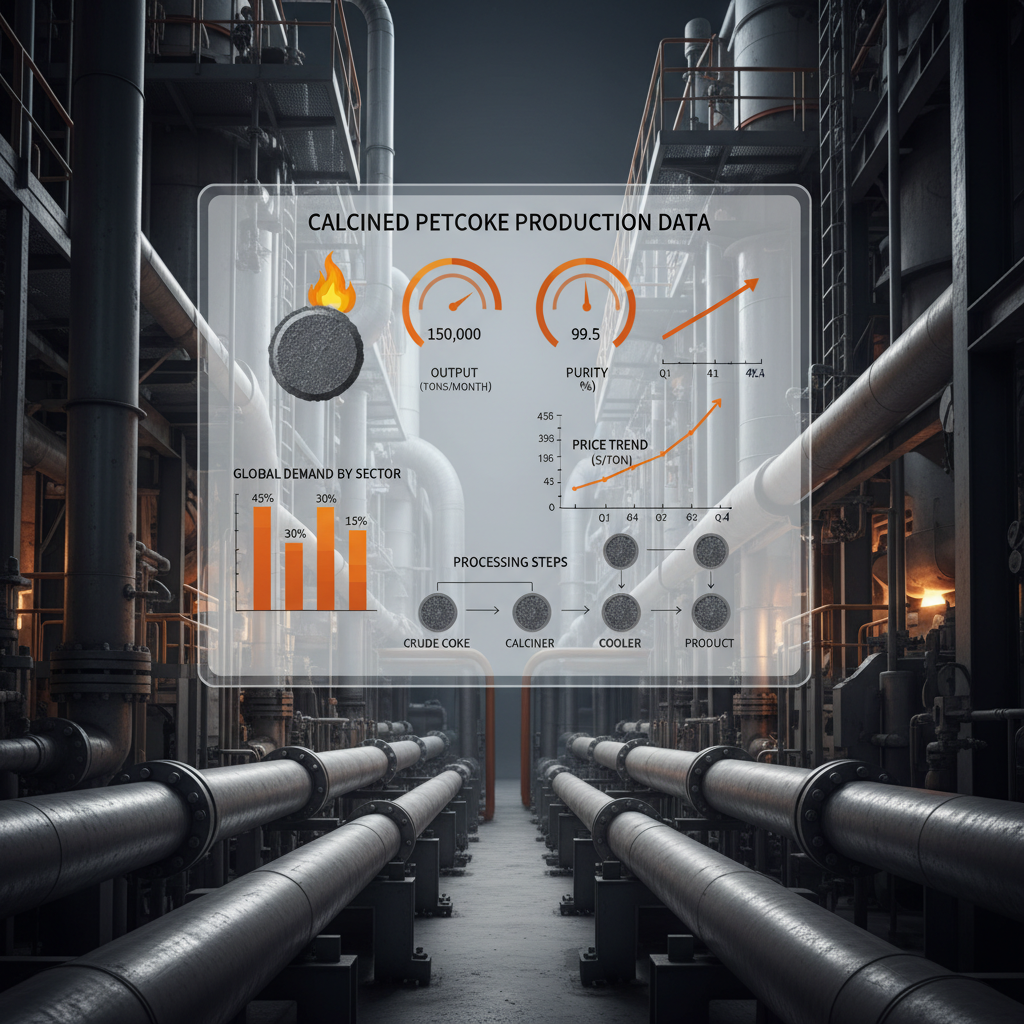
The global production of calcined petcoke is highly concentrated, with a significant portion originating from China, the United States, and India. China dominates the market due to its expansive aluminum industry, which consumes a substantial amount of calcined petcoke as a crucial carbon source in the smelting process. The US also maintains a substantial production capacity, catering to both domestic and international demand. India’s production is steadily increasing, driven by its growing industrial sector and expanding aluminum capacity.
Global trade in calcined petcoke is influenced by geopolitical factors, raw material availability, and fluctuations in energy prices. Supply chain disruptions and trade tariffs can significantly impact the cost and availability of the material. Regions with limited domestic production rely heavily on imports, making them vulnerable to price volatility and logistical challenges. Maintaining stable and reliable supply chains is therefore a critical consideration for businesses dependent on calcined petcoke.
The market for calcined petcoke is closely tied to the performance of key consuming industries, particularly aluminum production, steel manufacturing, and titanium dioxide production. Growth in these sectors directly translates to increased demand for calcined petcoke, while economic downturns can lead to reduced consumption. Understanding these interconnected dynamics is essential for forecasting market trends and making informed business decisions.
Defining Calcined Petcoke: A Core Industrial Material
Calcined petcoke is a carbonaceous material derived from the delayed coking process in oil refineries. It’s essentially a high-carbon, low-sulfur solid fuel and raw material used in a wide array of industrial applications. The "calcination" process involves heating green petcoke to high temperatures (typically between 1000°C and 1600°C) in the absence of oxygen, driving off volatile compounds and increasing the carbon content. This results in a denser, more stable material with enhanced conductive properties.
Its connection to modern industry is profound. Without calcined petcoke, the efficient production of aluminum, a material vital to transportation, packaging, and construction, would be significantly hampered. Similarly, its role in steelmaking and titanium dioxide production underscores its importance to infrastructure development and manufacturing. In essence, calcined petcoke is an often-unseen but critical component in the production of everyday goods.
The term itself, "calcined petcoke," clearly denotes its origin and processing. ‘Calcined’ refers to the heat treatment, while ‘petcoke’ signifies its source as a byproduct of petroleum refining. This nomenclature highlights the material's inherent link to the energy industry and its position as a valuable resource recovered from an otherwise waste stream. Properly understanding this definition is the first step in appreciating its far-reaching industrial impact.
Key Properties Driving Calcined Petcoke Applications
Several key properties contribute to the widespread use of calcined petcoke in various industrial applications. First, its high carbon content – typically exceeding 90% – makes it an excellent carbon source for metallurgical processes. Second, its low sulfur content minimizes undesirable side reactions and improves the quality of the final product. Third, its good electrical conductivity is crucial in electrolytic processes like aluminum smelting.
Furthermore, calcined petcoke exhibits good mechanical strength, allowing it to withstand the harsh conditions prevalent in industrial environments. Its relatively low cost compared to other carbon materials makes it an economically attractive option for many applications. These properties, coupled with its consistent quality when properly produced, contribute to its reliability and performance.
Calcined Petcoke Property Comparison
Global Applications and Diverse Use Cases
The primary application of calcined petcoke lies within the aluminum smelting industry, where it serves as the crucial carbon anode material. These anodes are consumed during the electrolytic process, providing the carbon necessary for aluminum production. Beyond aluminum, it’s also extensively utilized in the steel industry as a carbon raiser, contributing to the desired carbon content in steel alloys.
Further applications extend to the production of titanium dioxide, a widely used white pigment in paints, plastics, and paper. Calcined petcoke is employed as a reductant in the production process, facilitating the conversion of titanium ore into titanium dioxide. It also finds niche applications in the manufacturing of graphite electrodes, carbon brushes, and other specialized carbon products.
Advantages and Long-Term Value Proposition
The advantages of utilizing calcined petcoke are multifaceted. Cost-effectiveness is a significant driver, as it generally represents a more economical carbon source compared to alternatives like natural graphite. Its consistent quality and readily available supply contribute to operational efficiency and reduced downtime. The material’s ability to enhance the performance of industrial processes, such as increasing aluminum smelting efficiency, adds substantial value.
From a long-term perspective, the value proposition extends to sustainability. By utilizing a byproduct of oil refining, calcined petcoke contributes to resource efficiency and reduces waste. Ongoing research into optimizing calcination processes and reducing sulfur emissions further enhances its environmental profile. Choosing calcined petcoke, therefore, aligns with both economic and environmental objectives.
Future Trends and Innovations in Calcined Petcoke
Future trends in the calcined petcoke industry are centered around sustainability and process optimization. Research and development efforts are focused on reducing sulfur emissions during calcination, exploring alternative feedstocks, and enhancing the material's performance characteristics. The integration of digital technologies, such as data analytics and process control automation, is also gaining traction.
The increasing demand for high-purity aluminum and specialized steel alloys is driving the need for calcined petcoke with tailored properties. This is prompting innovations in calcination techniques and the development of advanced material characterization methods. The pursuit of a circular economy model, where waste materials are repurposed and reused, will also play a significant role in shaping the future of calcined petcoke.
Furthermore, the evolving landscape of energy production and storage may create new applications for calcined petcoke. Its potential use in energy storage systems, such as carbon-based supercapacitors, is an area of active research. Adapting to these emerging opportunities will be crucial for maintaining the industry's long-term viability and relevance.
Challenges and Solutions
One of the primary challenges facing the calcined petcoke industry is the management of sulfur emissions during the calcination process. Sulfur dioxide (SO2) is a byproduct of calcination and can contribute to air pollution if not properly controlled. Regulations regarding SO2 emissions are becoming increasingly stringent, requiring companies to invest in advanced emission control technologies.
Another challenge is the variability in the quality of green petcoke, the raw material for calcined petcoke. Variations in sulfur content, metal content, and other impurities can affect the final product's performance and require careful quality control measures. Investing in advanced feedstock pretreatment technologies can help mitigate this issue. Addressing these challenges necessitates innovation and a commitment to responsible manufacturing practices.
Innovative solutions are emerging, including the development of more efficient calcination processes, the implementation of advanced emission control systems, and the utilization of alternative feedstocks with lower sulfur content. Furthermore, exploring carbon capture and storage technologies can provide a long-term solution for mitigating SO2 emissions.
Summary of Calcined Petcoke Challenges and Solutions
| Challenge |
Impact |
Solution |
Implementation Cost (1-10) |
| Sulfur Emissions |
Environmental Pollution, Regulatory Compliance |
SO2 Scrubbers, Advanced Oxidation Processes |
7 |
| Green Petcoke Variability |
Inconsistent Product Quality |
Feedstock Pretreatment, Blending Strategies |
5 |
| Energy Consumption |
High Operational Costs |
Process Optimization, Heat Recovery Systems |
6 |
| Supply Chain Disruptions |
Material Shortages, Price Volatility |
Diversified Sourcing, Strategic Stockpiling |
4 |
| Regulatory Changes |
Increased Compliance Costs |
Proactive Environmental Management, Technology Investment |
8 |
| Demand Fluctuations |
Market Instability |
Market Diversification, Flexible Production Capacity |
5 |
FAQS
Calcined petcoke’s primary applications are in the aluminum smelting industry as an anode material, in steel manufacturing as a carbon raiser, and in titanium dioxide production as a reductant. It is also utilized in the production of graphite electrodes and carbon brushes, making it a versatile material with a broad range of industrial uses. The specific properties of calcined petcoke, such as its high carbon content and low sulfur levels, contribute to its effectiveness in these applications.
Green petcoke is a raw byproduct of oil refining, containing volatile compounds and a lower carbon content. Calcined petcoke undergoes a high-temperature heat treatment (calcination) in the absence of oxygen. This process removes the volatiles, increases the carbon content, and improves the material’s stability and electrical conductivity. Calcined petcoke is therefore a more refined and valuable material than green petcoke, suitable for a wider range of industrial applications.
The primary environmental concern is sulfur dioxide (SO2) emissions during the calcination process. SO2 is a pollutant that can contribute to acid rain and respiratory problems. However, modern calcination facilities employ advanced emission control technologies, such as scrubbers, to minimize SO2 emissions. Additionally, research is ongoing to develop calcination processes with lower sulfur emissions and to explore alternative feedstocks.
The sulfur content of calcined petcoke can vary depending on the source of the green petcoke and the calcination process used. However, typical sulfur content ranges from 1% to 5%. Lower sulfur content is generally preferred, especially for applications where sulfur can negatively impact the final product’s quality. The demand for low-sulfur calcined petcoke is driving innovation in calcination technologies.
Calcined petcoke quality is critical for efficient aluminum production. Its carbon content, sulfur levels, and physical properties directly impact the cell voltage, current efficiency, and anode consumption rate in the electrolytic process. High-quality calcined petcoke with consistent properties helps to reduce energy consumption, minimize anode losses, and improve the overall efficiency of aluminum smelting operations.
The future of calcined petcoke is linked to the growth of consuming industries, particularly aluminum and steel. Innovations in calcination technology to reduce emissions and improve product quality will be essential. Exploring new applications, such as in energy storage and advanced materials, could also drive demand. Sustainability and circular economy principles will increasingly shape the industry’s trajectory.
Conclusion
In summary, calcined petcoke is a foundational material for numerous industries, serving as a critical component in aluminum production, steelmaking, and more. Its unique properties, coupled with its cost-effectiveness, make it an indispensable resource for modern manufacturing. Understanding its production, applications, and future trends is paramount for businesses navigating these sectors.
Looking ahead, innovation in calcination technologies and a commitment to sustainable practices will be key to unlocking the full potential of calcined petcoke. By addressing environmental concerns and exploring new applications, the industry can ensure its long-term viability and contribute to a more sustainable future. For more information on calcined petcoke and our product offerings, visit our website today.