search
Search
0%

Table of Contents

To be honest, things have been… hectic. Been running between sites all year, and you really start to see what works and what doesn't. Lately, everyone's talking about miniaturization, right? Everything’s gotta be smaller, lighter, more efficient. It’s a good direction, don't get me wrong, but it also opens up a whole new can of worms when it comes to durability. Have you noticed how often things just… break now? It’s frustrating.

I’ve seen so many designs that look good on paper, but fall apart the second a real engineer gets his hands on them. Like, seriously, they’ll spec out some fancy alloy that’s supposed to be super strong, but completely forget about thermal expansion. Then you’ve got cracks appearing, things warping… a mess. It’s always the little things that get you.

We’ve been working a lot with these silicon carbide crucibles lately. They’re… well, they smell a bit like burnt toast when you first heat them up, which is always a comforting sign, honestly. That’s how you know they’re purging any residual binders. The feel is different from graphite, less… soft. Graphite’s almost powdery, you can feel it on your hands. Silicon carbide is much more granular, rougher. You gotta wear good gloves with that stuff.
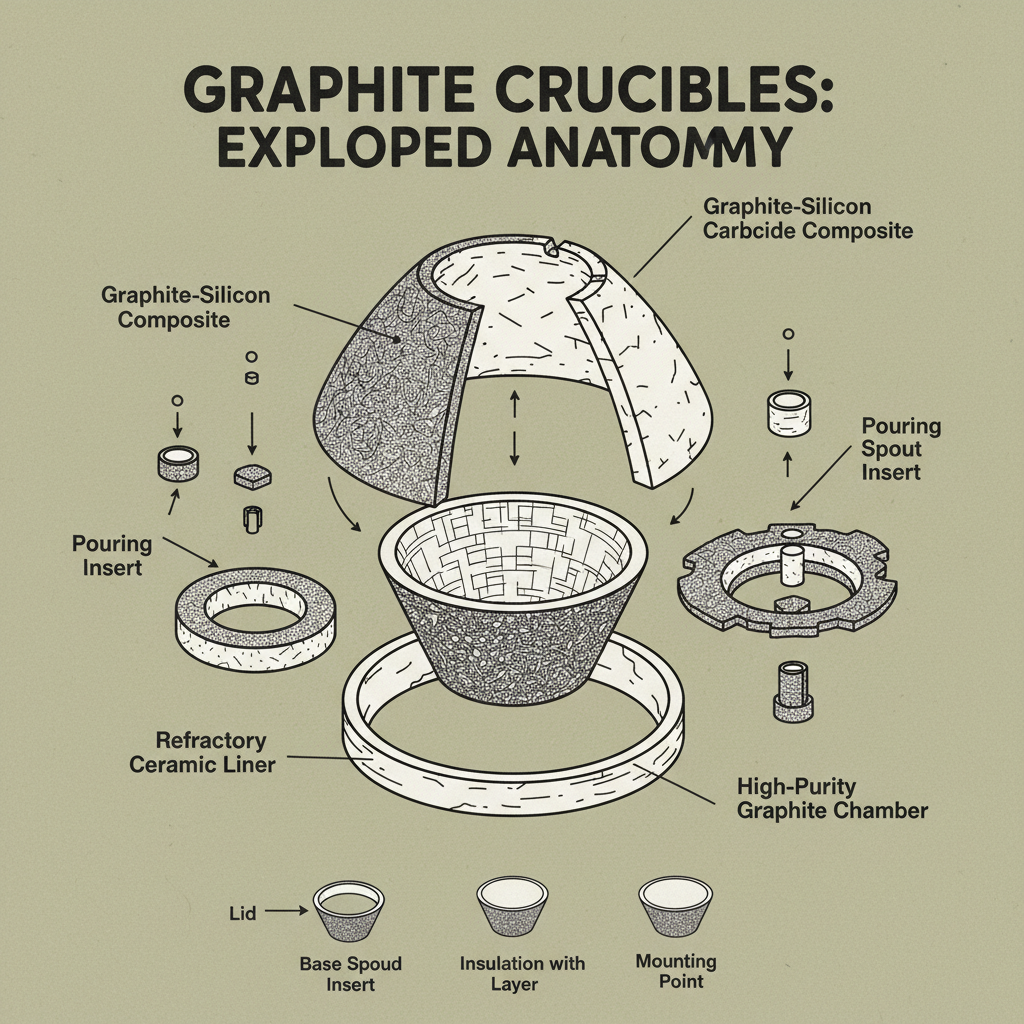
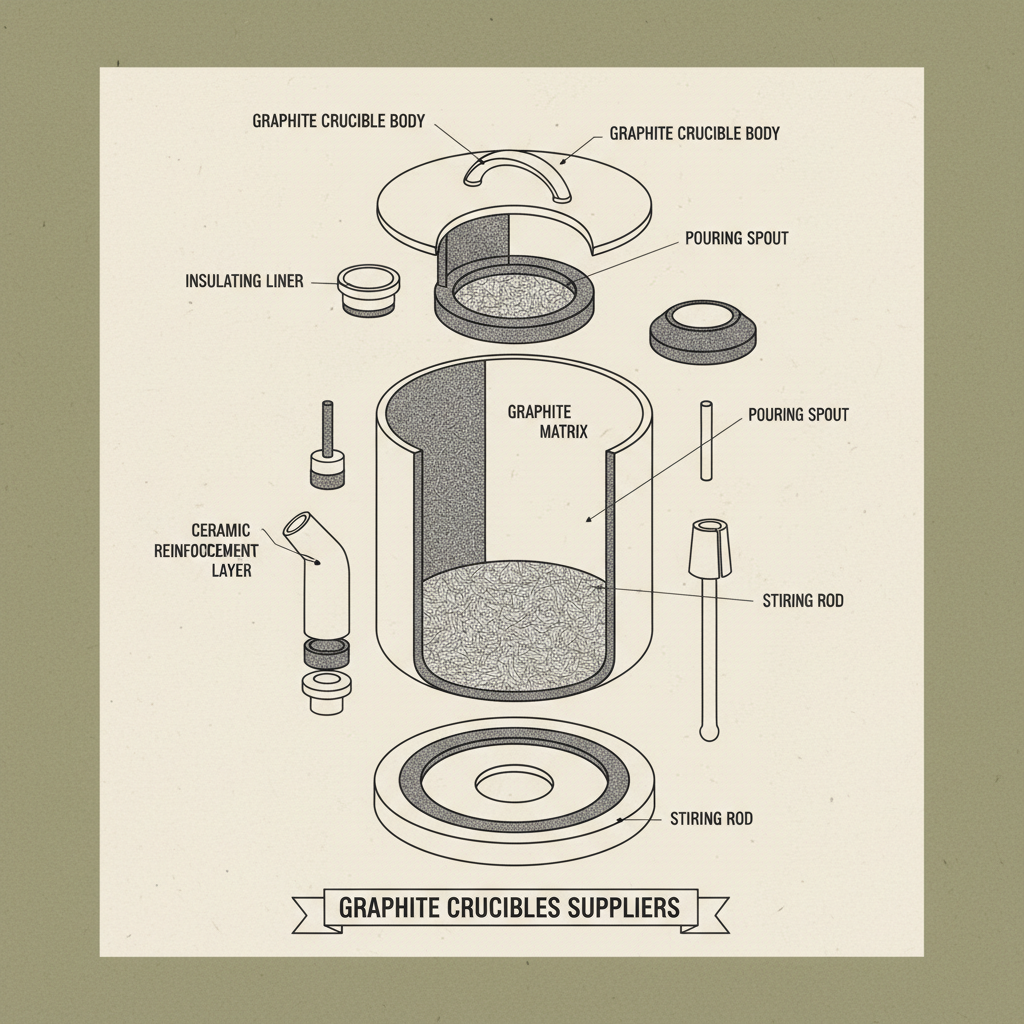
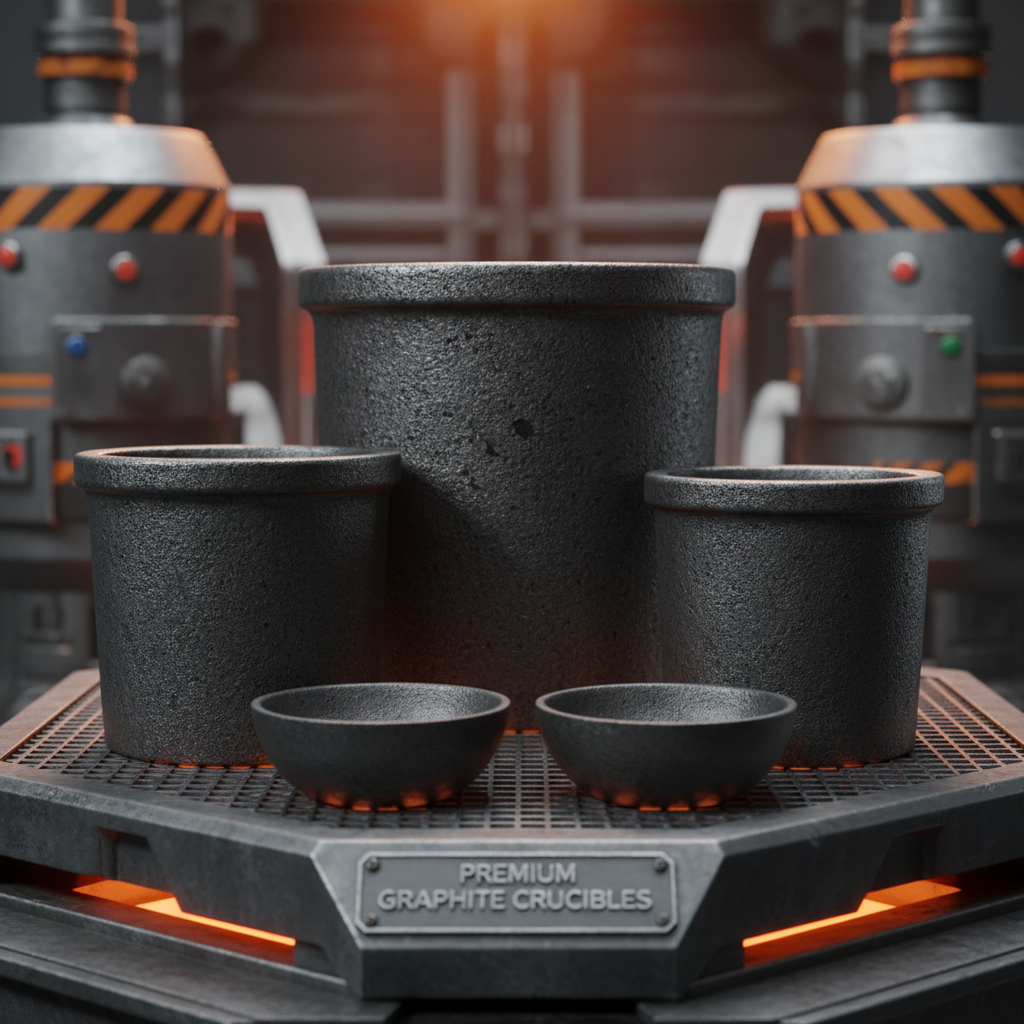
graphite crucibles suppliers

Recent Industry Trends and Design Pitfalls

graphite crucibles suppliers

Like I said, miniaturization is huge. But strangely, a lot of folks seem to be overlooking the importance of proper venting. You cram everything into a smaller space, increase the power density…and forget about how the heat’s going to escape? It’s a recipe for disaster. I encountered this at a semiconductor factory last time - a whole batch of crucibles cracked because the cooling system couldn't keep up.

Another thing is cost cutting. Everyone wants cheaper, faster, better, but when it comes to something like a crucible, skimping on the materials is just asking for trouble. You think you're saving money upfront, but you'll end up paying for it in downtime and replacements. It’s a false economy.

Material Considerations: Silicon Carbide vs. Graphite

Now, silicon carbide versus graphite… that’s a constant debate. Graphite is still the workhorse, you know? Been around forever, relatively cheap, easy to machine. But it oxidizes at high temperatures, especially in an oxygen-rich environment. That means you need a protective atmosphere, which adds complexity and cost.

Silicon carbide is… different. It can handle way higher temperatures without oxidizing, it's incredibly strong, and it’s more chemically inert. But it’s brittle, much harder to machine, and expensive. Really expensive. And if you drop one, forget about it. It’ll shatter like glass.

The choice really depends on the application. For things like melting copper, graphite is usually fine. But for melting things at really high temps, like silicon for semiconductors, you almost have to go with silicon carbide. There's just no getting around it.

Real-World Testing and Application

We don't rely on those fancy lab tests too much, to be honest. They’re useful for initial screening, sure, but nothing beats seeing how something performs in a real-world scenario. We do thermal shock testing, cycling the crucibles between extreme temperatures to see if they crack. We also do stress testing, putting them under heavy loads to simulate the stresses they’ll experience during actual use.

But the most important test is just… using them. We’ll get a crucible, run a melt, see how it holds up. Does it deform? Does it crack? Does the molten metal react with the crucible material? You learn a lot just by watching. And smelling. A bad crucible will definitely smell bad.

It’s also about talking to the operators. They're the ones who are actually using the crucibles day in and day out. They'll tell you what works and what doesn't, often in very colorful language. They notice things that engineers miss.

Advantages, Disadvantages, and Customization

Okay, so silicon carbide crucibles – they're tough, they handle the heat, they don’t react with most molten metals. That’s the good stuff. But they're expensive, brittle, and hard to work with. And they’re not always the best choice for everything. Graphite is cheaper and easier to shape, but you have to deal with oxidation and lower operating temperatures.

As for customization… it’s possible, but it’s not always easy. We can adjust the dimensions, the wall thickness, the purity of the material. Last year, a customer wanted a crucible with a special internal coating to prevent sticking. That was a headache, let me tell you. We had to develop a whole new process, but we got it done. Anyway, I think it's all about finding the right balance between performance, cost, and manufacturability.

Crucible Performance Comparison


User Behavior and Unexpected Use Cases

You know, people always use things in ways you don't expect. We designed these crucibles for melting metals, right? But we've had customers use them for everything from growing crystals to… I don't even want to know what else. It's always something.

I've noticed a trend of people trying to push the limits, running hotter temperatures, melting more aggressive materials. They're always looking for an edge. And honestly, I can respect that. It forces us to innovate, to come up with better materials and designs.

A Customer Story from Shenzhen

Last month, that small boss in Shenzhen who makes smart home devices insisted on changing the interface to , and the result was… well, he blew out half a dozen crucibles trying to melt the aluminum casing. Turns out, the connector introduces a lot of stress during solidification. He wouldn’t listen to my advice, thought he knew better. Ended up costing him a fortune in replacements. He’s a bit more receptive to my suggestions now, though.

He'd ordered a custom batch with thinner walls to save money, and that didn’t help either. See? Cost cutting comes back to bite you.

It’s a classic example of wanting something cheaper and faster without thinking through the consequences. That’s why I always say, talk to the guys on the ground. They’ll tell you what really matters.

Material Performance Comparison

Crucible Material Performance Summary

Material Type Max. Operating Temperature (°C) Mechanical Strength (MPa) Cost (Relative)
Silicon Carbide 2700 350 High
Graphite (High Purity) 2500 200 Medium
Graphite (Standard Grade) 2200 150 Low
Silicon Carbide (with Additives) 2600 400 Very High
Clay Graphite 1800 100 Very Low
Carbon-Carbon Composite 2800 500 Extremely High

FAQS

What's the typical lifespan of a silicon carbide crucible?

That’s a tricky one. It really depends on how you use it, what you’re melting, and the operating temperature. But generally speaking, you can expect anywhere from a few dozen melts to several hundred. It’s not about time, it’s about thermal cycles. Excessive thermal shock is the biggest killer. Proper preheating and cooling are critical. You've got to treat them with respect.

Can I repair a cracked graphite crucible?

Honestly? No. Don't even bother. Graphite is brittle, and once it cracks, it's compromised. Trying to patch it up is just asking for trouble. It will likely fail catastrophically during a melt, potentially causing a dangerous spill. The cost of a new crucible is far less than the cost of a cleanup and a potential safety hazard. Replace it. It's not worth the risk.

What's the best way to prevent oxidation in graphite crucibles?

The key is to maintain a protective atmosphere. This usually involves purging the crucible with an inert gas like argon or nitrogen before and during the melt. Make sure the gas flow is sufficient to displace all the oxygen. Some people also use a layer of graphite powder on top of the molten metal to create a barrier, but that's a bit of a gamble. Proper atmosphere control is the most reliable method.

Are there any special handling precautions for silicon carbide crucibles?

Absolutely. Silicon carbide is extremely brittle, so you have to be careful not to drop or impact it. Wear gloves and eye protection when handling it, as the dust can be irritating. And avoid sudden temperature changes, as this can cause it to crack. Store them in a dry place, away from direct sunlight. Treat them like fragile works of art, and you’ll be okay.

What’s the difference between a direct and indirect heating crucible?

Direct heating means the material being melted is in direct contact with the crucible walls. Indirect heating involves using a containment vessel inside the crucible. Indirect heating is more complex, but it protects the crucible from corrosion and contamination, and allows you to melt more reactive materials. It’s a bit like having a second layer of defense.

Can I use a graphite crucible for aluminum?

You can, but it's not ideal. Aluminum can react with graphite at high temperatures, forming carbides that can contaminate the melt. It's generally better to use a silicon carbide or alumina crucible for aluminum. However, if you’re careful and use a flux, you might get away with it. But be prepared for some potential issues with the metal's purity. It really depends on the specific alloy you're working with.

Conclusion

So, that’s where we are. A lot of trends towards smaller, hotter, more efficient, but ultimately, these materials are still pretty basic. Silicon carbide is great, graphite is reliable, and both have their place. The key isn’t necessarily about finding the perfect material, but about understanding the limitations of each one and using them correctly. It’s about knowing what will work, what won’t, and being prepared to adapt when things go wrong.

Ultimately, whether this thing works or not, the worker will know the moment he tightens the screw. You can run all the tests in the world, but the real test is always in the field. And that’s why I’m always on the road, getting my hands dirty. If you need a reliable crucible, or just want to talk shop, give us a shout. Visit our website: www.nlgraphite.com
Kevin Wilson

Kevin Wilson

Kevin Wilson is a Technical Support Specialist with Shijiazhuang Nalai Biotechnology Co., Ltd, providing expert assistance to customers regarding our graphite powder and paper products. He possesses a strong technical background in chemical engineering and is adept at troubleshooting application-specific challenges. Kevin works closely with the R&D department to provide
Previous Essential Insights into Graphite Electrode Manufacturers and Practical Applications
Next graphite blocks suppliers

If you are interested in our products, you can choose to leave your information here, and we will be in touch with you shortly.