

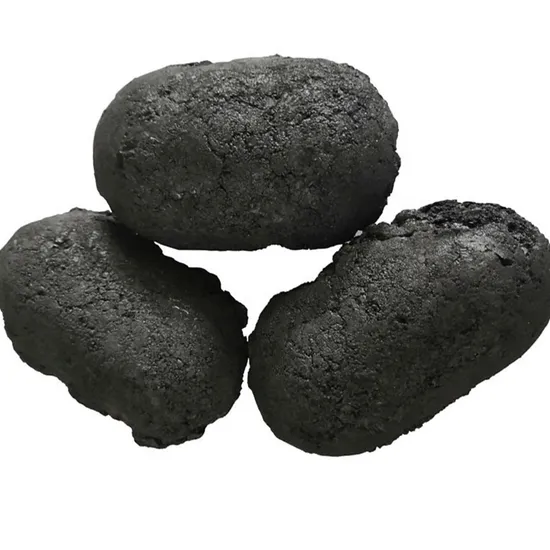
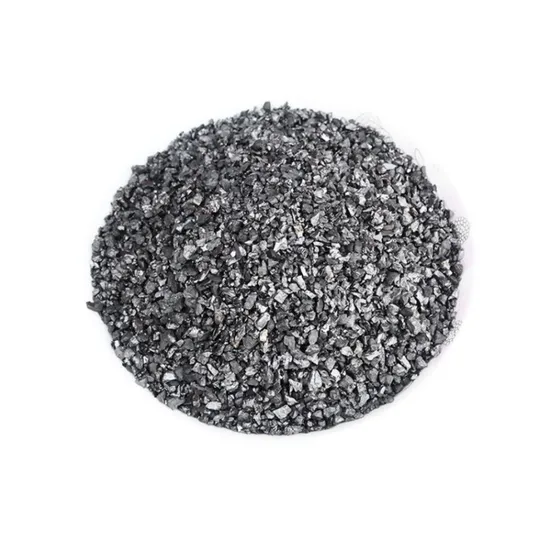
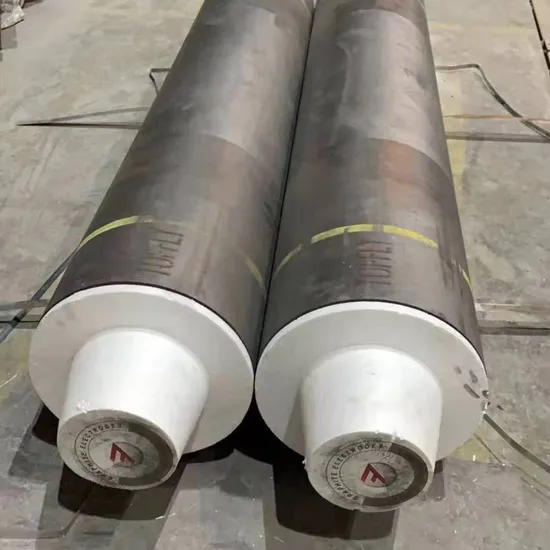
Ethiopia is currently undergoing a rapid industrial transition, focusing heavily on expanding its domestic manufacturing and mineral processing capabilities. The demand for calcined petroleum coke has surged as the country seeks to optimize its aluminum and steel production, leveraging its abundant hydroelectric power to lower energy costs for carbon-intensive processes.
However, the local market faces challenges due to a reliance on imported high-grade carbon materials. The volatility of the global supply chain often impacts the availability of graphitized petroleum coke, creating a gap between the available raw materials and the technical requirements of modern electric arc furnaces (EAF) used in Addis Ababa's industrial zones.
Despite these hurdles, the integration of superior petroleum coking derivatives is becoming a priority for Ethiopian enterprises aiming to meet international quality standards, driving a shift toward more stable and conductive carbon sources to reduce electrode consumption.