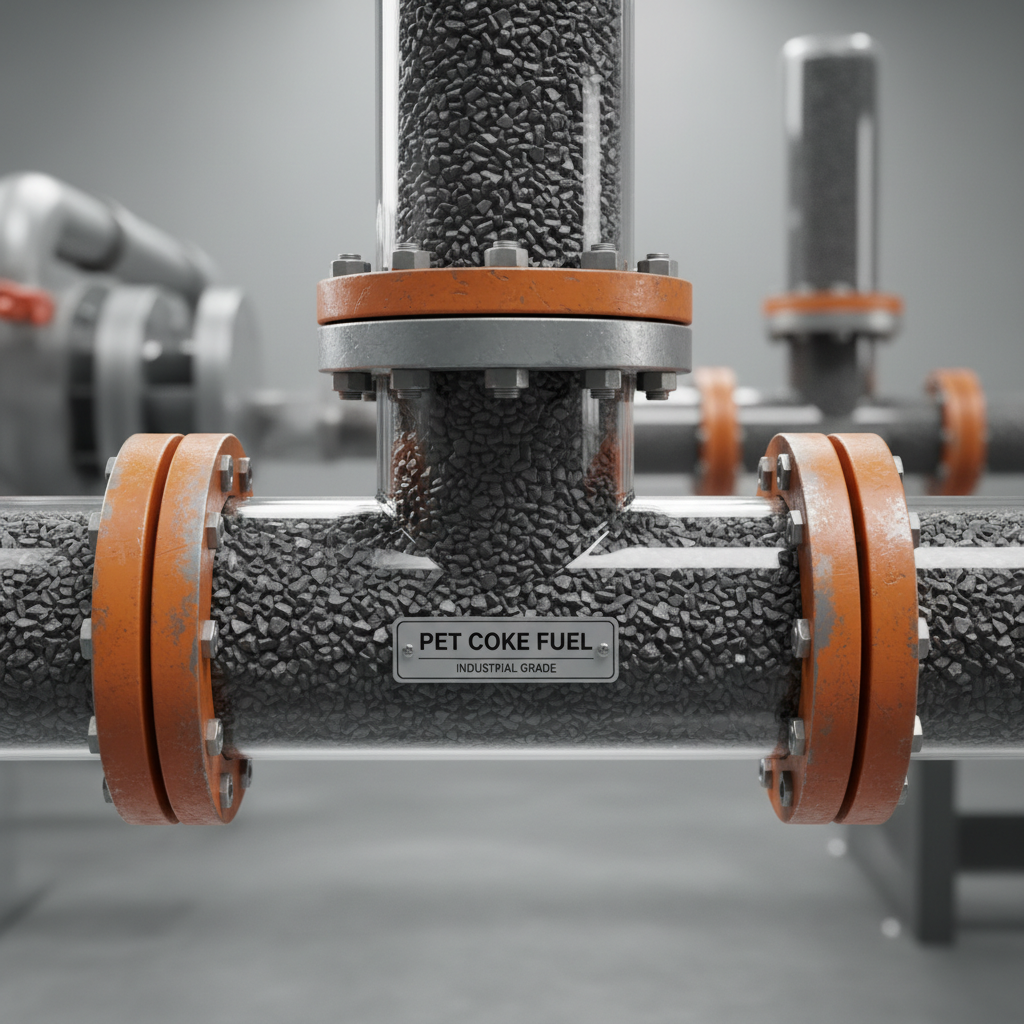
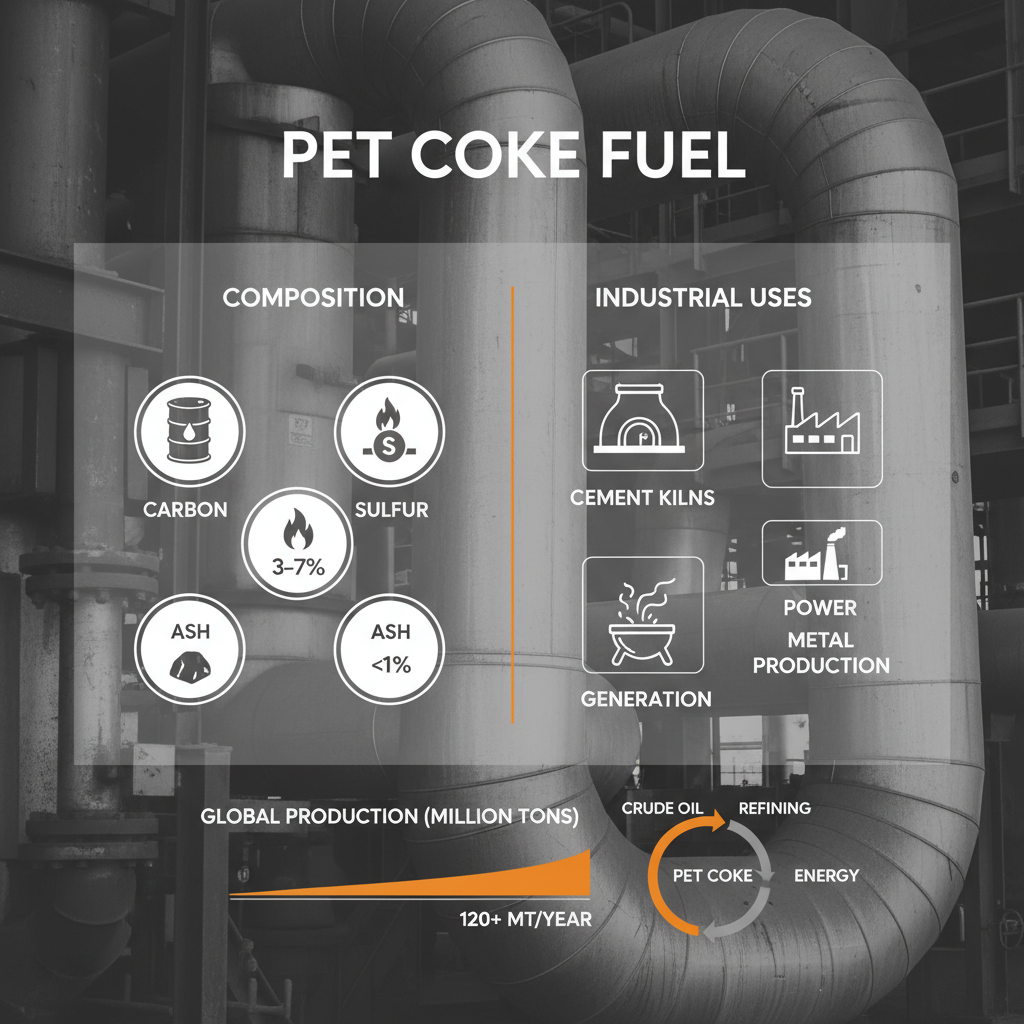
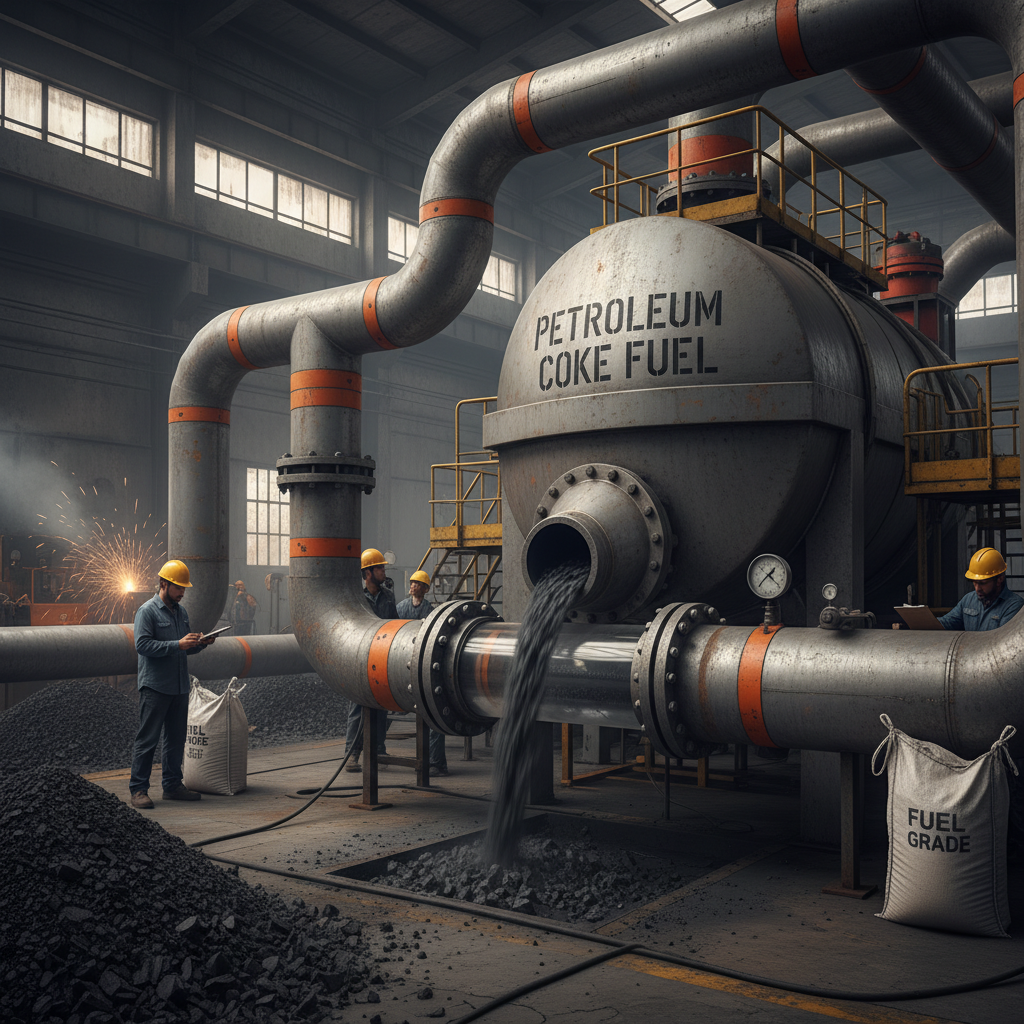
In the demanding landscape of industrial heating and carbon-based manufacturing, pet coke fuel stands as a pivotal energy source that bridges the gap between raw petroleum refining and high-temperature industrial processing. As a byproduct of the oil refining process, this carbon-rich material provides an intense, steady heat output that is indispensable for smelting, cement production, and the creation of specialized carbon products.
Globally, the transition toward more efficient energy utilization has placed a spotlight on the versatility of petroleum coke. By leveraging its high caloric value and structural stability, industries can significantly reduce their reliance on more expensive fuel alternatives while maintaining the rigorous thermal requirements necessary for high-grade metallurgical outputs.
Understanding the nuances of pet coke fuel is not merely a technical necessity for plant managers but a strategic advantage for companies seeking to optimize their supply chains. From its role as a precursor in graphite electrode production to its direct use in power plants, this material remains a cornerstone of modern heavy industry.
Global Industrial Context of Pet Coke Fuel
On a global scale, the utilization of pet coke fuel is intricately linked to the output of the world's largest refineries. With millions of tons produced annually, it serves as a critical energy buffer for developing economies and industrial powerhouses alike. International standards, including those aligned with ISO guidelines for carbon materials, ensure that the sulfur and ash content are managed to prevent environmental degradation while maximizing thermal yield.
The primary challenge facing the industry today is the balance between cost-efficiency and emission controls. While petroleum coke offers a lower price point compared to natural gas or high-grade coal, the inherent sulfur content requires sophisticated scrubbing technology. This dynamic has driven a global movement toward "sweet" (low-sulfur) coke, which is highly sought after for its cleaner burn and superior performance in sensitive industrial kilns.
Defining the Properties of Pet Coke Fuel
At its most basic level, pet coke fuel is the carbon-rich solid residue remaining after the vacuum distillation of heavy crude oil. Unlike traditional coal, it is a manufactured byproduct of the delayed coking process, resulting in a material that can be tailored in its physical form—ranging from "green coke" (sponge-like) to "calcined coke" (hardened and purified).
From a chemical standpoint, its value lies in its high fixed carbon content and impressive heating value (BTUs). This makes it an ideal candidate for industries that require sustained, intense heat over long periods, such as the production of cement clinker or the smelting of non-ferrous metals. Its ability to maintain structural integrity at extreme temperatures allows it to act as both a fuel and a supporting medium in some furnace configurations.
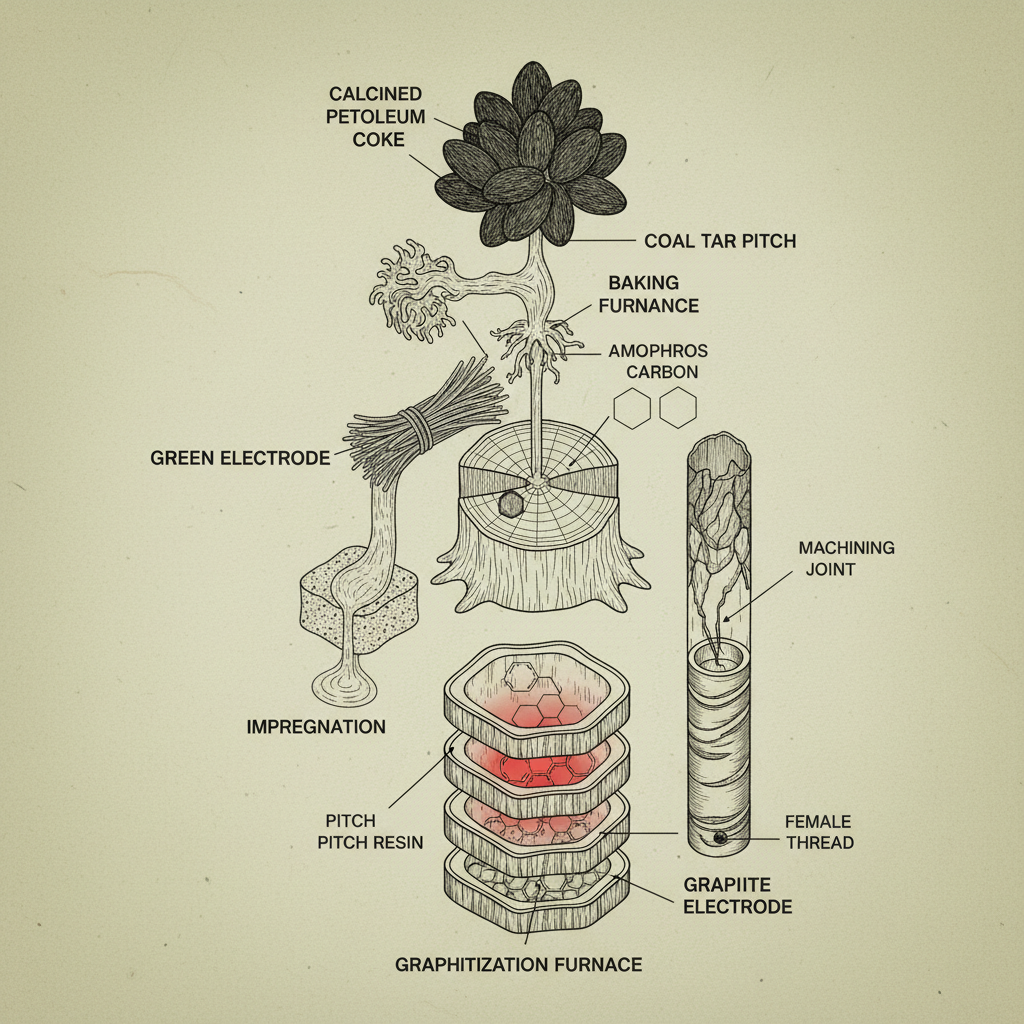
Beyond its role as a combustion source, this material is the fundamental building block for the carbon-carbon industry. It is the primary feedstock for the production of graphite electrodes and anodes used in aluminum smelting, illustrating how a fuel source also functions as a critical industrial raw material for the broader graphite product ecosystem.
Core Technical Components and Heat Efficiency
The performance of pet coke fuel is primarily determined by its carbonization degree and porosity. High-carbon purity ensures a more complete combustion process, reducing the amount of residual ash that can clog industrial filters or contaminate the final product in smelting operations.
One of the most critical factors is the sulfur content. Low-sulfur pet coke fuel is prized for its ability to meet stringent environmental regulations without requiring massive investments in desulfurization plants. The balance between volatility and fixed carbon determines how quickly the fuel ignites and how steadily it burns.
Furthermore, the physical density and grain size of the fuel impact the airflow within a furnace. Optimized particle size distribution prevents "clumping" and ensures an even oxygen supply, which directly translates to higher thermal efficiency and lower fuel consumption per ton of output.
Practical Industrial Applications and Use Cases
In real-world applications, pet coke fuel is ubiquitous in the heavy industrial zones of East Asia and North America. In cement kilns, it is used as a primary fuel to reach the sintering temperatures required for clinker production. Its high energy density allows plants to maintain consistent heat, reducing the risk of "cold spots" that could compromise the structural integrity of the cement.
Beyond cement, it is vital in the production of aluminum. While used as fuel for heat, it is more critically processed into anodes. In remote industrial zones where natural gas pipelines are nonexistent, petroleum coke provides a reliable, shippable energy source that can be stored in bulk and deployed as needed to power high-temperature chemical reactors.
Comparative Efficiency of Pet Coke Fuel Variations
Strategic Advantages and Long-Term Value
The most tangible benefit of adopting pet coke fuel is the drastic reduction in operational costs. Compared to anthracite coal or natural gas, petroleum coke often provides a higher heat-to-cost ratio, allowing manufacturers to increase their margins without sacrificing the quality of their thermal processing.
From a strategic standpoint, utilizing a refinery byproduct promotes a circular economy within the petrochemical sector. By turning a residue into a high-value energy source, industries reduce waste and create a reliable supply chain that is less susceptible to the volatility of the natural gas market, ensuring long-term energy security and operational reliability.
Future Trends in Carbon Fuel Innovation
The future of pet coke fuel is being reshaped by the global push toward "Green Carbon." Innovations in catalytic cracking and advanced distillation are allowing refineries to produce coke with even lower impurities, making it more compatible with modern, low-emission burners. This evolution ensures that carbon fuels remain viable even under strict ESG (Environmental, Social, and Governance) frameworks.
Digital transformation is also playing a role, with AI-driven combustion control systems now optimizing the feed rate of petroleum coke in real-time. These systems analyze exhaust gases and temperature fluctuations to adjust the fuel mix, minimizing waste and maximizing the caloric extraction from every kilogram of fuel used.
Furthermore, there is a growing trend toward blending petroleum coke with biomass or other renewable carbon sources. These "hybrid fuels" aim to maintain the high heat output of pet coke fuel while lowering the overall net carbon footprint, paving the way for a more sustainable heavy industry.
Overcoming Challenges in Pet Coke Utilization
Despite its advantages, the primary limitation of pet coke fuel is its sulfur and vanadium content, which can lead to equipment corrosion and environmental pollution. The solution lies in the adoption of advanced calcination processes, where the coke is heated in a controlled environment to drive off volatile organic compounds and sulfur before it reaches the burner.
Another challenge is the handling of "green coke," which is prone to dusting and can create respiratory hazards in the workplace. To solve this, many plants are implementing automated pelletization systems that transform the powder into dense, manageable granules, improving both safety and combustion efficiency.
Expert insights suggest that the path forward involves a total system approach: combining high-purity fuel procurement with state-of-the-art filtration and scrubbing technology. By treating the fuel as part of a technical ecosystem rather than just a commodity, companies can maximize value while minimizing environmental impact.
Comparative Analysis of Pet Coke Fuel Grades and Their Industrial Suitability
| Fuel Grade |
Sulfur Level |
Thermal Output |
Primary Use Case |
| Premium Sweet Coke |
Very Low (
|
Excellent |
Specialized Anodes |
| Standard Calcined |
Moderate |
High |
Steel Smelting |
| Industrial Green Coke |
Variable |
Moderate |
Cement Kilns |
| High-Sulfur Fuel |
High (> 4%) |
Very High |
Power Plants w/ Scrubbers |
| Ultra-High Carbon |
Low |
Superior |
Graphite Electrodes |
| Blended Coke Fuel |
Controlled |
Stable |
General Manufacturing |
FAQS
Pet coke fuel is often more cost-effective because it is a byproduct of the oil refining process, meaning its production cost is integrated into the wider petroleum chain. Additionally, its higher carbon concentration typically provides a greater BTU (British Thermal Unit) output per pound than standard bituminous coal, meaning less fuel is required to achieve the same thermal results.
Its safety depends on the grade and the facility's emission controls. High-sulfur pet coke can release SOx emissions, which contribute to acid rain. However, when used in plants equipped with flue-gas desulfurization (FGD) systems or when utilizing "sweet" low-sulfur coke, it can be used safely and in compliance with international environmental standards.
Generally, no. Pet coke fuel is designed for industrial-scale combustion. Its high heat intensity and potential for sulfur emissions make it unsuitable for residential boilers, which are not designed to handle the extreme temperatures or the corrosive byproducts associated with petroleum coke combustion.
Green coke is the raw, sponge-like material straight from the coking unit; it contains more volatiles and is softer. Calcined coke has been heated in a furnace to remove impurities and volatiles, resulting in a harder, denser material with a higher carbon purity, making it ideal for graphite electrodes and high-end industrial anodes.
If the sulfur content is not managed, the resulting sulfuric acid can accelerate the corrosion of furnace linings and exhaust stacks. However, by using high-purity grades or protective refractory linings, the impact is minimized, and the high heat stability of the fuel can actually help maintain more consistent thermal stress on the equipment.
High-quality feedstock for graphite production requires specific needle-coke properties. It is best to source from certified refineries that provide detailed chemical analysis sheets. For comprehensive carbon solutions and graphite products, visiting specialized providers like nlgraphite.com is recommended to ensure the material meets the required purity standards.
Conclusion
In summary, pet coke fuel represents a critical intersection of energy efficiency and industrial utility. By transforming a refinery byproduct into a high-energy fuel and a foundational material for the graphite industry, it provides an indispensable economic advantage for heavy manufacturing. From the intense heat of cement kilns to the precision of graphite electrode production, its versatility and high caloric value ensure its continued relevance in the global energy mix.
Looking ahead, the successful integration of petroleum coke will depend on the industry's ability to innovate toward lower emissions and higher purity. As we transition toward a more sustainable future, the shift toward "sweet" coke and the adoption of AI-optimized combustion will allow this carbon source to remain a viable, cost-effective pillar of industrial growth. We encourage industry professionals to explore optimized carbon solutions to enhance their operational efficiency. Visit our website: www.nlgraphite.com