In the sophisticated landscape of carbon-based materials, petrocoke stands as a cornerstone of modern heavy industry. As a byproduct of the oil refining process, specifically the delayed coking unit, this high-carbon material is indispensable for the production of aluminum, steel, and high-grade graphite electrodes. Understanding the nuances of its chemical composition and physical properties is essential for manufacturers seeking to optimize thermal efficiency and structural integrity in high-temperature environments.
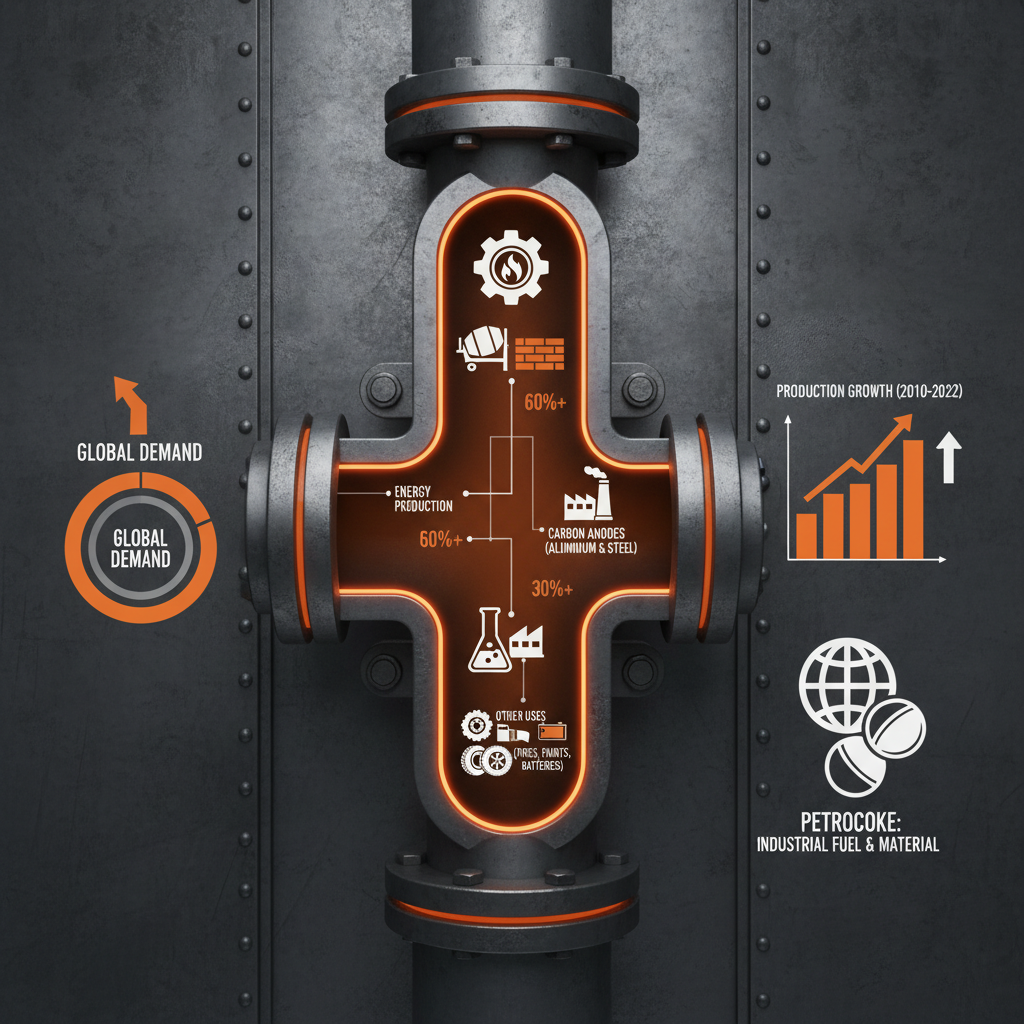
Globally, the demand for high-quality petrocoke is driven by the relentless growth of the smelting and metallurgy sectors. From the towering blast furnaces of Asia to the specialized graphite workshops of Europe, this material ensures that electricity is conducted efficiently and carbon is provided consistently. Without the precise application of petroleum coke, the production of essential metals and the fabrication of precision graphite components would face significant volatility in quality and cost.
For procurement managers and engineers, the challenge lies in balancing the sulfur content and volatility of the coke with the specific requirements of their end-product. Whether it is used as a carburizing agent or as a precursor for graphite blocks, the selection of the right grade of petrocoke can mean the difference between a flawed batch and a masterpiece of industrial engineering. This guide explores the technical depth, global applications, and future innovations surrounding this vital industrial resource.
Global Industry Context of Petrocoke
The global market for petrocoke is deeply intertwined with the energy sector and the aluminum industry. According to industry data mirroring ISO standards for carbon materials, the stability of the supply chain for petroleum coke directly impacts the cost of primary aluminum production. As nations strive for industrialization, the reliance on high-carbon feedstock has increased, making the strategic sourcing of "green" or low-sulfur coke a priority for environmental compliance and operational efficiency.
Historically, the industry has struggled with the volatility of refinery outputs, leading to periods of surplus and shortage. However, the integration of advanced refining technologies has allowed for a more consistent production of "needle coke"—a specialized form of petrocoke used in high-power graphite electrodes. This shift highlights the move from treating coke as a mere byproduct to viewing it as a high-value engineered material essential for the global energy transition.
Defining the Technical Nature of Petrocoke
In simple terms, petrocoke is a carbon-rich solid derived from the thermal cracking of heavy petroleum fractions. It is essentially the residue left after the volatile components of oil have been removed, leaving behind a porous, carbonaceous structure. For the non-specialist, it can be thought of as the "industrial skeleton" of the oil refining process, providing the carbon necessary for high-temperature reactions.
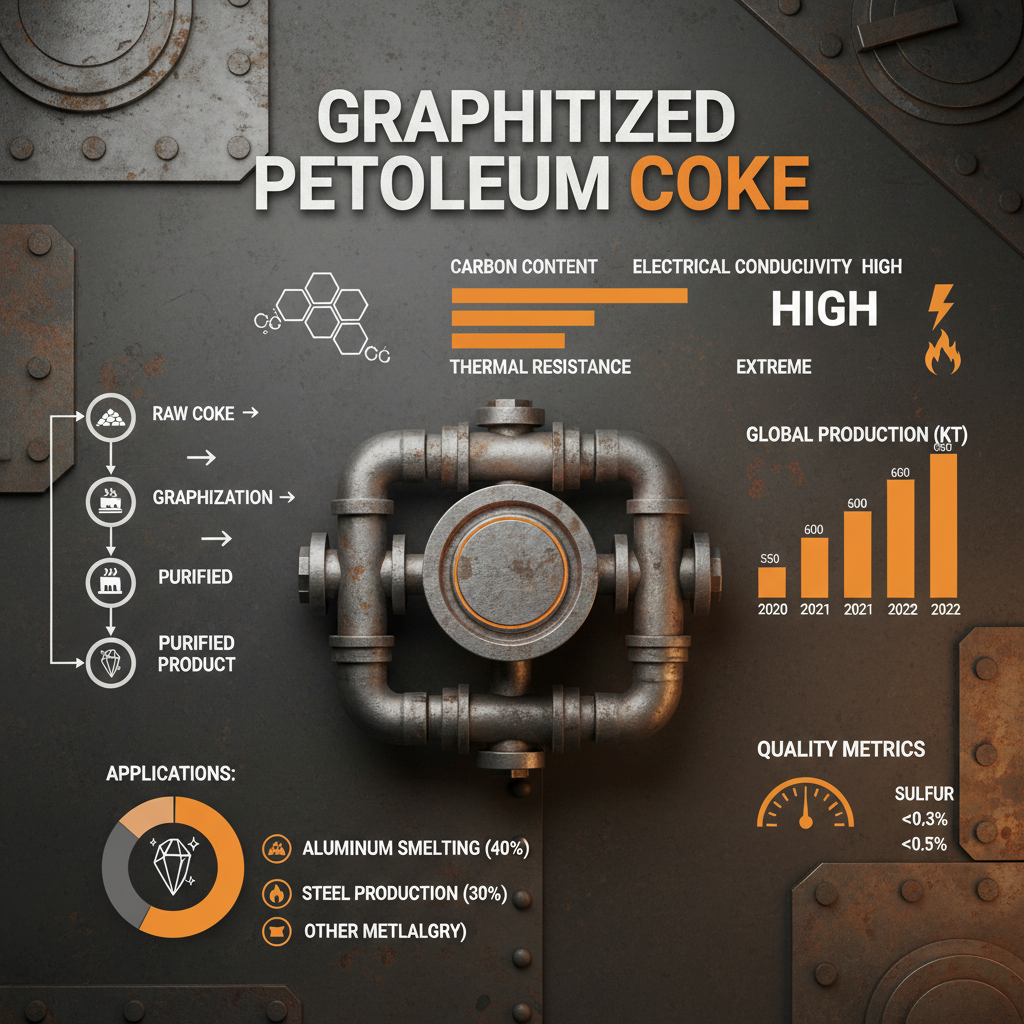
The connection between this material and modern industry is profound. In the manufacture of graphite electrodes, petrocoke is the primary raw material that undergoes calcination and graphitization. This process transforms the amorphous carbon of the coke into the crystalline structure of graphite, which possesses the electrical conductivity and thermal stability required for electric arc furnaces (EAF) used in steel recycling.
Beyond metallurgy, the humanitarian and economic impact of this material is felt in the infrastructure it enables. From the aluminum in lightweight transport to the steel in sustainable urban housing, the underlying chemistry of petrocoke supports the physical foundations of modern civilization, bridging the gap between raw fossil fuel extraction and high-tech material science.
Core Components and Performance Factors
The performance of petrocoke is primarily governed by its sulfur content. In the aluminum industry, low-sulfur coke is prized because high sulfur emissions can lead to environmental penalties and the degradation of anode quality. Managing the sulfur-to-carbon ratio is critical for maintaining the purity of the final graphite product.
Another pivotal factor is the "caking property," which determines how the material behaves when heated. Needle coke, a premium variation of petrocoke, exhibits a unique anisotropic structure that allows for the formation of large, aligned graphite crystals. This structural scalability is what gives high-end graphite electrodes their immense strength and conductivity.
Finally, the volatility and ash content play a significant role in cost efficiency. A lower ash content means fewer impurities, which reduces the wear and tear on machinery and ensures a more consistent reaction in the furnace. By optimizing these parameters, manufacturers can achieve a higher yield and a longer lifespan for their graphite components.
Global Applications and Industrial Use Cases
The practical application of petrocoke spans several critical industrial zones. In the Middle East and North America, it is used extensively as a fuel source in cement kilns, where its high calorific value provides the intense heat needed for clinker production. In these remote industrial zones, the availability of local petrocoke reduces logistics costs and increases the reliability of the supply chain.
In East Asia, particularly in China and Japan, the focus is on the production of high-purity graphite blocks and crucibles. Here, petrocoke is processed through complex chemical vapor deposition and heat treatments to create materials capable of withstanding extreme thermal shock. This is vital for the semiconductor industry and the production of aerospace components, where material failure is not an option.
Comparative Efficiency of Petrocoke Grades
Advantages and Long-Term Value Propositions
The tangible benefits of utilizing high-grade petrocoke revolve around reliability and cost-effectiveness. Because it is a consistent byproduct of refining, it offers a more predictable carbon source than some natural coals. This reliability translates to safer industrial operations, as the chemical consistency reduces the risk of unexpected reactions or furnace explosions, ensuring the dignity and safety of the workforce.
From a long-term value perspective, the transition toward "Green Petrocoke" (low sulfur and low impurity) is driving innovation in sustainability. By reducing the environmental footprint of the smelting process, companies not only meet strict international regulations but also build trust with consumers who demand ethically produced metals. This marriage of logical cost-saving and emotional brand value creates a sustainable competitive advantage.
Future Trends in Petrocoke Innovation
The future of petrocoke is being reshaped by the digital transformation of the oil and gas industry. Automation and AI are now being used to monitor the coking process in real-time, allowing refineries to adjust parameters and "tune" the properties of the coke to meet specific customer needs. This move toward "bespoke" petroleum coke will drastically reduce waste and improve material efficiency.
Moreover, the rise of green energy is creating new opportunities. As the world moves toward electric vehicle (EV) production, the demand for high-purity graphite for batteries is skyrocketing. This is pushing researchers to develop new methods of upgrading standard petrocoke into high-performance synthetic graphite, reducing the reliance on mined graphite and promoting a circular economy.
Sustainability policies, such as the EU's Carbon Border Adjustment Mechanism (CBAM), are also forcing a shift. We expect to see an increase in "bio-coke" blends, where traditional petrocoke is mixed with biomass-derived carbons. This hybrid approach aims to maintain the structural integrity of the carbon material while significantly lowering the net carbon footprint of the industrial process.
Challenges and Strategic Solutions
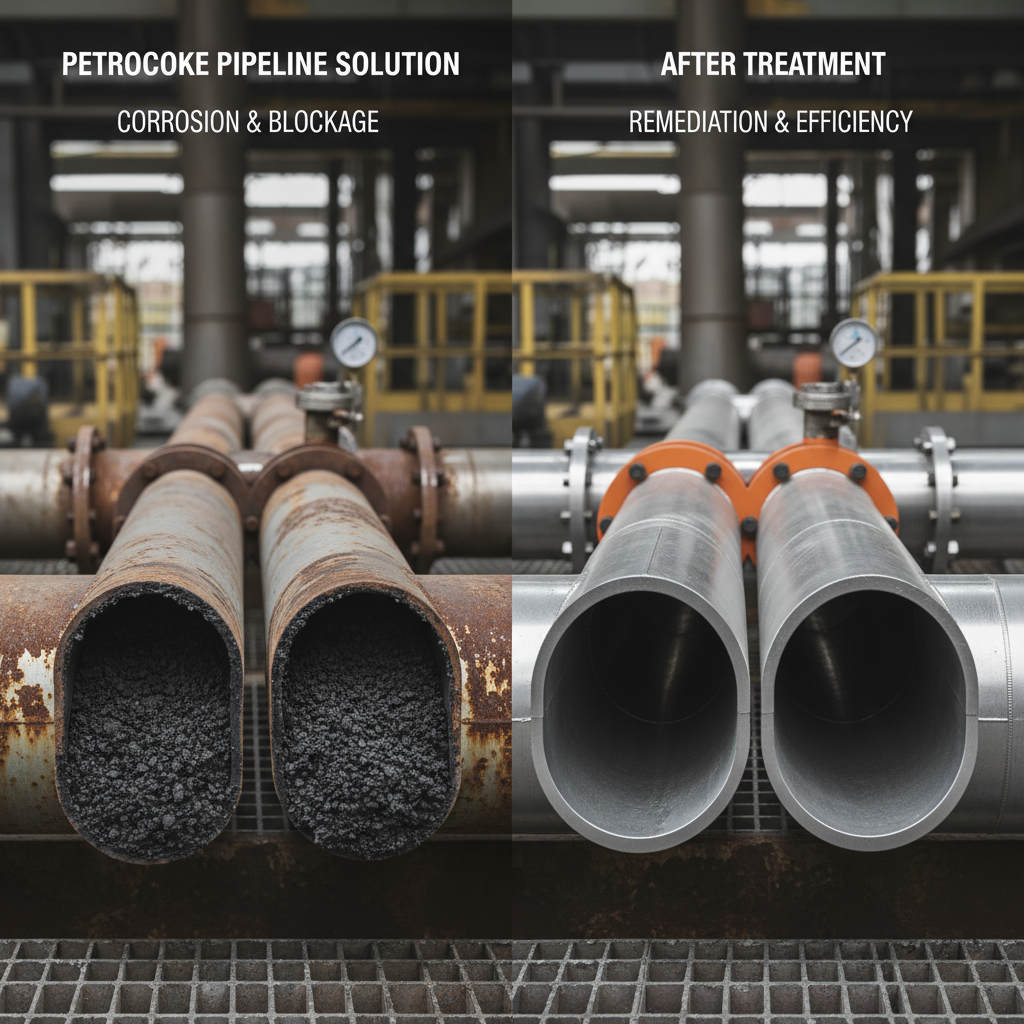
Despite its utility, the primary limitation of petrocoke is its environmental impact, specifically the emission of SOx and NOx during combustion. Many industrial zones face strict quotas on these emissions, which can lead to operational shutdowns if not managed. The challenge is to maintain the high heating value of the coke while eliminating these pollutants.
Expert insights suggest that the most effective solution is the implementation of advanced calcination plants. By treating the coke at extremely high temperatures before it reaches the furnace, volatile impurities can be removed more efficiently. Additionally, the use of scrubbers and catalytic converters in the exhaust stream can mitigate the environmental impact, turning a potential liability into a compliant operation.
Another challenge is the supply chain volatility caused by geopolitical shifts in oil production. To overcome this, many graphite manufacturers are diversifying their feedstock sources and investing in carbon-capture technologies. By capturing the CO2 emitted during the coking process and repurposing it, companies can offset their carbon footprint and create a more resilient, sustainable production model.
Technical Analysis of Petrocoke Grade Suitability by Industry
| Coke Grade |
Primary Industry |
Critical Parameter |
Performance Score |
| Needle Coke |
Graphite Electrodes |
Anisotropy |
9.8 |
| Low-Sulfur Coke |
Aluminum Anodes |
Sulfur % |
9.2 |
| Green Coke |
Cement Kilns |
Calorific Value |
8.5 |
| Calcined Coke |
Steel Smelting |
Volatile Matter |
8.9 |
| Shot Coke |
Specialty Carbon |
Particle Size |
7.4 |
| Standard Delayed |
General Industrial |
Cost Efficiency |
8.0 |
FAQS
Needle petrocoke possesses a unique needle-like crystalline structure (anisotropy) that allows it to align during the extrusion process. This alignment is crucial for creating graphite electrodes with high electrical conductivity and superior mechanical strength, which prevents them from breaking under the immense heat and pressure of an electric arc furnace.
High sulfur in petrocoke leads to the emission of sulfur dioxide (SO2) during the baking of anodes. This not only causes severe environmental pollution but also creates porosities and impurities in the anode structure, which reduces the efficiency of the electrolytic cell and increases energy consumption.
While petrocoke is a byproduct and thus uses a waste stream, it is still a carbon-intensive fuel. However, when compared to some low-grade coals, specialized low-sulfur petrocoke can provide higher energy density and fewer particulate emissions, making it a more "efficient" rather than purely "eco-friendly" choice.
Green coke is the raw petroleum coke as it comes out of the coking unit. Calcined coke has been heated in a rotary kiln to remove volatile organic compounds and moisture. Calcination increases the density and electrical conductivity of the material, making it suitable for high-performance industrial electrodes.
Yes, through a process of intense purification and graphitization, certain grades of petrocoke can be converted into synthetic graphite. This synthetic graphite is then used as an anode material in lithium-ion batteries, though it requires extremely high purity to ensure battery stability and longevity.
Manufacturers can reduce costs by establishing long-term strategic partnerships with refineries or by investing in their own calcination facilities to upgrade lower-grade "green" coke. Additionally, optimizing the mix of different coke grades can maintain performance while lowering the average cost per ton.
Conclusion
In summary, petrocoke is far more than a simple byproduct of oil refining; it is a versatile and critical industrial asset. From its essential role in the production of aluminum and steel to its evolving application in the high-tech battery sector, the material's value is defined by its chemical purity and structural properties. By balancing sulfur content, volatility, and anisotropy, industry leaders can ensure high-performance outcomes and operational stability.
Looking ahead, the integration of green technologies and digital precision in the production of petroleum coke will be the key to sustainable growth. As environmental regulations tighten and the demand for high-purity carbon materials grows, the shift toward engineered, low-emission coke will define the next era of metallurgy and energy. We encourage industry professionals to stay informed on these innovations to maintain a competitive edge in a rapidly evolving global market. Visit our website: www.nlgraphite.com