In the complex landscape of carbonaceous materials, petroleum coking stands as a pivotal industrial process that bridges the gap between crude oil refining and high-performance carbon products. By converting heavy residual oils into a solid carbon form, this process provides the essential raw materials for everything from aluminum smelting to the production of specialized graphite electrodes. Understanding the nuances of this process is not merely a matter of chemical engineering but a strategic necessity for industries relying on high-purity carbon sources.
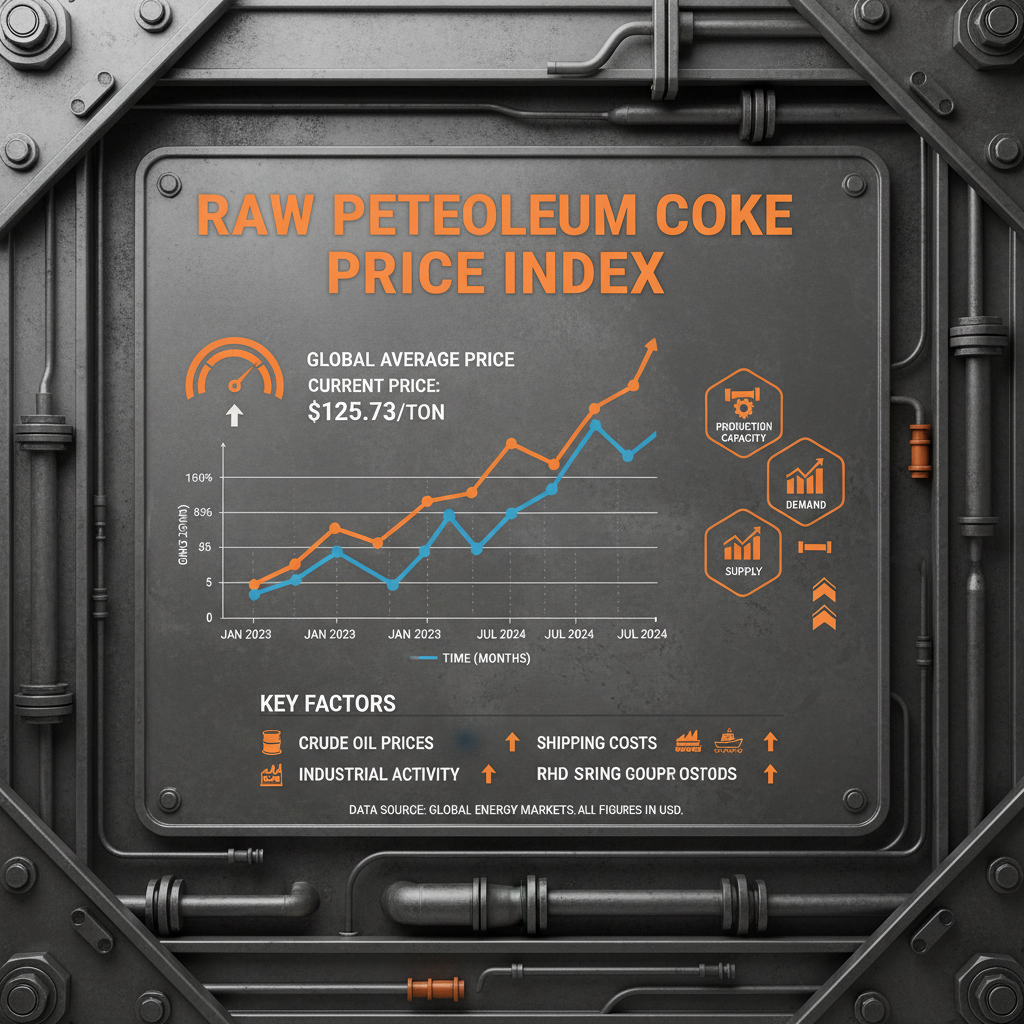
Globally, the demand for refined carbon has surged as the aerospace, automotive, and energy sectors seek materials with extreme thermal stability and electrical conductivity. The efficiency of petroleum coking directly influences the cost-effectiveness of downstream products like graphite blocks and crucibles, making it a cornerstone of the non-metallic mineral industry. As global supply chains evolve, the ability to optimize coking yields and purity has become a competitive differentiator for manufacturers.
However, the industry faces a dual challenge: meeting the rigorous purity standards required for modern semiconductors and batteries while adhering to increasingly strict environmental regulations. The transition toward "green carbon" requires a deep dive into how we handle the thermal decomposition of hydrocarbons. By exploring the mechanisms of this process, stakeholders can unlock higher value-added applications while reducing the ecological footprint of carbon production.
The Industrial Significance of Petroleum Coking
At its core, petroleum coking is the process of thermal cracking where heavy petroleum residues are transformed into a solid, carbon-rich material known as petroleum coke. This material is indispensable for the production of graphite electrodes and other carbon-based products used in electric arc furnaces. Without this process, the aluminum and steel industries would lack the necessary conductive materials to maintain high-temperature melts.
Beyond heavy industry, the strategic importance of this process extends to the production of high-purity synthetic graphite. By controlling the coking environment, manufacturers can create "needle coke," a specialized form of carbon with a highly oriented crystalline structure. This structure is vital for the stability of high-voltage electrodes and the longevity of industrial graphite components, ensuring that the resulting products can withstand extreme thermal shock.
Chemical Fundamentals and Process Mechanisms
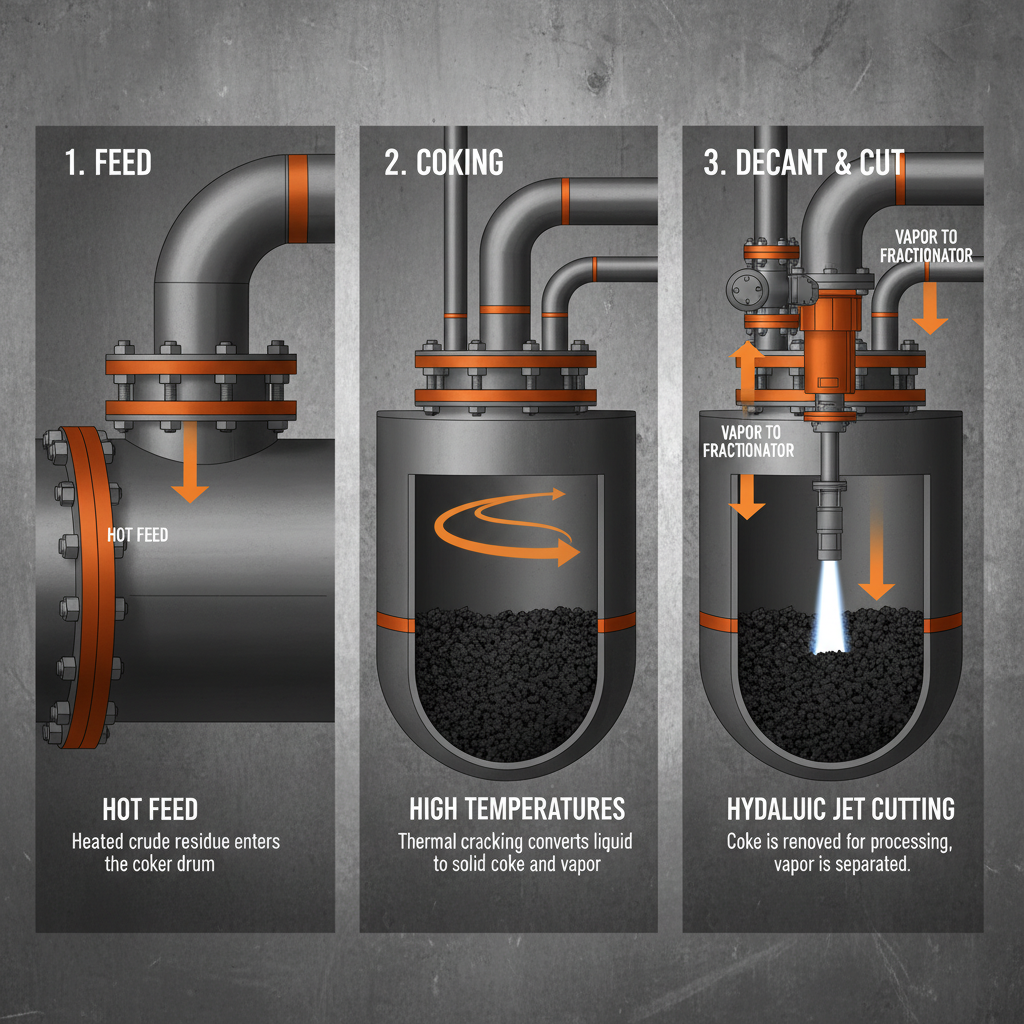
The chemistry of petroleum coking involves the vaporization of lighter components and the polymerization of heavier aromatic hydrocarbons. This occurs within a coker unit where heat is applied to the feedstock, causing the molecules to coalesce into larger, more complex structures. The result is a solid mass of carbon that retains the molecular fingerprints of the original oil source.
There are typically two primary methods used in the industry: delayed coking and fluid coking. Delayed coking allows the feedstock to heat up as it flows toward the coke drums, ensuring that the cracking occurs precisely where the carbon will be deposited. This method is favored for its ability to produce a consistent, high-density coke that is ideal for subsequent graphitization processes.
The transition from a liquid residue to a solid carbon matrix is a delicate balance of temperature and pressure. If the temperature is too low, the carbonization is incomplete, leading to high volatile matter. Conversely, excessive heat can cause structural defects in the carbon lattice, which negatively impacts the electrical conductivity of the final graphite electrode or block.
Key Factors Influencing Coke Quality
The purity of the feed material is the first critical factor in petroleum coking. Impurities such as sulfur, vanadium, and nickel can introduce structural weaknesses and contaminate the final graphite product. For manufacturers of high-end graphite tubes or rods, using low-sulfur feedstock is non-negotiable to ensure the purity of the final carbon matrix.
Thermal gradients during the coking process play a decisive role in determining the morphology of the coke. A controlled, steady increase in temperature encourages the formation of larger, more uniform crystals. This "grain growth" is what allows petroleum coking outputs to be transformed into high-strength carbon blocks that can withstand thousands of degrees Celsius.
Finally, the cooling and crushing phase determines the particle size distribution of the resulting coke. For applications like electrode paste or graphite powder, a precise mesh size is required. Proper handling ensures that the structural integrity of the carbon flakes is preserved, which is essential for achieving the desired density during the pressing and baking stages.
Comparative Efficiency of Coking Methods
When analyzing the efficiency of petroleum coking, it is essential to compare the yield and purity of different operational modes. Delayed coking generally offers a more stable product suitable for high-end graphite electrodes, whereas fluid coking provides higher throughput for fuel-grade coke. The choice depends entirely on whether the end goal is industrial grade or specialty grade carbon.
Moreover, the energy intensity of these processes varies significantly. Modern refineries are integrating heat recovery systems to lower the carbon footprint of the coking cycle. By optimizing the thermal loop, producers can increase the quality of the carbon while reducing the overall cost of production, enhancing the commercial viability of the resulting petroleum coke.
Efficiency Rating of Various Petroleum Coking Approaches
Global Applications in Graphite Manufacturing
The products derived from petroleum coking are the lifeblood of the graphite manufacturing sector. For instance, in the production of Graphite Plates and Graphite Tubes, the purity of the precursor coke determines the final material's resistance to oxidation. These components are widely used in semiconductor manufacturing and high-temperature chemical reactors across Europe and North America.
In emerging industrial zones in Asia, there is a growing reliance on high-quality petroleum coke for the fabrication of Graphite Crucibles and Graphite Powder. These materials are essential for the smelting of precious metals and the production of advanced ceramics. The ability to source consistent coking materials allows these regions to scale their industrial output without compromising on the structural integrity of their equipment.
Long-term Value and Economic Impact
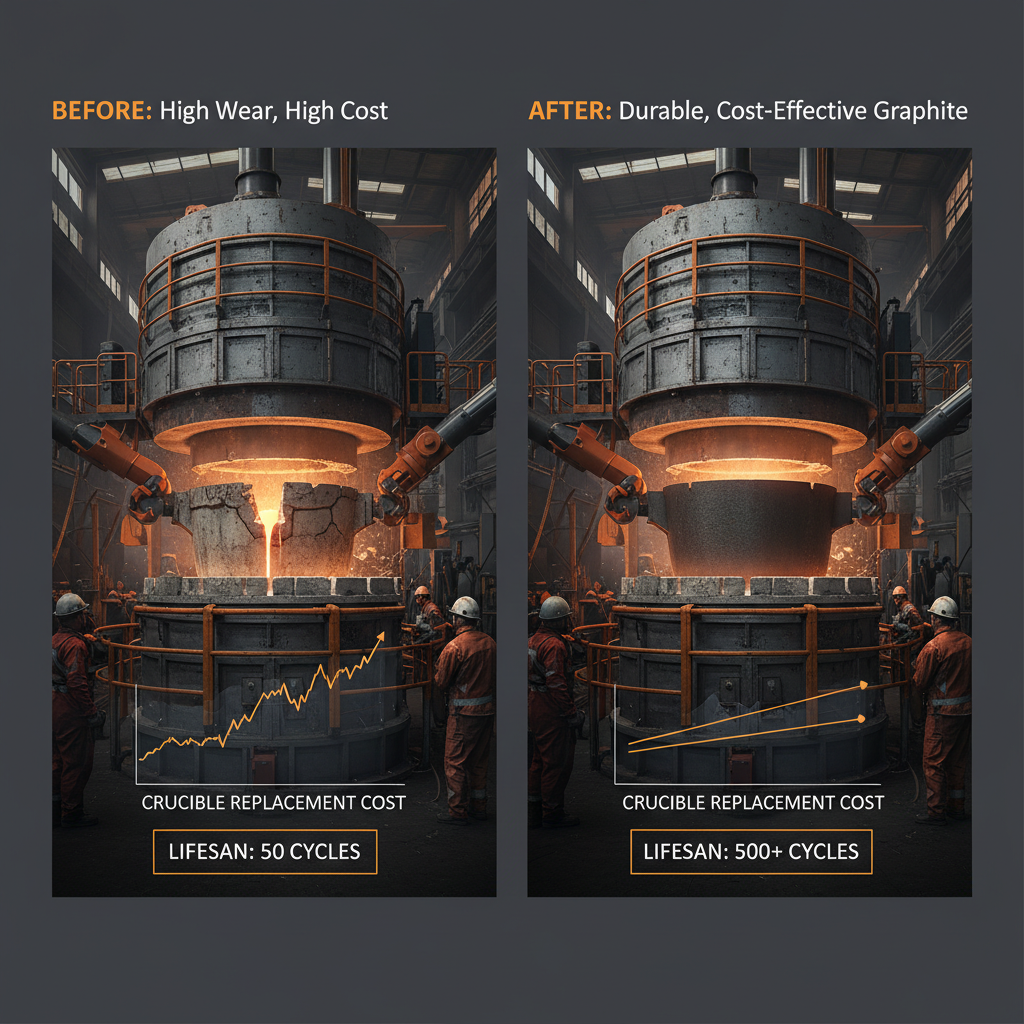
Investing in superior petroleum coking processes yields tangible long-term benefits in terms of product lifespan. High-density carbon products, such as Graphite Rods and Electrodes, experience significantly less wear and tear when produced from high-grade needle coke. This reduces the frequency of replacements in industrial furnaces, leading to substantial operational cost savings for smelting companies.
From a sustainability perspective, the ability to refine petroleum residues into valuable carbon products prevents these heavy oils from becoming waste. By transforming a refinery byproduct into a high-value industrial asset, the coking process embodies the principles of a circular economy. This transition not only enhances the profitability of refineries but also ensures a stable supply of raw materials for the carbon industry.
Ultimately, the economic value of this process is tied to innovation. As we move toward more efficient energy storage solutions, the demand for high-purity carbon derived from specialized coking will only increase. The reliability and trust associated with high-purity carbon sources are what drive the growth of the global non-metallic mineral market.
Future Trends and Sustainable Innovations
The future of petroleum coking is being shaped by the drive toward decarbonization. We are seeing a shift toward "low-emission coking," where advanced filtration and carbon capture technologies are integrated into the coker units. This ensures that the production of essential graphite materials does not come at the cost of environmental degradation.
Digital transformation is also playing a key role. The implementation of AI-driven process control allows refineries to monitor the thermal decomposition of hydrocarbons in real-time. By adjusting temperatures and flow rates dynamically, manufacturers can achieve a level of precision in their petroleum coking that was previously impossible, resulting in ultra-pure carbon for next-generation batteries.
Furthermore, the exploration of bio-based feedstocks is beginning to intersect with traditional coking methods. The goal is to create "bio-coke" that mimics the properties of petroleum coke while utilizing renewable resources. This hybrid approach represents the next frontier in the manufacturing of carbon products, ensuring that the industry remains resilient in a net-zero world.
Analysis of Petroleum Coking Feedstocks and Output Quality
| Feedstock Type |
Processing Method |
Purity Grade |
Primary Application |
| Heavy Vacuum Gas Oil |
Delayed Coking |
High (9/10) |
Needle Coke/Electrodes |
| Atmospheric Residue |
Fluid Coking |
Medium (6/10) |
Fuel Grade Coke |
| Decant Oil |
Thermal Cracking |
Low (4/10) |
General Industrial Fuel |
| Low-Sulfur Residue |
Vacuum Coking |
Very High (10/10) |
Specialty Graphite Plates |
| Mixed Heavy Oils |
Hydro-Coking |
Medium-High (7/10) |
Graphite Powder |
| Synthetic Residue |
Precision Coking |
High (8/10) |
Graphite Crucibles |
FAQS
Needle coke is a high-value product of petroleum coking characterized by a needle-like crystalline structure, making it ideal for graphite electrodes due to its high conductivity and strength. Fuel-grade coke, on the other hand, is more isotropic and is primarily used as a heating fuel in industrial boilers or as a reducing agent in smelting, as it lacks the structural orientation required for high-performance graphite products.
Sulfur acts as an impurity that can disrupt the formation of the carbon lattice during petroleum coking. High sulfur levels lead to a more porous and weaker coke structure, which reduces the electrical conductivity and thermal stability of the resulting graphite blocks. Therefore, removing sulfur from the feedstock is a critical step for producing electronics-grade carbon materials.
Traditionally, it is energy-intensive and produces emissions. However, modern petroleum coking plants are implementing carbon capture, waste-heat recovery, and closed-loop water systems to minimize their footprint. By turning refinery waste into essential industrial materials, the process contributes to resource efficiency, though the industry is still moving toward greener, bio-based alternatives.
Delayed coking is generally considered the gold standard for electrode production. This is because it allows for a more controlled thermal decomposition of the heavy oil, which promotes the growth of the large, oriented crystals needed for needle coke. This structural integrity is what allows electrodes to maintain their shape and conductivity under the extreme heat of an electric arc furnace.
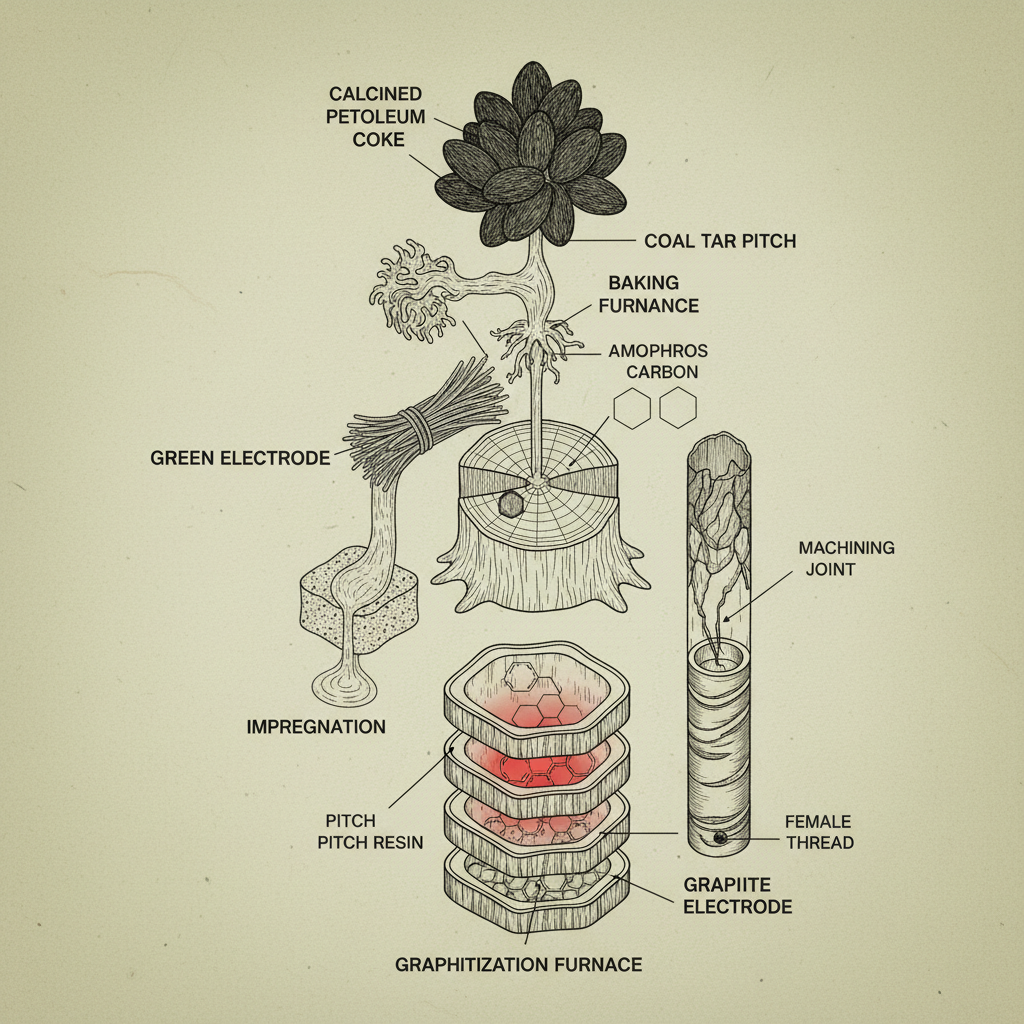
Yes, through a process called graphitization, the carbon produced via petroleum coking is heated to extreme temperatures (up to 3000°C), causing it to rearrange into a graphite structure. Synthetic graphite produced this way is often purer and more consistent than natural graphite, making it the preferred choice for critical industrial applications like semiconductor crucibles.
Density is controlled by manipulating the pressure and temperature gradients within the coker. Higher pressures and a slower, more consistent heating rate typically result in a denser carbon matrix. Post-coking processes, such as calcination and high-pressure pressing, further refine the density to meet the specifications required for graphite plates or rods.
Conclusion
In summary, petroleum coking is far more than a refinery byproduct process; it is the foundational technology that enables the production of high-performance carbon and graphite materials. From the critical role of needle coke in aluminum production to the precision of synthetic graphite in semiconductors, the quality of the coking process dictates the capabilities of modern industrial infrastructure. By focusing on feedstock purity and thermal precision, manufacturers can ensure the longevity and efficiency of their carbon products.
Looking forward, the integration of AI-driven process controls and a shift toward sustainable feedstocks will redefine the industry. The move toward "green carbon" is not just an environmental imperative but a commercial opportunity to lead the next generation of material science. For those seeking to optimize their supply chain with high-quality carbon solutions, understanding these technical nuances is the first step toward operational excellence. Visit our website: www.nlgraphite.com