In the complex landscape of carbon-based materials, raw pet coke stands as a fundamental pillar for heavy industry, serving as the essential precursor for high-performance graphite products. As a byproduct of the oil refining process, this carbon-rich material is not merely an industrial leftover but a critical resource that fuels the production of everything from aluminum smelters to high-precision graphite electrodes. Understanding its properties is key to optimizing the efficiency of modern metallurgical and chemical processes.
The global demand for raw pet coke has seen a steady increase as emerging economies expand their infrastructure and energy capacities. From a commercial perspective, the quality of the feedstock—specifically its sulfur and vanadium content—directly determines the grade of the resulting carbon products. This creates a high-stakes environment where sourcing the right grade of petroleum coke can mean the difference between a fragile graphite block and one that withstands extreme thermal shock.
For professionals in the non-metallic mineral sector, mastering the application of raw pet coke is about balancing cost-efficiency with material purity. By leveraging the unique crystalline structure of processed pet coke, manufacturers can engineer materials with superior electrical conductivity and thermal stability. This guide explores the industrial journey of this material, from its raw state to its transformation into high-value carbon solutions.
Global Industrial Relevance of Raw Pet Coke
On a global scale, raw pet coke is an indispensable commodity that supports the backbone of the aluminum and steel industries. According to industry benchmarks and ISO standards for carbon materials, the ability to maintain a consistent supply of high-carbon feedstock is vital for stabilizing the production of anode grades. Without this material, the electrochemical process of aluminum smelting would be economically unviable, affecting everything from aerospace engineering to automotive manufacturing.
The primary challenge facing the industry today is the volatility of the supply chain and the varying purity levels of delayed coking processes. As refineries evolve, the chemical signature of the resulting coke changes, forcing manufacturers to adapt their calcination and milling processes. This necessitates a deep understanding of the material's behavior under extreme heat, ensuring that the transition from raw feedstock to a finished graphite electrode remains seamless and efficient.
Technical Definition and Material Composition
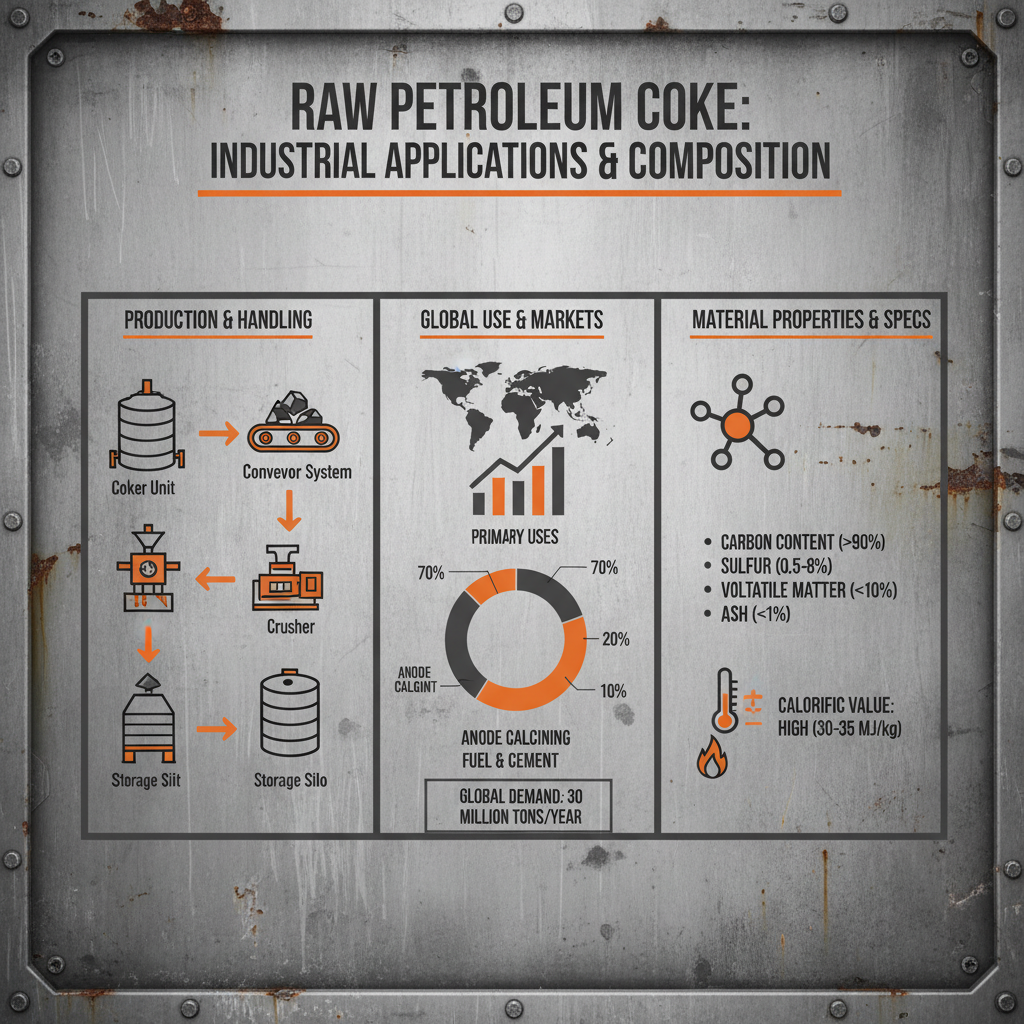
In simple terms, raw pet coke (petroleum coke) is a carbon-rich solid material derived from the vacuum distillation of heavy petroleum residues. It is the final stage of the refining process, consisting primarily of aromatic hydrocarbons that have been thermally cracked. Unlike coal-based coke, petroleum coke offers a higher carbon density and a more uniform structure, which is why it is the preferred choice for producing high-grade carbon anodes.
Beyond its chemical definition, this material serves a humanitarian and societal need by enabling the mass production of lightweight metals. The energy efficiency provided by high-quality carbon anodes, derived from refined pet coke, reduces the overall carbon footprint of smelting operations compared to older, less efficient methods. This intersection of chemical engineering and industrial utility makes it a cornerstone of modern material science.
The composition of the material is typically categorized into "Green Coke" (raw) and "Calcined Coke" (heat-treated). The raw state contains volatile organic compounds that must be removed to create a stable, non-porous structure. For manufacturers of Graphite Powder and Electrode Paste, the starting point—the raw pet coke—must be meticulously screened for impurities to avoid contaminating the final high-purity graphite products.
Core Factors Influencing Material Quality
When evaluating raw pet coke, the first critical factor is Chemical Purity. The concentration of sulfur and metals such as vanadium and nickel can severely impact the electrical conductivity of the final product. In the production of Graphite Rods or Tubes, even a fraction of a percent of impurity can lead to structural weaknesses or premature oxidation during high-temperature operations.
Another essential aspect is Physical Morphology. The shape and size of the coke particles (the "needle" vs. "shot" coke structure) determine the scalability of the manufacturing process. Needle coke, derived from specific raw pet coke feedstocks, is prized for its anisotropic properties, which allow for the creation of ultra-high-power graphite electrodes that can withstand the massive electrical currents of electric arc furnaces.
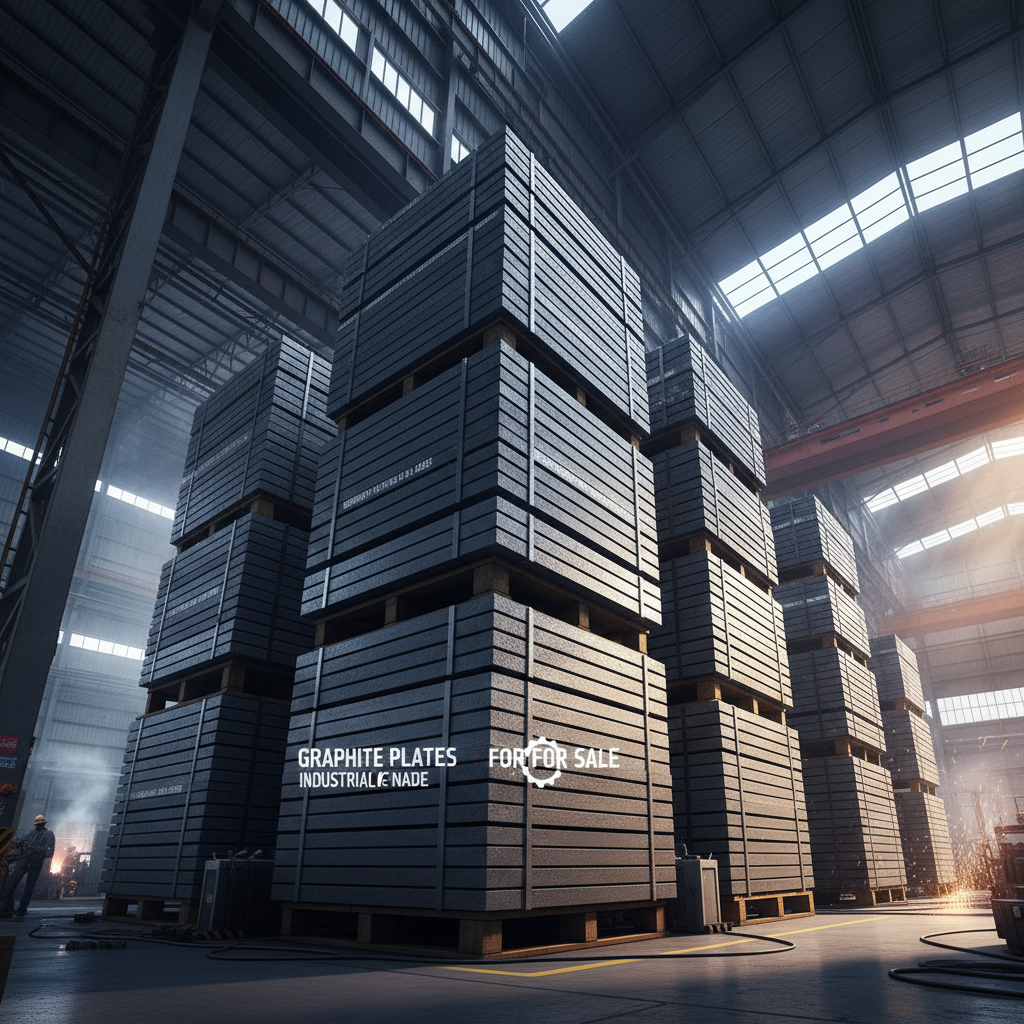
Finally, Cost Efficiency and Sourcing play a pivotal role. Because raw pet coke is a refinery byproduct, its availability is tied to global oil refining trends. Companies that can optimize their blend of raw materials to achieve a target purity while minimizing costs gain a significant competitive edge in the production of Graphite Plates and Crucibles.
Performance Metrics in Industrial Applications
The practical application of raw pet coke is measured by its ability to transform into a dense, conductive carbon mass. In the production of Carburizing Agents, the reactivity of the carbon is the primary metric. A high-quality raw feedstock ensures that the carbon integrates efficiently into the molten metal, enhancing the hardness and durability of the final steel alloy.
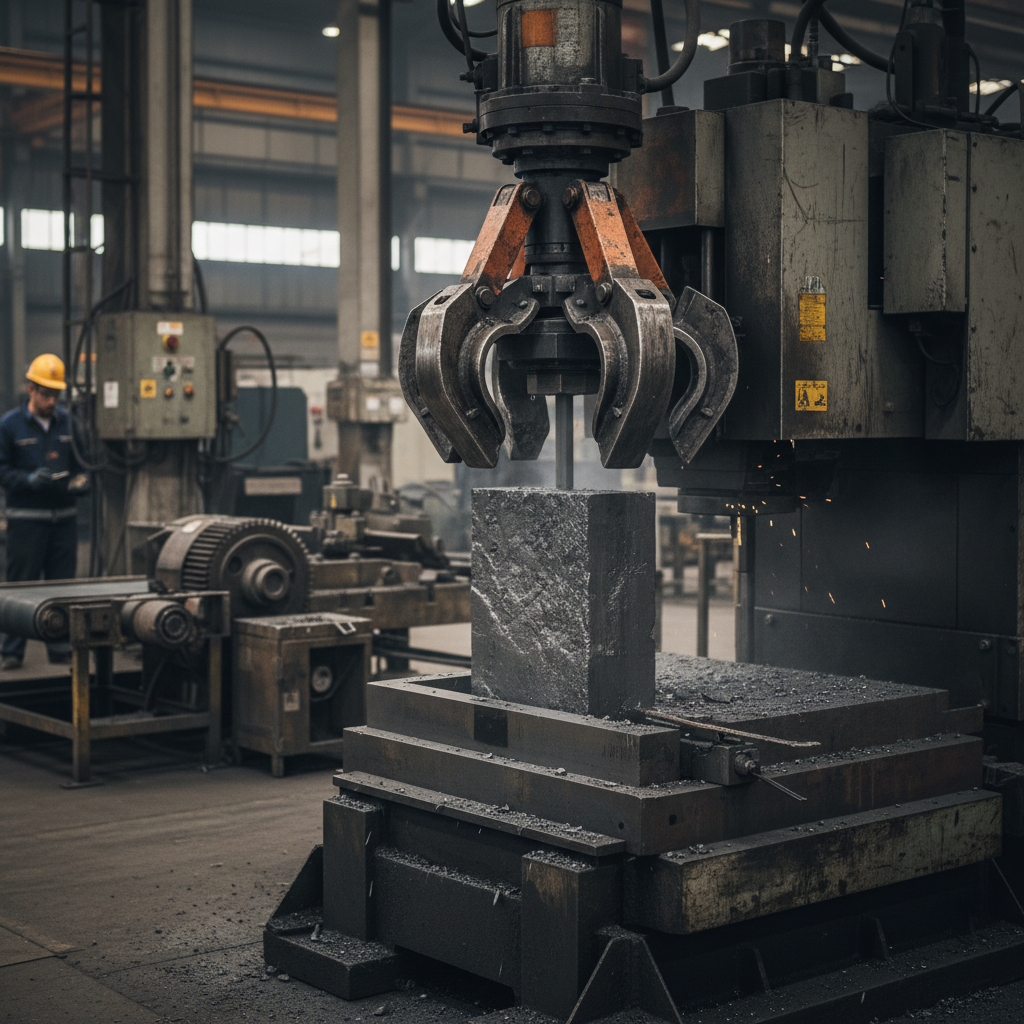
From a technical standpoint, the transition from raw material to a finished Graphite Block involves a rigorous cycle of mixing, molding, and baking. The stability of the raw pet coke during the initial green-body phase prevents cracking and ensures a uniform density across the entire component, which is vital for components used in semiconductor manufacturing or vacuum furnaces.
Comparative Efficiency of Raw Pet Coke Feedstock Grades
Global Use Cases and Regional Demand
The application of raw pet coke varies significantly across different industrial zones. In North America and the Middle East, where refining capacity is vast, the focus is often on the large-scale export of anode-grade coke to smelting hubs in Asia. These regions leverage their infrastructure to produce the high-volume raw materials needed for Graphite Electrode production.
In more specialized industrial contexts, such as the manufacture of Graphite Paper or precision Graphite Plates in Europe, the emphasis shifts toward ultra-pure raw pet coke. Here, the material is used in high-tech applications, including the production of carbon-carbon composites for the aerospace industry and high-frequency electrical components, where purity is non-negotiable for safety and reliability.
Long-Term Value and Economic Advantages
Investing in high-quality raw pet coke provides a tangible long-term advantage in terms of operational reliability. When a manufacturer uses a superior feedstock, the resulting graphite products exhibit lower oxidation rates and higher mechanical strength. This reduces the frequency of replacement parts in industrial furnaces, leading to lower downtime and significantly reduced maintenance costs.
From an emotional and trust-based angle, consistency in raw materials builds brand reputation. In the B2B sector, a supplier that can guarantee the chemical consistency of their petroleum coke creates a foundation of trust with their clients. This reliability is essential when producing critical components like Graphite Crucibles, where a single material flaw could lead to catastrophic failure in a laboratory or factory setting.
Furthermore, the logical economic value lies in the ability to "upcycle" a refinery byproduct into a high-value engineering material. By transforming raw pet coke into specialized Graphite Powder or electrodes, companies shift from a commodity-based business model to a value-added engineering model, significantly increasing profit margins while supporting global industrialization.
Future Innovations and Sustainability Trends
The future of raw pet coke is being reshaped by the drive toward "Green Carbon." Innovations in calcination technology are focusing on reducing the CO2 emissions associated with the heat treatment of raw coke. Digital transformation, including AI-driven sorting and chemical analysis, is now allowing manufacturers to blend different grades of pet coke with precision, ensuring optimal performance while reducing waste.
Automation in the milling and mixing stages is also streamlining the path from raw pet coke to finished products. By integrating IoT sensors in the production line, manufacturers can monitor the purity and particle size distribution in real-time, ensuring that the final Graphite Rods or Tubes meet the most stringent international standards for conductivity and thermal resistance.
As the world moves toward a hydrogen economy and electric vehicles, the demand for high-purity graphite for batteries and charging infrastructure will grow. This will push the industry to develop even more refined versions of raw pet coke, potentially integrating bio-based carbon additives to create hybrid materials that are both high-performing and environmentally sustainable.
Analysis of Raw Pet Coke Grades and Their Industrial Suitability
| Coke Grade Type |
Purity Level (Carbon %) |
Primary Application |
Industrial Rating |
| Premium Needle Coke |
99.9% |
UHP Graphite Electrodes |
10/10 |
| Anode Grade A |
98.5% |
Aluminum Smelting Anodes |
9/10 |
| Standard Anode Grade |
97.0% |
Graphite Blocks & Plates |
7/10 |
| Fuel Grade Coke |
92.0% |
Industrial Cement Kilns |
5/10 |
| Calcined Pet Coke |
98.0% |
Electrode Paste/Powders |
8/10 |
| Mixed Refinery Coke |
90.0% |
General Carburizing Agents |
6/10 |
FAQS
Raw pet coke (also known as green coke) is the product directly from the refinery's coking unit and contains volatile organic compounds. Calcined coke is raw pet coke that has been heated in a kiln to approximately 1300°C. This process removes volatiles, increases the density, and improves the electrical conductivity, making it suitable for high-performance graphite electrodes and anodes.
Sulfur is a critical impurity. High sulfur levels in raw pet coke can lead to increased emissions during the baking process and can cause structural instabilities in the final graphite product. For high-purity applications like Graphite Crucibles or semiconductor parts, low-sulfur "sweet" coke is required to ensure material integrity and chemical stability.
Yes, certain grades of raw pet coke are ideal for use as carburizing agents in the steel industry. Because of its high carbon content and consistent particle size, it provides a controlled addition of carbon to the melt, which is essential for achieving the desired hardness and wear resistance in specialized steel alloys.
Needle coke is derived from a very specific refining process and a limited set of feedstocks. It possesses a unique crystalline structure (anisotropy) that allows it to expand and align during graphitization. This makes it the only viable feedstock for Ultra-High Power (UHP) graphite electrodes used in the most demanding electric arc furnaces.
As a byproduct of oil refining, using pet coke is a form of industrial recycling that prevents waste. However, the calcination process is energy-intensive. The industry is currently moving toward "green" calcining technologies and carbon capture systems to reduce the environmental impact while continuing to leverage the material's essential industrial properties.
Raw pet coke should be stored in dry, well-ventilated areas to prevent moisture absorption and contamination. For high-purity grades, covered storage or silos are recommended to avoid wind-blown impurities and environmental pollutants, which could compromise the chemical purity required for precision graphite manufacturing.
Conclusion
In summary, raw pet coke is far more than a refinery byproduct; it is the strategic foundation for the entire carbon and graphite industry. From the massive anodes of aluminum smelters to the precision-engineered components of semiconductor furnaces, the quality, purity, and morphology of this raw material dictate the performance and longevity of the final industrial product. By balancing chemical specifications with cost-effective sourcing, manufacturers can unlock the full potential of carbon-based materials.
Looking forward, the integration of sustainable processing and digital quality control will define the next generation of carbon production. As global industries pivot toward electrification and green energy, the demand for high-purity graphite derived from refined petroleum coke will only intensify. We encourage industry professionals to prioritize material purity and supplier consistency to ensure their operations remain competitive and resilient. For premium carbon solutions, visit our website: www.nlgraphite.com