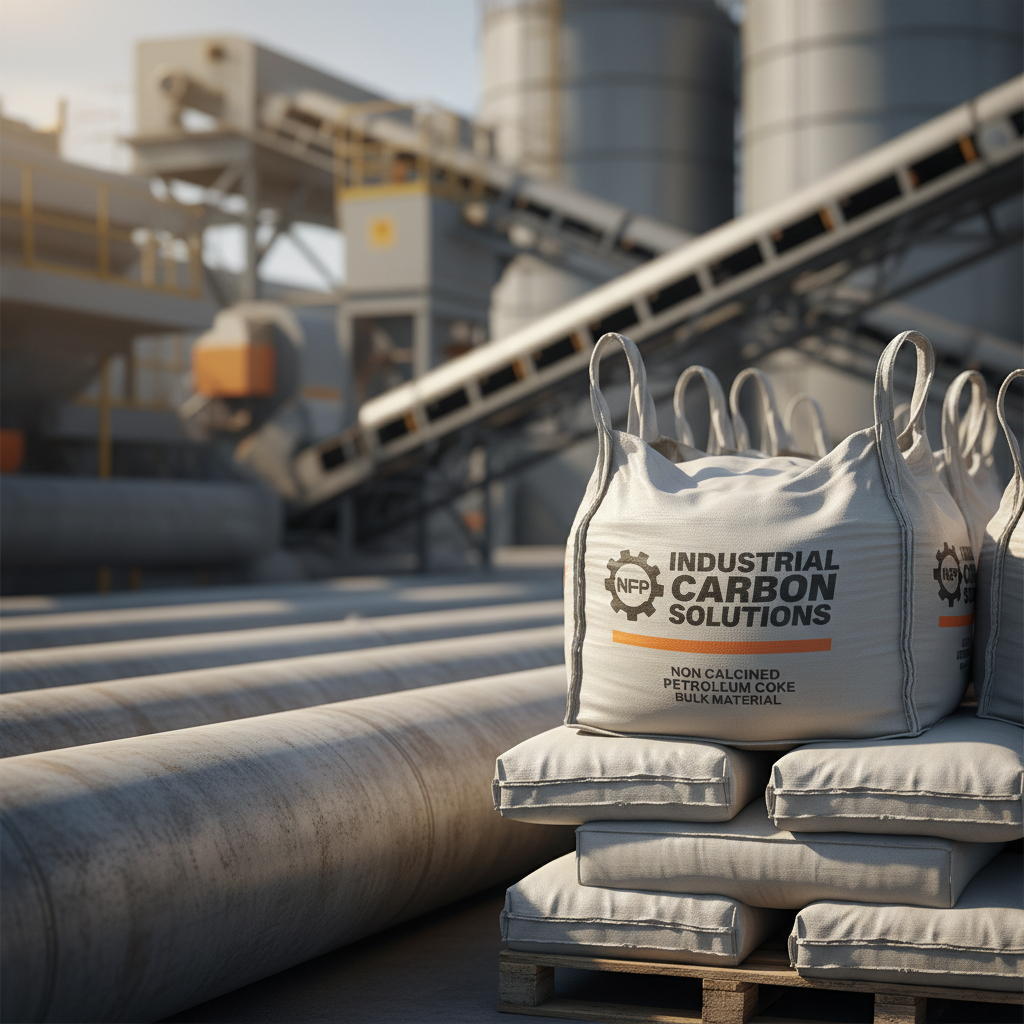
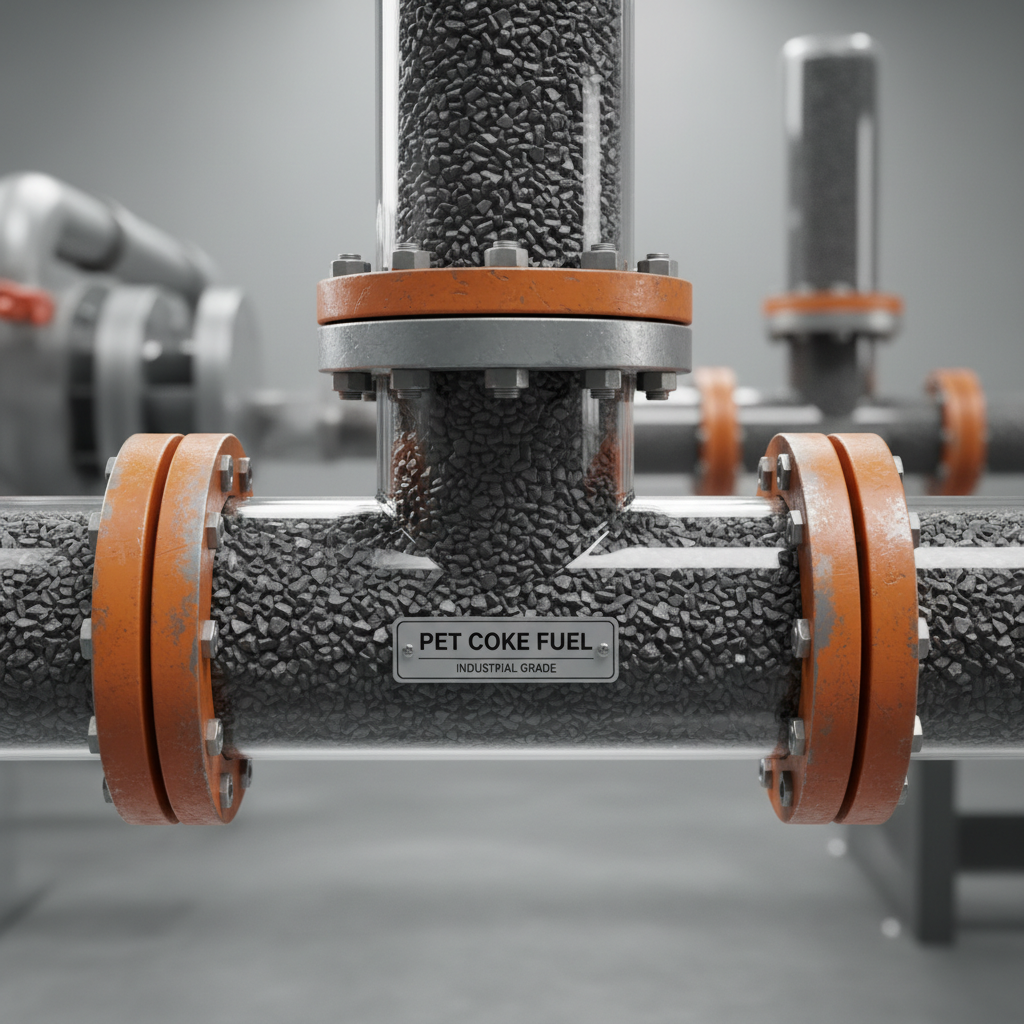
Non calcined petroleum coke – it’s not glamorous stuff, but it’s the backbone of a lot of what keeps modern industry humming. I spend a lot of time on construction sites and in foundries, and you quickly learn it's not just about fancy tech. It’s about the reliable, consistent materials that get the job done. This stuff is a key ingredient in aluminum production, steelmaking, and even the graphite electrodes used in electric arc furnaces. It’s a workhorse, plain and simple, and the demand globally is only going up.
We're seeing a real squeeze on resource availability these days, which impacts everything from material costs to project timelines. Non calcined petroleum coke offers a relatively cost-effective solution when you're trying to balance performance with budget, especially compared to some of the more specialized carbon materials. It's also a critical component in mitigating environmental impacts within the steel and aluminum industries.
What really matters to me, standing in the mud on a job site, is that a material performs as expected, time after time. Non calcined petroleum coke consistently delivers on that front. It may not be the most talked-about material, but it’s absolutely essential.
The Importance of Non Calcined Petroleum Coke
From my experience, one thing is clear: modern industrial processes rely heavily on consistent, high-quality raw materials. Non calcined petroleum coke is a prime example. It’s not a material you see in the finished product, but without it, a huge range of manufacturing processes would grind to a halt. The sheer volume consumed by the aluminum and steel industries alone is staggering.
It’s about more than just volume, though. The consistency of the material – its purity, particle size, and reactivity – directly impacts the efficiency and quality of the final product. I've seen firsthand how variations in coke quality can lead to production slowdowns and increased costs. That's why sourcing from reliable suppliers is paramount.
Global Relevance and Market Dynamics
The demand for non calcined petroleum coke is inextricably linked to global economic growth, particularly in developing nations rapidly expanding their infrastructure. According to the World Steel Association, steel demand is projected to continue growing, especially in Asia. That translates directly into increased demand for coke as a crucial component in steel production.
We’re also seeing shifts in supply chains, driven by geopolitical factors and a growing focus on sustainability. Companies are increasingly looking for suppliers who can demonstrate responsible sourcing practices and minimize environmental impact. That’s a challenge, but it’s also an opportunity to innovate and improve the industry.
The UN reports a rising need for sustainable industrial processes. Using non calcined petroleum coke effectively and reducing waste is therefore becoming a key focus. Price volatility is another major factor. The market is sensitive to fluctuations in crude oil prices and shipping costs, so managing risk and securing long-term supply agreements are critical.
Defining Non Calcined Petroleum Coke
Simply put, non calcined petroleum coke is a carbon-rich material derived from the refining of crude oil. It's a byproduct of the coking process, where heavy residual oils are heated to high temperatures to produce coke. Unlike calcined petroleum coke, it hasn’t undergone further heat treatment to remove volatile compounds.
The key difference between calcined and non-calcined coke lies in its purity and reactivity. Non-calcined coke typically has a higher volatile matter content, making it more reactive in certain applications. This characteristic makes it preferable in applications where quick carbonization or a specific chemical reaction is required. It's the raw material that’s then often processed for various industrial uses.
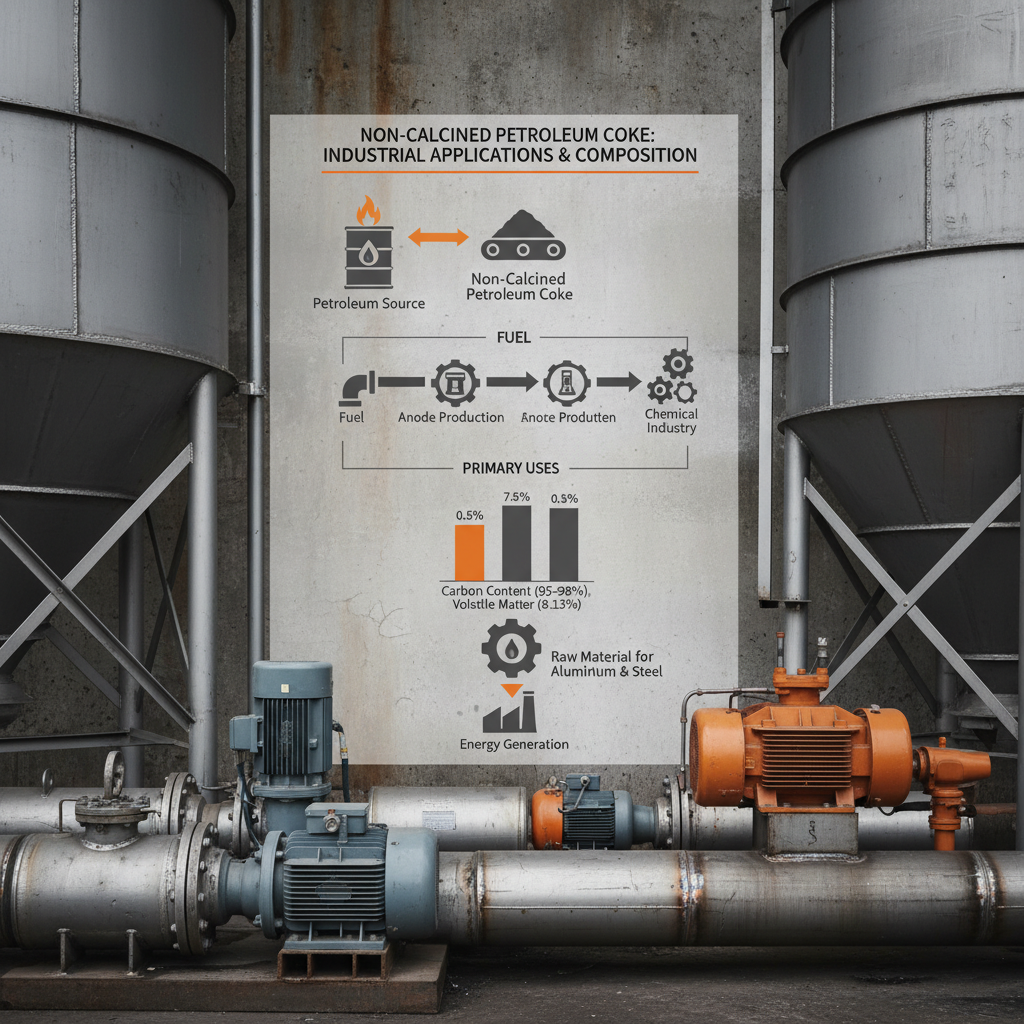
Its connection to modern industry is profound. It’s the essential carbon source for producing aluminum, a material we rely on in everything from transportation to packaging. It's also vital in steelmaking, where it acts as a reducing agent to remove oxygen from iron ore. Without it, modern production rates simply wouldn’t be possible.
Key Characteristics of Non Calcined Petroleum Coke
Durability is often overlooked, but it's important. Non calcined petroleum coke, when handled properly, can withstand the harsh conditions of industrial processing, making it a reliable input for critical operations.
Reactivity is a crucial factor. The uncalcined nature means it’s more readily reactive, making it ideal for processes where rapid carbonization or specific chemical reactions are desired. This allows for greater control and efficiency in various applications.
Key Characteristics of Non Calcined Petroleum Coke
Diverse Applications Across Industries
As I mentioned, aluminum production is a major consumer. The coke acts as a reducing agent in the Hall-Héroult process, converting alumina into aluminum. It's used on a massive scale in countries like China, India, and the Middle East.
Steelmaking is another huge application. It provides the carbon necessary for the reduction of iron ore to metallic iron. I’ve seen this process up close in several steel mills, and the consistency of the coke is absolutely critical for maintaining production efficiency.
Advantages and Long-Term Value Proposition
From a cost perspective, non calcined petroleum coke is often more economical than alternative carbon sources. This allows manufacturers to maintain profitability without compromising on quality. That’s a big deal, especially in competitive markets.
Sustainability is increasingly important, and while petroleum coke isn’t a “green” material in the traditional sense, its efficient use can contribute to reducing overall carbon emissions in industrial processes. Proper handling and waste management are essential, of course. The reliability of supply also builds trust with downstream customers, ensuring continuous production.
Future Trends and Technological Advancements
We're starting to see research into ways to utilize lower-grade petroleum coke more effectively, through pre-treatment and blending with other carbon materials. This could unlock new sources of supply and reduce reliance on high-quality coke.
Digitalization and automation are also playing a role. Real-time monitoring of coke quality during processing allows for tighter control and optimization of production parameters. This leads to increased efficiency and reduced waste.
The push for green energy is driving innovation in aluminum production, with some companies exploring alternative smelting technologies that may reduce the reliance on petroleum coke. But for the foreseeable future, it will remain a critical material.
Challenges and Solutions Related to Non Calcined Petroleum Coke
| Challenge |
Impact on Operations |
Potential Solution |
Implementation Cost (1-10) |
| Sulfur Content Variability |
Reduced efficiency in aluminum smelting. |
Advanced pre-treatment processes to reduce sulfur levels. |
7 |
| Supply Chain Disruptions |
Production delays and increased costs. |
Diversifying suppliers and establishing long-term contracts. |
6 |
| Dust Control and Handling |
Health and safety concerns for workers. |
Implementing closed handling systems and dust suppression technologies. |
8 |
| Inconsistent Particle Size |
Uneven reaction rates in smelting. |
Implementing precise screening and classification processes. |
5 |
| Environmental Regulations |
Increased compliance costs and potential fines. |
Investing in cleaner production technologies and waste management practices. |
9 |
| Moisture Content |
Handling issues, impacts reaction. |
Covered storage and drying process. |
4 |
FAQS
The biggest difference is the level of processing. Non-calcined coke hasn’t been heated to a high temperature in the absence of oxygen, leaving it with a higher volatile matter content. This makes it more reactive, ideal for certain applications like aluminum production. Calcined coke has been heat-treated, reducing volatiles and increasing its strength and electrical conductivity, making it suitable for steelmaking and graphite electrode production. It’s about matching the material properties to the specific process requirements.
Sulfur content is a key concern. Higher sulfur levels can negatively impact efficiency in aluminum smelting and contribute to environmental emissions. Suppliers typically offer coke with varying sulfur contents, and some processes can tolerate higher levels than others. Pre-treatment methods are also used to reduce sulfur levels when necessary. It’s a balancing act between cost and performance.
Non calcined petroleum coke is susceptible to moisture absorption and oxidation, so proper storage is crucial. It should be stored in covered areas with good ventilation to prevent the buildup of flammable gases. Protecting it from rain and exposure to the elements is essential to maintain its quality and reactivity. We usually recommend dry, enclosed silos or warehouses.
Generally, non calcined petroleum coke is a cost-effective carbon source compared to alternatives like anthracite coal or graphite electrodes. However, pricing fluctuates based on crude oil prices, supply and demand, and transportation costs. It’s important to consider the total cost of ownership, including handling, storage, and processing, when making a purchasing decision.
Dust control is a major safety concern, as coke dust can be flammable and a respiratory irritant. Workers should wear appropriate personal protective equipment (PPE), including respirators, gloves, and eye protection. Proper ventilation is also essential. Following established safety protocols and conducting regular training are crucial for preventing accidents.
It's a complex question. As a byproduct of oil refining, it’s arguably a more efficient use of a resource than simply discarding it. However, its combustion can release greenhouse gases and other pollutants. Responsible sourcing, efficient utilization, and proper waste management are key to minimizing its environmental impact. Ongoing research is also exploring ways to utilize coke in more sustainable ways.
Conclusion
Non calcined petroleum coke is a foundational material in numerous industries, offering a balance of cost-effectiveness, reactivity, and reliability. Its continued importance is driven by global economic growth and its essential role in the production of key materials like aluminum and steel. Understanding its characteristics, applications, and challenges is crucial for professionals across these sectors.
Looking ahead, innovation in processing, storage, and utilization will be key to maximizing the value of this resource while minimizing its environmental footprint. I encourage anyone involved in these industries to stay informed about the latest advancements and best practices. To learn more about our commitment to quality and sustainable supply, visit our website: www.nlgraphite.com