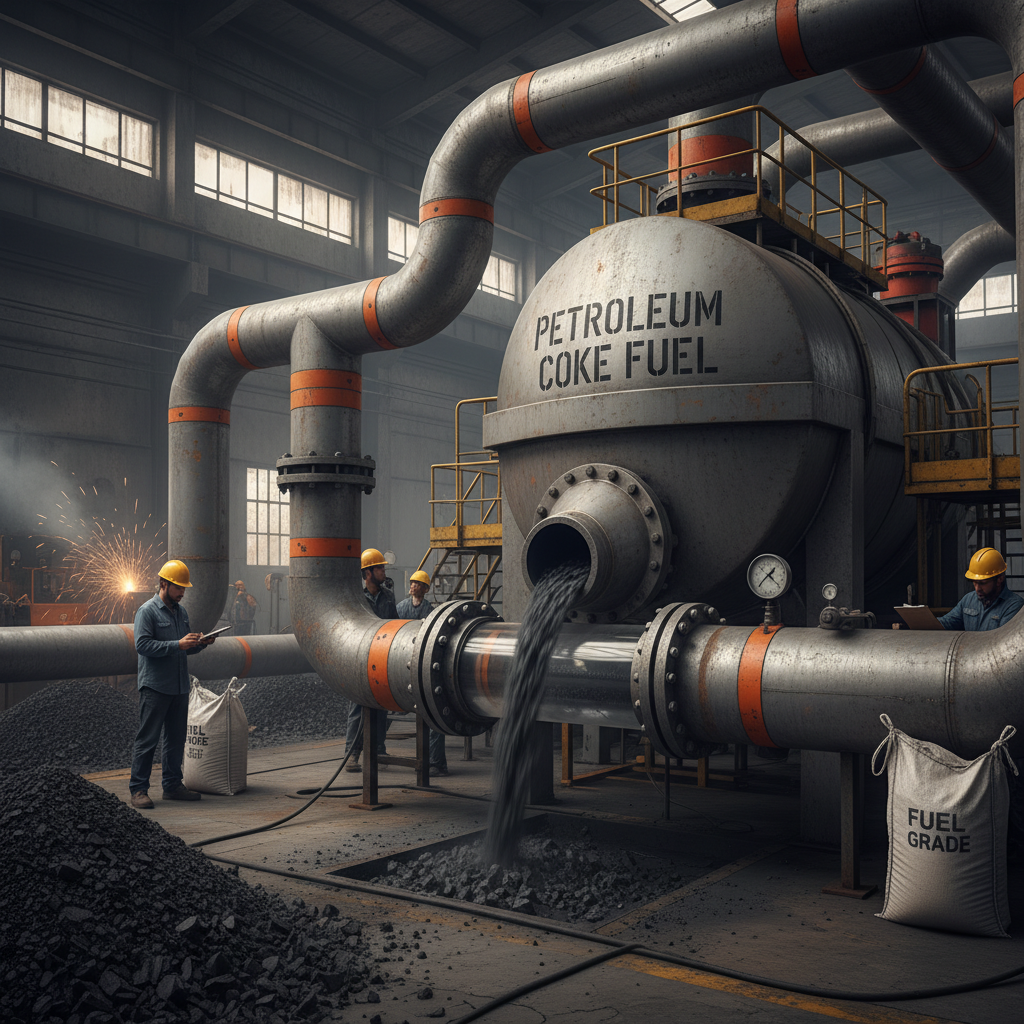
Petroleum coke fuel, often just called “pet coke,” isn’t a glamorous topic, but it’s a critical one. It’s the byproduct of refining crude oil into gasoline and other fuels, and for years it was often seen as a waste product. But it’s become a vital energy source, particularly in industries like cement production and power generation. Knowing where it comes from, what it’s used for, and the challenges surrounding it is important because it impacts everything from global energy markets to local air quality. We're dealing with a material that’s surprisingly versatile and increasingly in demand, making a solid understanding of its properties and applications crucial for engineers, plant operators, and anyone involved in heavy industry.
The sheer volume of pet coke produced globally is staggering. In 2023, global petroleum coke production exceeded 200 million metric tons – a figure that continues to climb alongside global oil refining capacity. This isn’t a niche fuel; it's a substantial part of the energy landscape. The demand stems from its high BTU content and relatively low cost compared to other fossil fuels like coal. However, its use isn’t without controversy. Concerns about emissions, particularly sulfur dioxide, have led to stricter regulations and a push for cleaner handling and combustion technologies. Understanding these regulatory pressures and how to mitigate them is absolutely key for anyone working with this material.
Simply put, petroleum coke fuel is a carbon-rich solid derived from the refining of crude oil. It’s basically what's left after you’ve squeezed out all the gasoline, diesel, and other valuable fuels. Unlike coal, pet coke has a very low ash content, making it a more efficient fuel in certain applications. This efficiency, coupled with its energy density, is why it’s become a staple in cement kilns – the high temperatures needed to make cement require a powerful and consistent heat source. It’s also used in power plants, especially in countries where coal is becoming less favored due to environmental concerns. It’s a straightforward material, but its impact is anything but.
The Global Significance of Petroleum Coke Fuel
The global demand for energy is constantly increasing, and pet coke plays a surprisingly significant role in meeting that demand. According to the US Energy Information Administration (EIA), pet coke accounted for roughly 3% of total US industrial fuel consumption in 2022. While that might seem small, consider the scale of industrial fuel use overall – we’re talking about tens of millions of tons. Its accessibility, particularly in regions with large refining capacities like the US, China, and India, makes it a competitive fuel source. However, this accessibility also means increased scrutiny regarding its environmental impact and the need for responsible handling practices.
The geopolitical implications are also important. Global disruptions in energy markets can quickly impact pet coke pricing and availability. For example, changes in crude oil production, refining capacity, or trade policies can all ripple down and affect the cost of this byproduct fuel. Understanding these global connections is vital for companies relying on pet coke for their operations. It’s not just about the fuel itself; it’s about the entire supply chain and the factors that can influence it.
Defining Petroleum Coke Fuel
Petroleum coke isn't a refined fuel like gasoline or jet fuel; it’s a result of refining. During the cracking process, heavier hydrocarbon molecules are broken down into lighter, more valuable fuels. What remains – the solid carbon residue – is pet coke. There are two main types: green pet coke and calcined pet coke. Green pet coke comes straight from the cracking process and has a higher moisture content. Calcined pet coke, on the other hand, undergoes further heating to reduce moisture and sulfur content, making it a higher-grade fuel.
Think of it like charcoal – it’s a carbon-based material, but it’s not directly extracted from the ground. Its connection to modern industry is direct. The cement industry, in particular, relies heavily on pet coke to reach the extremely high temperatures needed to produce clinker, the primary component of cement. Without a reliable and cost-effective fuel source like pet coke, the production of cement – and therefore the construction of buildings and infrastructure – would be significantly more expensive and complex.
Essentially, pet coke transforms a waste product into a valuable energy resource, contributing to the efficiency of several critical industries. It is a key element in modernizing infrastructure and powering industrial processes, even if it's not a fuel most people think about on a daily basis.
Key Characteristics of Petroleum Coke Fuel
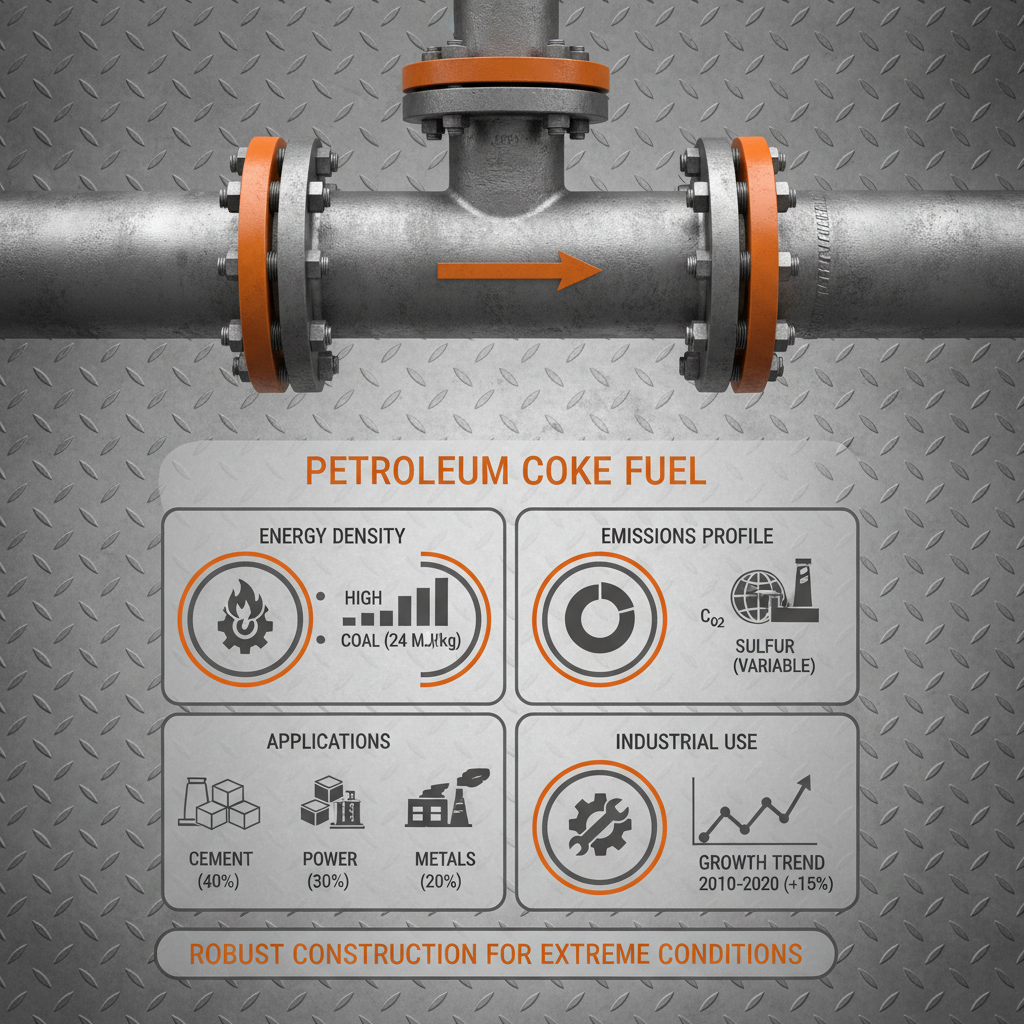
One of the most important characteristics of pet coke is its high BTU (British Thermal Unit) content. This means it releases a significant amount of energy when burned, making it a powerful fuel source. It also has a relatively low ash content compared to coal, which reduces slagging and fouling in combustion systems, translating to greater efficiency and reduced maintenance. This is what makes it so attractive for cement kilns – less ash means less downtime for cleaning.
However, pet coke’s sulfur content is a significant factor. While calcined pet coke has lower sulfur levels, green pet coke can have a substantial amount. Burning sulfur-rich pet coke releases sulfur dioxide (SO2), a major air pollutant that contributes to acid rain and respiratory problems. This is why careful handling and the use of emission control technologies are so vital. It's a trade-off – high energy density, but potential environmental consequences.
Another key aspect is its physical form. Pet coke is typically a black, hard, porous material that can be dusty. This dust poses handling challenges and requires careful management to prevent fugitive emissions. Proper storage and transportation methods are essential to minimize dust and ensure worker safety. It’s not a fuel you can just pile up and forget about – it requires careful planning and execution.
Global Applications and Use Cases
The largest single use of petroleum coke fuel is in the cement industry, where it accounts for over 70% of global consumption. The high temperatures required for clinker production (around 1450°C or 2642°F) make pet coke an ideal fuel source. Beyond cement, it's widely used in power generation, especially in countries looking for alternatives to coal. You'll find pet coke-fired power plants in India, China, Japan, and various parts of Europe.
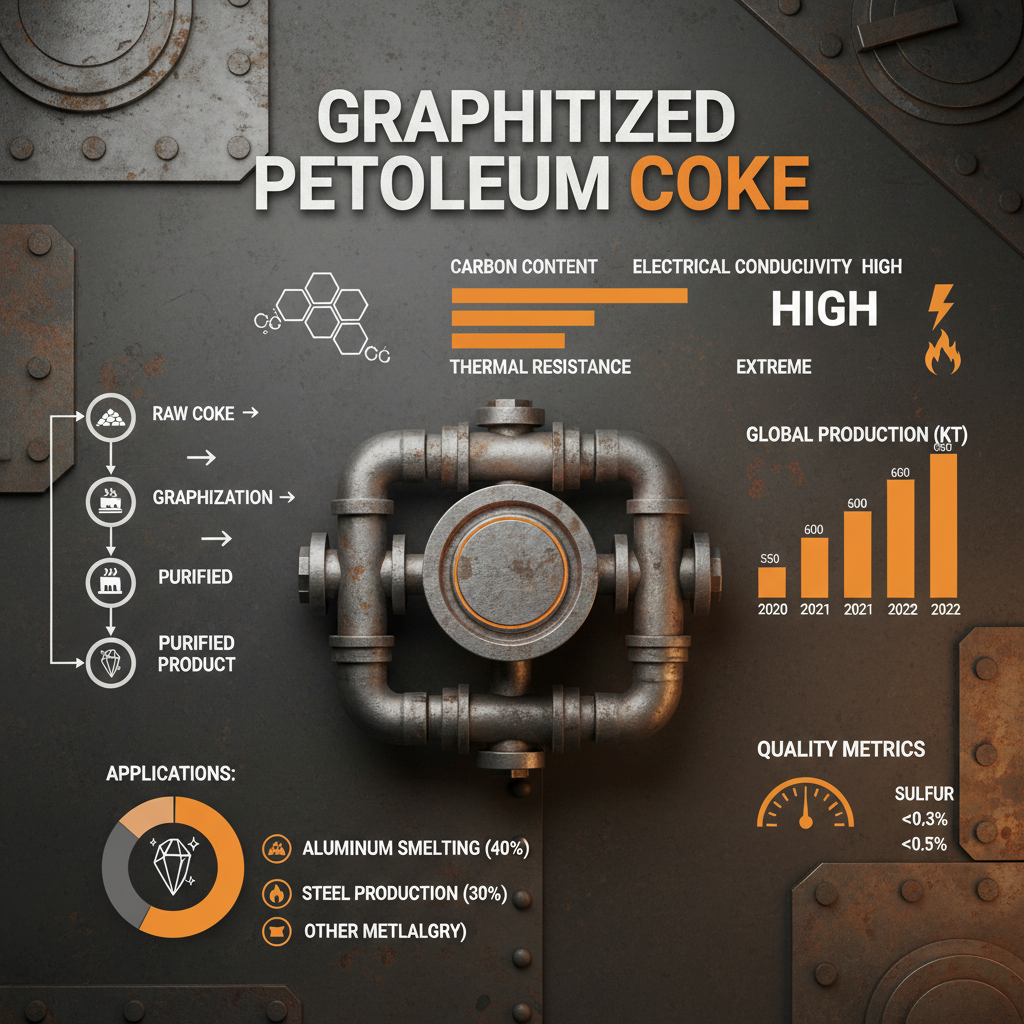
It also finds application in metallurgical processes, such as the production of aluminum, where it's used as a carbon source in the smelting process. In some regions, it's even used in industrial boilers for steam generation. You’ll find pet coke utilization prevalent in areas near oil refineries, as transportation costs can be significant.
In remote industrial zones or developing countries with limited access to other fuel sources, pet coke can provide a crucial energy solution, although always with consideration for emissions controls. It allows these industries to operate efficiently and economically, contributing to local economic growth.
Petroleum Coke Fuel Application Breakdown
Advantages and Long-Term Value
The primary advantage of petroleum coke fuel is its cost-effectiveness. It’s generally cheaper than coal, making it an attractive option for industries looking to reduce energy costs. Its high BTU content means less fuel is needed to generate the same amount of heat, further reducing costs. That’s what keeps these plants running – the bottom line.
From a reliability standpoint, pet coke is a consistent fuel source, particularly when sourced from stable refineries. This consistency is critical for continuous industrial processes like cement production where even minor fluctuations in fuel supply can disrupt operations. It's about maintaining a stable process, and pet coke, when properly managed, can deliver that.
Future Trends and Innovations
One major trend is the development of technologies to reduce sulfur emissions from pet coke combustion. Fluidized bed combustion and advanced flue gas desulfurization systems are becoming increasingly common. Another area of innovation is exploring methods to upgrade green pet coke into a higher-value fuel with lower sulfur content.
The increasing focus on sustainability is also driving research into carbon capture and storage (CCS) technologies that could potentially mitigate the greenhouse gas emissions associated with pet coke use. While CCS is still in its early stages, it represents a potential pathway towards more environmentally responsible pet coke utilization.
We’re also seeing increased digitalization in pet coke handling and combustion processes. Real-time monitoring of fuel quality, combustion efficiency, and emissions is becoming more widespread, allowing for optimized operations and reduced environmental impact.
Challenges and Solutions
The biggest challenge remains the environmental impact, specifically sulfur dioxide emissions. Simply put, ignoring this issue isn’t an option. Solutions include investing in advanced emission control technologies, using calcined pet coke with lower sulfur content, and exploring alternative fuels. It's not cheap, but it's necessary.
Another challenge is the handling of pet coke dust. This dust can pose health risks and create environmental pollution. Implementing robust dust control measures, such as enclosed storage systems and water suppression techniques, is essential. Proper training for workers handling pet coke is also crucial.
Finally, supply chain disruptions can impact pet coke availability and pricing. Diversifying sourcing options and establishing long-term contracts with reliable suppliers can help mitigate these risks. We're seeing more companies invest in their own pet coke handling facilities to improve control over the supply chain.
Petroleum Coke Fuel Challenges and Mitigation Strategies
| Challenge |
Severity (1-10) |
Mitigation Strategy |
Implementation Cost (USD) |
| Sulfur Dioxide Emissions |
9 |
Flue Gas Desulfurization (FGD) |
$5M - $20M |
| Pet Coke Dust |
7 |
Enclosed Storage & Water Suppression |
$1M - $5M |
| Supply Chain Volatility |
6 |
Diversified Sourcing & Long-Term Contracts |
$0.5M - $2M |
| Handling & Storage Logistics |
5 |
Automated Handling Systems |
$2M - $8M |
| Regulatory Compliance |
8 |
Continuous Emission Monitoring (CEM) |
$0.2M - $1M |
| Public Perception & NIMBYism |
4 |
Community Engagement & Transparency |
$0.1M - $0.5M |
FAQS
The sulfur content in petroleum coke can vary significantly depending on the crude oil source and refining process. Green pet coke generally has a higher sulfur content, typically ranging from 2% to 8%, while calcined pet coke is processed to reduce sulfur levels, usually falling between 0.5% and 2%. Higher sulfur content necessitates more robust emission control technologies during combustion to comply with environmental regulations.
While both pet coke and coal are fossil fuels with environmental impacts, pet coke generally has a lower ash content than coal, improving combustion efficiency. However, pet coke can have a higher sulfur content depending on its type, leading to potentially higher SO2 emissions. Coal also releases more particulate matter. Therefore, a direct comparison depends on the specific composition of both fuels and the emission control technologies employed.
Effective storage practices are critical for minimizing pet coke dust. These include using fully enclosed storage buildings, implementing water suppression systems (sprinklers or sprays) to dampen the material, and maintaining a negative pressure within the storage area to prevent dust from escaping. Regularly cleaning surrounding areas and utilizing dust collection systems are also essential.
Petroleum coke boasts a high BTU content, generally ranging from 13,000 to 15,000 BTU per pound. This high energy density is a key reason for its popularity in applications requiring high temperatures, such as cement production and power generation. The exact BTU value depends on the type of pet coke (green or calcined) and its specific composition.
Yes, research is ongoing into converting pet coke into higher-value products. Gasification technologies are being explored to produce syngas, which can then be used to create chemicals and fuels. Another area of interest is using pet coke as a feedstock for producing carbon fibers, which have applications in aerospace and automotive industries. These technologies are still in development but hold promise for more sustainable pet coke utilization.
Regulations governing pet coke vary by country and region. In the US, the EPA regulates emissions from pet coke-fired facilities under the Clean Air Act. These regulations often focus on sulfur dioxide (SO2) and particulate matter. Many regions also have specific requirements for handling and storage to minimize dust emissions. Compliance with these standards is crucial for operating pet coke-fueled facilities.
Conclusion
Petroleum coke fuel is a complex material with a significant role in global energy and industrial processes. Its high energy density and cost-effectiveness make it a valuable resource, but its use also presents environmental challenges that must be addressed through responsible handling practices and advanced emission control technologies. Understanding the characteristics, applications, and evolving landscape of pet coke is critical for anyone involved in these industries.
Looking ahead, continued innovation in emission reduction technologies, carbon capture, and alternative fuel sources will be crucial for ensuring the sustainable use of pet coke. Collaboration between industry, government, and researchers will be essential to navigating these challenges and maximizing the long-term value of this important energy resource.