

Calcined coke isn't some fancy chemical; it’s the backbone of industries like steelmaking and aluminum production. For years, I’ve seen it firsthand on construction sites – the essential ingredient getting materials to the right strength, the consistent quality meaning fewer headaches for the engineering teams. It’s a relatively simple product, but its impact is massive, touching everything from the skyscrapers we build to the cans that hold our food. Understanding its properties and sourcing is crucial for anyone involved in large-scale industrial projects.
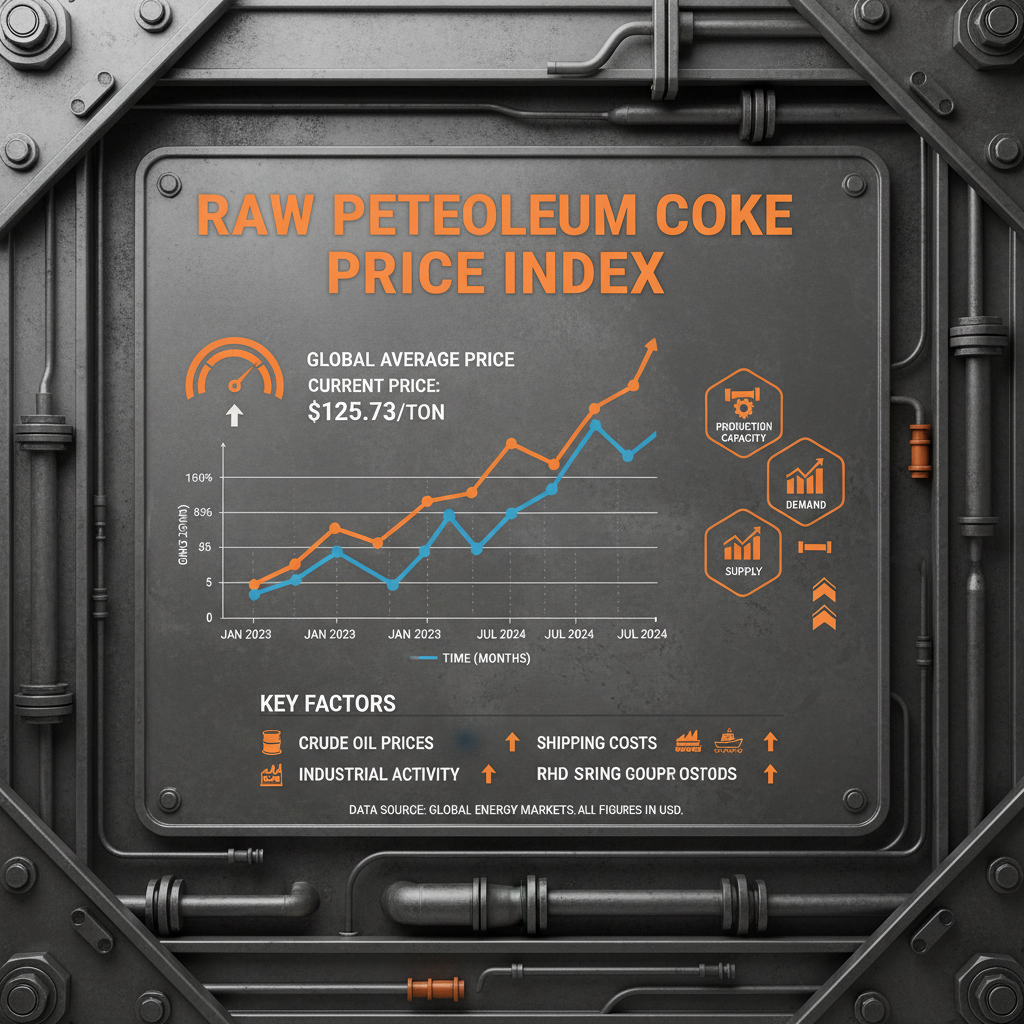
The global demand for calcined coke is steadily climbing, fueled by infrastructure development in emerging economies and the ongoing need for high-quality metals. According to the World Steel Association, steel production – a key consumer of calcined coke – continues to grow, especially in Asia. This increased demand presents challenges – ensuring a consistent supply, maintaining quality control, and addressing environmental concerns around coke production are all critical issues. Ignoring these isn't an option; it leads to project delays, increased costs, and potentially compromised material integrity.
Simply put, calcined coke is a carbonaceous material derived from heating green coke (petroleum coke or coal tar pitch coke) to high temperatures in the absence of oxygen. This process removes volatile matter and increases the carbon content, making it a highly effective reducing agent and source of carbon in metallurgical processes. It’s not glamorous, but without it, modern industry grinds to a halt. Think of it as the unsung hero of the materials world – quietly enabling the production of the things we rely on every day.
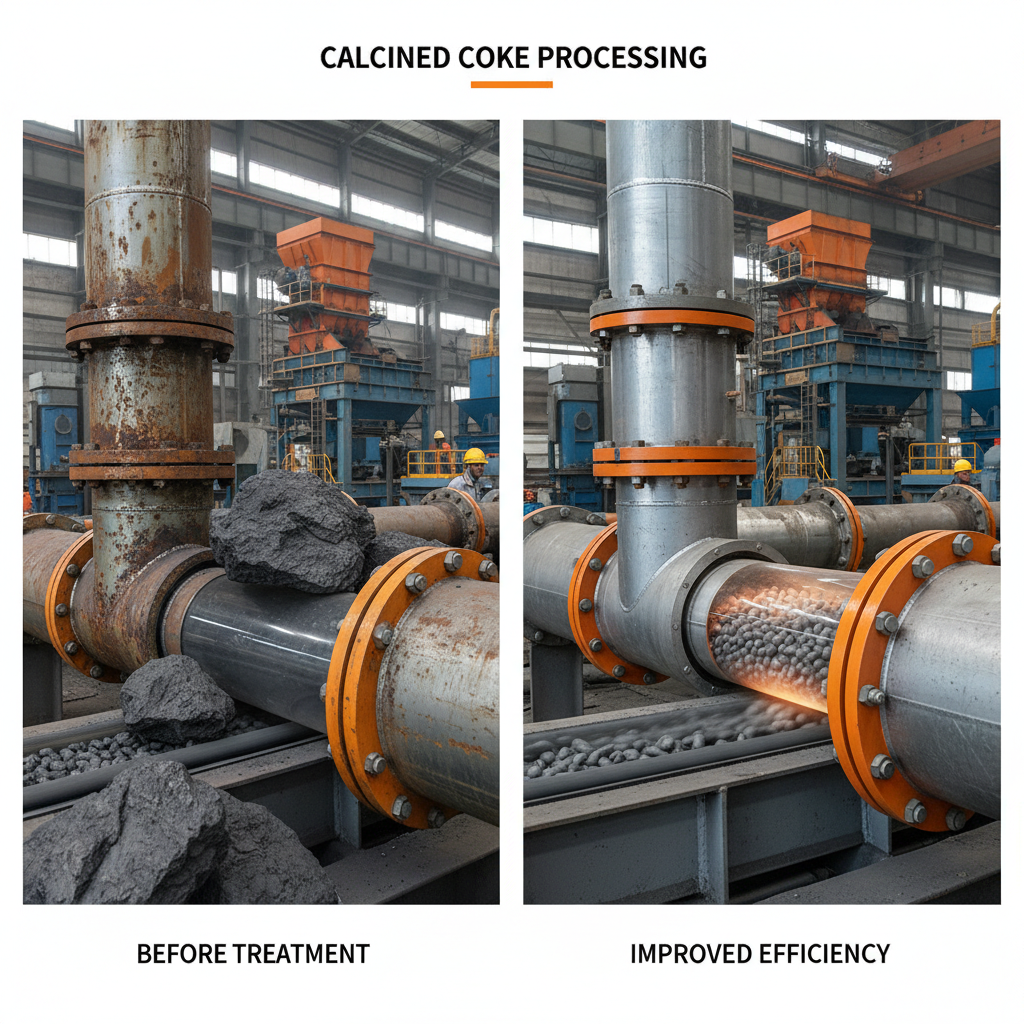
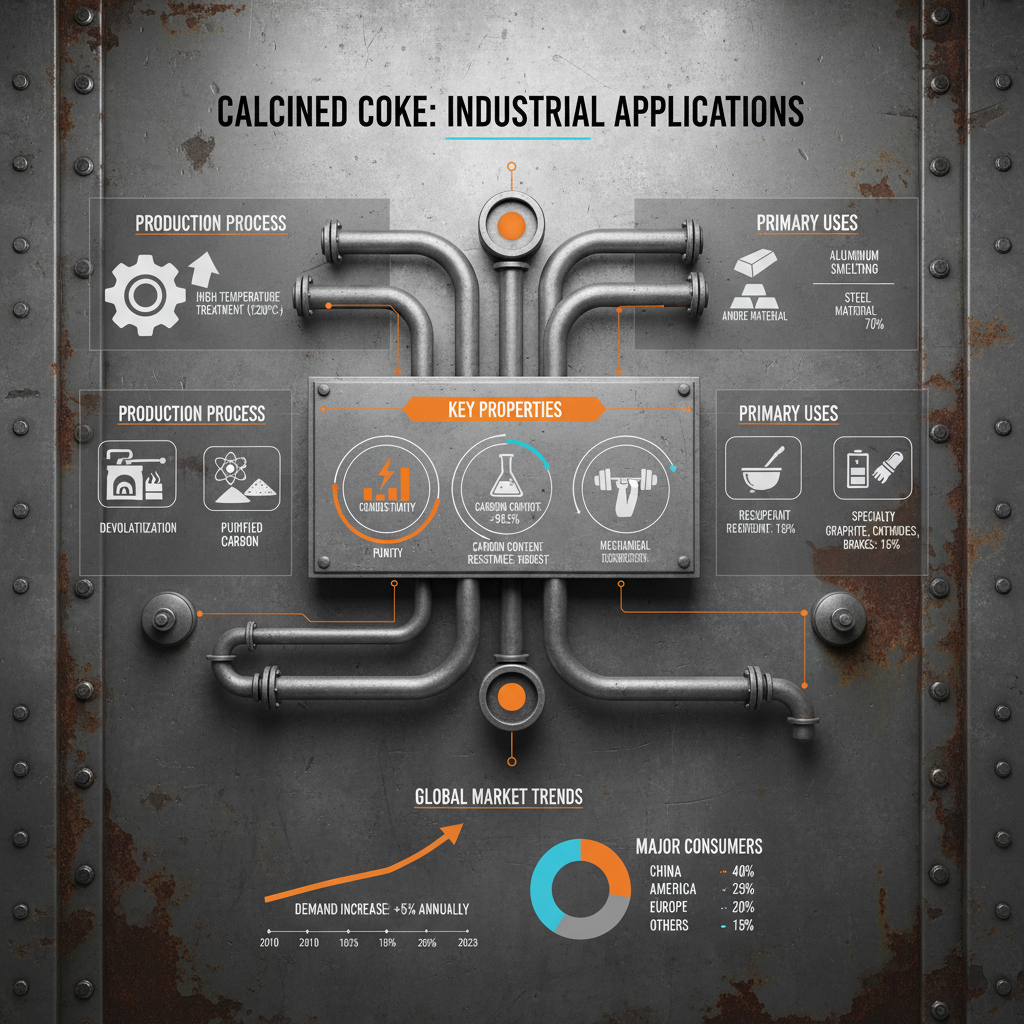
I've spent enough time on site to know a reliable material is worth its weight in gold. Calcined coke is exactly that. It’s not just about the steel industry, though that’s a huge chunk of the demand. It plays a vital role in aluminum refining, titanium sponge production, and even certain types of chemical processes. Its consistent carbon content and controlled properties are crucial for efficient and effective reduction reactions. We're talking about influencing the final strength, purity, and overall quality of the end product.
The reliance on calcined coke isn’t going away anytime soon. While alternative technologies are being explored, the cost-effectiveness and established processes surrounding calcined coke make it the preferred choice for many applications. That’s why understanding its nuances – from sourcing to quality control – is essential for anyone involved in these industries. It's about mitigating risk and ensuring project success, plain and simple.
Lead times vary significantly depending on the supplier, the quantity ordered, and current market conditions. Generally, for large-volume orders, you're looking at anywhere from 4 to 12 weeks. It’s always best to plan ahead and communicate your needs well in advance to secure capacity and favorable pricing. I’ve seen delays stretch out when global supply chains are strained, so early planning is crucial. And remember, transportation logistics can add significant time.
First, visual inspection. Look for consistent particle size and a lack of obvious contamination. Then, you'll need to perform laboratory analysis to confirm carbon content, ash levels, sulfur content, and reactivity (CRI & CSR). We always have independent testing done to verify the supplier’s certificate of analysis. Don’t rely solely on the paperwork; independent verification is essential. And keep thorough records of all testing results for traceability.
Calcined coke production can generate emissions, including sulfur dioxide and particulate matter. Responsible suppliers will have implemented emission control technologies to minimize these impacts. Look for suppliers with certifications demonstrating their commitment to environmental compliance. Also, consider the carbon footprint of the entire supply chain – from sourcing the feedstock to transporting the finished product. We're increasingly focused on sourcing from suppliers who are actively exploring alternative feedstocks.
Petroleum coke generally yields a higher-quality calcined coke with lower sulfur content, making it preferred for applications where sulfur is a concern, like steelmaking. However, it’s often more expensive. Coal tar pitch coke is more readily available and cost-effective, but requires more rigorous processing to meet similar quality standards. Ultimately, the choice depends on the specific application and budget constraints. You need to weigh the performance benefits against the cost implications.
Calcined coke should be stored in a dry, well-ventilated area to prevent moisture absorption, which can affect its reactivity. It’s best to store it on a concrete pad away from potential contaminants. Covering the stockpile is recommended to protect it from rain and snow. Proper storage is crucial for maintaining the coke's quality and performance. We’ve seen issues arise from improper storage, leading to increased reactivity and handling problems.
CRI (Coke Reactivity Index) and CSR (Coke Strength after Reaction) are critical indicators of coke quality. A lower CRI means the coke reacts slower with carbon dioxide, providing better control during the reduction process. A higher CSR indicates the coke maintains its structural integrity under stress, preventing fines generation. These values are key to efficient and stable operations. Essentially, they predict how the coke will perform in the actual process.
Calcined coke, though often unseen, is a foundational material powering essential industries worldwide. Its consistent performance, relative cost-effectiveness, and ongoing innovations in production ensure its continued relevance. Understanding its properties, sourcing responsibly, and staying abreast of emerging trends are crucial for success in industries reliant on this critical resource.
Looking ahead, continued investment in sustainable production methods and advanced process control will be key to minimizing the environmental impact of calcined coke production. By embracing innovation and prioritizing quality, we can ensure a reliable and responsible supply of this essential material for generations to come. For more information and to discuss your specific needs, visit our website: calcined coke.