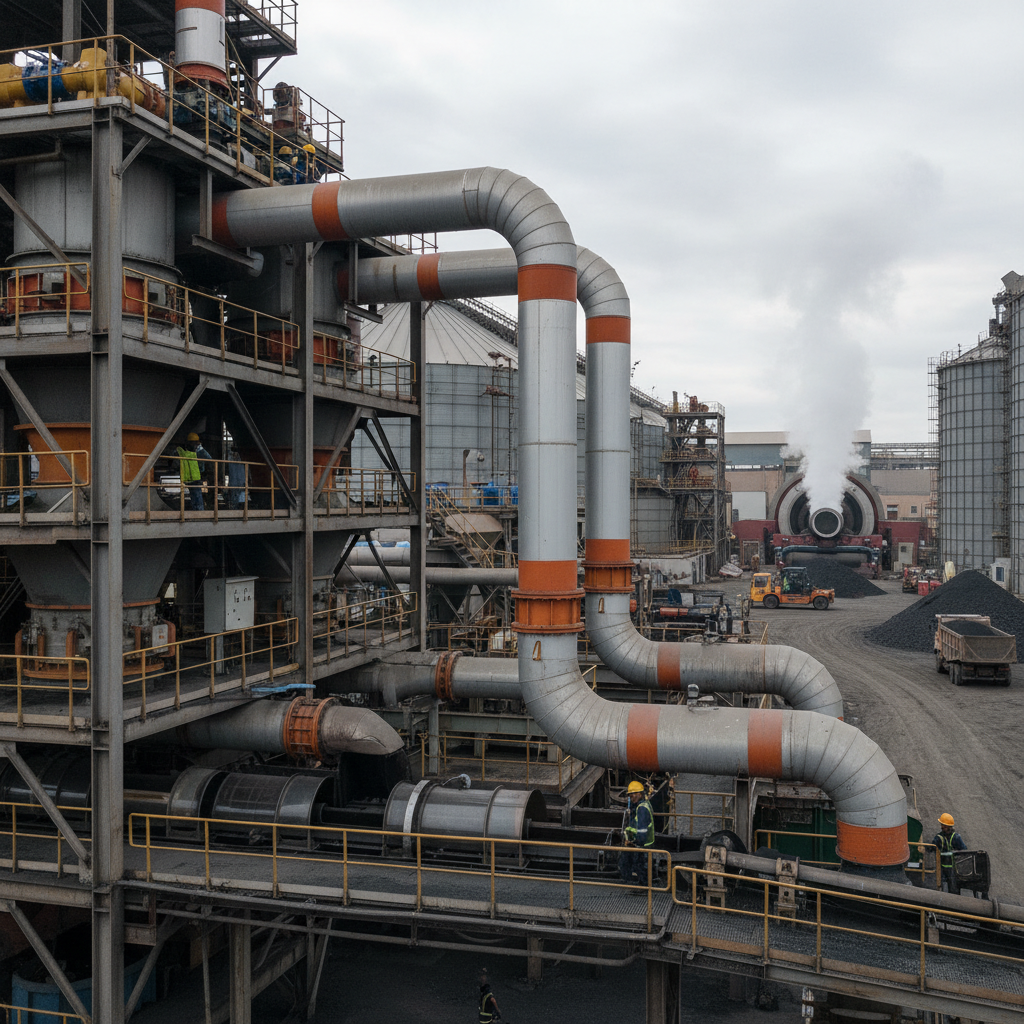
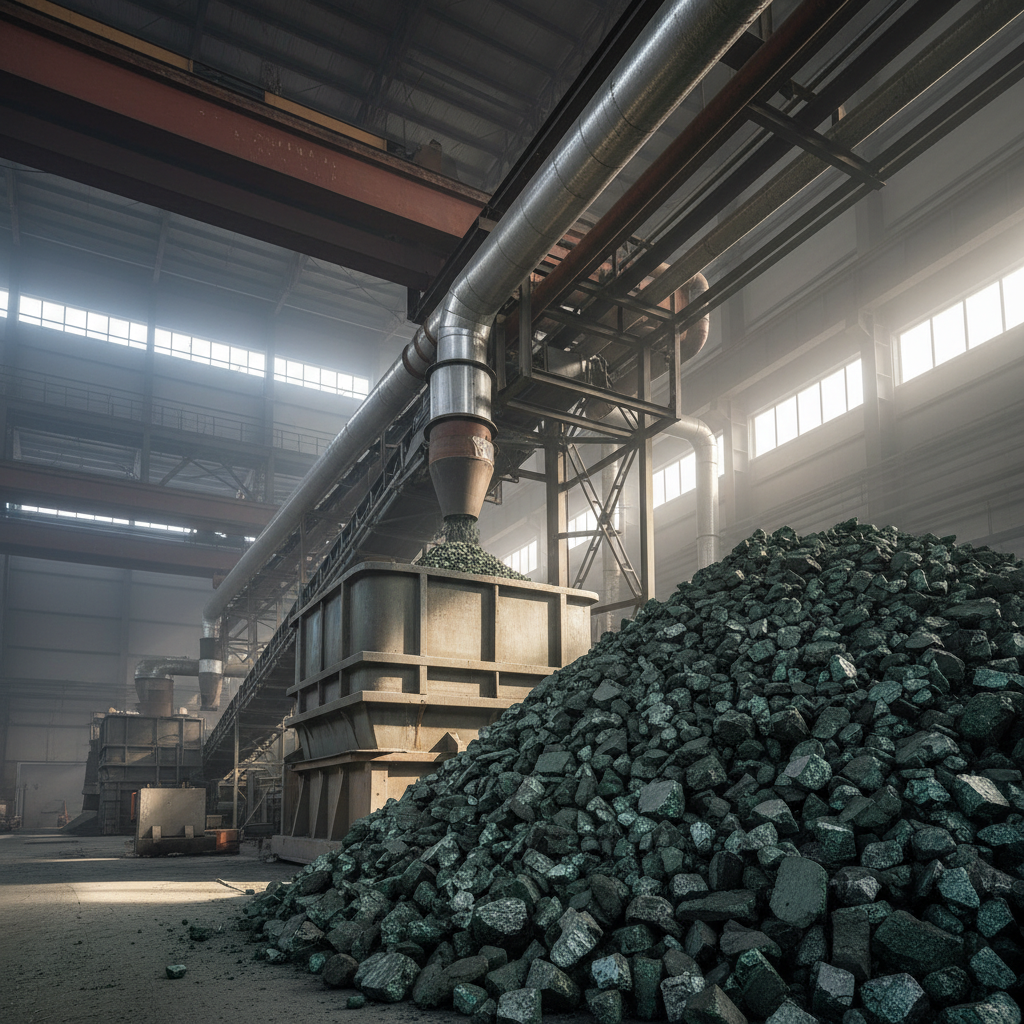
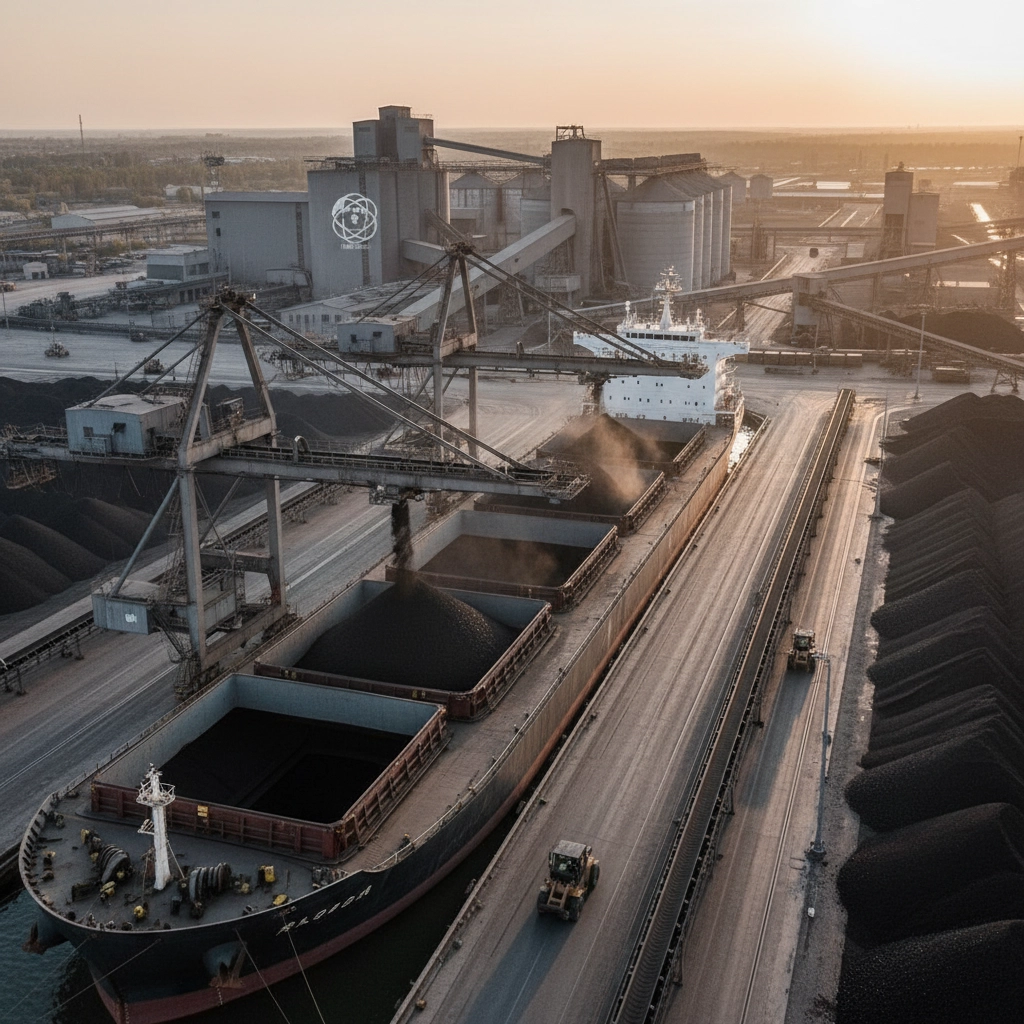
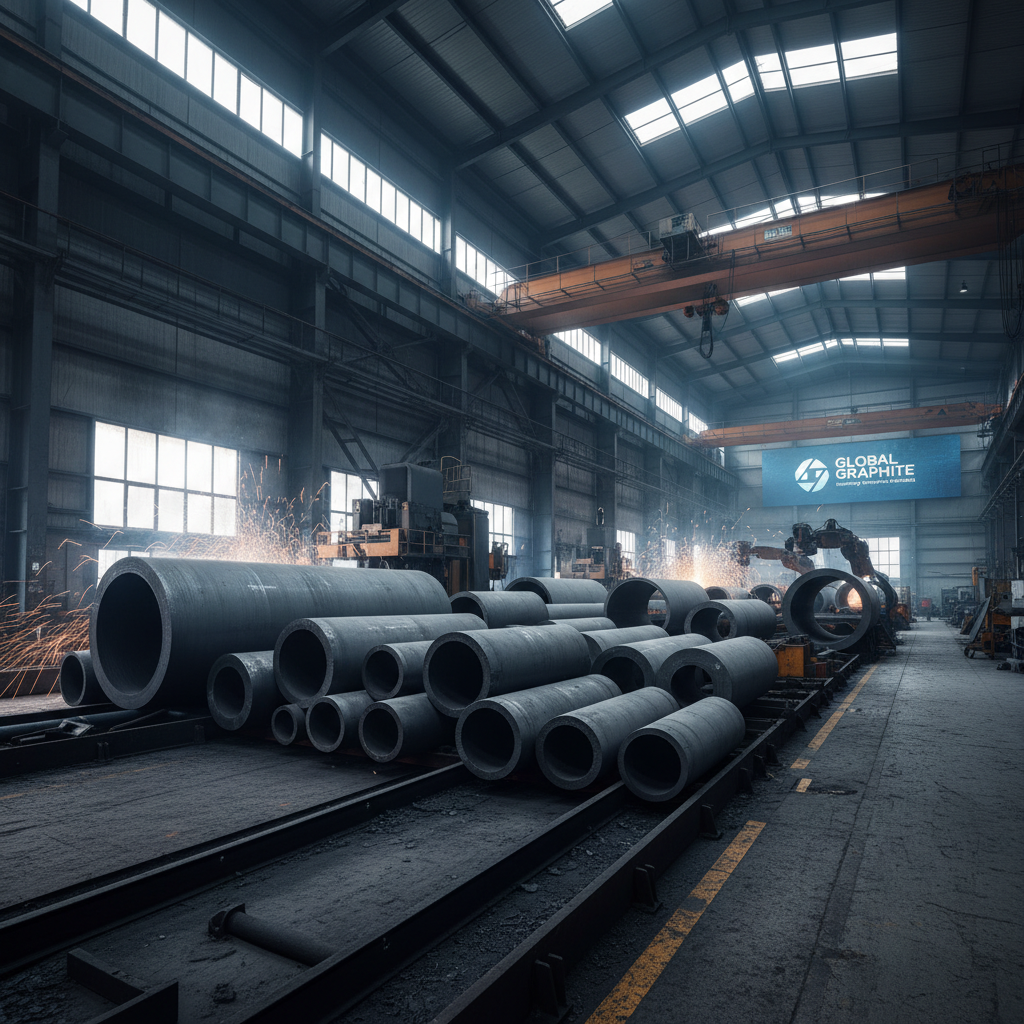
Petroleum coke, often referred to as petcoke, serves as a critical cornerstone in the global industrial landscape, particularly within the carbon and graphite sectors. As a byproduct of the oil refining process, its value extends far beyond simple fuel, acting as a primary raw material for the production of electrodes, anodes, and various carbon-based materials. Understanding the market for petroleum coke china is essential for stakeholders in the metallurgy and chemical industries who rely on high-purity carbon sources to maintain operational efficiency.
The global demand for high-quality carbon materials has surged with the expansion of the aluminum and steel industries, putting a spotlight on China's massive production capacity and technical expertise. By leveraging advanced calcination processes, the supply chain for petroleum coke china has evolved to meet rigorous international standards, ensuring that the material provides the necessary electrical conductivity and thermal stability required for high-temperature applications.
For procurement managers and engineers, navigating the complexities of carbon purity, sulfur content, and particle size distribution is key to optimizing product yields. This guide explores the intricacies of petroleum coke china, from its fundamental chemical properties to its diverse applications in the manufacture of graphite electrodes and carburizing agents, providing a comprehensive overview for those seeking reliable industrial carbon solutions.
Global Industrial Context of Petroleum Coke China
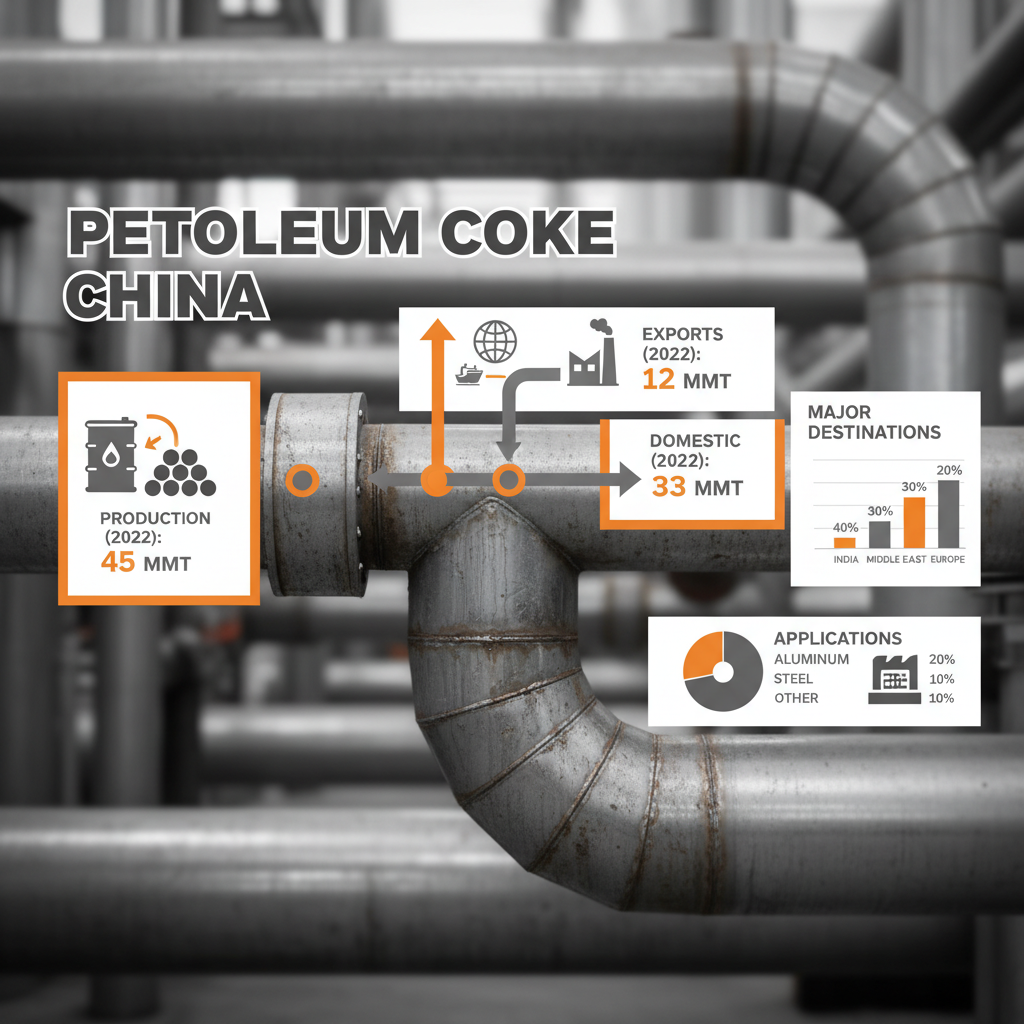
On a global scale, the production of petroleum coke is inextricably linked to the capacity of delayed coking units within refineries. China has emerged as a dominant force in this sector, not only as a consumer but as a sophisticated processor of petroleum coke china. According to industry data, the integration of carbon production with heavy industrial hubs in Asia has created a highly efficient ecosystem that reduces logistics costs and stabilizes the supply of graphite precursors.
However, the industry faces a constant challenge in balancing the high energy intensity of calcination with the global push toward carbon neutrality. The transition from "green" or "uncalcined" coke to calcined petroleum coke requires immense thermal energy, leading Chinese manufacturers to invest heavily in waste-heat recovery systems and more efficient kiln designs to maintain their competitive edge in the international market.
Definition and Technical Meaning of Petcoke
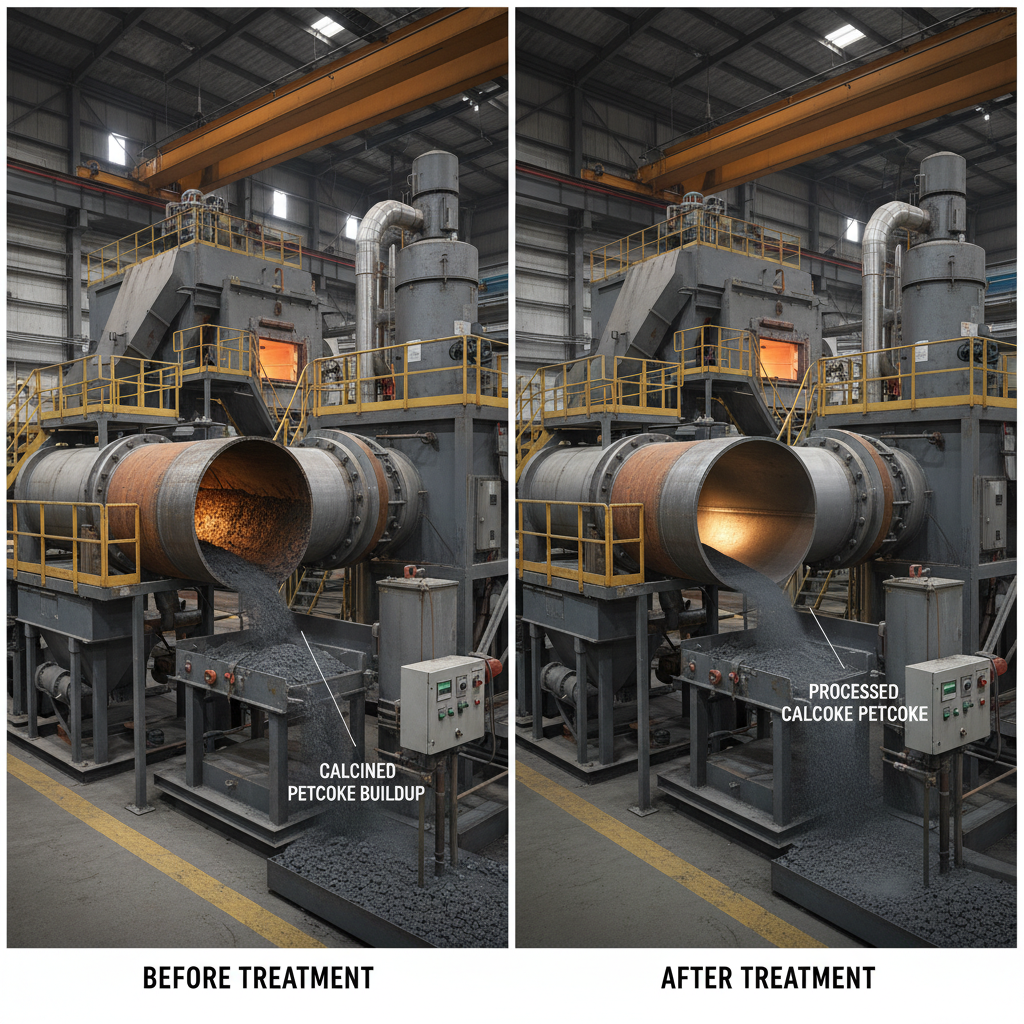
In simple technical terms, petroleum coke is the carbon-rich solid residue remaining after the vacuum distillation of heavy petroleum fractions. Within the context of petroleum coke china, this material is categorized primarily into "green coke" and "calcined coke." While green coke is the raw output, calcined coke has undergone thermal treatment to remove volatile organic compounds, resulting in a material with high electrical conductivity and structural integrity.
Beyond its chemistry, this material is a lifeline for modern metallurgy. It is the primary ingredient for the anodes used in aluminum smelting, where its ability to withstand extreme heat and conduct electricity is non-negotiable. Without a steady supply of high-purity petroleum coke china, the production of lightweight aluminum for the automotive and aerospace industries would face significant bottlenecks.
Furthermore, the "meaning" of petcoke in the modern era has shifted toward high-value additives. It is no longer viewed merely as a refinery byproduct but as a precision-engineered raw material. By controlling the cooling rate and the feedstock, manufacturers can produce needle coke—a specialized form of petroleum coke used in the manufacture of high-power graphite electrodes for electric arc furnaces (EAF).
Core Components and Quality Factors
The utility of petroleum coke china is defined by several critical chemical and physical parameters. Sulfur content is perhaps the most scrutinized factor; low-sulfur coke is essential for environmentally compliant smelting and for achieving high-purity graphite blocks. Excess sulfur can lead to premature anode degradation and increased atmospheric pollution.
Another pivotal component is the VCM (Volatile Matter) percentage. In the production of graphite electrodes, the removal of volatiles during the calcination of petroleum coke china ensures that the final product does not crack or warp under extreme thermal stress. A consistent VCM profile allows for scalable production and predictable shrinkage rates during the baking process.
Finally, the physical structure—specifically the ash content and particle size—determines the density of the final carbon product. High ash content introduces impurities that can act as stress concentrators, weakening the mechanical strength of graphite plates or tubes. Therefore, rigorous screening and purification processes are implemented to ensure the material meets the precise specifications of the end-user.
Key Industrial Applications and Use Cases
The applications of petroleum coke china span across multiple high-intensity industries. In the aluminum sector, it is processed into carbon anodes, which serve as the consumable electrode in the Hall-Héroult process. In the steel industry, it is used as a carburizing agent, where its high carbon purity allows for the precise adjustment of carbon levels in molten steel, enhancing the strength and hardness of the final alloy.
Beyond metallurgy, the material is indispensable for creating synthetic graphite products. From graphite crucibles used in precious metal refining to graphite powder used as a dry lubricant in heavy machinery, the versatility of petroleum coke is unmatched. In remote industrial zones, where logistics are challenging, the reliability of a consistent carbon source is the difference between operational continuity and costly downtime.
Performance Metrics of Various Petroleum Coke China Grades
Long-Term Value and Economic Advantages
Investing in high-grade petroleum coke china offers significant tangible benefits in terms of cost-efficiency and product reliability. By using materials with optimized purity and grain structure, manufacturers can reduce the consumption of binders (like coal tar pitch) and decrease the baking time in electrodes, directly lowering energy expenditures and increasing throughput.
From a logical perspective, the long-term value lies in the reduction of failure rates. Higher purity carbon minimizes the risk of anode "burn-through" or electrode breakage in EAF furnaces, which can cause catastrophic production halts. Emotionally, this translates to peace of mind for plant managers and engineers, knowing that their raw materials meet the stringent requirements for safety and innovation in high-temperature metallurgy.
Future Trends in Carbon Material Innovation
The future of petroleum coke china is being reshaped by the global transition toward green energy. We are seeing a shift toward "Green Carbon" initiatives, where the calcination process is powered by hydrogen or electricity rather than fossil fuels. This transformation is crucial for industries striving to lower their Scope 3 emissions while maintaining the high performance of their carbon products.
Digital transformation is also playing a role, with the implementation of AI-driven quality control in refineries. By using real-time sensors and machine learning, producers can adjust the coking process on the fly to ensure a more uniform particle distribution, reducing the need for post-production grinding and waste.
Furthermore, the rise of the EV battery market is driving demand for specialized synthetic graphite. Petroleum coke remains the primary precursor for these anodes. Innovations in the "graphitization" process—increasing the temperature to over 2500°C—are allowing for the creation of ultra-pure graphite powder that enhances the energy density and charging speed of next-generation batteries.
Challenges and Expert Solutions in Sourcing
One of the primary challenges in sourcing petroleum coke china is the volatility of the global oil market, which directly impacts the availability and pricing of coking feedstock. To overcome this, expert procurement strategies now emphasize long-term supply agreements and the diversification of sources to hedge against regional geopolitical disruptions.
Another limitation is the strict environmental regulation regarding sulfur emissions. Some lower-grade petcokes are becoming unusable in many jurisdictions. The solution lies in advanced chemical desulfurization techniques and the adoption of "low-sulfur" specifications at the refinery stage, ensuring that the material is compliant with ISO and local environmental standards.
Finally, ensuring consistency across different batches can be difficult. We recommend implementing a rigorous Third-Party Inspection (TPI) protocol and requiring a Detailed Certificate of Analysis (CoA) for every shipment. By focusing on the specific surface area and the carbon-to-ash ratio, buyers can ensure that their manufacturing process remains stable regardless of the batch.
Comparative Analysis of Petroleum Coke China Sourcing and Quality Standards
| Grade Type |
Sulfur Content (%) |
Application Focus |
Market Reliability Score |
| Ultra-Low Sulfur |
< 0.5% |
High-end Graphite Electrodes |
9.5 |
| Standard Calcined |
0.5% - 1.5% |
Aluminum Anodes |
8.8 |
| Needle Coke |
< 0.8% |
UHP Graphite Blocks |
9.2 |
| Green Coke |
1.0% - 3.0% |
Fuel / Basic Carburizing |
7.0 |
| Industrial Grade |
1.5% - 4.0% |
Cement Kilns |
7.5 |
| Specialized High-C |
< 0.3% |
Semiconductor Graphite |
9.8 |
FAQS
Green coke is the raw, uncalcined residue from the refinery, containing volatile organic compounds. Calcined petroleum coke has been heated in a rotary kiln to remove these volatiles, resulting in a more stable, conductive, and hard material suitable for anode and electrode production. For industrial applications requiring structural integrity, calcined is the preferred choice.
Sulfur acts as a contaminant in metallurgical processes. High sulfur levels in petcoke can lead to increased emissions of SO2, causing environmental penalties. Technically, it also lowers the electrical conductivity and accelerates the corrosion of aluminum anodes, which significantly reduces the efficiency and lifespan of the smelting equipment.
The best approach is to request a comprehensive Certificate of Analysis (CoA) and perform third-party sampling at the port of loading. Key parameters to verify include sulfur percentage, ash content, fixed carbon, and volatile matter. Establishing a relationship with a supplier who provides consistent particle size distribution is also critical for production stability.
Yes, it is highly effective. Due to its high carbon purity and low ash content compared to traditional coal-based coke, it allows steel manufacturers to precisely control the carbon addition in the melt. This results in a more homogeneous alloy with improved mechanical properties and fewer slag inclusions.
Needle coke is a specialized form of petroleum coke with a unique needle-like crystalline structure. This structure allows it to be extruded into high-strength, high-conductivity graphite electrodes used in Ultra-High Power (UHP) furnaces. Because the production requires specific feedstocks and precise temperature control, it is far rarer and more expensive than standard petcoke.
While synthetic graphite remains the gold standard, the industry is moving toward "Bio-Coke" and carbon capture-derived carbons. However, for heavy industrial use, the focus is currently on reducing the carbon footprint of the calcination process through hydrogen firing and waste-heat recovery systems rather than replacing the material entirely.
Conclusion
In summary, petroleum coke china remains an indispensable asset for the global carbon and graphite industry. From its fundamental role in aluminum and steel production to its evolution into high-tech needle coke for electrodes, its value is derived from a precise balance of purity, conductivity, and structural stability. By understanding the critical nature of sulfur content, volatile matter, and the calcination process, industrial buyers can optimize their supply chains for maximum efficiency and minimum waste.
Looking ahead, the synergy between carbon material innovation and green energy will define the next era of production. Companies that prioritize the adoption of low-emission calcination and AI-driven quality control will not only meet regulatory demands but will also lead the market in reliability and performance. We encourage professionals in the metallurgy and chemical sectors to continuously evaluate their carbon sources to ensure they are leveraging the most advanced and sustainable petroleum coke solutions available. Visit our website for more details: www.nlgraphite.com