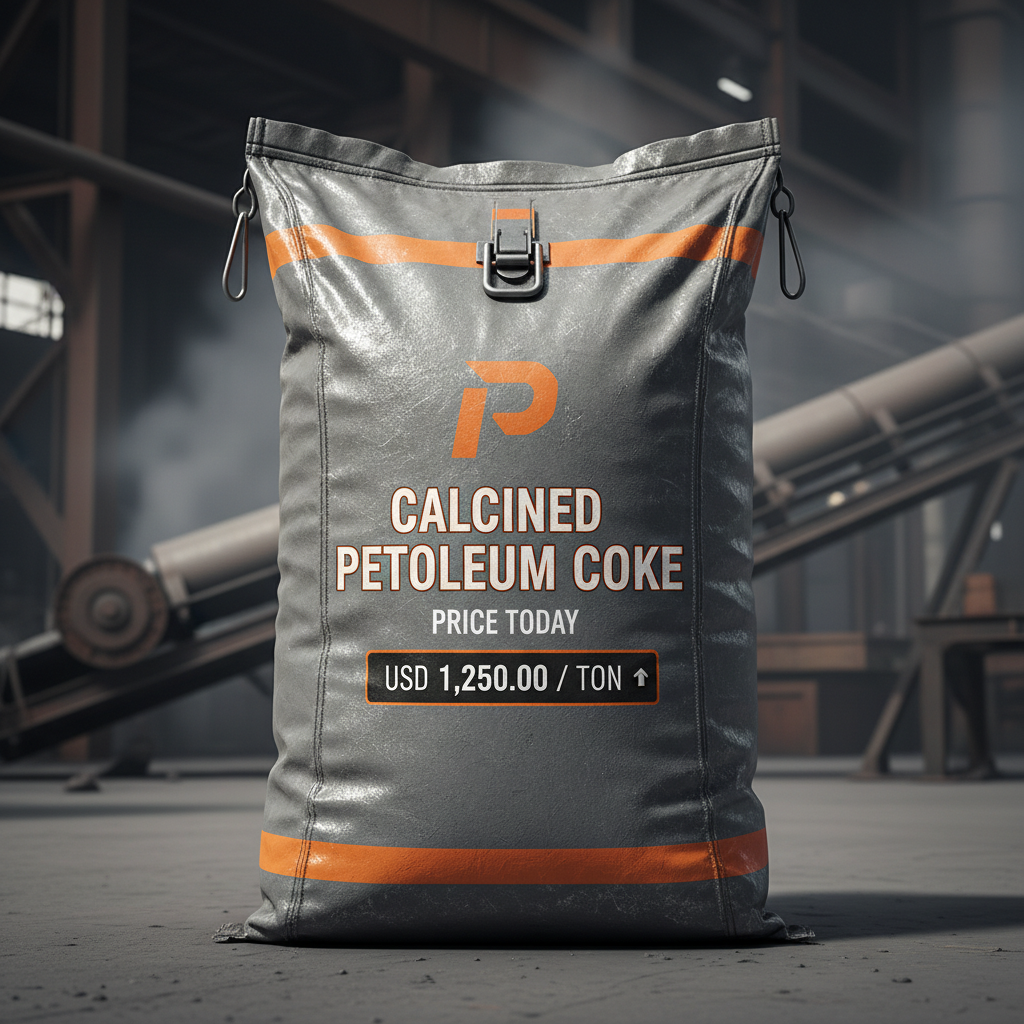
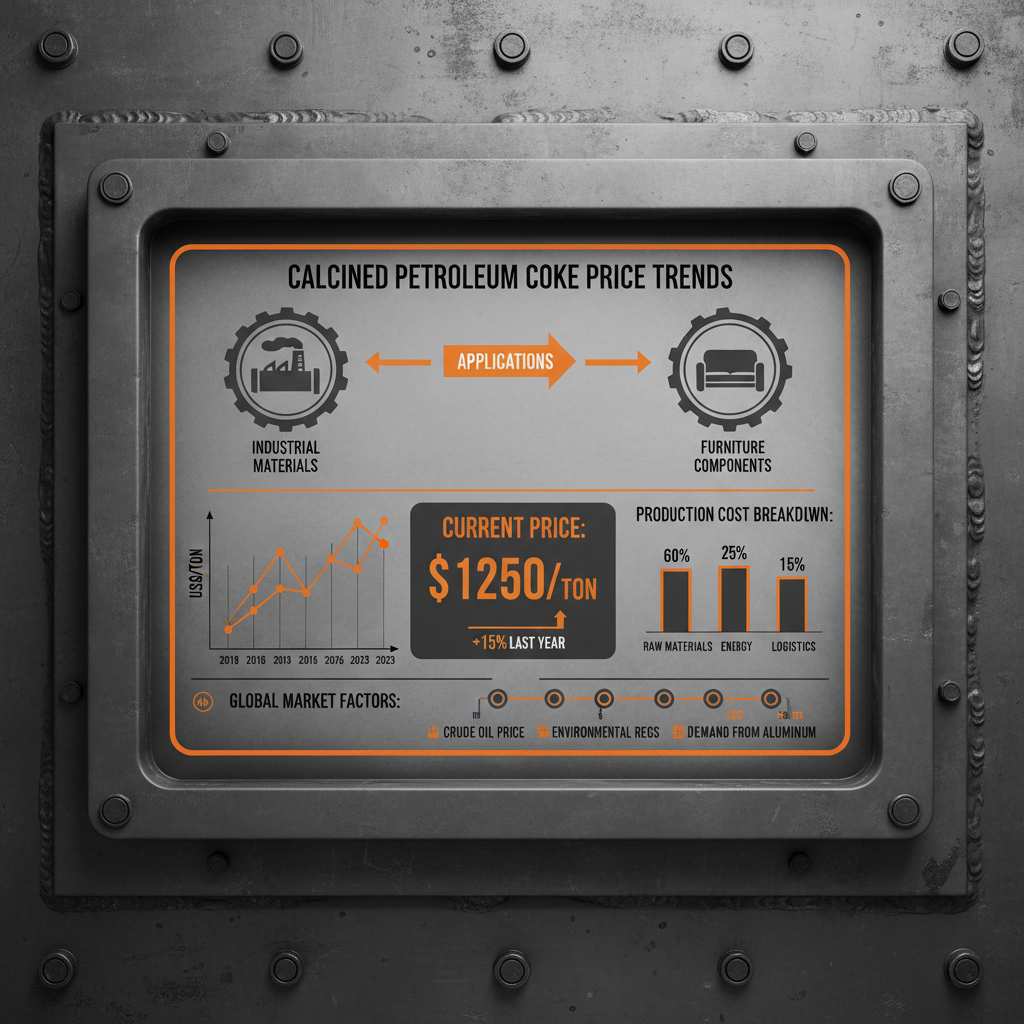
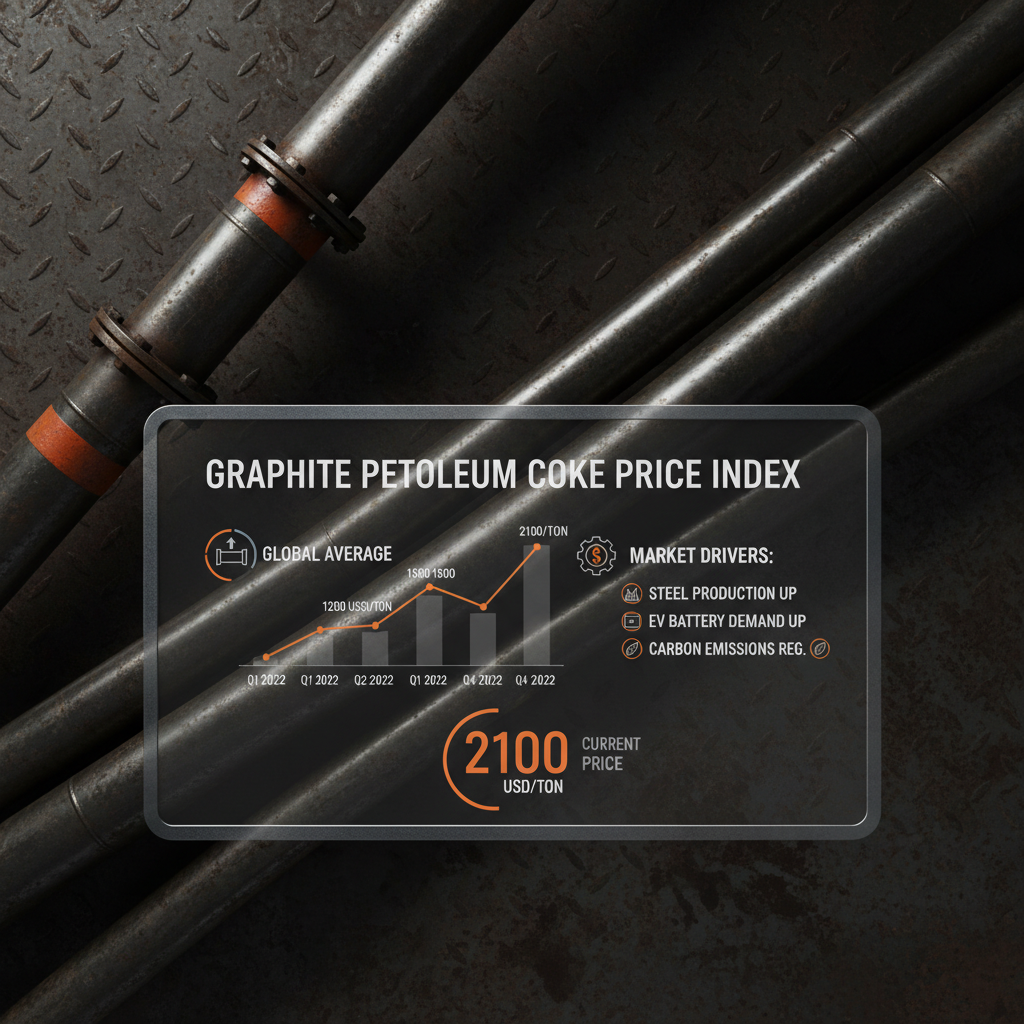
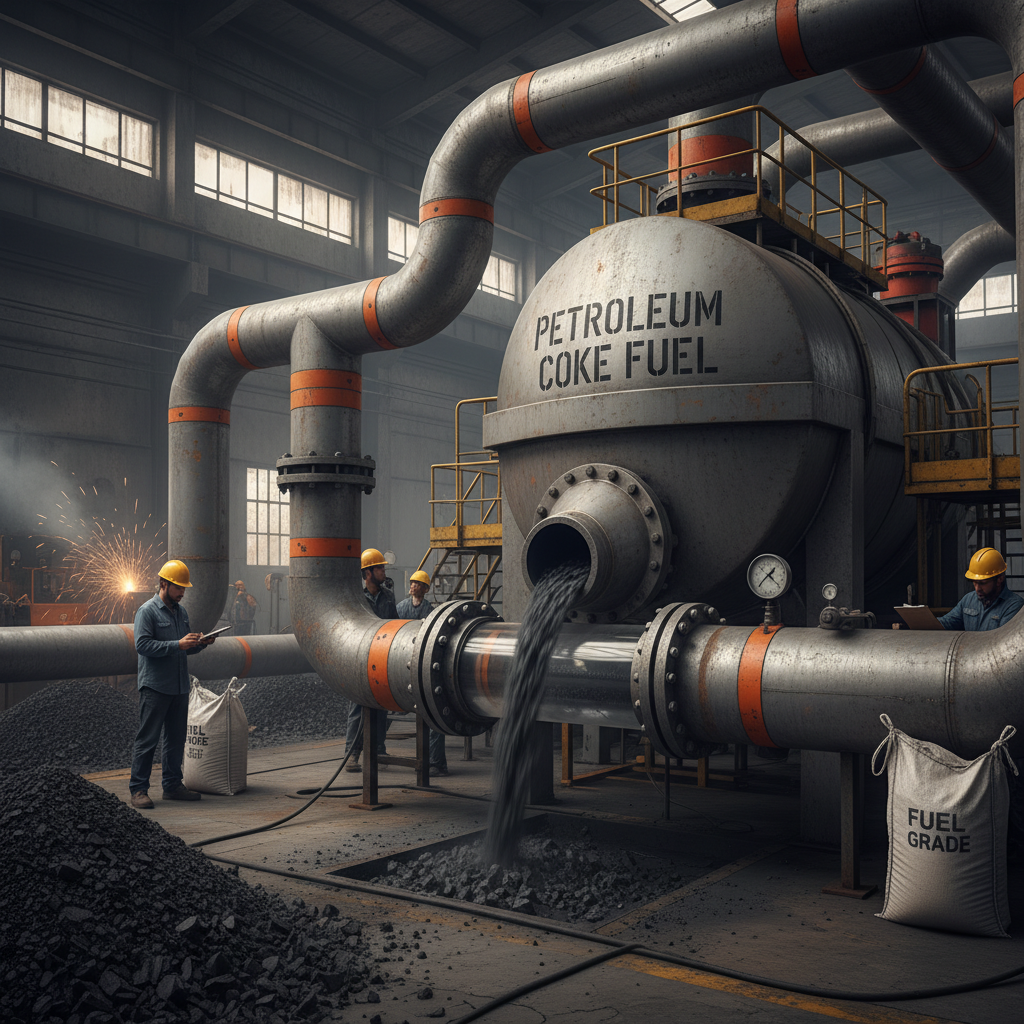
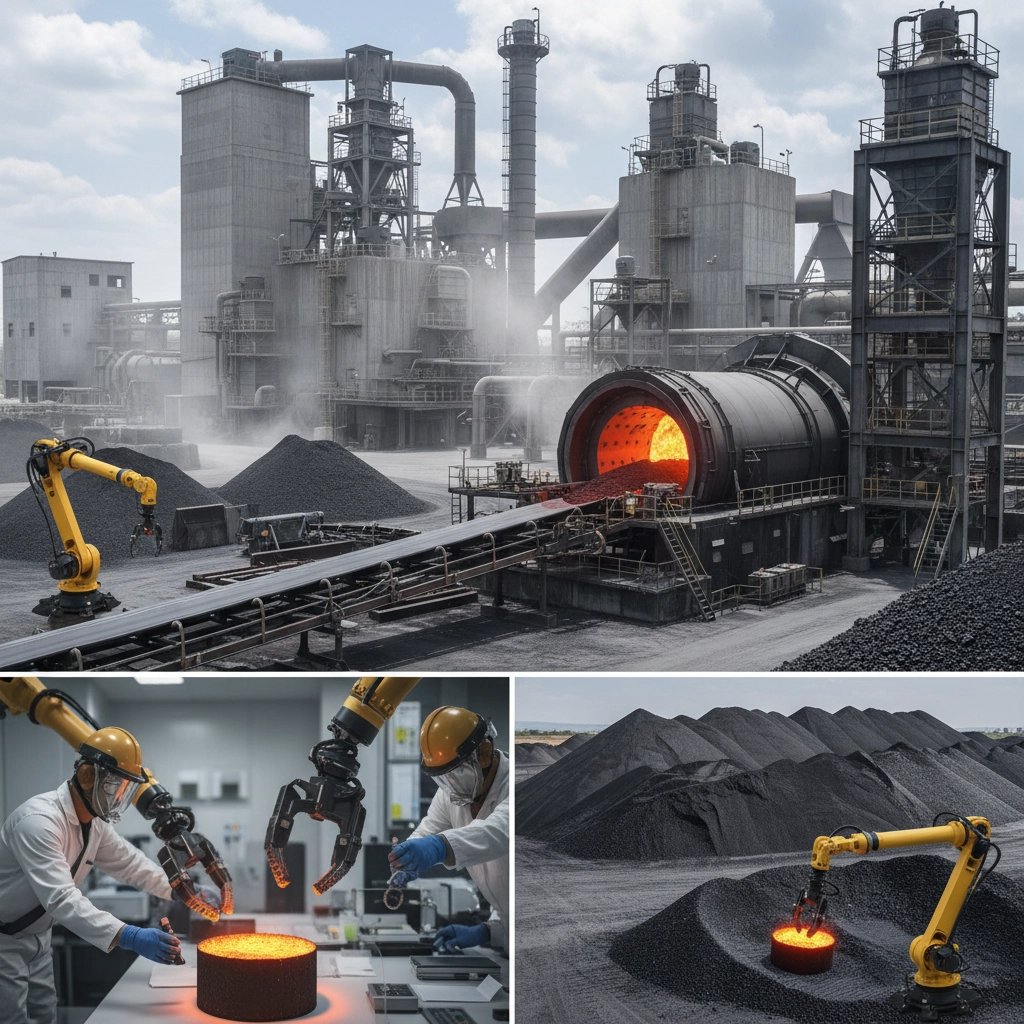
Calcined petroleum coke (CPC) is a crucial carbon material derived from the delayed coking process of petroleum refining. Globally, its production and consumption are intertwined with the energy sector, aluminum production, and various metallurgical processes. Understanding CPC is paramount due to its significant role in industrial outputs and its evolving environmental considerations. As global demand for aluminum continues to rise, so does the necessity for high-quality calcined petroleum coke, creating a dynamic market influenced by geopolitical factors and technological advancements.
The importance of calcined petroleum coke extends beyond industrial applications. Its properties – high carbon content, low sulfur, and consistent quality – make it indispensable for applications requiring a stable carbon source. The market is experiencing growth driven by increasing demand from the steel and titanium dioxide industries, but also faces scrutiny regarding its carbon footprint. Careful management of its production and usage is vital for sustainable industrial practices.
Successfully navigating the CPC landscape requires an appreciation for its inherent challenges – from raw material sourcing to environmental regulations. Understanding the different grades of calcined petroleum coke, and their specific applications, is critical for efficient industrial processes and optimized product quality. This knowledge unlocks better decision-making and sustainable practices across numerous industries, ensuring long-term viability.
Introduction to Calcined Petroleum Coke
Calcined petroleum coke’s significance isn't limited to being a byproduct of oil refining; it's a foundational component for several critical industries. The refining process, specifically delayed coking, produces green petroleum coke, which then undergoes calcination to enhance its properties and reduce volatile matter. This processing is vital for improving the coke’s performance in demanding applications.
The global market for calcined petroleum coke is heavily influenced by the health of the aluminum industry, as it serves as a key component in anode production. Furthermore, increasing environmental regulations are driving the need for higher purity, lower-sulfur CPC, impacting production processes and pricing strategies. The evolution of CPC reflects a broader trend towards more sustainable and efficient industrial practices.
Global Relevance and Industry Context
Globally, calcined petroleum coke production is concentrated in regions with significant oil refining capacity, notably China, the United States, and India. According to the World Steel Association, steel production—a major consumer of CPC—reached over 1.8 billion tonnes in 2023, directly impacting demand. The aluminum industry, consuming roughly 70% of global CPC output, is also expanding, especially in Asia, due to growing infrastructure and automotive demand.
A primary challenge is the environmental impact of CPC production and utilization. The calcination process itself releases greenhouse gases, and improper handling can lead to dust pollution. Increasingly stringent environmental regulations, such as those mandated by the International Maritime Organization (IMO) regarding sulfur emissions, are forcing producers to invest in cleaner technologies and alternative carbon sources.
The uneven distribution of CPC production and consumption creates logistical complexities and potential supply chain vulnerabilities. Geopolitical events, trade tariffs, and shipping costs significantly influence market dynamics, requiring businesses to proactively manage risk and diversify sourcing strategies. The reliance on a concentrated supply base also highlights the need for innovation in alternative carbon materials.
Defining Calcined Petroleum Coke
Calcined petroleum coke is a high-carbon, low-sulfur solid material produced from the thermal treatment – calcination – of green petroleum coke. Green petroleum coke is the residue from the delayed coking process in oil refineries. The calcination process removes volatile compounds, increasing the carbon content and enhancing the electrical conductivity of the material, making it suitable for industrial applications.
Its connection to modern industry stems from its indispensable role in aluminum smelting. CPC serves as the primary carbon source for producing anodes, essential components in the electrolytic process of aluminum extraction. Without high-quality CPC anodes, modern aluminum production would be impossible. The demand for aluminum, driven by construction, transportation, and packaging, therefore directly influences the demand for calcined petroleum coke.
Beyond aluminum, CPC finds applications in steelmaking, titanium dioxide production, and other metallurgical processes. It functions as a carbon raiser, a reducing agent, and a source of electrical conductivity, contributing to the efficiency and quality of these industrial outputs. It serves as a foundational material within processes critical to modern infrastructure.
Key Properties of Calcined Petroleum Coke
One crucial property of calcined petroleum coke is its high carbon content, typically exceeding 98%. This ensures efficient performance in applications requiring a stable carbon source, like anode production. The consistency of this carbon content is also important for maintaining the quality and reliability of final products.
Low sulfur content is another vital characteristic. Sulfur impurities can negatively impact the performance of anodes and contribute to environmental pollution. Producers invest heavily in desulfurization processes during calcination to meet stringent industry standards and environmental regulations. This also boosts the value of the end product.
Electrical conductivity is paramount for applications in electrolytic processes. Calcined petroleum coke must possess sufficient conductivity to facilitate the efficient flow of current. Particle size distribution and density also affect its performance; these properties must be carefully controlled to meet specific application requirements.
Calcined Petroleum Coke Grade Performance
Applications and Use Cases Worldwide
The primary application of calcined petroleum coke remains aluminum production. Major aluminum-producing regions like China, the Middle East, and Canada are significant consumers of CPC, relying on it for efficient and cost-effective anode manufacturing. The demand in these areas is driven by global economic growth and the need for lightweight materials.
In the steel industry, CPC acts as a carbon raiser, increasing the carbon content of steel and improving its properties. Steel mills in countries like India and Russia utilize substantial quantities of CPC for specialized steel production. Moreover, the titanium dioxide industry uses CPC as a key ingredient in the production of TiO2 pigment, essential for paints, plastics, and paper.
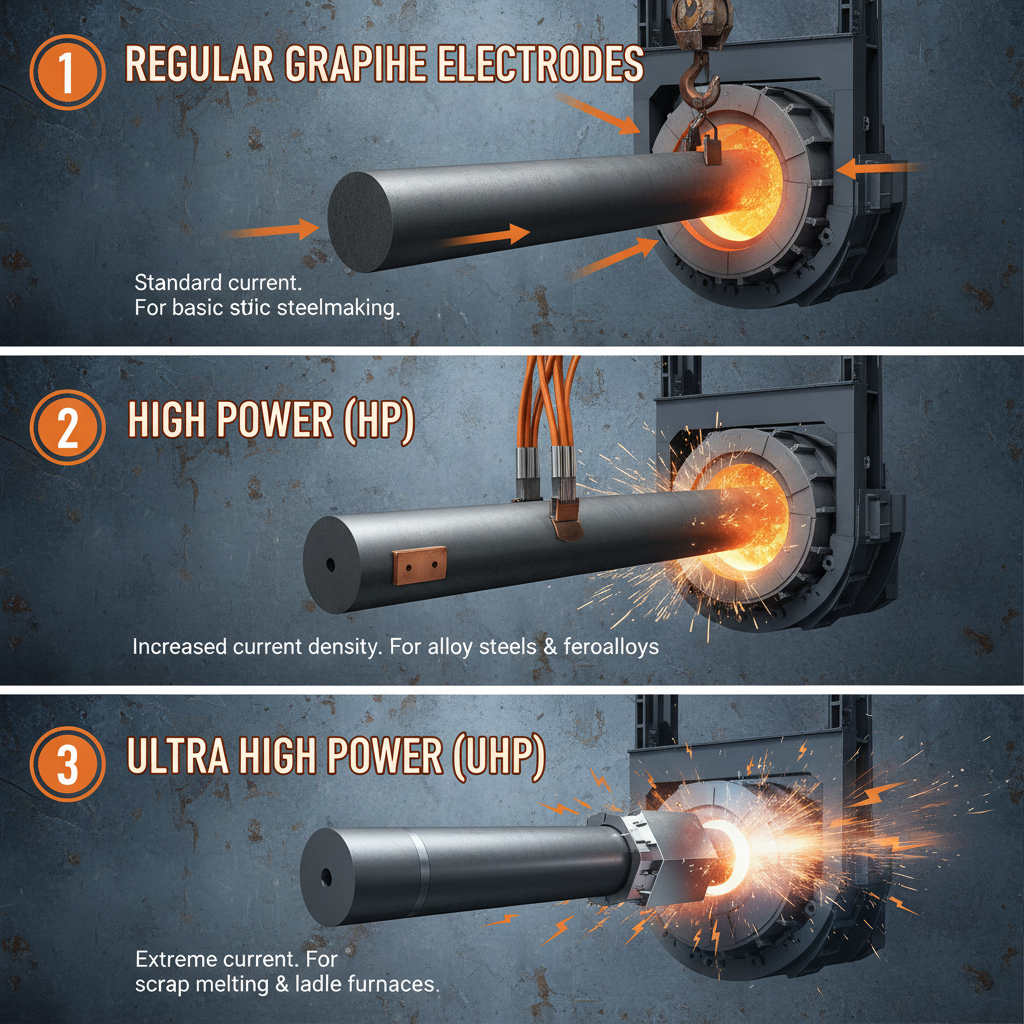
Emerging applications are also driving demand. CPC is being explored for use in advanced carbon materials, such as carbon fibers and graphite electrodes, in batteries and other energy storage applications. This diversification promises new growth avenues beyond its traditional roles.
Advantages and Long-Term Value Proposition
The cost-effectiveness of calcined petroleum coke is a major advantage. Compared to alternative carbon sources, CPC is generally more affordable, contributing to lower production costs for industries like aluminum and steel. This price competitiveness is a key factor driving continued demand.
From a long-term perspective, utilizing high-quality CPC can contribute to improved product quality and process efficiency. Consistent carbon content and low sulfur levels lead to more reliable and predictable performance, minimizing waste and optimizing outputs. This translates to increased profitability and customer satisfaction.
Future Trends and Innovations in CPC
Research and development efforts are focused on improving the sustainability of CPC production. This includes exploring alternative calcination technologies that reduce greenhouse gas emissions and optimizing raw material sourcing to minimize environmental impact. Carbon capture and storage (CCS) technologies are also being investigated for integration with CPC plants.
Digitalization and automation are revolutionizing the CPC industry. Implementing real-time process monitoring, data analytics, and automated control systems can enhance efficiency, improve quality control, and reduce operating costs. These technologies are enabling producers to optimize their operations and respond quickly to changing market conditions.
Challenges & Solutions
One of the major challenges in the CPC industry is the increasing scrutiny of its carbon footprint. The calcination process is energy-intensive and releases substantial CO2 emissions. The fluctuating price of crude oil and the availability of green petroleum coke also pose ongoing operational challenges.
Solutions involve adopting cleaner calcination technologies, exploring alternative feedstocks such as biomass-derived coke, and implementing carbon capture and storage (CCS) solutions. Diversification of supply chains and long-term contracts with refineries can mitigate the risk of raw material shortages.
Furthermore, investing in research and development of alternative carbon materials with lower environmental impact is crucial. Collaboration between industry stakeholders, research institutions, and government agencies is essential for accelerating innovation and fostering a more sustainable future for the CPC industry.
Core Factors Influencing Calcined Petroleum Coke Quality and Price
| Raw Material Source |
Calcination Process |
Sulfur Content |
Market Demand |
| Crude Oil Type (Sweet vs. Sour) |
Temperature and Residence Time |
0.5% - 1.5% |
Aluminum Production (70%) |
| Refinery Efficiency |
Atmospheric Control and Gas Cleaning |
<0.5% (Premium Grade) |
Steel Manufacturing (20%) |
| Geopolitical Stability |
Energy Consumption and Cost |
1.5% - 3% (Standard Grade) |
Titanium Dioxide Production (10%) |
| Transportation Costs |
Environmental Regulations and Compliance |
>3% (Lower Grade) |
Regional Demand Variations |
| Contractual Agreements |
Process Optimization and Automation |
Impacts Anode Performance |
Global Economic Conditions |
| Supply Chain Resilience |
Waste Heat Recovery Systems |
Affects Emission Levels |
Investment in New Technologies |
FAQS
Calcined petroleum coke is overwhelmingly used in the aluminum industry as the key carbon material for producing anodes. Beyond aluminum, it’s utilized in steelmaking as a carbon raiser, in the production of titanium dioxide pigment, and in various metallurgical processes where a high-carbon, low-sulfur material is required. It's crucial to many industrial processes.
Sulfur content significantly impacts the performance of CPC, especially in aluminum smelting. High sulfur levels can reduce the conductivity of anodes and lead to increased energy consumption and lower aluminum production efficiency. Lower sulfur content is essential for premium-grade CPC and environmentally responsible practices.
The main environmental concerns stem from greenhouse gas emissions during the calcination process and potential air pollution from dust particles. Responsible producers are investing in technologies to reduce emissions, such as carbon capture and storage, and are implementing strict dust control measures to minimize environmental impact.
Generally, calcined petroleum coke is more cost-competitive than alternative carbon sources like natural graphite, particularly for large-scale industrial applications. However, pricing can fluctuate based on crude oil prices, sulfur regulations, and overall market demand.
Key factors influencing quality include the type of crude oil used as feedstock, the precision of the calcination process (temperature, residence time), and the efficiency of sulfur removal. Consistency in these factors is critical for achieving high-quality CPC.
Trends include increased environmental regulation driving demand for lower-sulfur CPC, investment in carbon capture technologies, and the exploration of alternative carbon sources. Digitalization and automation will also play a growing role in optimizing production processes and improving quality control.
Conclusion
In conclusion, calcined petroleum coke remains a vital material underpinning crucial industries, most notably aluminum production. Its unique properties – high carbon content, low sulfur levels, and consistent performance – ensure its continued relevance in a diverse range of applications. Addressing environmental concerns through innovative technologies and sustainable practices is paramount to its long-term viability.
Looking ahead, embracing digitalization, exploring alternative carbon sources, and proactively adapting to evolving regulations are critical for success. By prioritizing sustainability and efficiency, the calcined petroleum coke industry can navigate future challenges and contribute to a more resilient and environmentally responsible industrial landscape. For more information on high-quality calcined petroleum coke and its applications, visit our website: www.nlgraphite.com