You know, this graphite electrode stuff… it’s changed a lot even in the last few years. Used to be, you just needed something that could conduct, right? Now everyone’s talking about ultra-high power, low resistance, and all sorts of fancy metrics. Frankly, a lot of it’s marketing, but there is real progress happening. To be honest, seeing the demand for larger, more efficient furnaces really drives the need for better electrodes. It’s all about getting more output with less energy, and that's where the real money is made.
What’s been interesting lately is the push for graphite electrodes that can handle fluctuating power supplies. Steel mills, especially, are running more intermittent operations with renewable energy sources coming online. That throws a wrench into things because these electrodes are sensitive. They need consistent conditions. And, have you noticed, everyone's obsessed with the purity levels now? Used to be, as long as it conducted, nobody cared too much about the impurities. Now it's all about minimizing the impact on the steel's composition. It's a headache, honestly.
The whole industry’s moving towards larger diameter electrodes, too. More current, less electrodes needed per furnace. Simple math, but getting those big boys manufactured consistently… that’s the hard part.
The Current Landscape of Graphite Electrode Supply
The biggest suppliers right now are mostly in China, and it's... complex. There's a lot of price fluctuation. I encountered this at a factory in Liaoning last time. They were quoting one price in the morning, and a completely different one in the afternoon. It depends on the raw material supply – which is heavily reliant on the graphite mines. And those mines… well, let’s just say environmental regulations aren't always top of mind. Strangely, even with all the competition, finding a supplier who can consistently deliver quality electrodes is tough. A lot of them chase the low end of the market, which means corners get cut.
You also have a few established players in Europe and North America, but they’re generally focused on the higher-end, specialized applications. They can’t compete on price, but they deliver reliability. Anyway, I think the key takeaway is that the supply chain is fragile, and you need to build strong relationships with your suppliers.
Common Pitfalls in Graphite Electrode Design
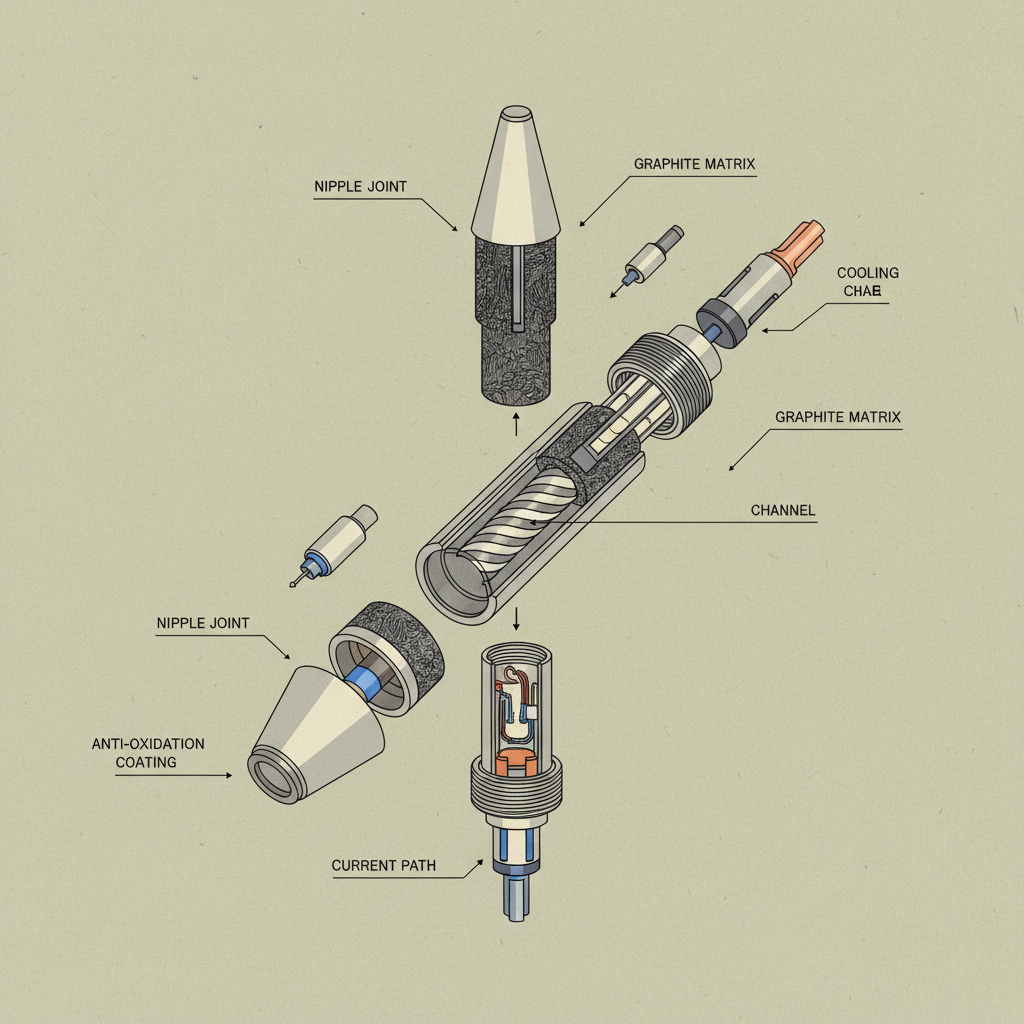
Oh boy, design pitfalls. Where do I even start? A big one is neglecting the joint design. If the joints between electrode sections aren't properly machined and threaded, you're going to get arcing, overheating, and ultimately, premature failure. It seems simple, but it’s a consistent problem. Another one is not considering the thermal shock resistance. These things go from cold to incredibly hot in a matter of minutes, and if the graphite isn’t formulated correctly, it'll crack. And don’t even get me started on the impact resistance. Sometimes, things fall into the furnace. It happens. And a brittle electrode… well, it’s not going to survive.
Then there’s the whole issue of graphite grade selection. You’ve got different grades for different applications – some are better for high-power, others for long life. Picking the wrong grade can be a costly mistake. A lot of engineers focus too much on the theoretical properties and not enough on how it will behave in a real-world furnace environment.
One thing I've noticed is a tendency to over-engineer. Making the electrodes too thick doesn't always translate to better performance. It can actually increase resistance and reduce efficiency. There’s a sweet spot, and finding it requires a lot of testing and experience.
Materials and Their Quirks
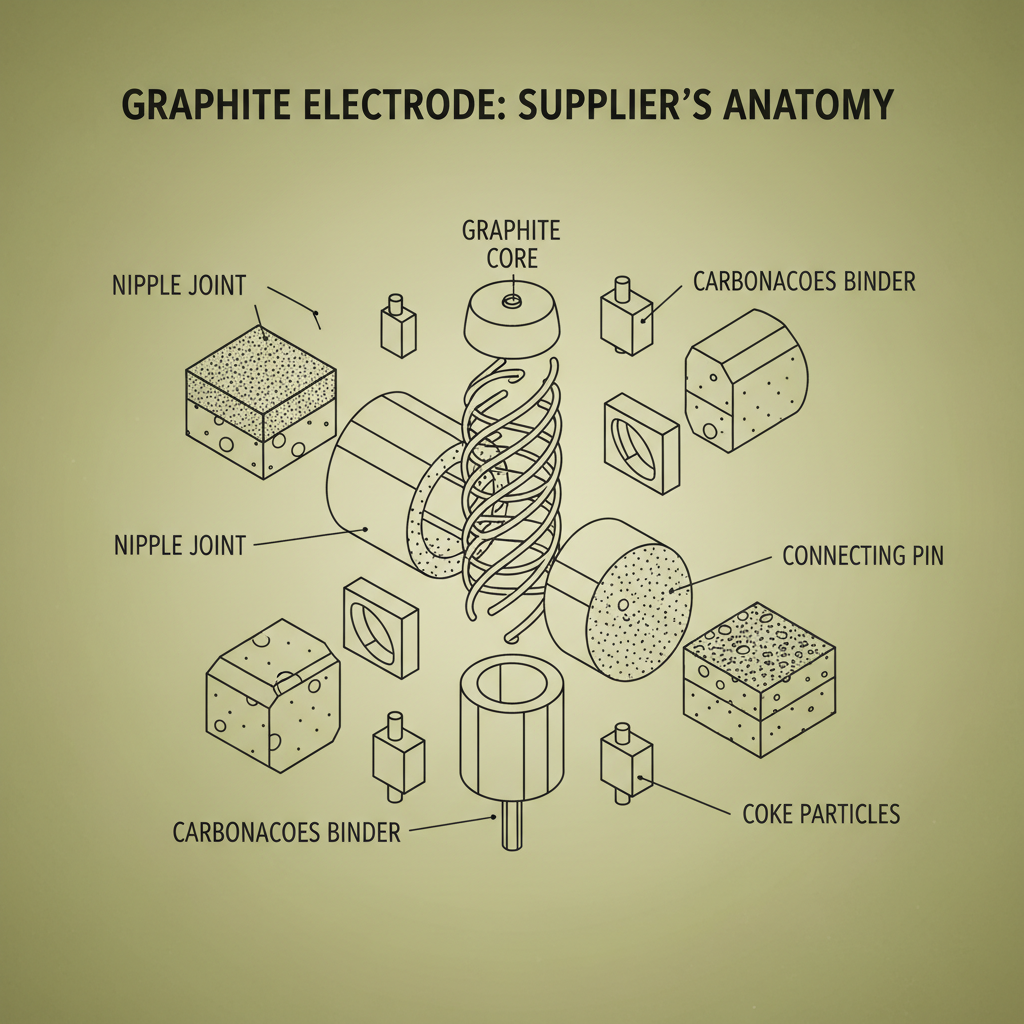
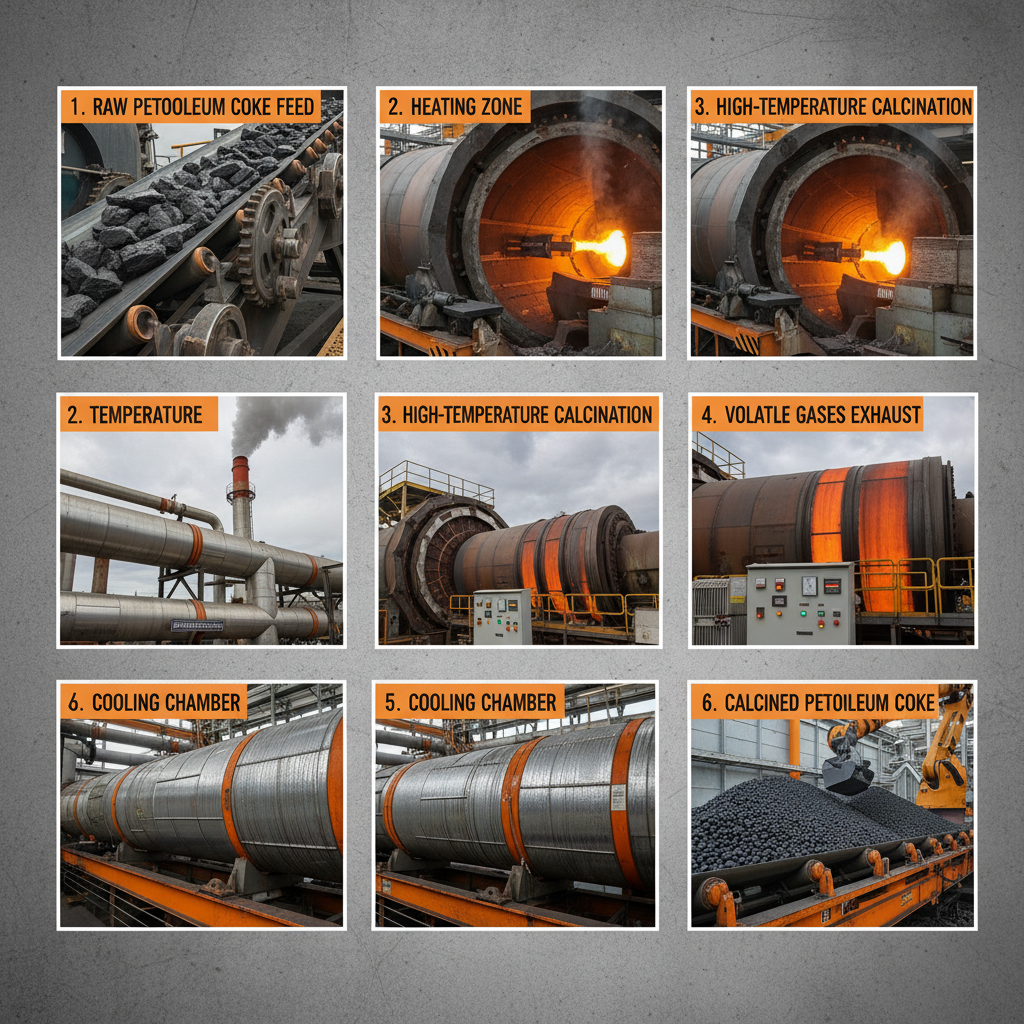
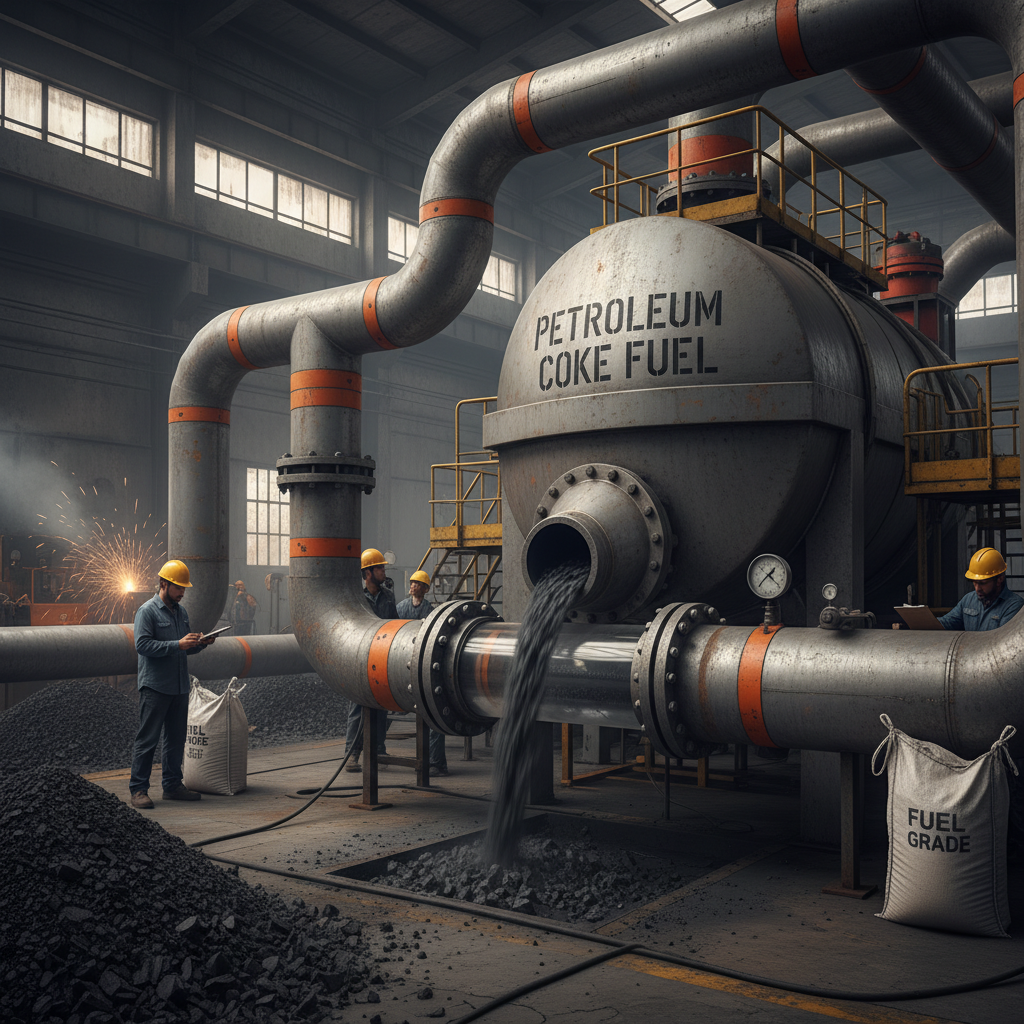
So, the graphite itself… it’s not just straight carbon. It's usually mixed with things like pitch coke, petroleum coke, and various binders. The pitch coke gives it strength, the petroleum coke helps with conductivity, and the binders hold it all together. You can actually smell the difference in the raw materials. High-quality pitch coke has a… almost sweet smell, believe it or not. Lower grade stuff smells more like tar. Gross. And handling the stuff… it’s messy. It gets everywhere. You’re always covered in graphite dust.
Then there’s the impregnation process. They inject the graphite with pitch or resin to fill the pores and increase its density. That’s a critical step. If it’s not done right, you’ll end up with an electrode that’s prone to oxidation and has a shorter lifespan. I once saw a batch where they used the wrong type of resin, and the electrodes basically disintegrated after a few hours of use. It was a disaster.
And let's not forget about the nipple material – the threaded metal part at the end. That needs to be corrosion-resistant and able to withstand incredibly high temperatures. Usually, it’s made of stainless steel, but the specific alloy is important. You don't want it failing mid-melt, because that can be… catastrophic.
Real-World Testing & Performance
Lab tests are fine, but they don’t tell the whole story. You have to test these things in a real furnace environment. We typically run burn tests, where we subject the electrodes to a full melt cycle, monitoring the voltage drop, temperature, and consumption rate. That gives us a good indication of how they'll perform in the field.
We also do impact tests, dropping weights onto the electrodes to simulate accidental impacts. And then there’s the thermal cycling test, where we repeatedly heat and cool the electrodes to see how they hold up to thermal stress. It's not glamorous work, but it's essential.
Graphite Electrode Performance Metrics
How They're Actually Used
You know, it’s funny. Engineers will tell you they’re used in specific, controlled environments, with precise parameters. But in reality… it’s chaos. Operators often push the electrodes harder than they should, trying to maximize output. And they don't always follow the recommended procedures for jointing and handling.
I’ve seen guys using a hammer to seat the electrode sections! A hammer! It's terrifying. And then they wonder why they’re getting arcing and premature failure. Honestly, a lot of it comes down to training and operator skill. You can have the best electrodes in the world, but if the guys running the furnace don’t know what they’re doing, it's all for nothing.
The Upsides (and Downsides)
Okay, let's be real. Good graphite electrodes can significantly reduce energy consumption and increase furnace efficiency. That translates to lower costs and higher profits. They also improve the quality of the steel, which is obviously important. But… they're expensive. Really expensive. And the price is only going up.
Another downside is the dust. Graphite dust is a health hazard, and you need to take proper precautions to protect your workers. It gets into everything. It's a constant battle. And then there’s the breakage issue. Even with the best electrodes, they will eventually break. And when they do, it can cause significant downtime and production losses.
But overall, I’d say the benefits outweigh the drawbacks, if you choose the right supplier and manage the process properly.
Customization and Specific Cases
We had a customer last month, a small boss in Shenzhen who makes smart home devices, who insisted on changing the interface to for their electrodes – for some reason. He thought it would be “more modern”. It was a nightmare. The standard threaded connection is proven and reliable. Trying to adapt it to a interface introduced all sorts of problems with conductivity and mechanical strength. He wasted a ton of money, and in the end, he had to go back to the threaded connection.
But we can customize things like electrode diameter, length, and nipple material. We also offer different coatings to improve oxidation resistance. A lot of times, it’s about tailoring the electrode to the specific furnace design and the type of steel being produced.
For example, we worked with a customer who was producing a specialized alloy that required extremely high purity. We had to source a specific grade of graphite and implement a very strict quality control process to ensure that the electrodes met their requirements. It was challenging, but we got it done.
Key Characteristics of Graphite Electrode Performance
| Electrode Grade |
Consumption Rate (mm/hr) |
Resistance (µΩ) |
Breakage Rate (%) |
| UHP (Ultra High Power) |
0.25 - 0.35 |
2.5 - 3.0 |
1 - 2 |
| HP (High Power) |
0.35 - 0.45 |
3.0 - 3.5 |
2 - 3 |
| RP (Regular Power) |
0.45 - 0.55 |
3.5 - 4.0 |
3 - 4 |
| Graphite Electrode A |
0.30 |
2.8 |
1.5 |
| Graphite Electrode B |
0.40 |
3.2 |
2.5 |
| Graphite Electrode C |
0.28 |
2.6 |
1.2 |
FAQS
Honestly, it's the operating conditions. Consistent current, proper jointing, and avoiding thermal shock are huge. Poor operating practices will kill an electrode faster than anything else. We see a lot of issues stemming from fluctuating power supplies, especially with the increasing use of renewable energy sources. A stable environment is key, but that's not always possible in the real world.
That depends on the type of steel you're making, the furnace design, and the operating parameters. UHP grade is best for high-power applications, but it's also the most expensive. HP grade is a good compromise, and RP grade is suitable for lower-power applications. You really need to consult with a specialist who can assess your specific needs and recommend the appropriate grade. Don't just go for the cheapest option – it'll likely cost you more in the long run.
Carefully! Seriously, they’re brittle. Avoid dropping them or subjecting them to impact. Store them in a dry, protected area. When jointing them, make sure the threads are clean and properly lubricated. And always wear appropriate personal protective equipment – graphite dust is a health hazard. Treat them like the expensive pieces of equipment they are, and they'll last longer. It’s simple stuff, but people often overlook it.
Yeah, a few. There's research into using new binder materials to improve electrode strength and conductivity. Also, some companies are experimenting with different impregnation techniques to reduce oxidation. And there’s a lot of work going into developing electrodes that can better withstand thermal shock. It’s incremental progress, but it's happening. Don’t expect a revolutionary breakthrough overnight, though.
Stop the furnace immediately and isolate the power. Then, carefully remove the broken electrode and inspect the furnace for any damage. It's crucial to identify the cause of the breakage to prevent it from happening again. Was it a result of poor operating practices, a faulty electrode, or a sudden power surge? Once you've identified the cause, you can take steps to address it. It's a pain, but safety comes first.
Right now? It's all over the place. Depending on the size, grade, and quantity, lead times can range from a few weeks to several months. The supply chain is still recovering from disruptions, and demand is high. If you need electrodes urgently, it’s best to order them well in advance and work with a supplier who has a good track record of on-time delivery. Don’t wait until you’re down to your last pair.
Conclusion
So, yeah. Graphite electrodes. They’re not the most glamorous part of the steelmaking process, but they’re absolutely essential. Choosing the right supplier, understanding the materials, and managing the process properly can significantly improve furnace efficiency, reduce costs, and enhance steel quality. There's a lot of nuance to it, and it takes experience to navigate the challenges.
Ultimately, whether this thing works or not, the worker will know the moment he tightens the screw. You can have the best electrodes in the world, but if the guy on the furnace floor isn’t paying attention, it doesn't matter. It’s a team effort, and everyone needs to be on the same page. And if you’re looking for a reliable graphite electrode supplier, check out nlgraphite.com. They know their stuff.