

- Englist


Expanded Graphite Properties Applications and Industrial Guide

The Ultimate Guide to Expanded Graphite: Properties and Applications
In the realm of advanced materials, expanded graphite has emerged as a versatile powerhouse, offering unparalleled thermal and electrical properties. Through a process of intercalation and thermal expansion, natural graphite is transformed into a worm-like structure with a significantly increased surface area and lower density. This unique morphology makes it indispensable in industries ranging from energy storage to fire protection. Whether you are looking to improve heat dissipation in electronics or enhance the safety of architectural coatings, understanding the nuances of this material is key to optimizing your product's performance. In this guide, we will explore why this material is becoming the gold standard for high-performance industrial applications.

What is Expanded Graphite and How is it Made?
At its core, expanded graphite is produced by treating natural flake graphite with an oxidizing agent (intercalant), typically sulfuric acid. This process inserts molecules between the graphene layers. When the intercalated graphite is suddenly heated to temperatures between 800°C and 1000°C, the intercalant decomposes into gases, forcing the layers apart and expanding the material up to 100 to 300 times its original volume. This creates a porous, lightweight, and highly conductive structure. The result is a material that maintains the inherent strengths of graphite while adding a massive internal surface area, which is critical for absorbing chemicals or enhancing thermal transfer.
Pro Tip: The degree of expansion directly impacts the bulk density of the final product. By controlling the heating rate and temperature, manufacturers can tailor the material for specific density requirements in industrial gaskets or battery anodes.
Key Advantages of Using Expanded Graphite in Industry
The shift toward expanded graphite in modern manufacturing is driven by its exceptional physical and chemical stability. Unlike many synthetic polymers, it is highly resistant to heat and chemical corrosion, making it ideal for harsh environments. Its most striking feature is its thermal conductivity—it can move heat away from sensitive components with incredible efficiency. Additionally, its ability to act as a "sponge" for other materials allows it to be used as a carrier in catalyst supports or specialized lubricants. This versatility ensures that it can be integrated into existing workflows without requiring extensive redesigns of the end-product.
Core Benefits:
• High Thermal Conductivity: Rapid heat dissipation in electronics.
• Excellent Chemical Inertness: Stable in the presence of acids and bases.
• Low Density: Reduces the overall weight of composite materials.
• Fire Retardancy: Expands upon heating to form a protective char layer.
Comparing Expanded Graphite with Traditional Graphite
While natural flake graphite is useful, expanded graphite offers a fundamentally different structural profile. The most significant difference lies in the surface area and compressibility. While standard graphite is dense and rigid, the expanded version is compressible and flexible, allowing it to create airtight seals in gaskets. In the field of energy storage, the expanded structure provides more active sites for ion exchange, which can potentially improve the charging efficiency of batteries. Below is a detailed comparison of the two forms:
Industrial Applications of Expanded Graphite
The practical applications of expanded graphite are vast. In the automotive industry, it is used for thermal interface materials (TIMs) that keep CPUs and batteries cool. In the construction sector, it is a key component in intumescent coatings—paints that swell when exposed to fire, creating a thermal barrier that protects steel beams from collapsing. Furthermore, it is used in the creation of high-performance gaskets and seals for chemical processing plants, where it prevents leaks of hazardous materials under extreme pressure and temperature.
Technical Specifications for Expanded Graphite
When sourcing expanded graphite, it is essential to look at the technical specifications to ensure the material matches your application's needs. Carbon purity, expansion ratio, and bulk density are the three primary metrics. High-purity graphite is required for electronic applications to avoid short circuits caused by metallic impurities. Meanwhile, the expansion ratio determines how the material will behave when compressed into a foil or a gasket. The following table outlines the typical industry specifications:
Sustainable Sourcing and Future Trends
As the global economy shifts toward green energy, the demand for expanded graphite is expected to surge, particularly in the EV battery sector. Innovations are currently focusing on reducing the environmental impact of the intercalation process by using greener acids or alternative expansion methods. Furthermore, research into graphene-enhanced expanded graphite is promising, aiming to create materials with even higher electrical conductivity and strength. By choosing suppliers who prioritize purity and sustainable processing, companies can ensure their supply chain remains resilient and eco-friendly.
Conclusion: Optimizing Your Product with Expanded Graphite
From its unique worm-like structure to its exceptional thermal management capabilities, expanded graphite represents a critical bridge between raw mineral strength and high-tech application. Its ability to function as a fire retardant, a thermal conductor, and a high-performance sealant makes it a versatile tool for engineers and product designers alike. By understanding its technical specifications and choosing the right form for your specific needs, you can significantly enhance the efficiency, safety, and durability of your industrial products.
Frequently Asked Questions (FAQs)
How is expanded graphite used in fire prevention?
Expanded graphite is a primary ingredient in intumescent materials. When exposed to high heat, the material expands further, creating a thick, carbonaceous char layer. This layer acts as a thermal insulator, slowing down the transfer of heat to the underlying substrate (such as a steel beam). This prevents the substrate from reaching its critical failure temperature, providing vital extra time for evacuation and firefighting efforts in commercial and residential buildings.
Is expanded graphite conductive?
Yes, it retains the excellent electrical conductivity of natural graphite. Because the graphene layers remain intact during the expansion process, electrons can still move efficiently across the material. This makes it highly effective for Electromagnetic Interference (EMI) shielding and for use as a conductive additive in battery electrodes, where low resistance and high surface area are required for optimal performance.
Can expanded graphite be used as a lubricant?
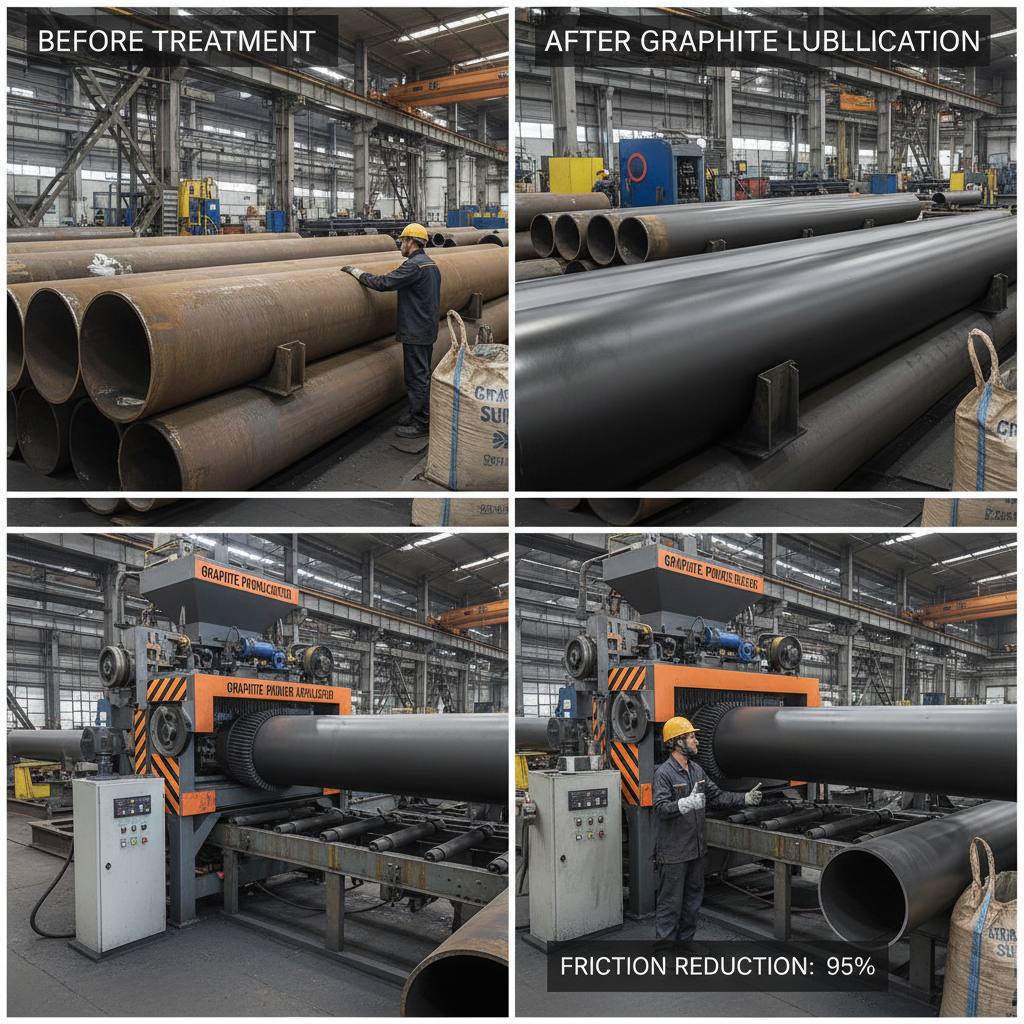
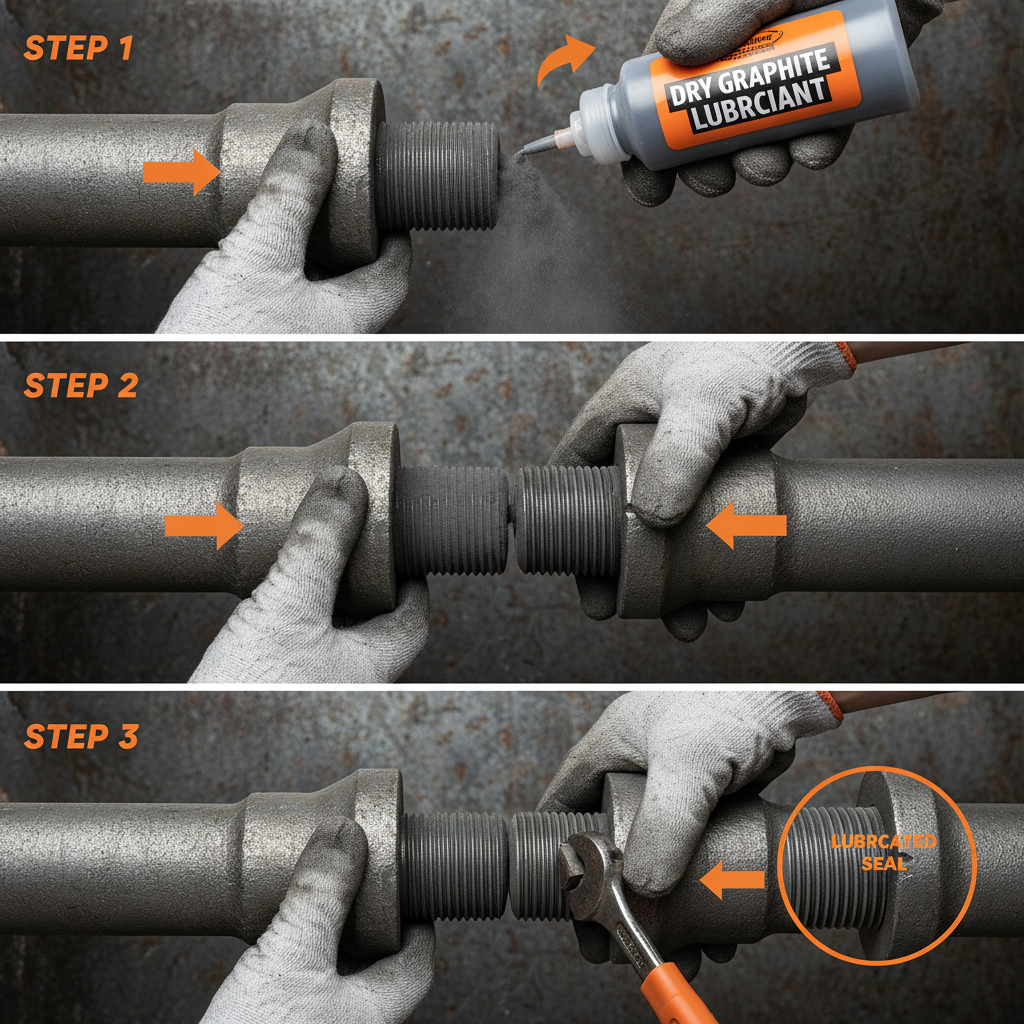
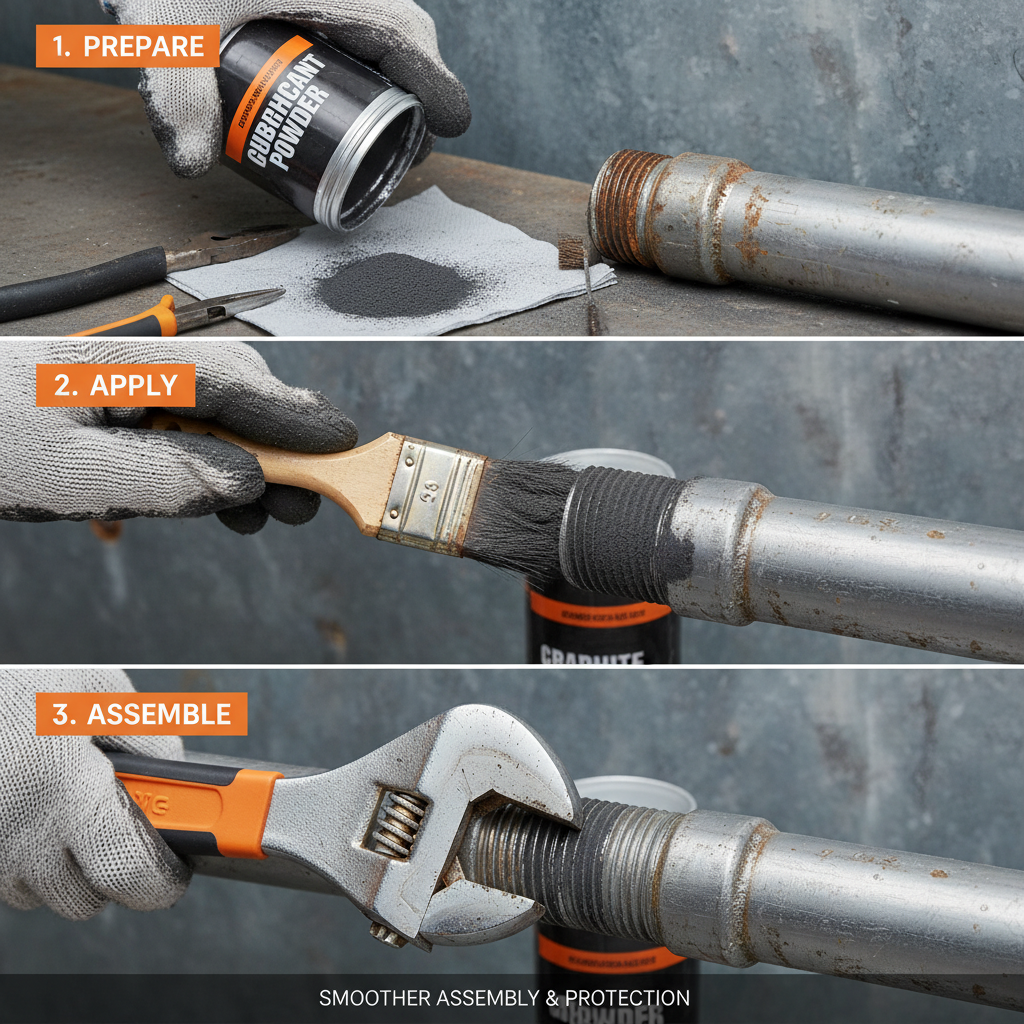
While traditional graphite powder is a well-known dry lubricant, the expanded form is more commonly used in composite lubricants or as a base for specialized grease. Its porous structure allows it to hold lubricant oils or chemicals more effectively than dense graphite. When used in these composites, it provides a combination of high-temperature stability and a smooth sliding surface, reducing friction and wear in heavy machinery parts.
How do I choose between different grades of expanded graphite?
Choosing the right grade depends on your primary goal: thermal management, sealing, or chemical absorption. For electronics, prioritize high purity (carbon content ≥ 99%) to ensure electrical stability. For gaskets, focus on the bulk density and compressibility—lower density materials generally offer better sealing capabilities when compressed. For catalyst supports, the expansion ratio and surface area are the most critical factors to ensure maximum active site availability. You can find specific grade recommendations at nlgraphite.com.
 Pervious
 Next
Next