

- Englist



Reliable Graphite Powder Manufacturer for Industrial Applications

Choosing the Right Graphite Powder Manufacturer for Your Industrial Needs
In the modern industrial landscape, the quality of raw materials can make or break the efficiency of a production line. Finding a reliable graphite powder manufacturer is essential for businesses requiring high-performance lubricants, conductive additives, or heat-resistant materials. Graphite powder, known for its exceptional lubricity and thermal conductivity, serves as a cornerstone in everything from automotive parts to advanced electronics. Selecting a partner who understands the nuance of particle size distribution and purity levels ensures that your end product meets rigorous international standards. In this guide, we will explore the critical factors to consider when sourcing graphite and how to identify a manufacturer that delivers consistent quality.
The Role of a Professional Graphite Powder Manufacturer
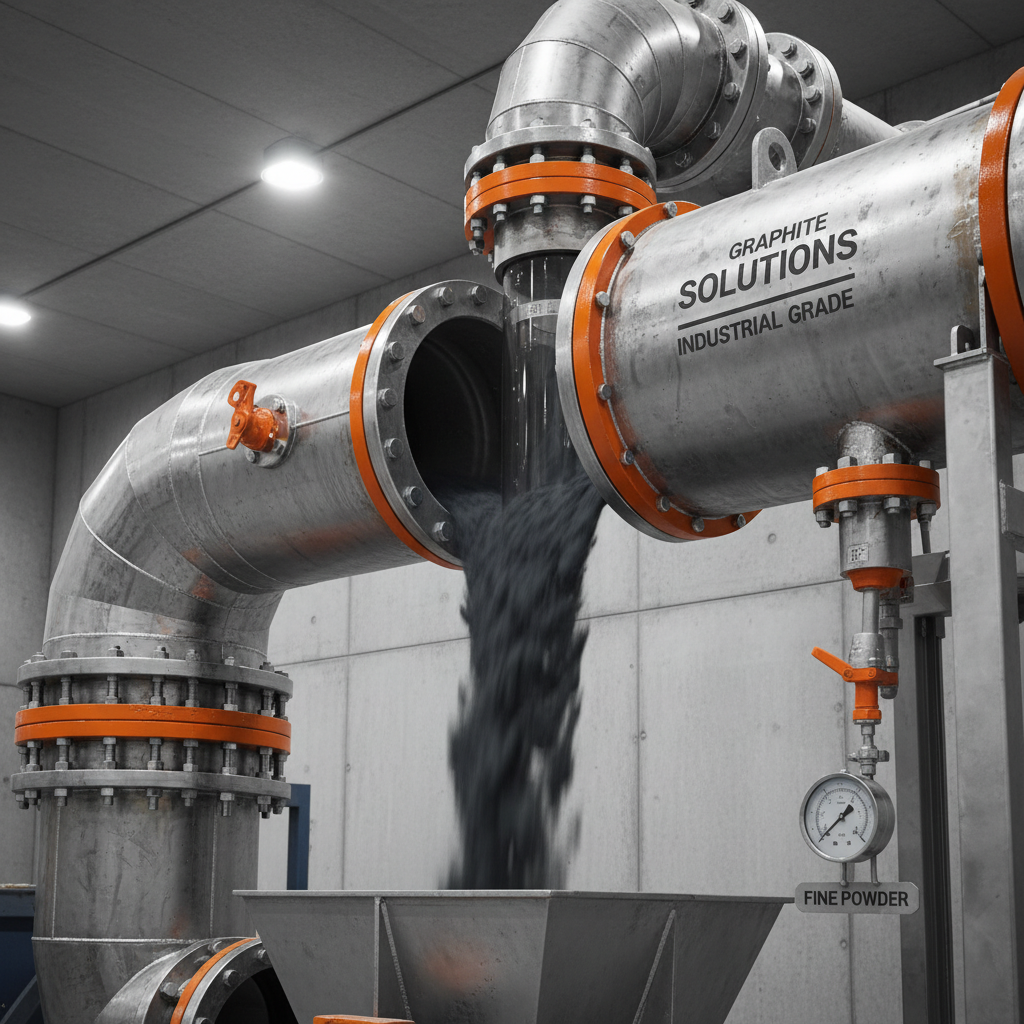
A professional graphite powder manufacturer does more than just grind minerals; they engineer solutions. The process involves precise milling, classification, and purification to achieve the desired grade of graphite. Whether you need natural flake graphite for its lubrication properties or synthetic graphite for high-purity electrical applications, the manufacturer's ability to control the micron size is paramount. By leveraging advanced technology, a top-tier producer can minimize impurities like ash and sulfur, which is critical for applications in the aerospace and semiconductor industries where even a trace amount of contamination can lead to failure.
Industry Insight: Particle size is the most critical variable. Coarser powders are typically used for heavy-duty lubrication, while ultra-fine powders are essential for conductive coatings and battery anodes.
Key Quality Metrics from Your Graphite Powder Manufacturer
When evaluating a graphite powder manufacturer, you must look beyond the price tag. Quality is measured by specific technical parameters that dictate how the powder will behave in your specific application. Carbon content determines the purity, while specific gravity affects the density of the final mixture. Furthermore, the consistency between batches is what separates a world-class supplier from a mediocre one. To help you compare, we have outlined the standard specifications typically provided by industry leaders to ensure transparency and performance reliability.
Applications Diversified by a Leading Graphite Powder Manufacturer
The versatility of the products supplied by a graphite powder manufacturer allows them to serve vastly different sectors. In the automotive industry, graphite powder is used in die-casting lubricants to prevent metal from sticking to molds. In the energy sector, it is an essential component for lithium-ion battery anodes, where high purity is non-negotiable. Additionally, the chemical industry utilizes it as a filler in polymers to improve thermal stability and electrical conductivity. This wide range of use cases requires a manufacturer that can customize their production process to meet specific client requirements.
Comparing Natural vs. Synthetic Graphite Powder
Choosing between natural and synthetic graphite is a common dilemma for procurement managers. A skilled graphite powder manufacturer will guide you based on your performance needs. Natural graphite is generally more cost-effective and offers superior natural lubricity. Synthetic graphite, however, is produced through a graphitization process of petroleum coke, resulting in a product with extremely high purity and a more uniform structure, making it ideal for high-end electronics. Understanding these differences ensures you don't overspend on specifications you don't need, nor sacrifice quality where it matters most.
Quick Selection Guide:
• Natural Graphite: Best for dry lubricants, pencils, and basic industrial coatings.
• Synthetic Graphite: Best for battery electrodes, semiconductor components, and high-temp crucibles.
Sustainability and Logistics of Graphite Powder Production
In today's global market, the ethics of sourcing are as important as the product itself. A responsible graphite powder manufacturer implements sustainable mining and processing practices to reduce environmental impact. Furthermore, because graphite powder is a fine material, logistics and packaging are critical. Proper moisture-proof packaging and dust-control measures during shipping prevent contamination and material loss. Choosing a manufacturer with a robust supply chain ensures that your production schedule is never interrupted by raw material shortages or shipping delays.
How to Vet Your Future Graphite Powder Manufacturer
Vetting a supplier requires a systematic approach. First, request a Certificate of Analysis (COA) for every batch to verify the chemical composition. Second, ask about their quality control systems—ISO certifications are a baseline, but internal testing protocols for particle size distribution (PSD) are more telling. Third, evaluate their capacity for customization; can they adjust the mesh size to your exact needs? A transparent graphite powder manufacturer will be happy to provide samples for your R&D team to test before committing to a bulk order.
Conclusion: Optimizing Performance with the Right Partner
The success of your industrial application depends heavily on the purity and consistency of your graphite. By partnering with a dedicated graphite powder manufacturer, you gain access to a combination of technical expertise and high-quality materials that drive efficiency and innovation. Whether you are enhancing the conductivity of a new polymer or reducing friction in heavy machinery, the right graphite grade is the key. Prioritize quality, verify specifications, and build a partnership based on transparency to ensure your business stays competitive in an ever-evolving market.
Frequently Asked Questions (FAQs)
How do I determine the correct mesh size for my application?
Determining the correct mesh size depends on the desired physical properties of your end product. For lubrication, a medium-to-coarse mesh often provides a more durable film. For electrical conductivity or battery anodes, a very fine, micron-sized powder is required to increase the surface area and improve electron transport. We recommend consulting with your graphite powder manufacturer to review your technical requirements and request samples of different grades to conduct comparative testing in your specific environment.
What is the difference between "purified" and "raw" graphite powder?
Raw graphite powder contains natural minerals and impurities (like silica or iron) found in the earth, which can interfere with electrical conductivity or cause chemical reactions. Purified graphite undergoes chemical or thermal treatment to remove these elements, significantly increasing the carbon percentage. For high-precision industrial use, purified graphite is essential to ensure stability and prevent contamination of the final product. Most top-tier manufacturers offer various levels of purification depending on the application's purity threshold.
How should graphite powder be stored to maintain its quality?
Graphite powder should be stored in a cool, dry, and well-ventilated area. Because it is a fine powder, it is susceptible to moisture absorption and contamination from airborne dust. It should be kept in its original, sealed packaging until the moment of use. Avoid storing it near strong oxidizing agents, as graphite can react under extreme conditions. Ensuring the storage environment is dry prevents the powder from clumping, which ensures a consistent flow and mix during the production process.
Can a manufacturer customize the graphite powder for specific industry standards?
Yes, a professional graphite powder manufacturer can customize several parameters, including particle size distribution, purity levels, and the addition of specific surface treatments. Many industries have their own internal standards or must comply with international certifications (like ASTM or ISO). By providing the manufacturer with a detailed technical specification sheet, you can receive a tailored product that fits perfectly into your manufacturing process, reducing waste and improving the quality of the final output.
 Pervious
 Next
Next