

- Englist



Comprehensive Analysis of Petcoke Market Price Trends and Influencing Factors

Petcoke Market Price: A Comprehensive Analysis
Understanding the petcoke market price is crucial for businesses involved in industries like cement, aluminum, and power generation. This article provides an in-depth look at the factors influencing petcoke pricing, current market trends, and insights for navigating this complex landscape. We'll explore historical data, regional variations, and future projections to help you make informed decisions. The petcoke market is dynamic, and staying abreast of price fluctuations is essential for optimizing procurement strategies. NL Graphite is committed to providing transparent and competitive pricing for high-quality petcoke.
Factors Influencing Petcoke Market Price
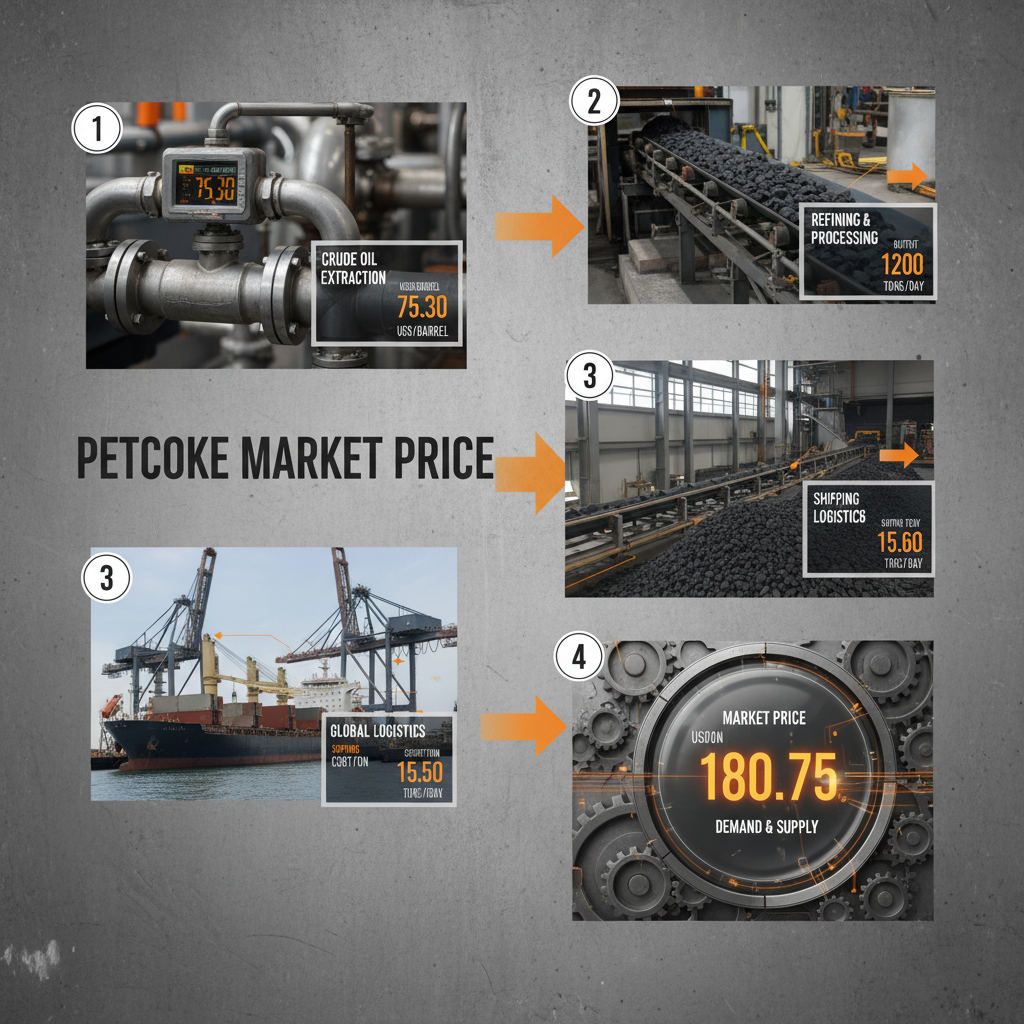
Several key factors contribute to the fluctuations in petcoke market price. Crude oil prices are a primary driver, as petcoke is a byproduct of oil refining. Supply and demand dynamics within the steel and aluminum industries significantly impact availability. Transportation costs, particularly shipping rates, play a crucial role, especially for international trade. Furthermore, environmental regulations concerning sulfur content and emissions can influence both production costs and demand. Geopolitical events and global economic conditions also exert influence on the market. The price of natural gas as an alternative fuel is another element impacting petcoke’s cost-effectiveness in various industrial applications.
Key Influencers: Crude oil prices, Supply/Demand in steel & aluminum, Transportation costs, Environmental Regulations, Geopolitical Factors.
Petcoke Market Price Trends: Historical Overview
Historically, the petcoke market price has exhibited significant volatility. In the early 2000s, prices were relatively stable, but they began to rise sharply with the growth of emerging economies and increased demand from the cement industry. The 2008 financial crisis caused a temporary dip, but prices rebounded quickly. The recent years have seen fluctuations driven by shifts in energy policies and the availability of alternative fuels. Looking at recent data, prices have been subject to instability due to supply chain disruptions. NL Graphite closely monitors these trends to provide competitive pricing to our clients.
Historical Price Trends:
• 2000s: Relatively stable prices.
• 2008: Dip due to financial crisis.
• Recent Years: Volatility due to energy policies & supply chain issues.
Petcoke Market Price: Regional Variations
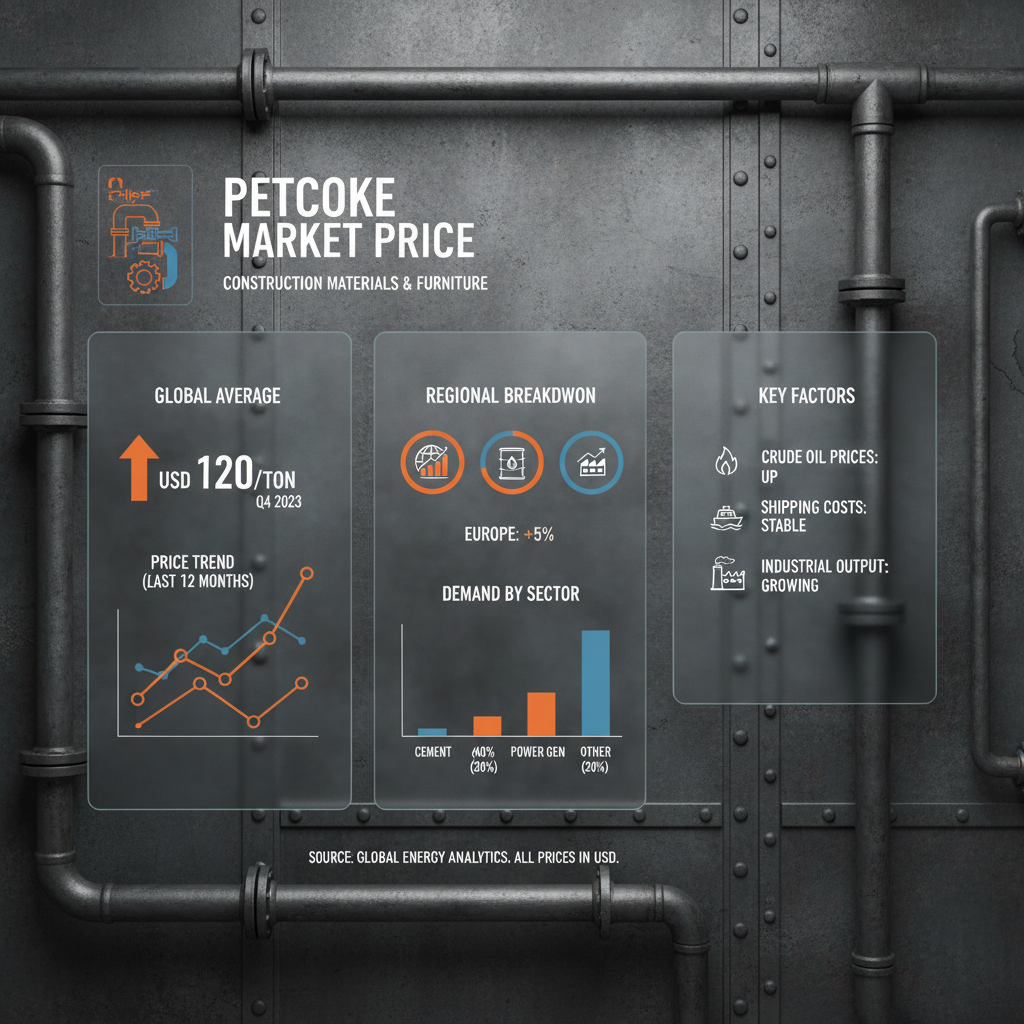
Petcoke market price varies considerably by region due to factors like transportation costs, local demand, and import duties. Asia, particularly China and India, represents the largest demand center, often leading to higher prices in those regions. North America generally has lower prices due to abundant domestic supply. Europe's pricing is influenced by both domestic production and imports. The Middle East benefits from proximity to refineries but can be subject to geopolitical risks. Understanding these regional dynamics is crucial for optimizing sourcing strategies. NL Graphite offers competitive pricing and flexible logistics to serve clients globally.
Future Projections for Petcoke Market Price
Analysts predict continued volatility in the petcoke market price. The shift towards cleaner energy sources and stricter environmental regulations may limit long-term demand. However, continued growth in developing economies and the cement industry could offset these declines. The rise of alternative fuels like biomass and waste-to-energy technologies also poses a potential threat to petcoke's market share. Supply chain resilience will be crucial in navigating future disruptions. NL Graphite is actively monitoring these trends to provide our customers with the best possible value.
NL Graphite: Your Trusted Petcoke Supplier
NL Graphite is a leading supplier of high-quality petcoke, serving a diverse range of industries globally. We are committed to providing competitive pricing, reliable supply, and exceptional customer service. We offer various grades of petcoke to meet specific customer requirements, including low-sulfur options. Our experienced team can assist you in navigating the complexities of the petcoke market and optimizing your procurement strategy. We prioritize sustainable practices and responsible sourcing.
Conclusion
Understanding the petcoke market price requires a comprehensive understanding of multiple influencing factors. By partnering with a reliable supplier like NL Graphite, you can mitigate risks and secure a stable supply of high-quality petcoke at competitive prices.
Frequently Asked Questions (FAQs)
What is the typical sulfur content in petcoke?
Sulfur content in petcoke varies depending on the source refinery and processing methods. It typically ranges from 1% to 8%, but low-sulfur petcoke (below 1%) is also available. Lower sulfur content is increasingly preferred due to environmental regulations and the need to reduce emissions. NL Graphite offers petcoke with varying sulfur levels to meet specific customer needs and regulatory requirements.
How is petcoke transported?
Petcoke is typically transported by bulk cargo ships, rail, and trucks. Shipping is the most common method for long-distance transport, while rail and trucks are used for inland distribution. Transportation costs can significantly impact the final petcoke price, especially for regions far from refineries. Efficient logistics and optimized shipping routes are crucial for minimizing costs. NL Graphite has a robust logistics network to ensure timely and cost-effective delivery.
What industries use petcoke?
Petcoke is primarily used in the cement industry as a fuel source for kilns. It is also used in aluminum production as a carbon source in the smelting process. Other applications include power generation, steel manufacturing, and various chemical processes. The demand from these industries drives the fluctuations in the petcoke market price. NL Graphite serves a wide range of customers across these industries.
What are the environmental considerations when using petcoke?
Petcoke combustion releases pollutants, including sulfur dioxide (SO2) and particulate matter. Therefore, environmental regulations often limit its use or require the installation of emission control technologies. Low-sulfur petcoke is preferred to minimize SO2 emissions. Responsible sourcing and proper combustion practices are crucial for mitigating environmental impacts. NL Graphite is committed to sustainable sourcing and can provide low-sulfur options.
 Pervious
 Next
Next