

- Englist



Comprehensive Guide to Petcoke Price Charts and Market Analysis

Understanding Petcoke Price Charts: A Comprehensive Guide
Petroleum coke (petcoke) is a crucial carbon material derived from oil refining, widely utilized in industries like aluminum production, steel manufacturing, and cement production. Understanding petcoke price charts is paramount for businesses relying on this commodity. This article delves into the factors influencing petcoke pricing, how to interpret price charts, and the importance of sourcing from reliable suppliers like NL Graphite. Monitoring these trends can significantly impact your bottom line, enabling informed purchasing decisions and robust supply chain management.
Factors Influencing Petcoke Pricing
Several key factors influence the price of petcoke. Crude oil prices play a significant role, as petcoke is a byproduct of the refining process. Global economic conditions, particularly the demand from key consuming industries like aluminum and steel, exert considerable pressure on pricing. Supply disruptions, whether due to refinery outages or logistical bottlenecks, can also lead to price increases. Geopolitical events and environmental regulations, which can impact refinery output, contribute to price volatility. Understanding these interconnected factors is crucial for accurately interpreting petcoke prices.
Key Influencers: Crude Oil Prices, Global Economic Demand, Supply Chain Disruptions, Geopolitical Events, Environmental Regulations.
Decoding the Petcoke Price Chart
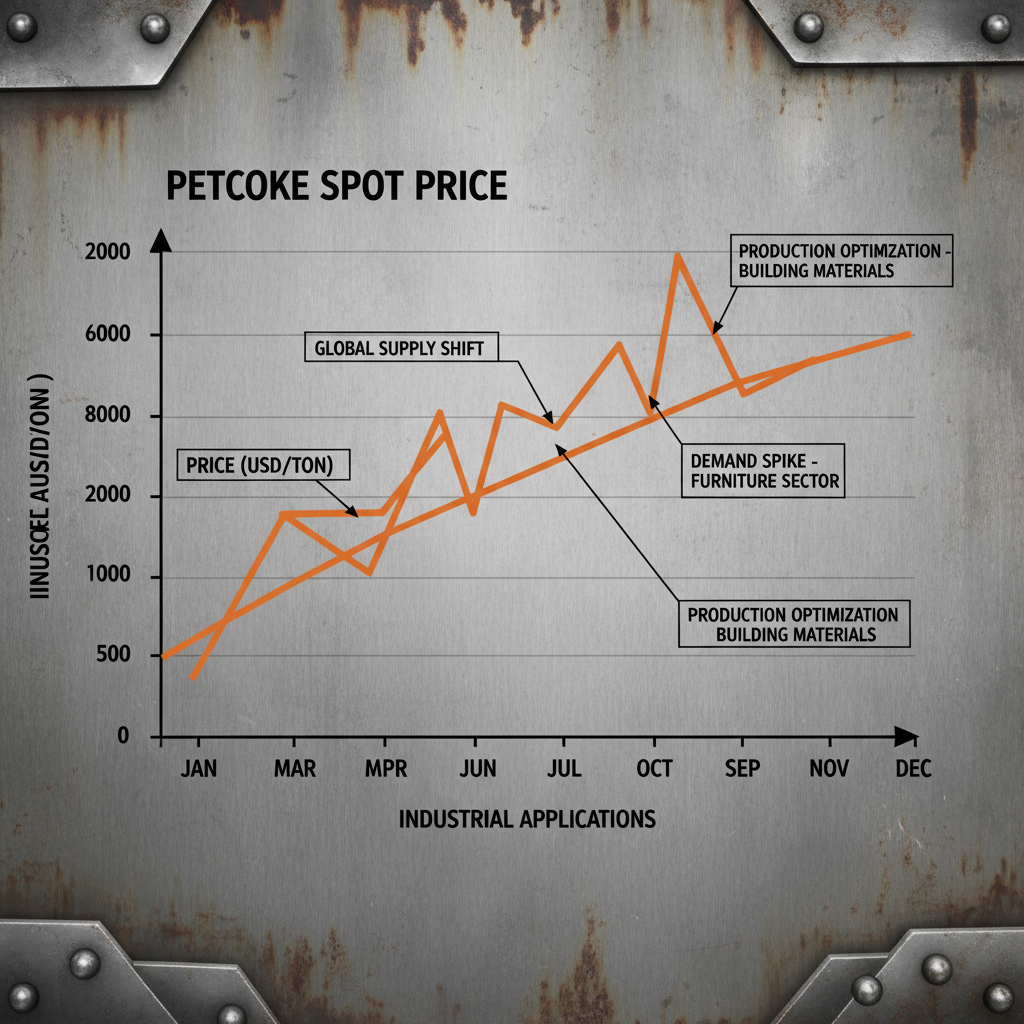
Petcoke price charts typically display the price per metric ton (MT) over a specific period. You'll often see different price points based on specification – sulfur content, moisture levels, and volatile matter significantly impact value. Charts can represent spot prices (current market price) or contract prices (agreed-upon prices for future deliveries). Analyzing trends – upward, downward, or sideways – reveals market sentiment. Look for significant spikes or dips, which often correlate with major events affecting supply or demand. Pay attention to volume traded alongside price; high volume reinforces the validity of a price movement. NL Graphite provides up-to-date market analysis to help clients interpret these complex charts.
Price Chart Key Elements:
• Price per Metric Ton (MT)
• Spot vs. Contract Prices
• Trends (Upward, Downward, Sideways)
• Trading Volume
Petcoke Price Chart: Historical Data & Comparison
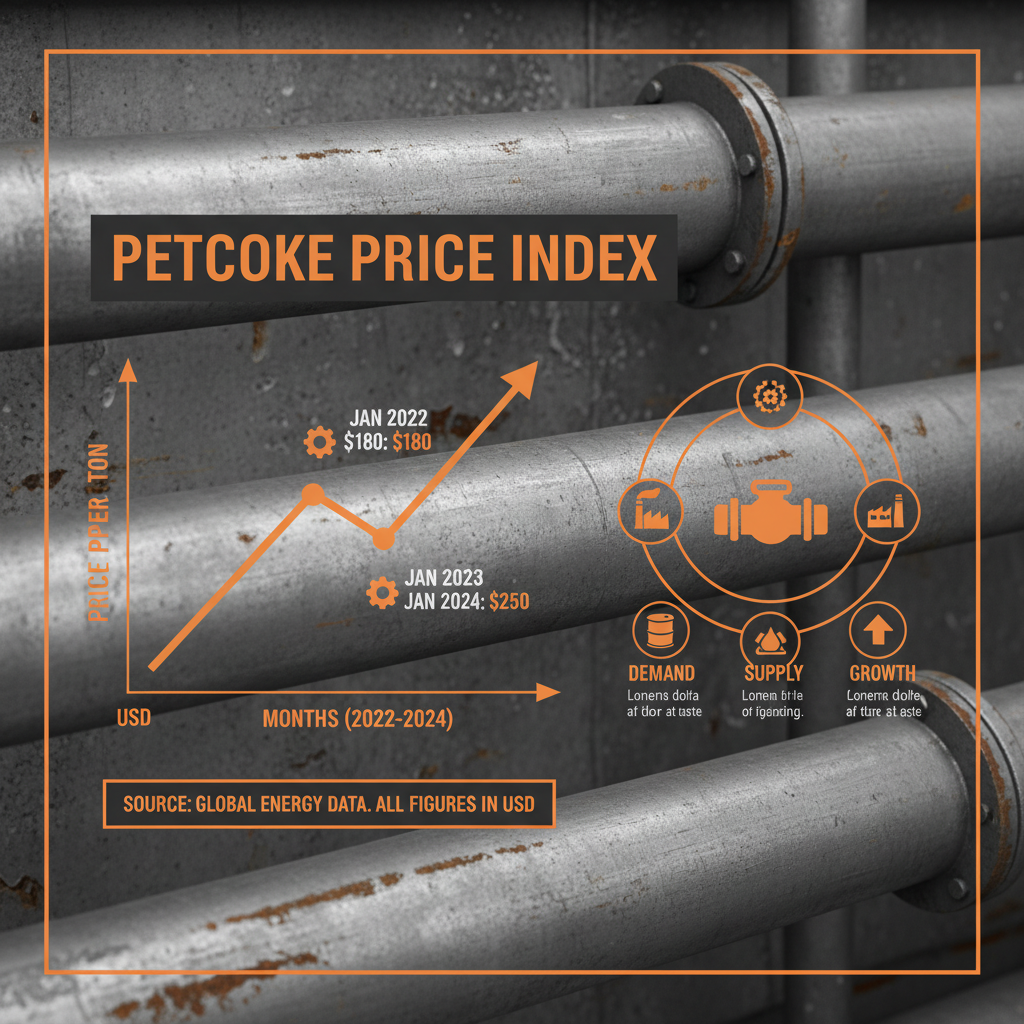
Examining historical data allows for informed forecasting. The following table illustrates the average annual petcoke prices (per MT) over the past five years, alongside comparisons with coal and natural gas prices to demonstrate relative value.
Sourcing Petcoke: Why Reliability Matters
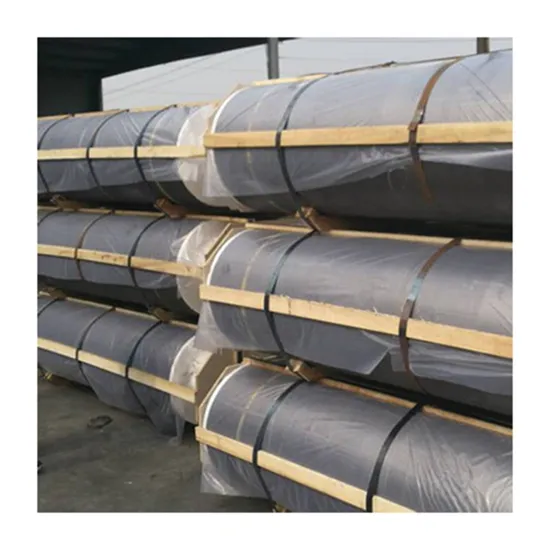
Choosing a reliable petcoke supplier is critical. Consistent quality, timely delivery, and transparent pricing are paramount. NL Graphite offers a secure supply chain, rigorous quality control, and competitive pricing. We understand the importance of consistent specifications and work closely with clients to meet their specific needs. Partnering with a trusted supplier mitigates risk and ensures your operations run smoothly. Beyond pricing, consider the supplier’s logistical capabilities and their commitment to sustainable practices.
Petcoke Specifications and Grades
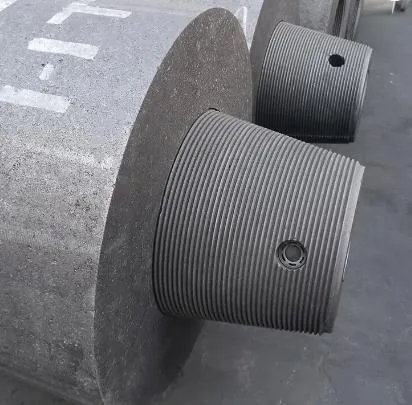
Petcoke is categorized into different grades based on its sulfur content and other properties. Common grades include: High-Sulfur Petcoke, Low-Sulfur Petcoke, and Needle Coke. Each grade is suited for different applications. High-sulfur petcoke is often used in power generation, while low-sulfur petcoke is preferred for aluminum production. Needle coke, known for its high degree of graphitization, is crucial for manufacturing graphite electrodes. Understanding the specific requirements of your application is vital for selecting the appropriate grade. NL Graphite offers a comprehensive range of petcoke grades to meet diverse industry demands.
Conclusion: Navigating the Petcoke Market
Successfully navigating the petcoke market requires a thorough understanding of pricing dynamics, specifications, and reliable sourcing. By carefully analyzing price charts, staying informed about market trends, and partnering with a trusted supplier like NL Graphite, businesses can optimize their procurement strategies and ensure a stable supply of this essential commodity.
Frequently Asked Questions (FAQs)
What influences short-term fluctuations in petcoke prices?
Short-term price fluctuations are often driven by immediate supply and demand factors. Refinery outages, unexpected spikes in demand from aluminum smelters, and logistical disruptions (like port congestion) can all cause rapid price changes. Weather patterns, particularly those impacting transportation routes, can also play a role. Geopolitical events, even minor ones, can introduce uncertainty and volatility. Monitoring industry news and relying on market intelligence reports is crucial for staying ahead of these short-term shifts. NL Graphite provides timely updates on these factors.
How does sulfur content affect the price of petcoke?
Generally, lower sulfur content commands a higher price. This is because low-sulfur petcoke is preferred in applications like aluminum production, where sulfur can negatively impact the process and final product quality. Removing sulfur is a costly process, so petcoke with naturally low sulfur levels is more valuable. However, high-sulfur petcoke still has significant value in other applications, such as power generation, where sulfur emissions can be managed through scrubbing technologies.
What are the key logistical considerations when purchasing petcoke?
Petcoke is a bulky commodity, so logistics are a major cost component. Consider the supplier's access to suitable ports and rail infrastructure. Transportation costs (shipping, rail freight, trucking) can vary significantly depending on distance and mode of transport. Storage facilities are also essential, as petcoke requires dry storage to prevent degradation. Ensure the supplier can reliably deliver the quantity you need, on time, and to your specified location. NL Graphite has established logistics networks to ensure efficient delivery.
Is petcoke a sustainable material?
Petcoke’s sustainability is a complex issue. It’s a byproduct of oil refining, meaning it utilizes a stream that would otherwise be wasted. However, its combustion produces greenhouse gases. Efforts are underway to utilize petcoke in more sustainable applications, such as carbon fiber production and soil remediation. Choosing suppliers committed to responsible sourcing and emissions reduction strategies is important. NL Graphite is committed to sustainable practices and responsible sourcing.
 Pervious
 Next
Next