

- Englist



Comprehensive Guide to Petcoke Prices Per Ton and Market Dynamics

Understanding Petcoke Prices Per Ton: A Comprehensive Guide
Petcoke, a byproduct of oil refining, is a crucial fuel and industrial material. Its price fluctuates based on several factors, impacting industries from aluminum production to cement manufacturing. This article provides a deep dive into petcoke prices per ton, exploring the key drivers, recent trends, and regional variations. We’ll also examine how NL Graphite serves your petcoke needs with quality and reliability. Understanding these dynamics is crucial for businesses reliant on this commodity.
Key Factors Influencing Petcoke Prices
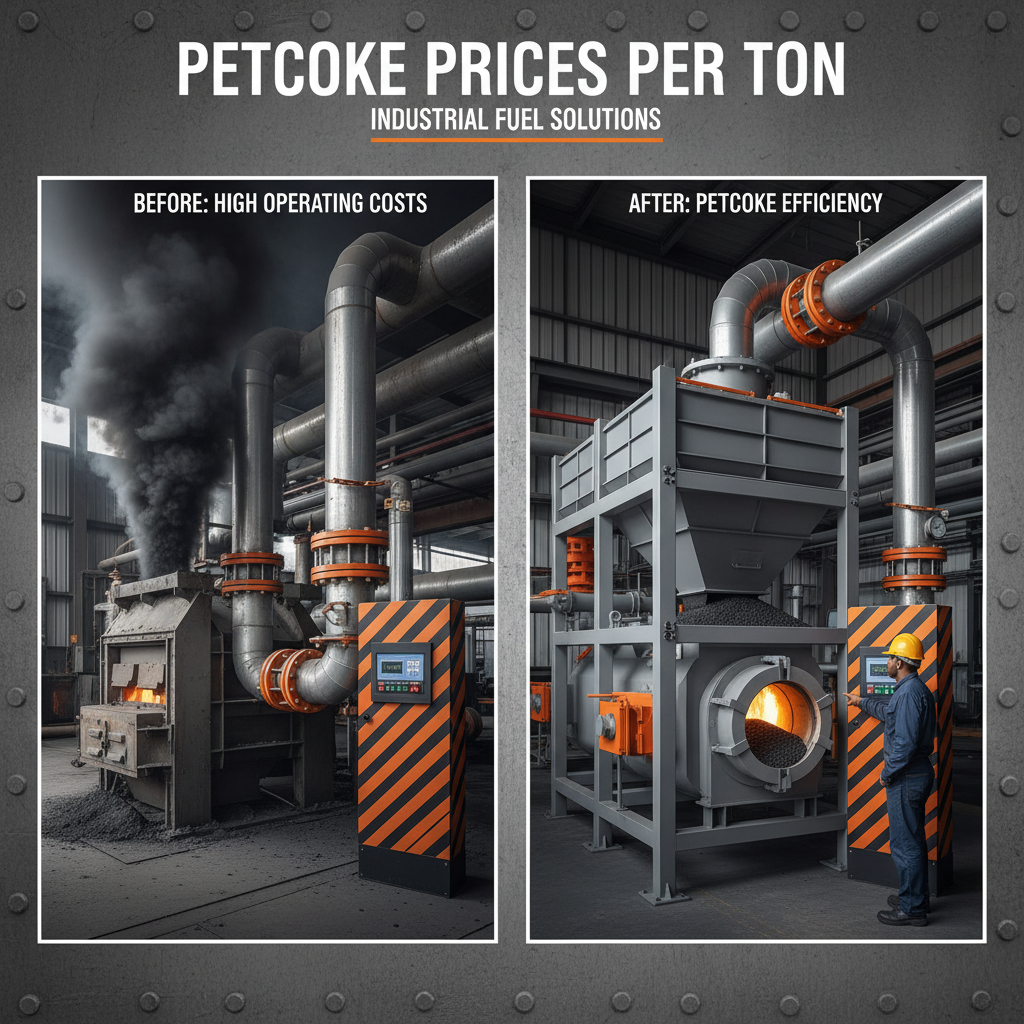
Several factors contribute to the variability of petcoke prices per ton. Crude oil prices are a primary driver, as petcoke production is directly tied to refining activity. Supply and demand dynamics also play a significant role; increased demand, particularly from aluminum smelters and power plants, tends to push prices upward. Transportation costs – including shipping rates and logistical challenges – are also substantial. Environmental regulations regarding sulfur content in petcoke further impact pricing, with lower-sulfur varieties commanding a premium. Finally, geopolitical events and global economic conditions can introduce volatility to the market.
Key Drivers of Petcoke Prices: Crude oil prices, Supply & Demand, Transportation costs, Environmental Regulations, Geopolitical Factors.
Recent Petcoke Price Trends (2023-2024)
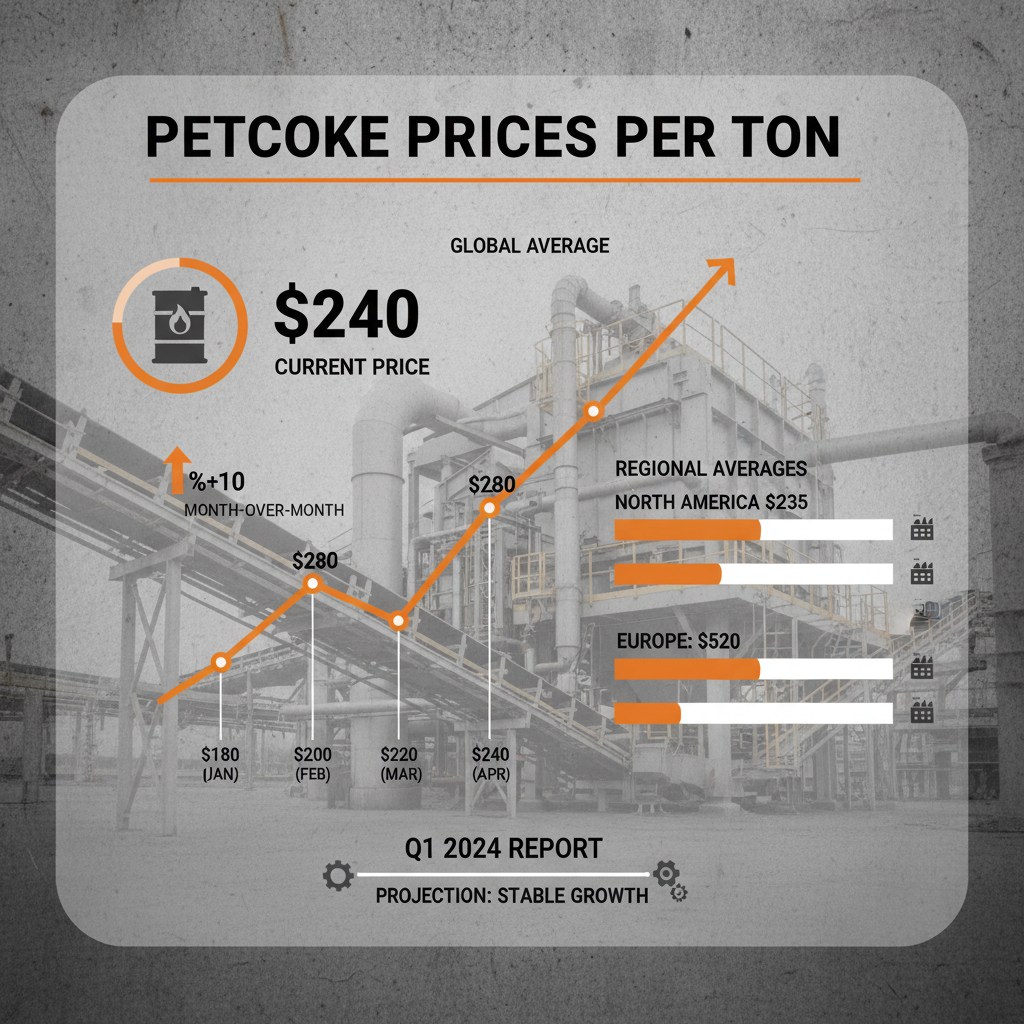
The petcoke prices per ton have experienced fluctuations in recent years. 2023 saw a period of relative stability, followed by increases in late 2023 and early 2024, driven by rising crude oil prices and increased demand from the steel industry. However, global economic uncertainties have created downward pressure more recently. Regional variations are significant; prices in Asia, particularly China and India, are often higher due to strong demand, while prices in the US tend to be more stable, influenced by domestic production levels. NL Graphite constantly monitors these market shifts to provide our customers with competitive pricing.
Price Trend Highlights:
• Late 2023/Early 2024: Price increases due to crude oil and steel demand.
• Regional Variations: Asia generally higher prices, US more stable.
• Recent Downturn: Global economic uncertainties applying downward pressure.
Petcoke Prices Per Ton: Regional Comparison
Comparing petcoke prices per ton across different regions is essential for sourcing strategies. As of late 2024, average prices are approximately as follows (these figures are indicative and subject to change):
Petcoke Grades and Their Price Variations
Different grades of petcoke command varying prices. Delayed coke, produced through delayed coking, generally fetches a higher price than fluid coke, due to its lower sulfur content and higher carbon content. Lower-sulfur petcoke is preferred by aluminum smelters, resulting in increased demand and higher prices. The moisture content also impacts price; dryer petcoke is typically more valuable. NL Graphite provides a range of petcoke grades to meet specific customer requirements.
NL Graphite: Your Trusted Petcoke Supplier
At NL Graphite, we specialize in the sourcing and supply of high-quality petcoke to a diverse range of industries. We offer competitive petcoke prices per ton, reliable delivery, and consistent product quality. We work directly with refineries to ensure a stable supply chain and tailor our services to meet the unique needs of each customer. Our experienced team provides expert market insights and logistical support, helping you optimize your procurement process. Contact us today to discuss your petcoke requirements.
Conclusion: Navigating the Petcoke Market with Confidence
Understanding the factors that influence petcoke prices per ton is vital for effective cost management. By partnering with a reliable supplier like NL Graphite, you can ensure access to consistent quality, competitive pricing, and expert support. Don't let market volatility disrupt your operations – choose a partner you can trust.
Frequently Asked Questions (FAQs)
What is the typical lead time for petcoke delivery?
The lead time for petcoke delivery varies depending on the destination and shipping availability. Generally, it ranges from 10 to 30 days. Factors such as port congestion, vessel schedules, and inland transportation can affect delivery times. NL Graphite works closely with logistics providers to optimize delivery schedules and ensure timely arrival of your order. We can provide accurate lead time estimates based on your specific location and order volume.
What sulfur content levels are available in petcoke?
Petcoke sulfur content can vary significantly, typically ranging from 1% to 8%. Lower-sulfur petcoke (1-3%) is preferred by aluminum smelters due to environmental regulations and process efficiency. Medium-sulfur (3-5%) and high-sulfur (5-8%) petcoke are used in other applications, such as power generation and cement production. NL Graphite offers a range of sulfur content options to meet your specific application requirements. We provide detailed specifications for each grade.
How is petcoke typically transported?
Petcoke is typically transported by sea in bulk carriers. For inland transportation, it can be moved by rail or truck, depending on the destination and distance. Proper handling and storage are crucial to prevent moisture absorption and dust emissions. NL Graphite manages all aspects of the transportation process, ensuring safe and efficient delivery to your facility.
Does NL Graphite offer long-term supply contracts for petcoke?
Yes, NL Graphite offers flexible long-term supply contracts tailored to meet the ongoing needs of our customers. These contracts provide price stability, guaranteed supply, and priority access to our inventory. We work with our clients to develop contract terms that align with their specific requirements and risk tolerance.
 Pervious
 Next
Next